
Diving at Kwiecinski Reef (United States)
Kwiecinski Reef provides an opportunity to engage with the dynamic marine life thriving within Florida's underwater landscapes. Exploring this site often reveals a tapestry of reef fish and invertebrates, blending seamlessly with the surrounding environment. It's a setting where the natural behaviors of oceanic inhabitants unfold for observant divers. This location invites contemplation of the subtle interactions that define a healthy reef ecosystem.
As evening covers Kwiecinski Reef, the local air temperature is measured at 25°C. The current wave height at the surface is recorded at 0.9 m. These late-day readings characterize the surface conditions for the night.
Dive Site Location & Key Facts
Dive Site Overview
Kwiecinski Reef is characterized by its expansive underwater geography, presenting a varied environment typical of the Florida Keys. Divers exploring this site often encounter a mix of vibrant coral structures, distinct patch reefs, and winding sandy channels.
While specific geological formations aren't consistently reported for this particular reef, its recreational depth range makes it accessible for various certification levels. Max depths generally reach around 30 m (100 ft). Throughout the dive, conditions above the surface can influence the experience; average wave heights fluctuate from about 0.5 m (1.6 ft) in calmer periods to over 1.7 m (5.6 ft) during choppier months.
Navigating the reef involves observing its intricate coral formations and understanding the subtle transitions between different bottom types. It's a setting that encourages close inspection of smaller marine life inhabiting the reef crevices and open sand patches.
The currents here can introduce a dynamic element, requiring attention to positioning as divers traverse the reef system. Such dives are best approached with an understanding of general reef characteristics, focusing on detailed observation of the local aquatic life and geological features, which is crucial for appreciating its nuanced environment.
Conditions are Good
Optimal conditions expected
Current conditions near Kwiecinski Reef show 25° air, 29° sea temperature, 0.9 m waves, and 12 km/h wind. Forecast data is refreshed regularly to ensure accuracy.
Best Time to Dive
Considering regional climate data, the period from May through August typically offers more favorable diving conditions, reflected by higher dive scores. During these months, average air temperatures settle comfortably between 26-28°C (79-82°F), accompanied by lower average wave heights, often below 0.9 m (3 ft). Rainfall tends to be heavier in late summer and early fall, particularly in September, which sees an average of 8.01 mm (0.31 in). Conversely, October and December, while still offering moderate dive scores, may present increased average wave heights and more variable wind speeds, which could affect boat travel and surface conditions. Water temperatures for Kwiecinski Reef are not consistently reported but generally align with regional patterns, warming up during the summer months.
PEAK SEASON SCORE
Scores combine air & water temps, waves, wind & rainfall for overall conditions.
BEST MONTHS TO DIVE
Monthly records compiled from satellite and marine observation nodes over the last 3 years. Data provided by Open-Meteo and MET Norway.
Dive Experience & Conditions
Current dynamics at Kwiecinski Reef can vary significantly, depending on localized tidal flows and broader oceanic patterns. Visibility often ranges from good to excellent, although it can be affected by stronger winds or recent rainfall, which stirs up sediment. Average wind speeds fluctuate throughout the year, from a calmer 14.7 km/h (9.1 mph) in September to over 20.7 km/h (12.9 mph) in April, impacting surface chop. These conditions are typical for Florida Keys reefs and generally support a pleasant underwater experience. Divers should always consult local forecasts on the day of their dive to anticipate the most accurate conditions.
Dive Difficulty & Safety Guidelines
Approaching Kwiecinski Reef with a focus on preparedness ensures a smooth diving experience. Given the dynamic nature of reef environments, divers should always monitor their air supply closely and maintain proper buoyancy control to protect the delicate coral formations. Currents can be unpredictable, so careful planning with a dive professional regarding entry and exit points is advisable.
Staying aware of your dive buddy and adhering to no-decompression limits are standard practices crucial for safety. Always carry a surface marker buoy to signal your position to boat traffic, especially in active areas.
Recommended Equipment
- Dive Computer
This gear list is based on verified equipment signals for Kwiecinski Reef, United States. Always confirm final gear choices with your dive operator, guide, or liveaboard.
Recommended Dive Suit
Dive skin or rash guard is often considered an appropriate level of exposure protection for conditions like these.
Divers entering the water at Kwiecinski Reef today can expect temperatures near 29°C (85°F) beneath the surface. Surface air temperatures are resting at 25°C (77°F).
The upcoming forecast points to generally steady conditions in the area.
Emergency & Medical Support
Essential information to help you plan your dive trip to Kwiecinski Reef.

Hyperbaric chambers are a critical part of dive safety infrastructure. Availability varies significantly by region, and not all dive areas have immediate access.
Before diving, it's recommended to:
- confirm nearest medical facilities
- check emergency procedures with local dive operators
- ensure dive insurance covers evacuation if required
Divers Alert Network
Diving emergency assistance available through DAN World.
+1-919-684-9111- 24/7 emergency hotline
- Diving medical assistance
- Evacuation coordination
Emergency contacts are provided for reference. Always verify local emergency services before diving.
Marine Life at Kwiecinski Reef
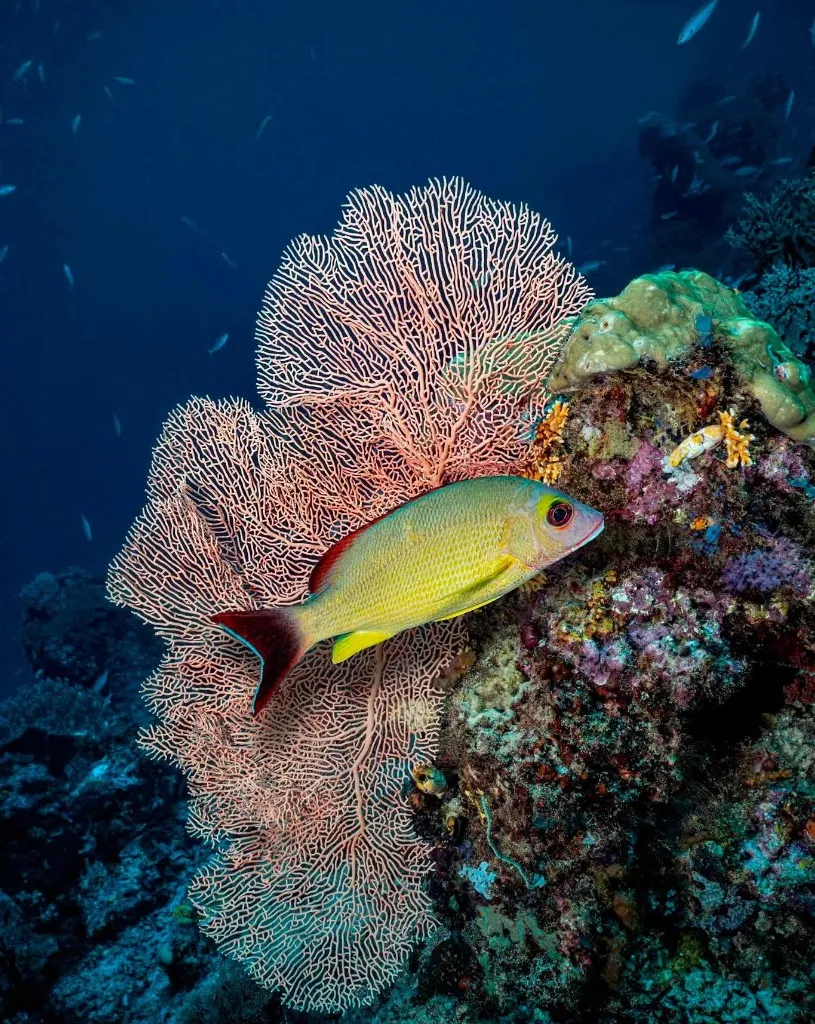
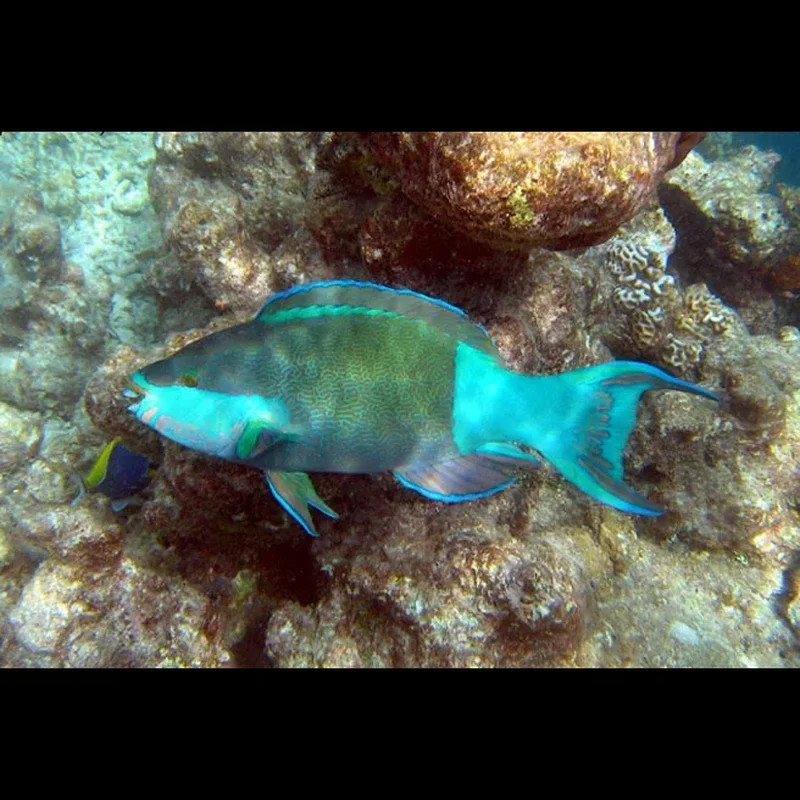
The underwater landscape of Kwiecinski Reef supports a diverse array of marine species, typical of Florida's coral ecosystems. Schooling fish, such as grunts and snapper, frequently populate the reef, often congregating around larger coral heads.
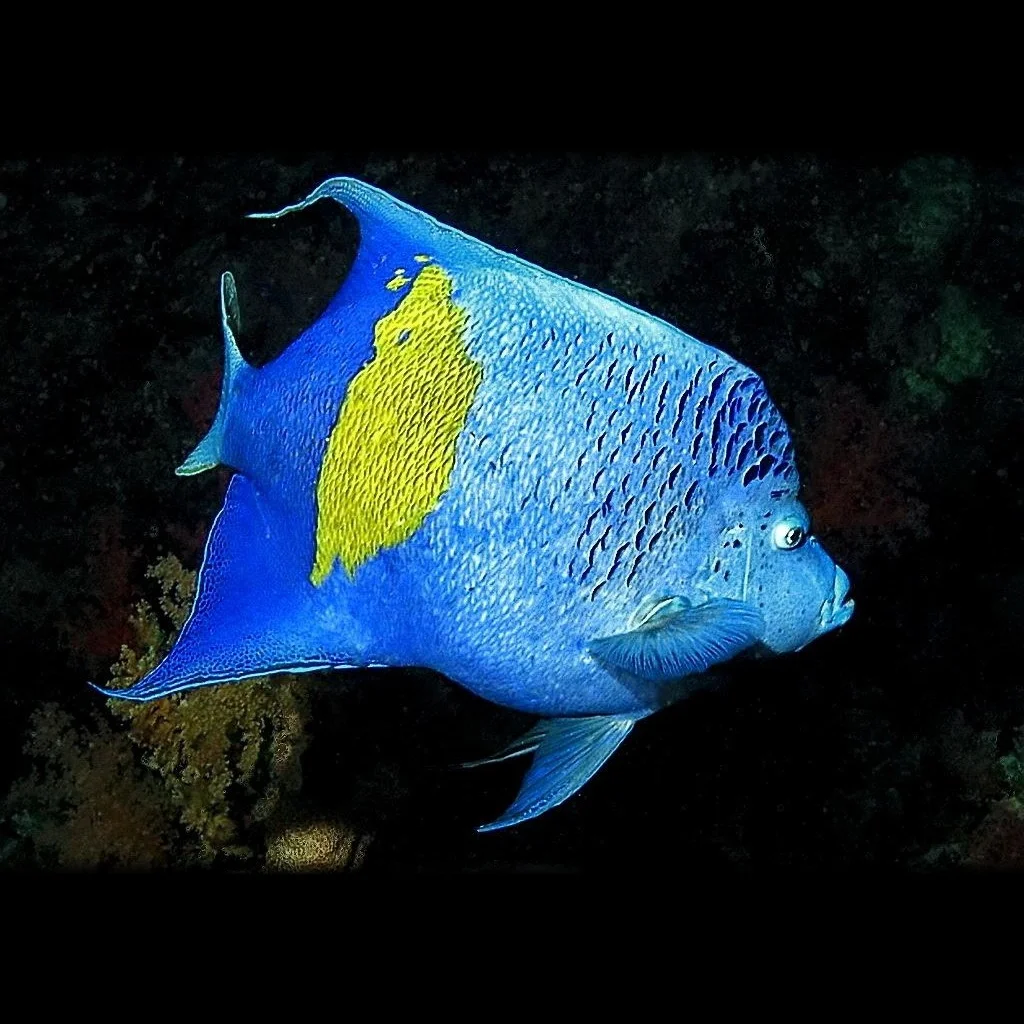
Keep an eye out for curious angelfish and parrotfish grazing along the coral. Encounters with larger pelagic species are less common but possible, adding an element of surprise to the dive.
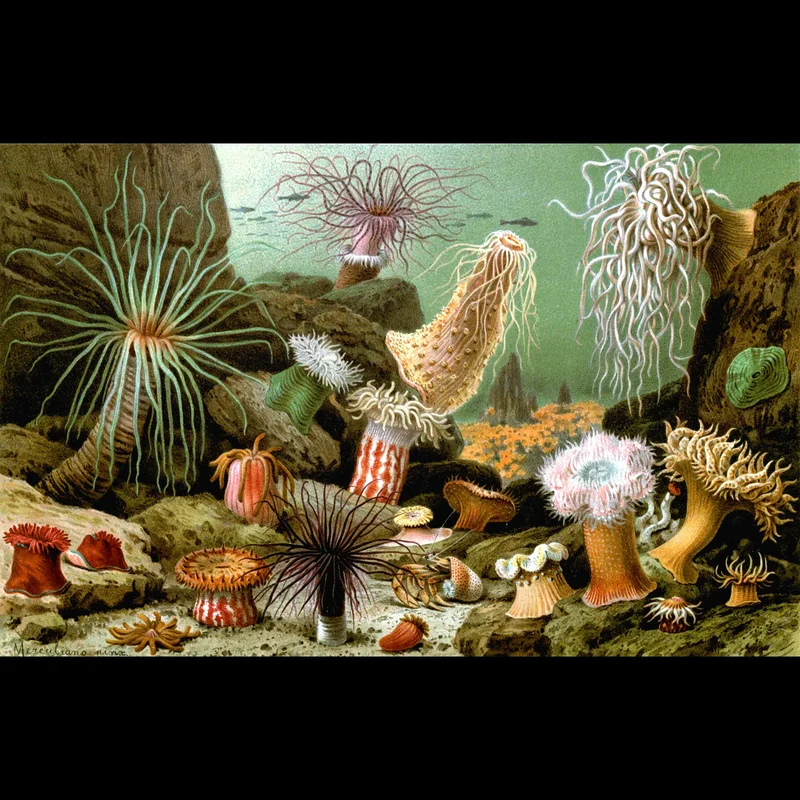
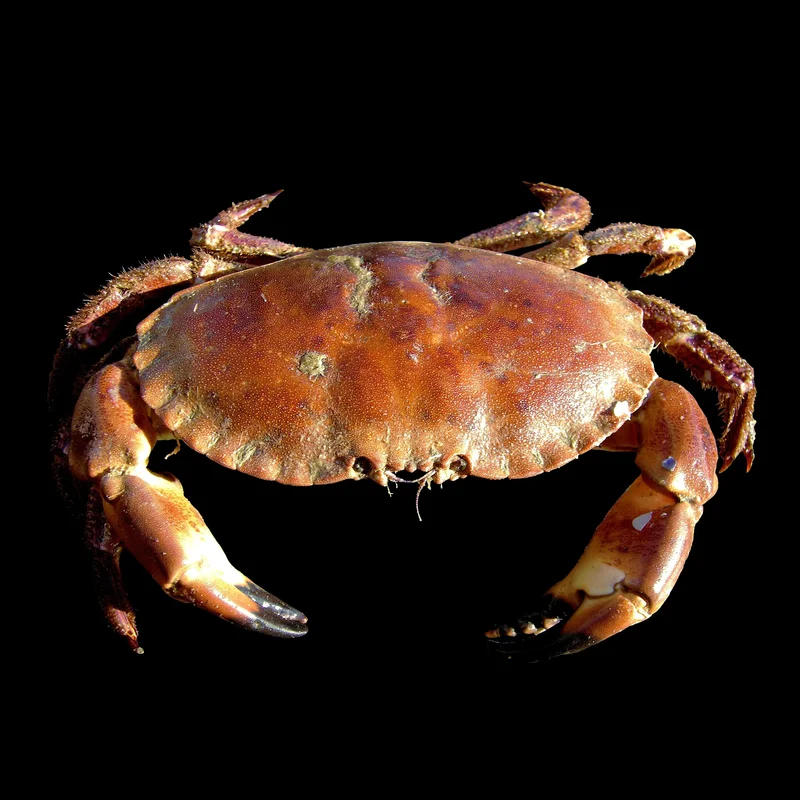
The reef also hosts various invertebrates, from crabs tucked into crevices to colorful sea anemones.
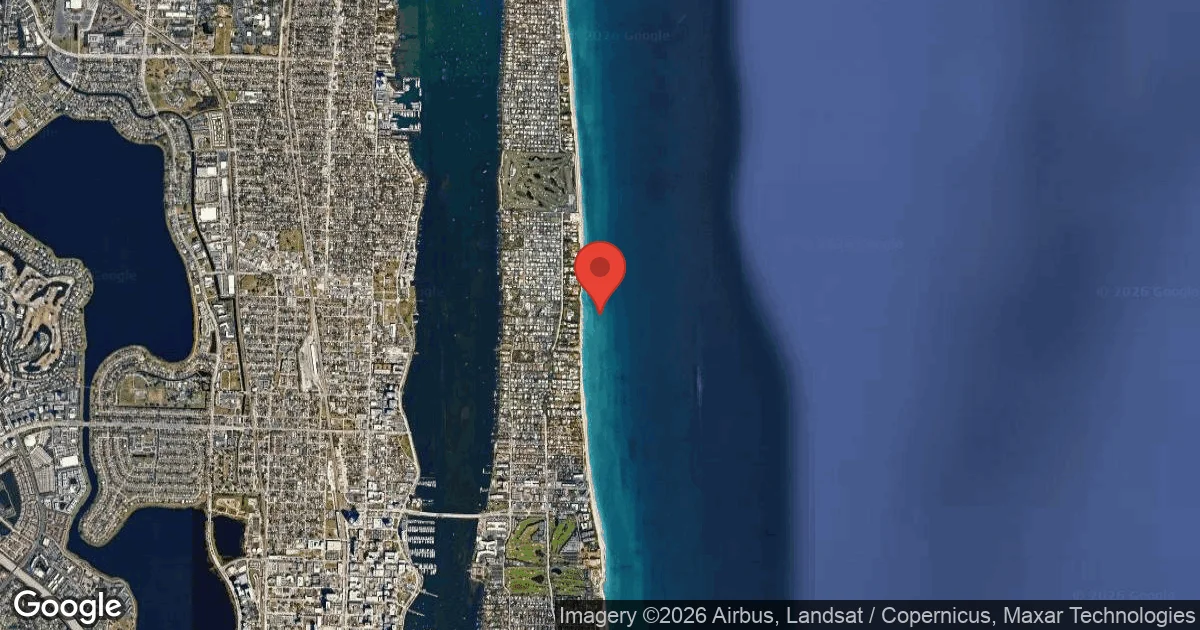
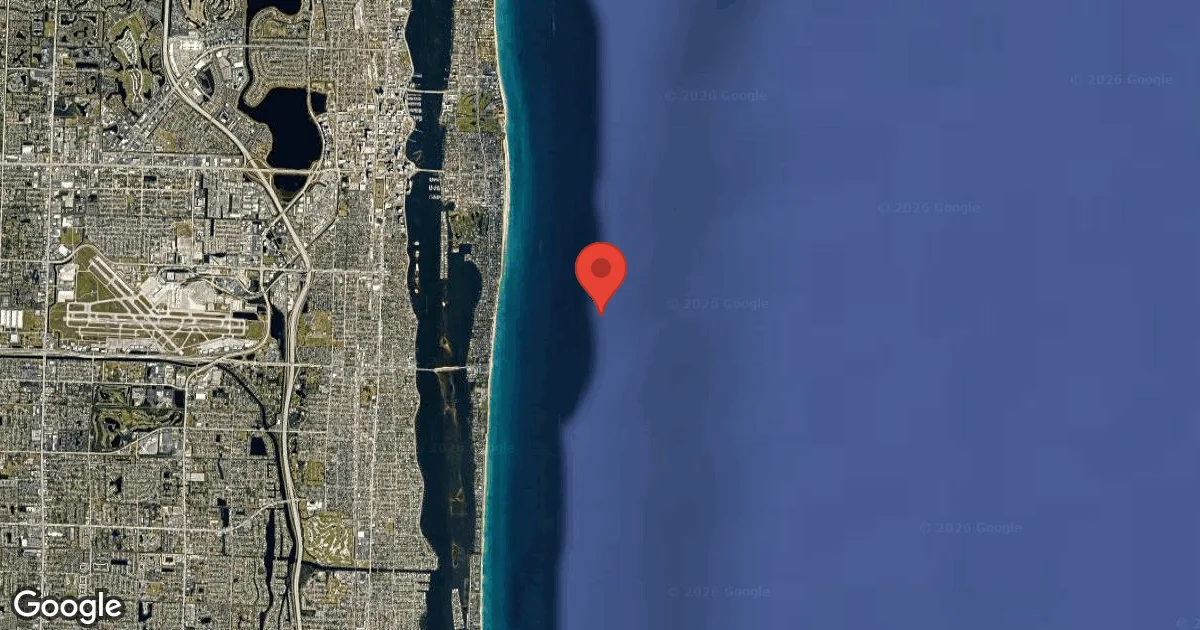
Dive Sites Near Kwiecinski Reef
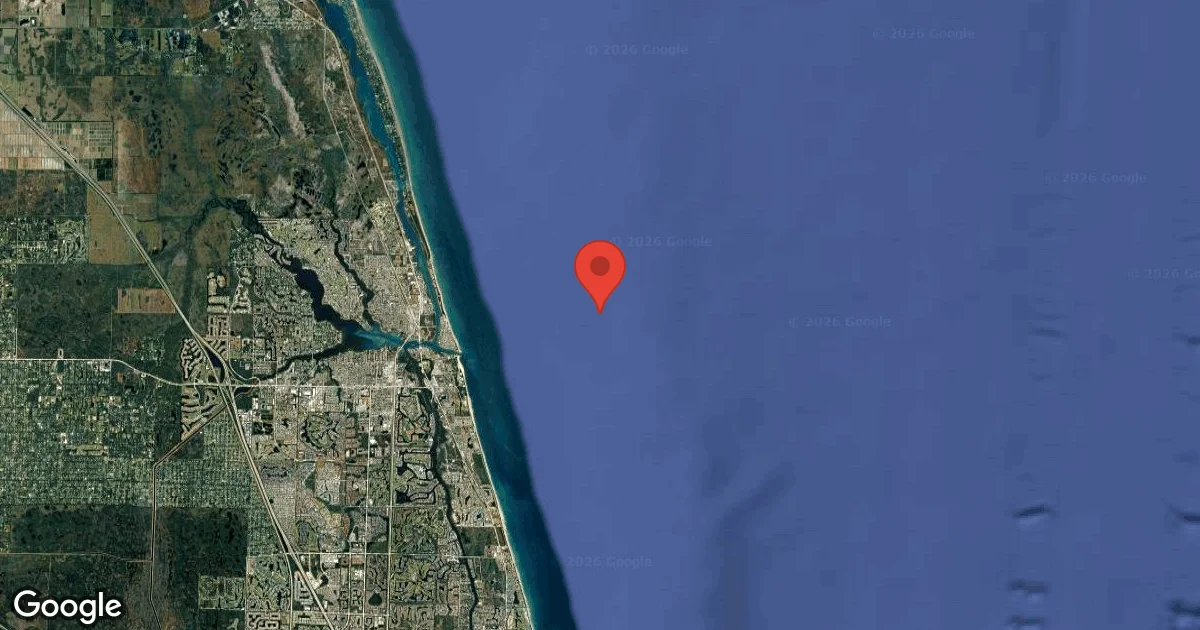
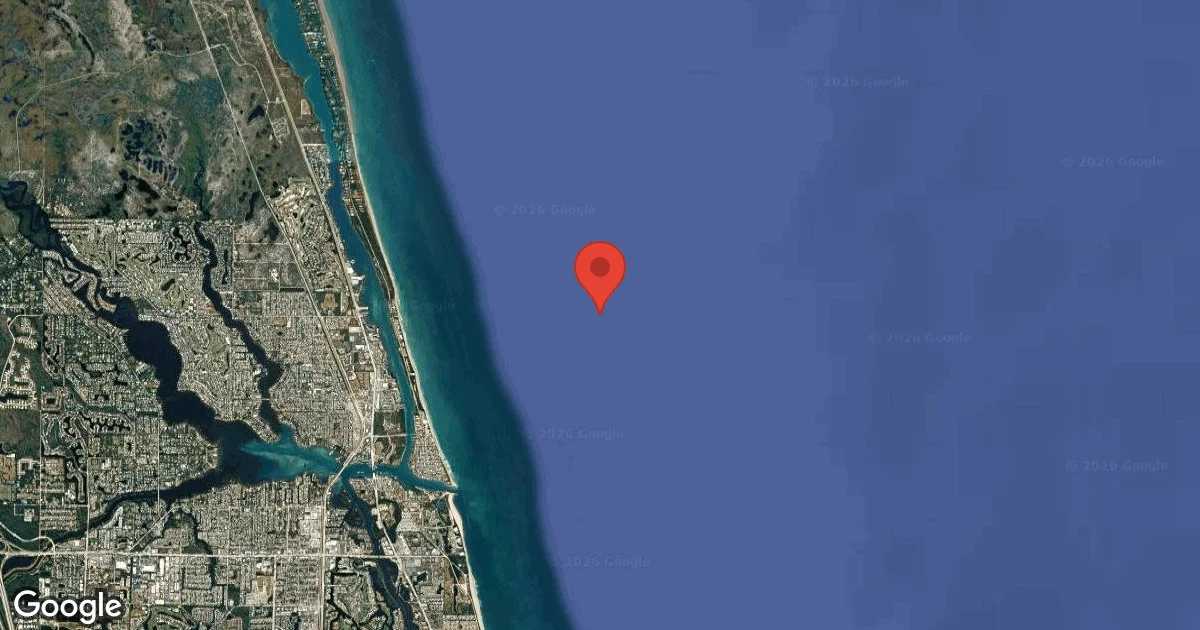
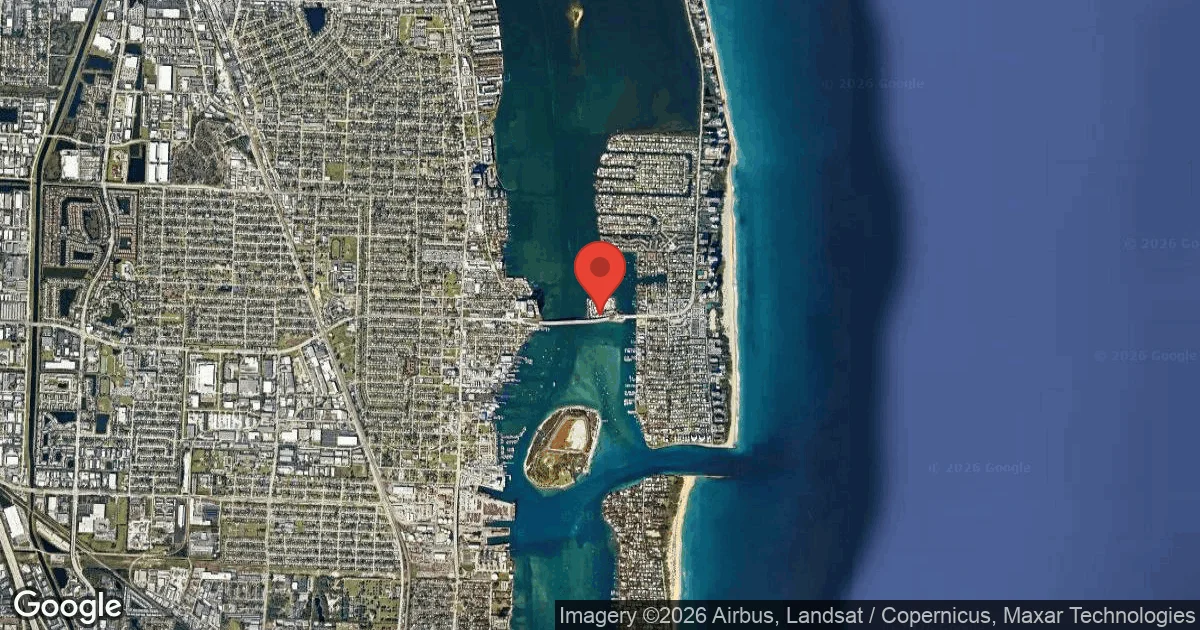
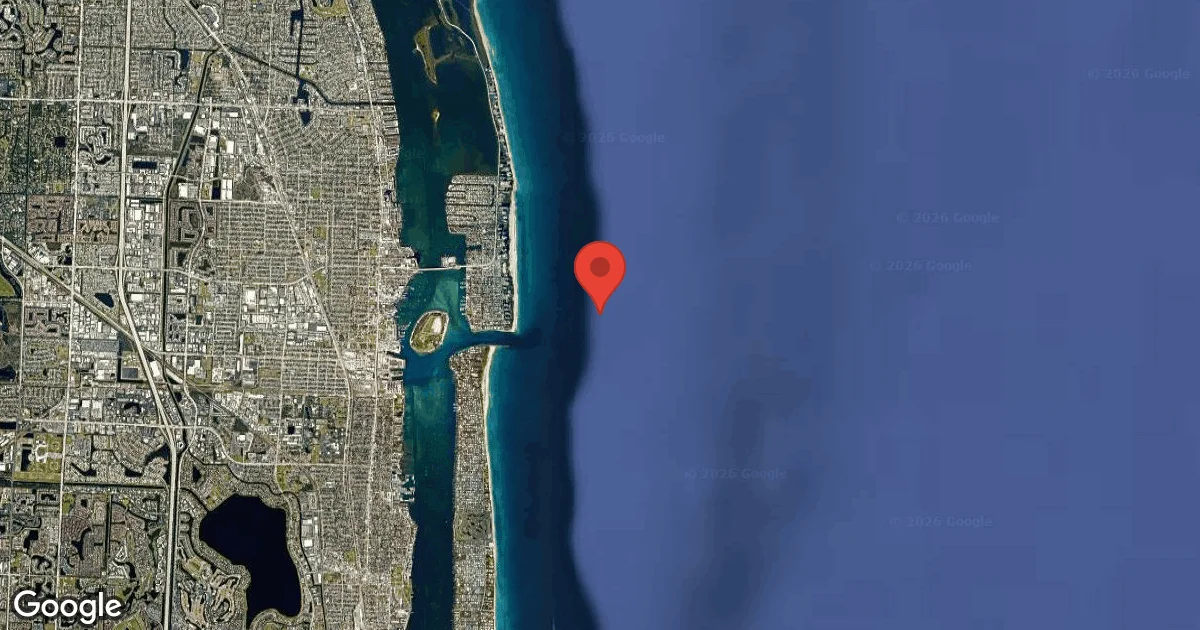
View all dive sites in United StatesDiscover more underwater gems in this area.
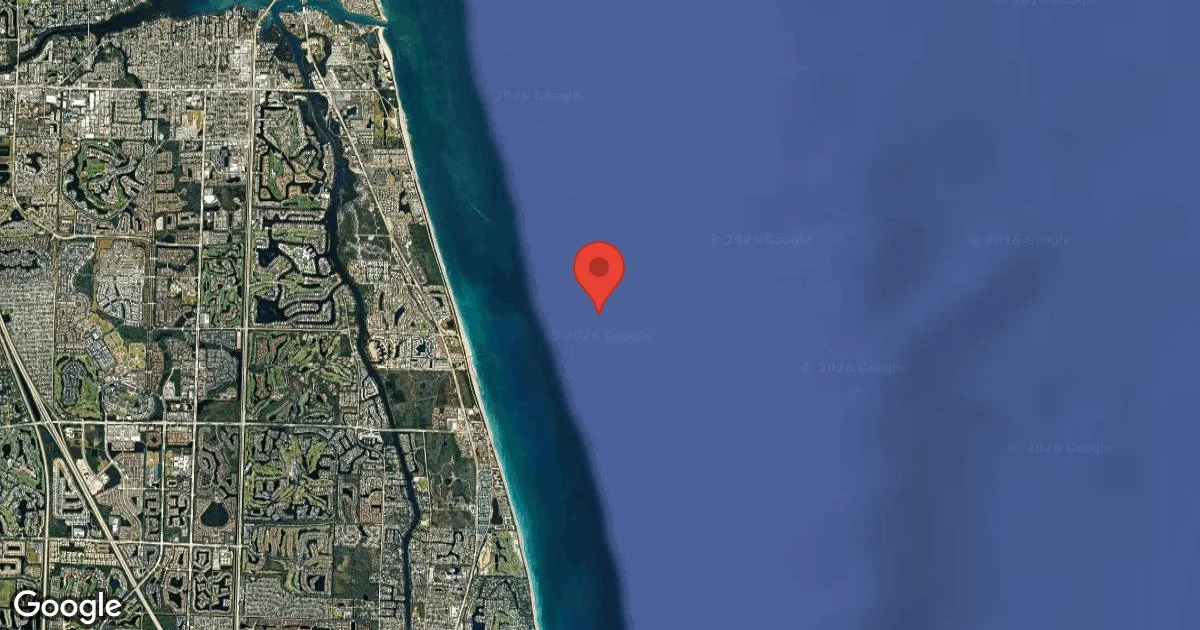
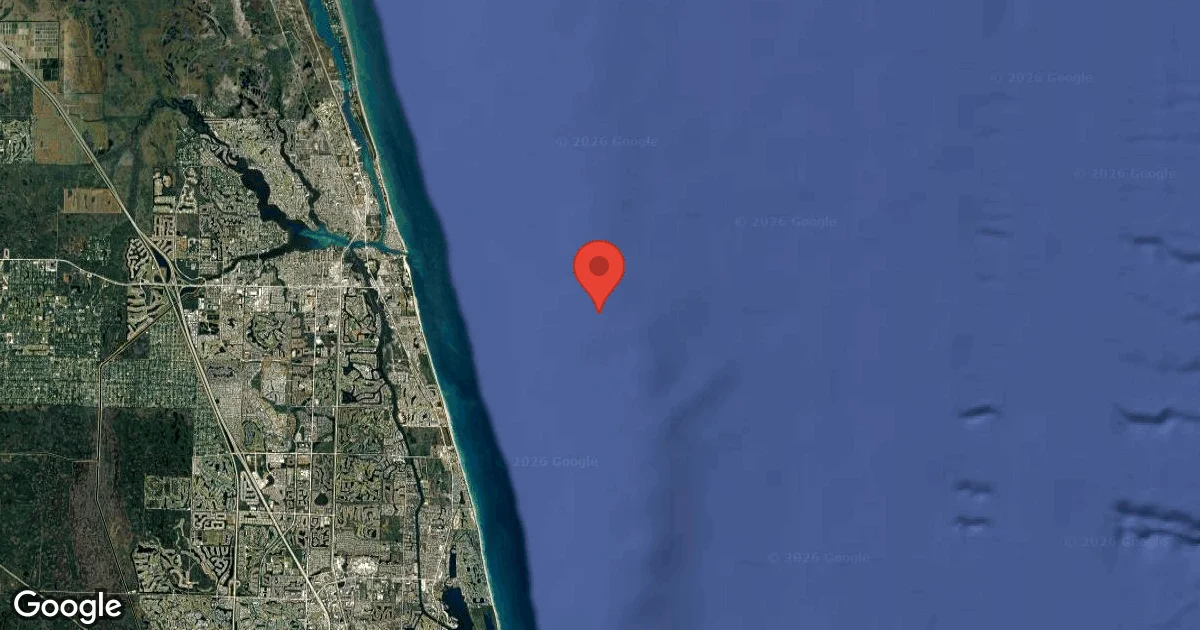
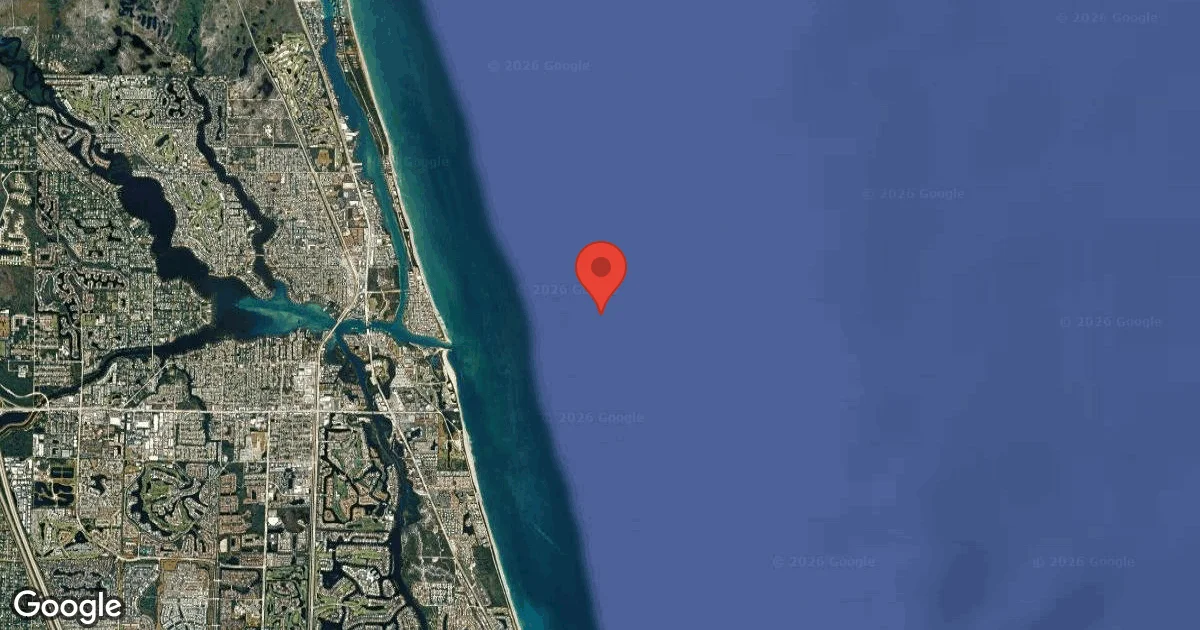
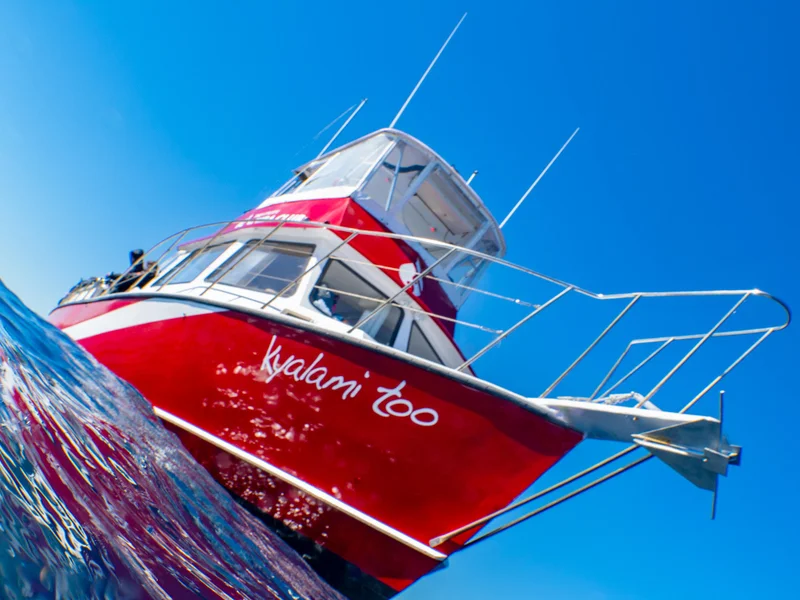
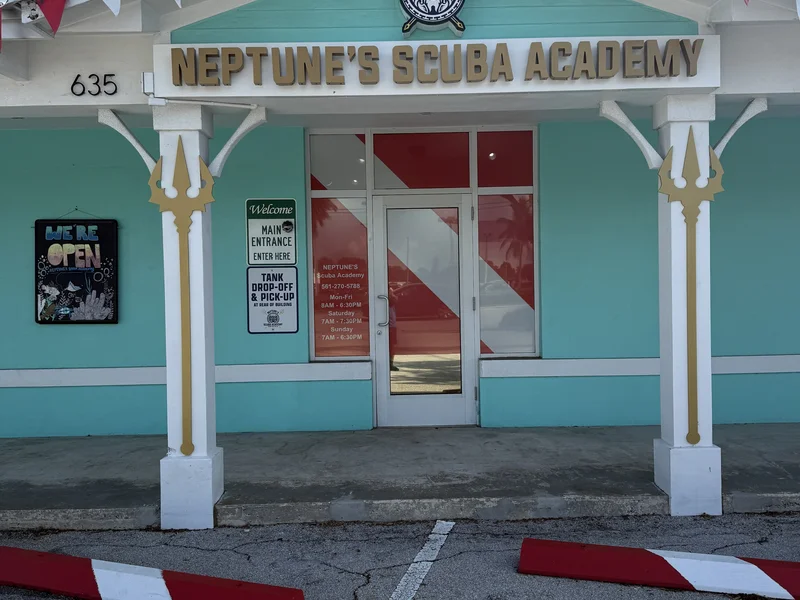
Dive Centers Near Kwiecinski Reef

Today: 10:00 - 18:00
Nearest Airports
Nearest airports to help plan travel to this dive area.
Search Flights
Check available flights and routes on Expedia, using the nearby airports listed in this section.
Search Flights on Expedia
Plan Your Stay
Looking for a place to stay for your dive trip? Explore hotels, stays, and vacation rentals for dive groups near Juno Beach.
Dive Navigator may earn a commission from these links at no extra cost to you.
Frequently Asked Questions
What is the typical depth range for diving at Kwiecinski Reef?
Diving at Kwiecinski Reef generally falls within recreational limits. Depths typically range from shallower sections to a maximum depth of around 30 m (100 ft). Specific depths can vary across different dive profiles within the reef system.
What is the water temperature like at Kwiecinski Reef?
While precise water temperature data for Kwiecinski Reef isn't consistently available, the region experiences warm conditions. Water temperatures generally mirror the air temperatures, typically ranging from the mid-20s Celsius (mid-70s Fahrenheit) in cooler months to high 20s Celsius (low 80s Fahrenheit) during summer.
Are strong currents common at Kwiecinski Reef?
Currents at Kwiecinski Reef can vary based on tides and broader oceanographic conditions. Some days may bring gentle drifts, while others could present stronger flows. Consulting with local dive operators before your dive can provide the most current information regarding expected conditions.
What kind of marine life can I expect to see at this reef?
Divers exploring the reef can expect to observe a variety of typical Florida reef inhabitants. Common sightings include schooling fish, parrotfish, angelfish, and various small invertebrates. The specific mix of species can depend on the time of year and the particular section of the reef being explored.
Is Kwiecinski Reef suitable for beginner divers?
Reef sites in this region generally cater to a range of experience levels. While shallower areas might be suitable for beginners, conditions like current and visibility should be assessed on the day of the dive. It's always recommended for less experienced divers to go with a guide.
What are the average visibility conditions?
Visibility at the reef is often excellent, providing clear views of the underwater environment. However, conditions can fluctuate due to factors like strong winds, wave action, or recent heavy rainfall. Local reports should be checked for daily visibility forecasts.
Planning to dive Kwiecinski Reef?
Send one inquiry and receive offers directly from the best verified local dive operators.
Conditions are Good
Optimal conditions expected
Current conditions near Kwiecinski Reef show 25° air, 29° sea temperature, 0.9 m waves, and 12 km/h wind. Forecast data is refreshed regularly to ensure accuracy.