
Diving at Arhf Juno Reef (United States)
Juno Reef's underwater topography features a series of distinctive ledges and natural cuts, creating a dynamic environment for divers. It includes both a deeper ledge, which drops from 21 m (70 ft) down to 27 m (90 ft), and a shallower top ledge in the 20-21 m (65-70 ft) range. Shark Canyon, a notable section within the reef, reveals horseshoe-shaped amphitheaters carved into the ledges.
Evening condition tracking at Arhf Juno Reef features an air temperature of 25°C. We have recorded wave heights measuring 0.9 m during this period. These figures outline the environmental parameters currently present.
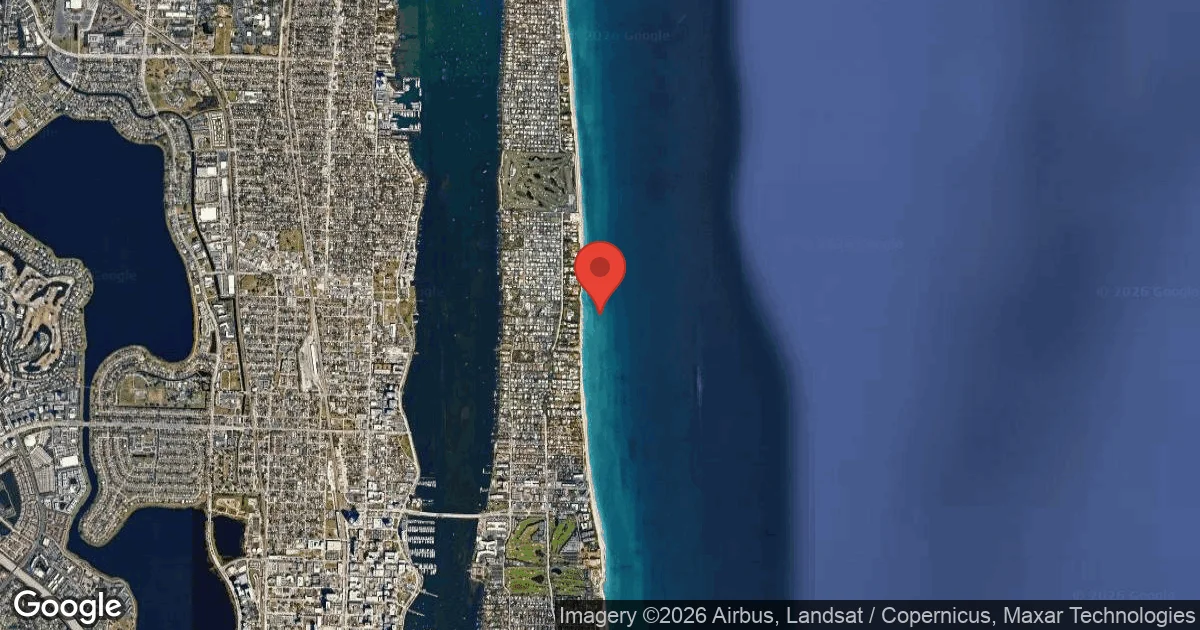
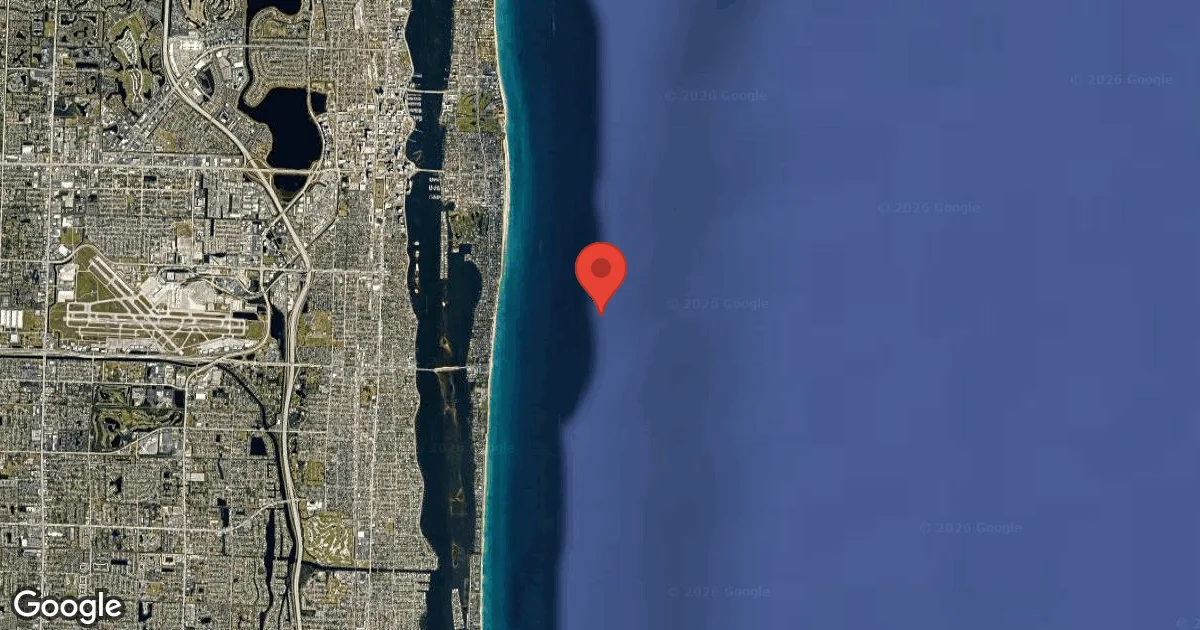
Dive Site Location & Key Facts
Dive Site Overview
Prepare for an engaging drift dive at Juno Reef, also known as Juno Ledge or Area 51, where currents often dictate the pace. This site appeals to divers seeking natural encounters with larger marine life without the use of bait.
Depths typically range from 20-27 m (65-90 ft), accommodating experienced Open Water divers. Visibility here can fluctuate between 10-25 m (33-82 ft), varying with conditions and seasons. Water temperatures generally range from 22-28°C (72-82°F), making for comfortable diving throughout much of the year.
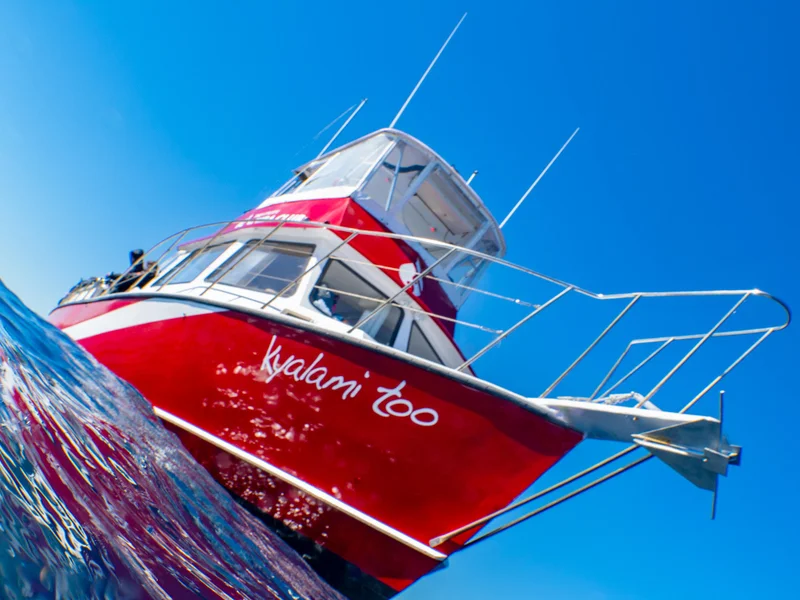
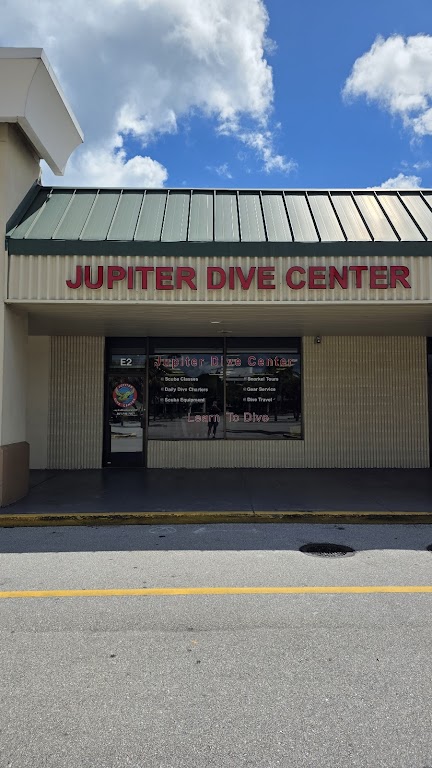
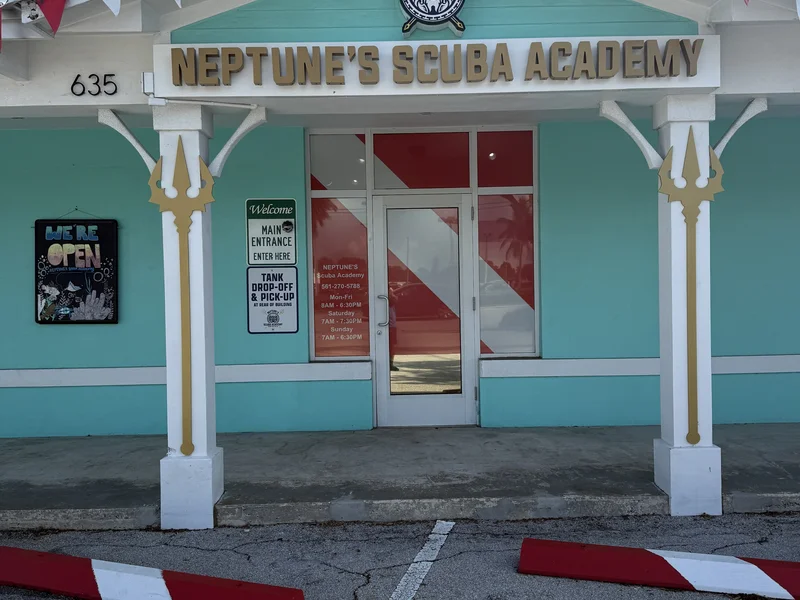
The currents, while sometimes brisk, are frequently manageable and can transform the dive into a flowing underwater journey, allowing divers to cover significant stretches of reef. Jupiter Dive Center and Scuba Works are among the local operators that service this site, often bundling it with other area dives.
Conditions are Good
Optimal conditions expected
Current conditions near Arhf Juno Reef show 25° air, 31° sea temperature, 0.9 m waves, and 12 km/h wind. Forecast data is refreshed regularly to ensure accuracy.
Best Time to Dive
Optimizing your dive at Juno Reef hinges on understanding seasonal visibility patterns and weather conditions. While visibility can sometimes reach 25 m (82 ft), it also occasionally drops to 10 m (33 ft), particularly during certain periods. Historically, months like July and April have reported clear visibility around 25 m (82 ft), while June, August, and September may see more variable ranges. Air temperatures here remain warm for much of the year, averaging between 26-28°C (79-82°F) from June through August, correlating with lower average wave heights around 0.5-0.9 m (1.6-3 ft) during these months. Conversely, the cooler months from December through March, with air temperatures averaging 19-22°C (66-72°F) and slightly higher average wave heights, still offer good diving conditions, often marked by reduced rainfall, averaging 1.2-2.6 mm monthly.
PEAK SEASON SCORE
Scores combine air & water temps, waves, wind & rainfall for overall conditions.
BEST MONTHS TO DIVE
Monthly records compiled from satellite and marine observation nodes over the last 3 years. Data provided by Open-Meteo and MET Norway.
Dive Experience & Conditions
Current dynamics define the diving experience at Juno Reef, where a prevailing north-running current often encourages drift diving along the reef's extensive ledges. While currents can occasionally be quite brisk, the reef's high-profile structures offer some shelter and make traversing the site straightforward for experienced divers. This allows for an enjoyable 'magic carpet ride' sensation across the reef, covering long distances with minimal effort. Water temperatures vary, generally holding around 22-28°C (72-82°F) throughout the year, with warmer conditions typically observed during summer months. Visibility can be good, often ranging between 10-25 m (33-82 ft), though conditions are not consistently reported and can depend on recent weather events.
Dive Difficulty & Safety Guidelines
Approaching Juno Reef dives requires acknowledging potential challenges, primarily the strong and sometimes brisk currents. Divers should be comfortable with drift diving techniques and have adequate experience managing varying current speeds. Staying with your group and maintaining situational awareness is crucial, especially when moving between the deeper and shallower ledges that define the reef structure.
Dive operators typically provide briefings specific to the day's conditions, and following their guidance is essential. The site's recreational depth range means divers should be proficient in buoyancy control and ascents from depths around 20-27 m (65-90 ft).
Recommended Equipment
- Dive Computer
This gear list is based on verified equipment signals for Arhf Juno Reef, United States. Always confirm final gear choices with your dive operator, guide, or liveaboard.
Recommended Dive Suit
The latest conditions reported around Arhf Juno Reef place the water temperature close to 31°C (87°F). Surface air temperatures are resting at 25°C (77°F).
Many divers choose dive skin or rash guard when diving in similar conditions.
Forecast models show minimal temperature variation in the coming days.
Emergency & Medical Support
Essential information to help you plan your dive trip to ARHF Juno Reef.

Hyperbaric chambers are a critical part of dive safety infrastructure. Availability varies significantly by region, and not all dive areas have immediate access.
Before diving, it's recommended to:
- confirm nearest medical facilities
- check emergency procedures with local dive operators
- ensure dive insurance covers evacuation if required
Divers Alert Network
Diving emergency assistance available through DAN World.
+1-919-684-9111- 24/7 emergency hotline
- Diving medical assistance
- Evacuation coordination
Emergency contacts are provided for reference. Always verify local emergency services before diving.
Marine Life at Arhf Juno Reef
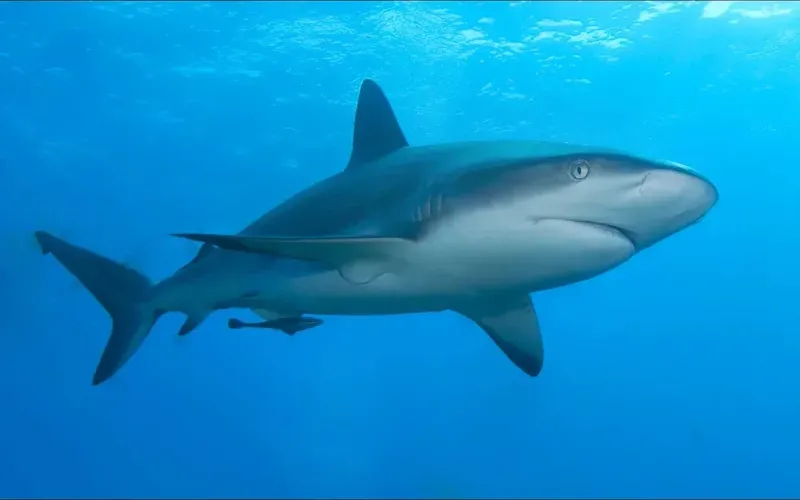
Upon descending into Juno Reef, divers often first notice the active presence of pelagic species, particularly Caribbean reef sharks. These sharks are observed swimming naturally, providing a genuine shark diving experience without baiting.
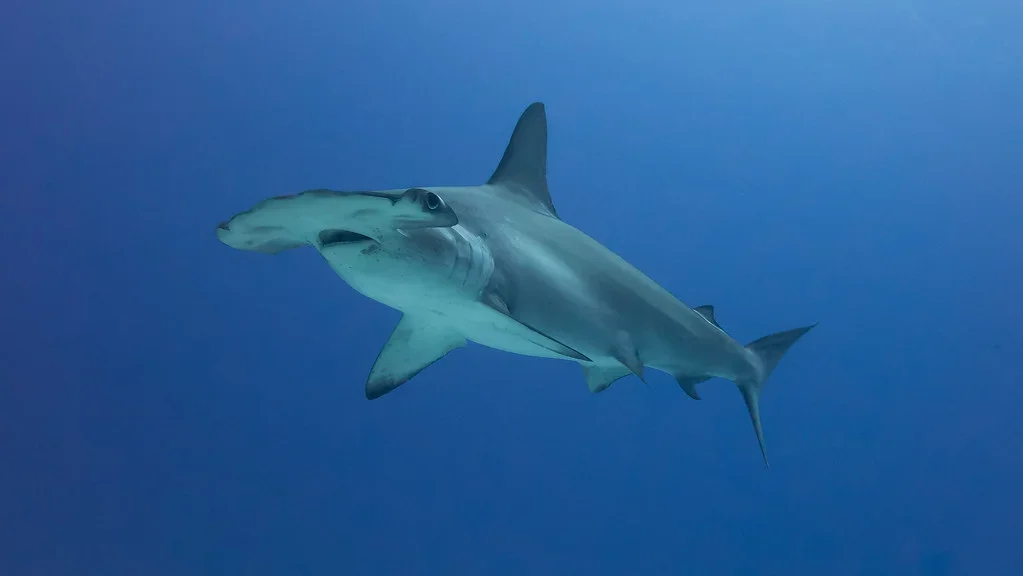
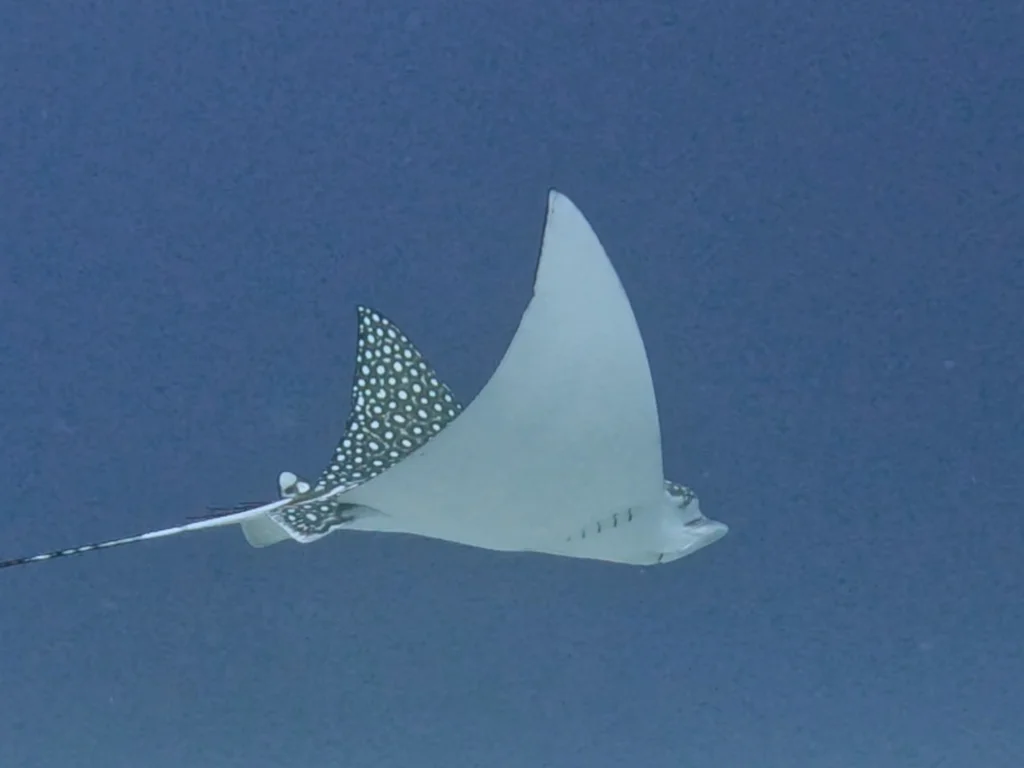
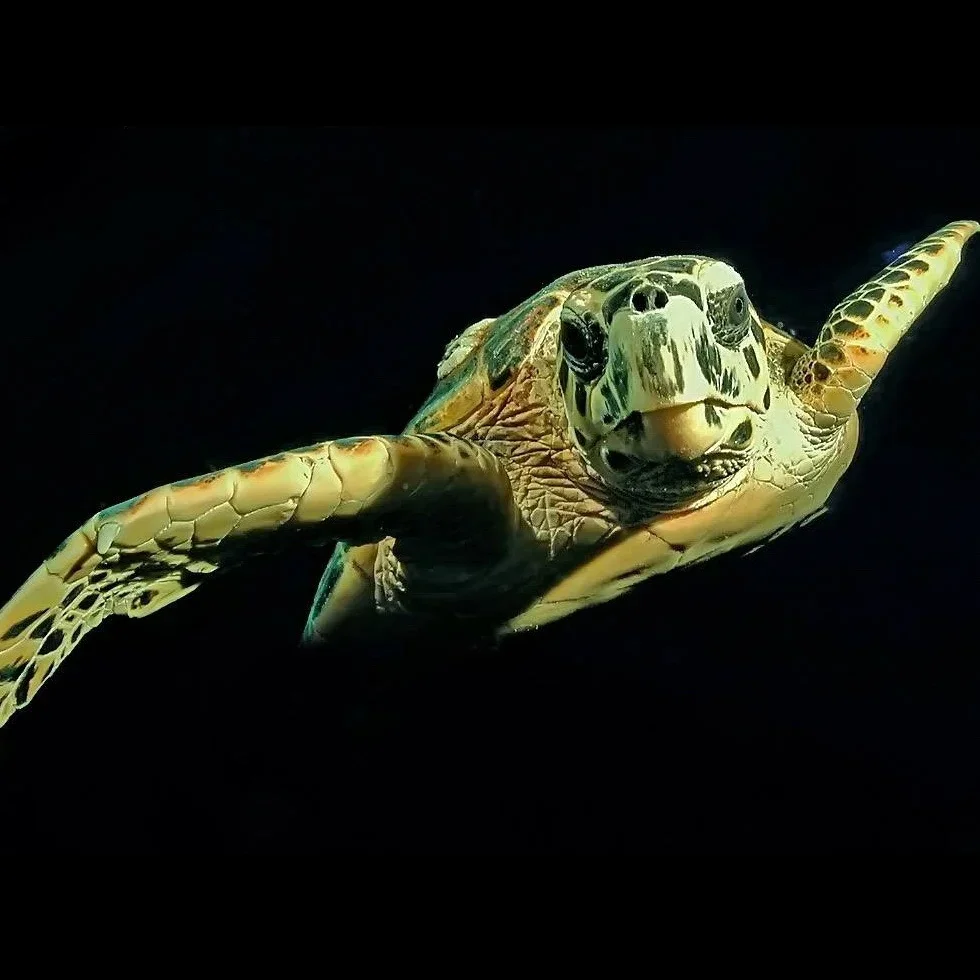
Green sea turtles and loggerheads are commonly seen, sometimes napping under ledges or foraging for food. Divers have also encountered tagged hawksbill turtles, spotted eagle rays, and even hammerhead sharks, though these sightings vary.
Beyond the larger creatures, the reef is home to numerous live whelks and countless conchs scattered across the substrate.
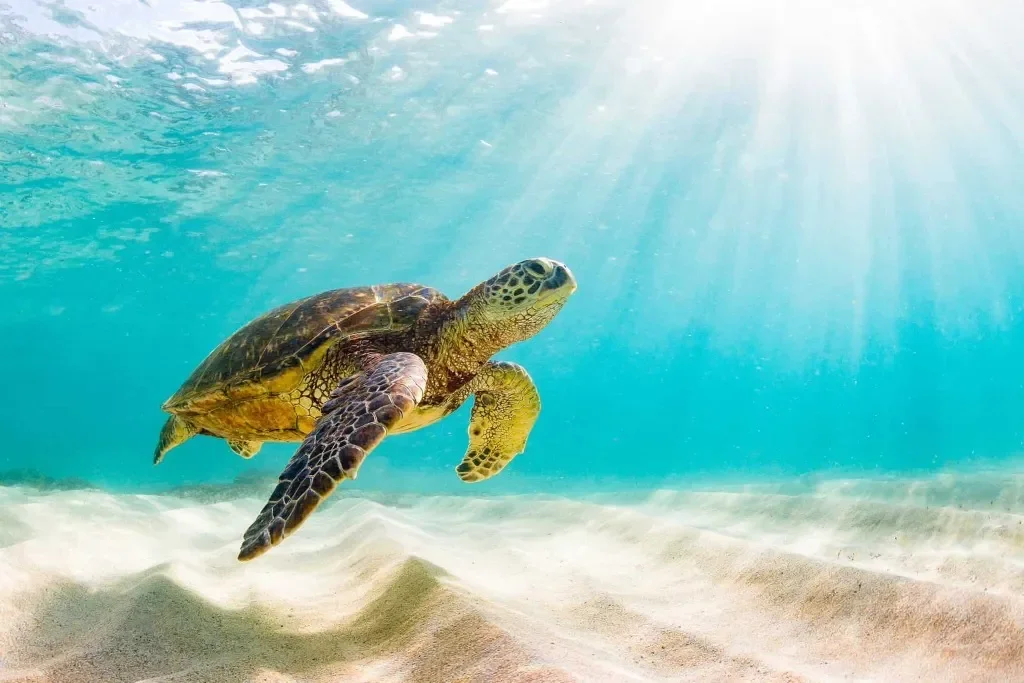
Dive Sites Near Arhf Juno Reef
View all dive sites in United StatesDiscover more underwater gems in this area.
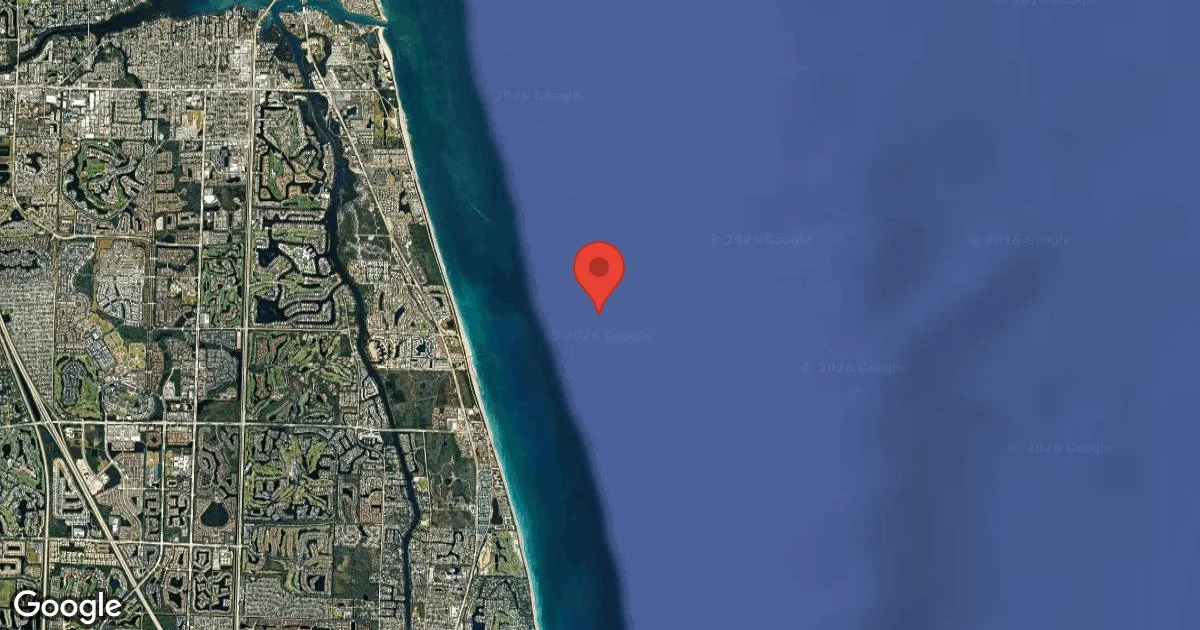
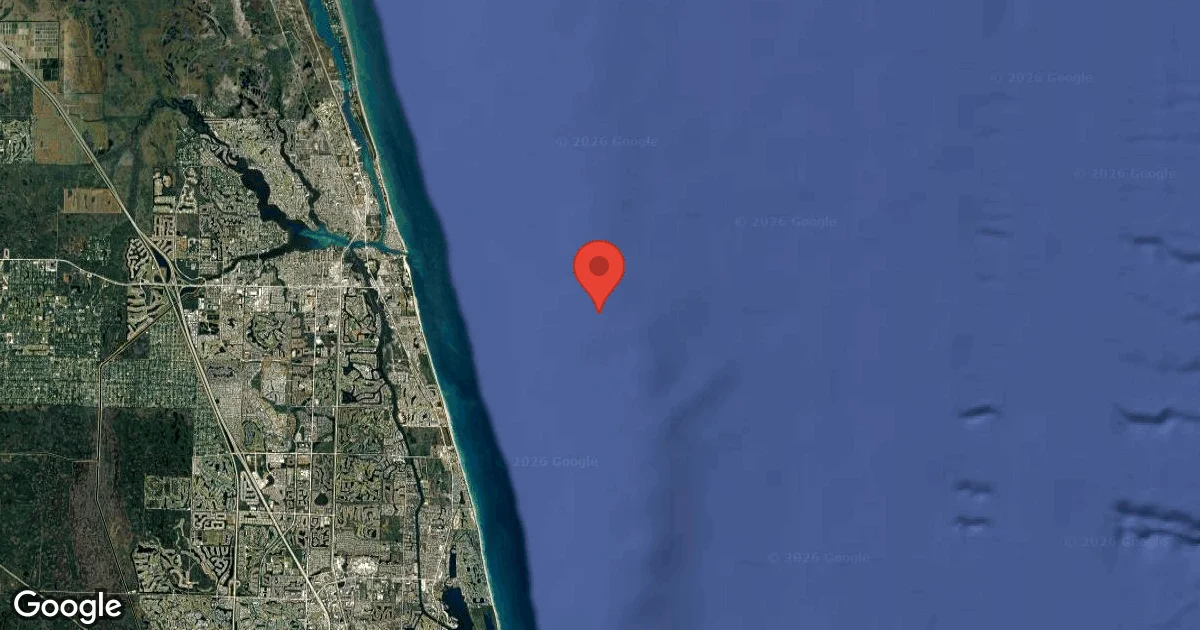
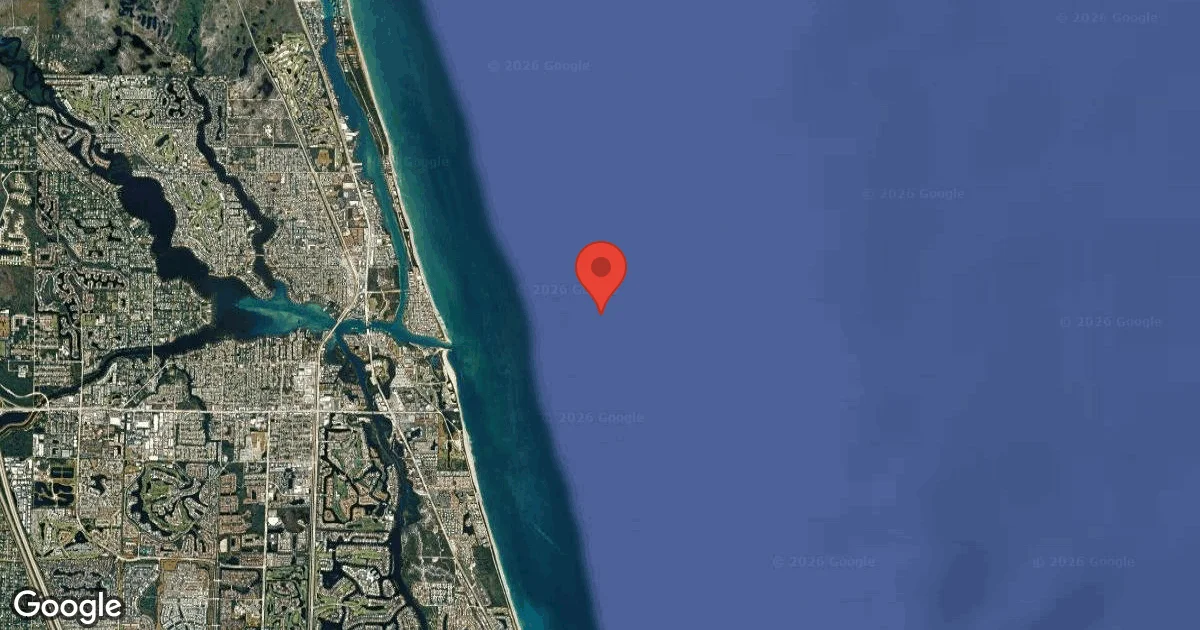
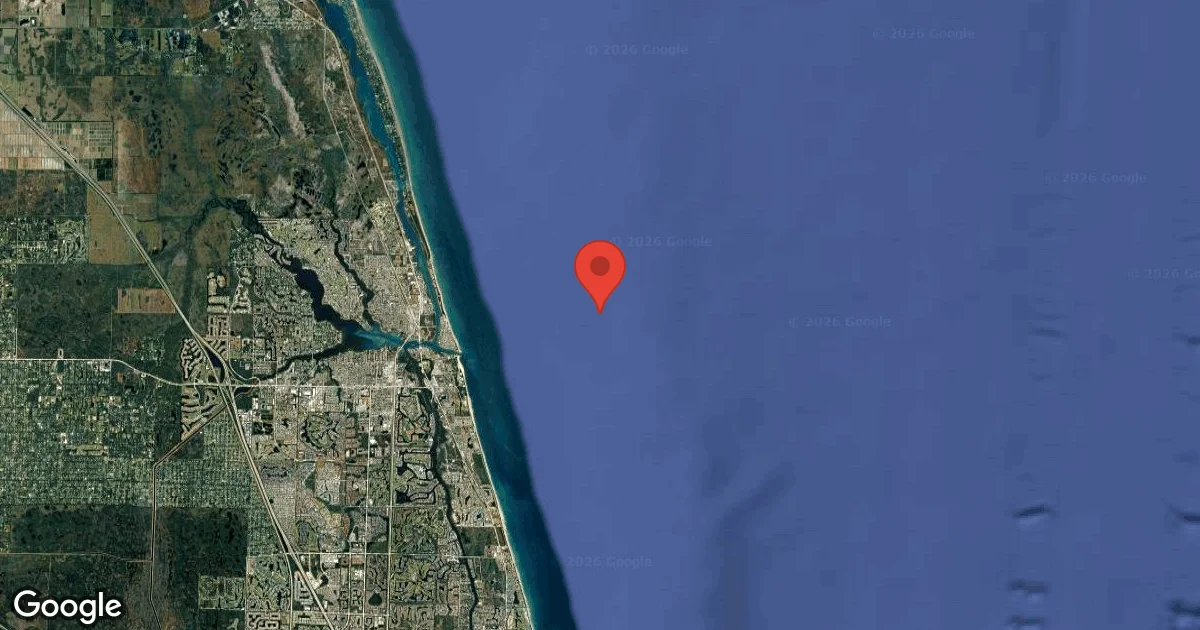
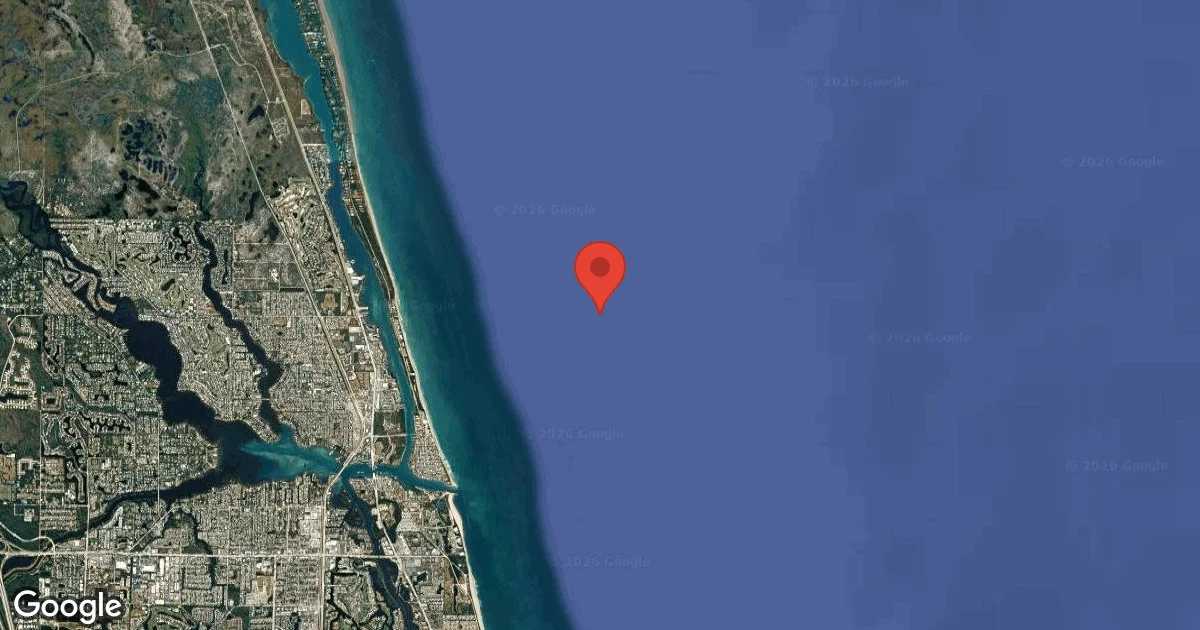
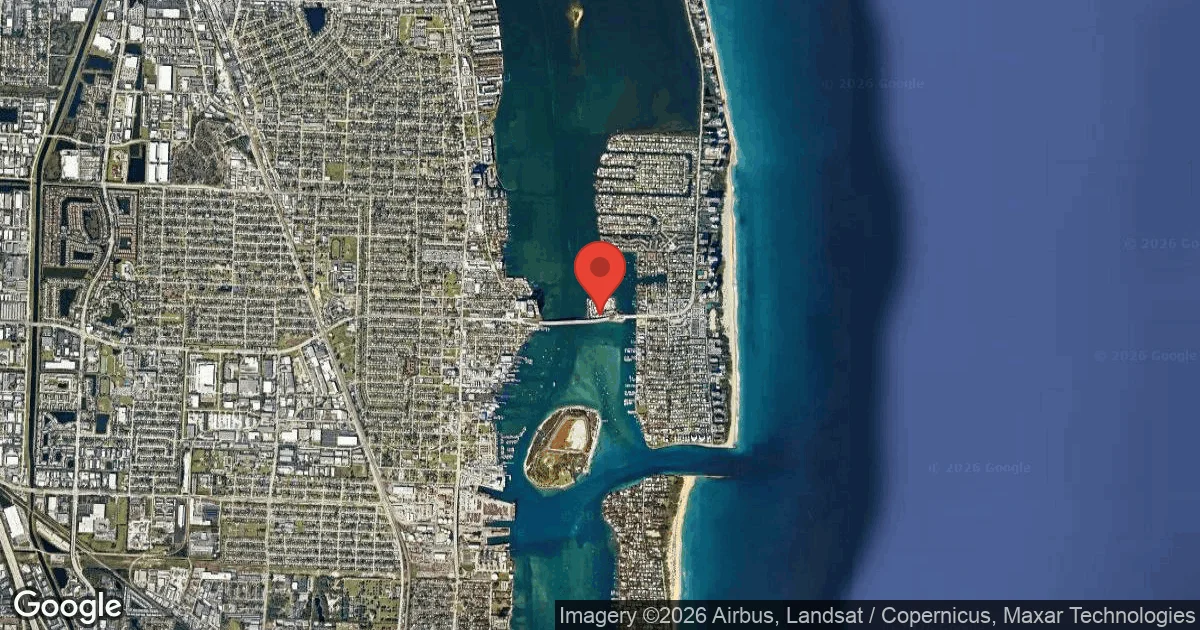
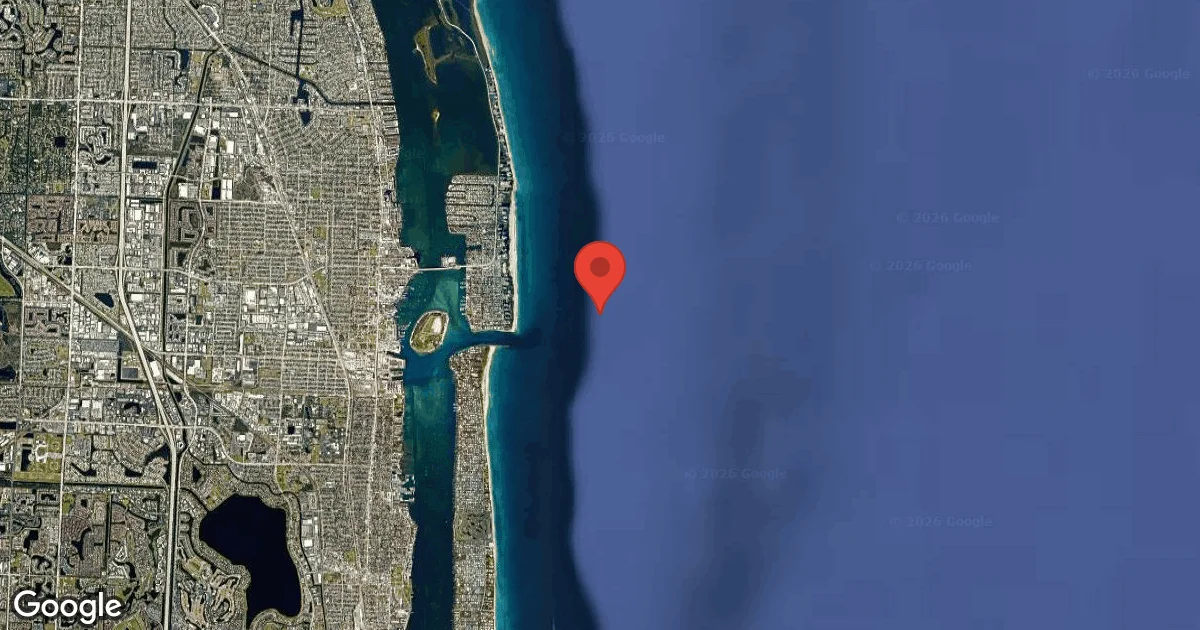
Dive Centers Near Arhf Juno Reef
Today: 08:00 - 18:00
Nearest Airports
Nearest airports to help plan travel to this dive area.
Search Flights
Check available flights and routes on Expedia, using the nearby airports listed in this section.
Search Flights on Expedia
Plan Your Stay
Looking for a place to stay for your dive trip? Explore hotels, stays, and vacation rentals for dive groups near Juno Beach.
Dive Navigator may earn a commission from these links at no extra cost to you.
Frequently Asked Questions
What is the typical depth range for diving at Juno Reef?
Juno Reef features a varied depth profile, with a top ledge around 20-21 m (65-70 ft) and a deeper ledge extending to 27 m (90 ft). Most dives at this site will stay within this recreational depth range.
Is Juno Reef suitable for all skill levels?
The site is generally recommended for certified Open Water divers due to the potential for strong currents and its maximum depths. Divers should be comfortable with drift diving techniques and managing currents.
What kind of marine life can I expect to see at Juno Reef?
Juno Reef is known for encounters with Caribbean reef sharks, various sea turtles including green and loggerhead species, barracuda, and other reef fishes. Spotted eagle rays and hammerheads are also occasionally sighted.
How strong are the currents at Juno Reef?
Currents can range from moderate to brisk, often running north. This makes Juno Reef an excellent drift dive, allowing divers to cover significant sections of the reef. Dive operators usually plan dives to account for these conditions.
What are the typical water temperatures at Juno Reef?
Water temperatures at Juno Reef generally range from 22-28°C (72-82°F) throughout the year, with the warmer temperatures typically observed during the summer months from June to September.
Is it possible to see sharks without baiting at this site?
Yes, Juno Reef, particularly the Shark Canyon section, is known for natural shark encounters. Caribbean reef sharks are frequently observed swimming freely without any baiting activities, offering an authentic experience.
Planning to dive Arhf Juno Reef?
Send one inquiry and receive offers directly from the best verified local dive operators.
Conditions are Good
Optimal conditions expected
Current conditions near Arhf Juno Reef show 25° air, 31° sea temperature, 0.9 m waves, and 12 km/h wind. Forecast data is refreshed regularly to ensure accuracy.