
Diving at Hastings Reef (Australia)
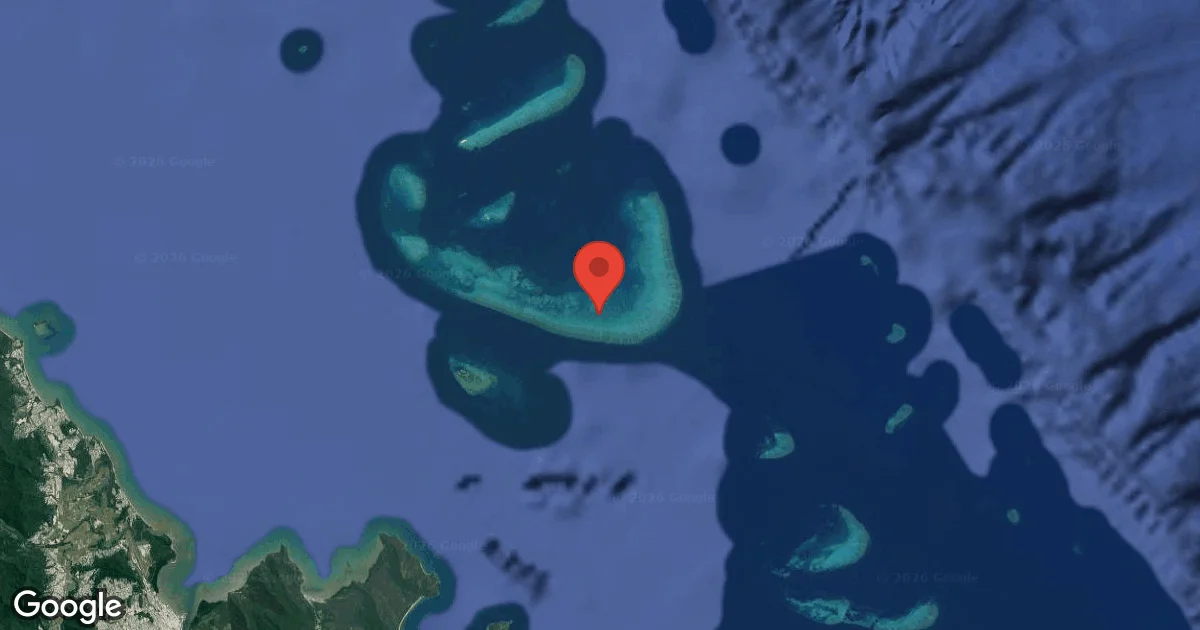
Situated on the outer edge of the Great Barrier Reef, Hastings Reef spans 10 square kilometers (3.6 square miles) and presents a varied underwater topography. Depths reach a maximum of 20 meters (65 feet), suitable for both snorkelers and divers of all certification levels. The subaquatic landscape includes extensive coral formations, natural swim-throughs, and scattered bommies. Reliable visibility typically ranges from 18 to 30 meters (60 to 100 feet), with water temperatures generally between 24-30°C (75-86°F).
As evening covers Hastings Reef, the local air temperature is measured at 23.5°C. The current wave height at the surface is recorded at 1.4 m. These late-day readings characterize the surface conditions for the night.
Dive Site Location & Key Facts
Dive Site Overview
What makes Hastings Reef an engaging dive destination is its extensive and varied structure, supporting a diverse ecosystem across 10 square kilometers. Topography features distinct walls on either side of some sites, which deepen towards the points, creating areas where currents may be stronger.
These deeper sections often host different species adapted to varying flow. A shallow bay often provides calmer conditions, ideal for leisurely exploration, especially for less experienced divers. Divers can explore numerous large coral bommies, including Sandra's Peaks, which form a valley with a narrow swim-through and an unusual tree trunk wedged between them.
Beyond these peaks, sandy bays provide a different habitat, often home to different macro life and bottom dwellers. Corals, including large arrays of harder corals and extensive staghorn varieties, cover much of the reef, even extending into its caves.
These formations create intricate shelter for reef fish. Smaller, scattered bommies in slightly deeper waters offer additional exploration for more experienced divers, showcasing varied macro life and fish schools.
Many sections present opportunities for spotting nudibranchs and smaller crustaceans among the coral heads.
Conditions are Moderate
High Wind Advisory (44km/h). Unsafe surface.
Current conditions near Hastings Reef show 23° air, 24° sea temperature, 1.5 m waves, and 44 km/h wind. Forecast data is refreshed regularly to ensure accuracy.
Best Time to Dive
Planning a trip to Hastings Reef is most favorable during October and November, when conditions generally align for optimal diving experiences. During these months, the average air temperatures are comfortable, around 25°C (77°F) in October and 26.5°C (80°F) in November. Rainfall is notably low, with averages of 0.708 mm and 0.762 mm respectively, contributing to better visibility. Wave heights are typically minimal, at about 0.9 meters (3.0 feet) in October and 0.7 meters (2.3 feet) in November, alongside lower wind speeds around 29 km/h (18 mph) to 25 km/h (15.5 mph). While other months like January, February, April, and December also present good dive scores, they tend to have higher average rainfall and wind speeds. The winter months from June to September offer lower air temperatures, around 23-24°C (73.4-75.2°F), with moderate dive scores and slightly higher waves.
PEAK SEASON SCORE
Scores combine air & water temps, waves, wind & rainfall for overall conditions.
BEST MONTHS TO DIVE
Monthly records compiled from satellite and marine observation nodes over the last 3 years. Data provided by Open-Meteo and MET Norway.
Dive Experience & Conditions
Entry to Hastings Reef sites is exclusively by boat, typically mooring in proximity to key features. Conditions encountered can vary; however, visibility remains reliably excellent, consistently reported between 18-30 meters (60-100 feet). Water temperatures are comfortably warm, ranging from 24-30°C (75-86°F). The reef caters to a wide spectrum of diver experience, from shallow reef areas perfect for snorkeling to deeper walls and scattered bommies that reach the maximum depth of 20 meters (65 feet). Tidal currents can sometimes be swift, particularly near points or around formations like Sandra's Peaks. Divers should anticipate a diverse topography that includes both gradual slopes and steep banks transitioning into deep walls.
Dive Difficulty & Safety Guidelines
Diving at Hastings Reef requires awareness of varying conditions to ensure a safe experience. Certain areas, such as the points and specific features like Sandra's Peaks, can experience stronger or swift tidal currents; divers should assess these conditions prior to entry. While exploring the numerous swim-throughs and caves, maintaining excellent buoyancy control is essential to protect the delicate coral structures.
A maximum depth of 20 meters (65 feet) makes it suitable for recreational divers. For those looking to maximize their bottom time, PADI Enriched Air Diver training could be beneficial. Always dive with a buddy and respect marine life by observing without touching.
Recommended Equipment
- Dive Computer
- DSMB
This gear list is based on verified equipment signals for Hastings Reef, Australia. Always confirm final gear choices with your dive operator, guide, or liveaboard.
Recommended Dive Suit
3-5mm wetsuit is frequently recommended by dive operators for conditions like these. Consider warmer surface protection (like a boat coat) due to brisk winds. Those diving at Hastings Reef today will likely encounter water temperatures in the region of 24°C (75°F). Surface air temperatures are resting at 23°C (74°F).
Forecast trends indicate little change in overall diving conditions during the next few days.
Even small thermoclines can occasionally cause noticeable changes in water temperature.
Emergency & Medical Support
Essential information to help you plan your dive trip to Hastings Reef.

Hyperbaric chambers are a critical part of dive safety infrastructure. Availability varies significantly by region, and not all dive areas have immediate access.
Before diving, it's recommended to:
- confirm nearest medical facilities
- check emergency procedures with local dive operators
- ensure dive insurance covers evacuation if required
Divers Alert Network
Diving emergency assistance available through DAN World.
+1-919-684-9111- 24/7 emergency hotline
- Diving medical assistance
- Evacuation coordination
Emergency contacts are provided for reference. Always verify local emergency services before diving.
Marine Life at Hastings Reef
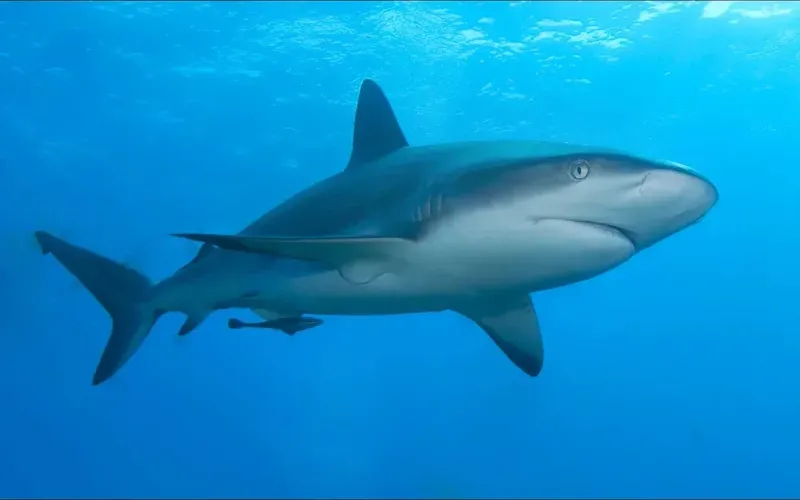
Hastings Reef hosts a vibrant array of marine life across its diverse habitats. Divers might encounter large pelagic species, with sharks and rays occasionally passing through.
Numerous fish schools inhabit the reef, including butterfly fish, damsel fish, and the distinctive diagonally banded sweetlips. You'll find different types of anemone fish nestled among their hosts.
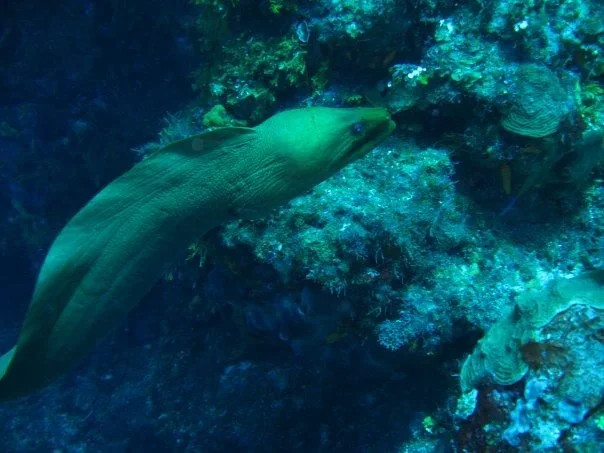
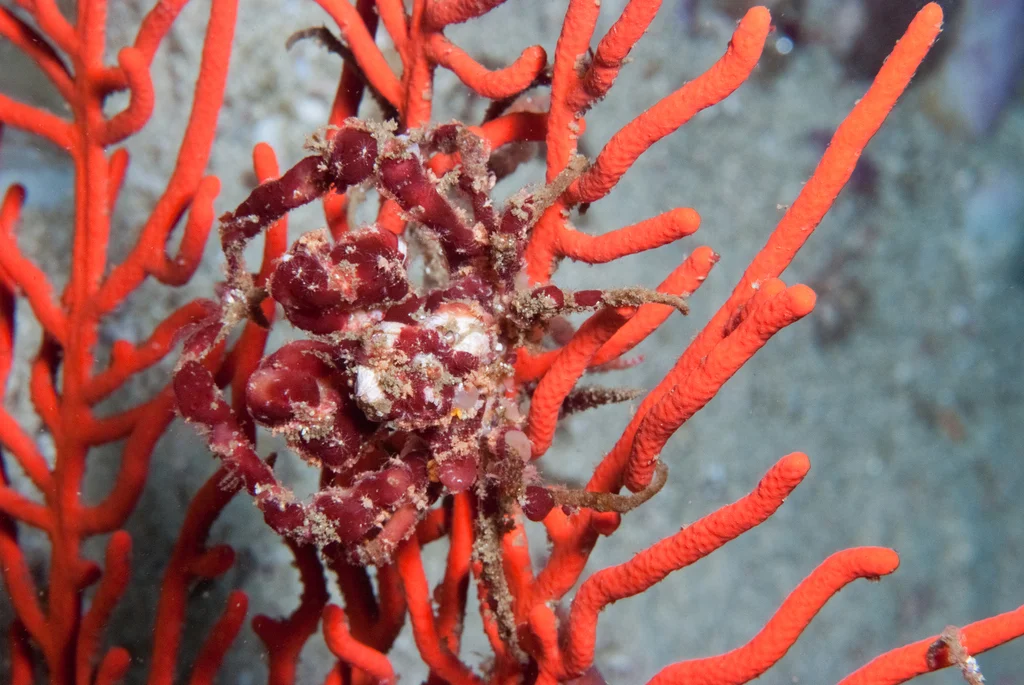
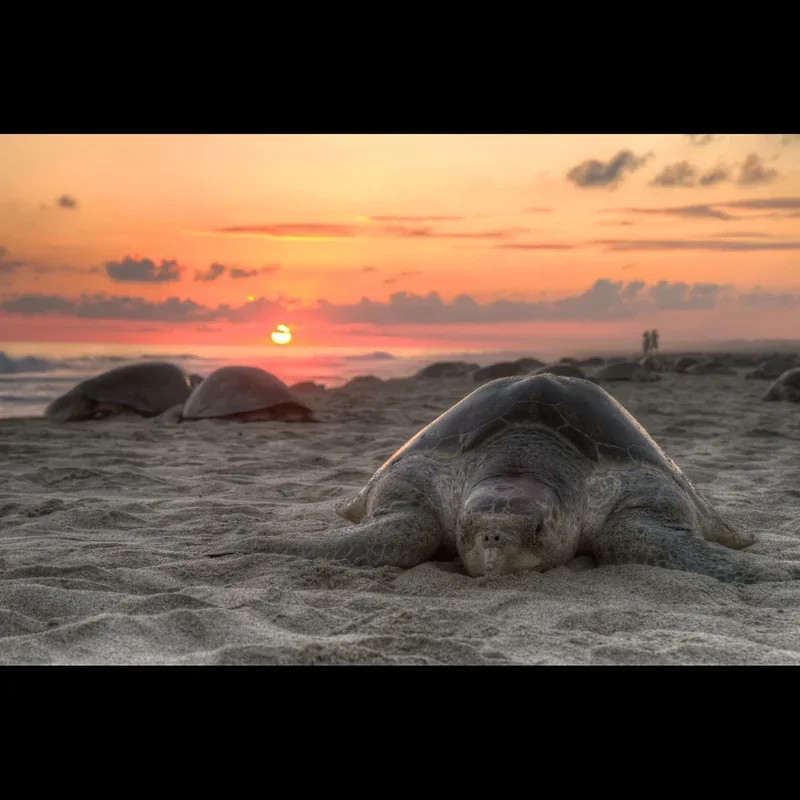
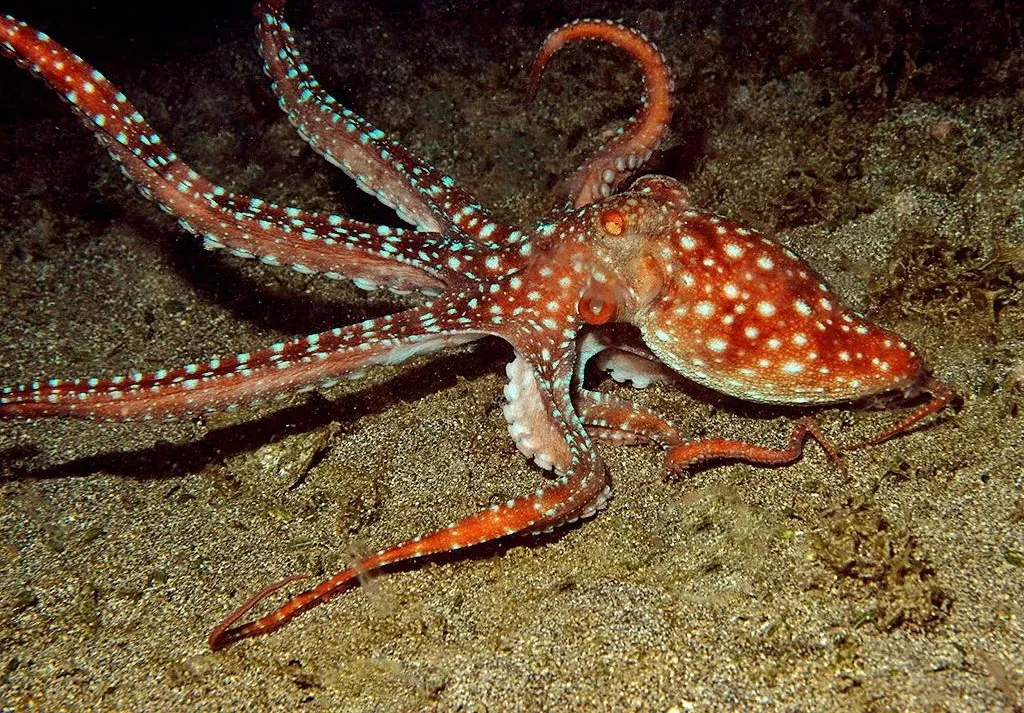
Keep an eye out for macro life like nudibranchs covering coral crevices, anemone shrimp, and hairy spider crabs. Rarer finds include sand stars in specific areas and pygmy seahorses camouflaged in seagrass. Moray eels are often seen in holes near mooring blocks, and wobbegong sharks may be tucked under ledges. Giant clams, sea turtles, octopuses, and small reef sharks are also commonly sighted.
Dive Sites Near Hastings Reef
View all dive sites in AustraliaDiscover more underwater gems in this area.
Dive Centers Near Hastings Reef
Today: Closed
Nearest Airports
Nearest airports to help plan travel to this dive area.
Search Flights
Check available flights and routes on Expedia, using the nearby airports listed in this section.
Search Flights on ExpediaFrequently Asked Questions
What is the maximum diving depth at Hastings Reef?
Hastings Reef offers a maximum diving depth of 20 meters (65 feet). This depth range makes it accessible for most certified recreational divers and suitable for a variety of skill levels.
What kind of visibility can be expected at Hastings Reef?
Visibility at Hastings Reef is reliably clear, typically ranging from 18 to 30 meters (60 to 100 feet). This excellent visibility enhances the experience of exploring the reef's extensive coral formations and marine life.
Are there strong currents at Hastings Reef?
Currents at Hastings Reef can vary; they may be stronger at the points of certain sites and tidal currents can sometimes be swift, particularly around features like Sandra's Peaks. Divers should be prepared for potentially dynamic conditions in these specific areas.
What types of coral can be found there?
Hastings Reef features a significant coral cover, including large arrays of harder corals and extensive staghorn coral varieties. These formations provide shelter and habitat, even extending into the reef's numerous caves.
Is Hastings Reef suitable for snorkelers?
Yes, Hastings Reef is well-suited for snorkelers due to its very shallow reefs and numerous coral bommies that are close to the surface. The shallow bays surrounded by coral provide excellent opportunities for observing marine life from above.
What unique topographical features does Hastings Reef offer?
Hastings Reef presents an unusually varied topography, including distinct walls, shallow sandy bays, and notable coral bommies. Sandra’s Peaks, for example, consists of two bommies with a narrow swim-through and a large tree trunk wedged between them, providing an interesting exploration point.
Planning to dive Hastings Reef?
Send one inquiry and receive offers directly from the best verified local dive operators.
Conditions are Moderate
High Wind Advisory (44km/h). Unsafe surface.
Current conditions near Hastings Reef show 23° air, 24° sea temperature, 1.5 m waves, and 44 km/h wind. Forecast data is refreshed regularly to ensure accuracy.