
Diving at SS Thistlegorm (Egypt)
For certified wreck enthusiasts, the SS Thistlegorm presents an unparalleled submerged museum. This British cargo steamship, sunk in 1941, remains largely intact, offering an extraordinary window into World War II maritime history. Its holds are still filled with wartime cargo, making each exploration a journey through time for those prepared for deeper, more intricate dives.
As evening covers SS Thistlegorm, the local air temperature is measured at 27.5°C. The current wave height at the surface is recorded at 0.6 m. These late-day readings characterize the surface conditions for the night.
Dive Site Location & Key Facts
Dive Site Overview
The SS Thistlegorm tells a compelling story of wartime sacrifice, lying on the seabed near Ras Muhammad National Park. Built in 1940, this 126.5 m / 415.1 ft British cargo steamship was on a mission to deliver vital military equipment to Allied forces when German bombers brought her down in October 1941.
Today, divers explore her four holds and expansive deck, which are replete with relics of a bygone era, remarkably preserved in the Red Sea's clear waters. Hold No. 1 reveals rows of boots and motorcycles, neatly stowed away as if awaiting delivery.
Further into Hold No. 2, divers discover an impressive array of trucks, armored vehicles, additional motorcycles, Wellington boots, rifles, and even aircraft parts like wings, engine exhaust rings, and cylinders.
Two steam locomotives, intended for the Egyptian Railways, lie off the port side, having been violently blown clear during the sinking. Penetrating the wreck requires appropriate training and careful planning, as the cargo-filled compartments create a complex, overhead environment, demanding respect and expertise.
The stern section, including the intact anti-aircraft gun and a 4-inch low-angle gun, offers a poignant reminder of her defensive capabilities against the air raid that ultimately sealed her fate.
Conditions are Good
High Wind Advisory (41km/h). Unsafe surface.
Current conditions near SS Thistlegorm show 27° air, 28° sea temperature, 1.0 m waves, and 41 km/h wind. Forecast data is refreshed regularly to ensure accuracy.
Best Time to Dive
While the Red Sea offers year-round diving opportunities, optimal conditions for the SS Thistlegorm often emerge outside the peak summer heat. Air temperatures can soar to 32-33.5°C (around July-August), making surface intervals intensely warm. Conversely, cooler months like January and February bring air temperatures around 18.5°C, offering a more comfortable experience topside. Dive scores remain consistently good throughout the year, but the windiest periods, often seeing speeds of 30-34 km/h (May through September), can create choppier surface conditions, with average wave heights ranging from 0.5 m in December to 0.9 m in August. Waters typically range from 22-27°C / 72-81°F, making a 5mm wetsuit a comfortable choice for most of the year.
PEAK SEASON SCORE
Scores combine air & water temps, waves, wind & rainfall for overall conditions.
BEST MONTHS TO DIVE
Monthly records compiled from satellite and marine observation nodes over the last 3 years. Data provided by Open-Meteo and MET Norway.
Dive Experience & Conditions
Descending onto the Thistlegorm, a palpable sense of history envelops you, creating an almost eerie atmosphere. Visibility is generally excellent, often exceeding 20 meters, though it can diminish inside the holds if silt is disturbed by careless fin kicks. Moderate currents are common, particularly on the bow and stern sections, requiring good buoyancy control and thoughtful dive planning to navigate the exterior effectively. The main deck of the wreck sits at around 24 meters, with the deepest point resting at approximately 30 m / 100 ft, allowing for ample bottom time with proper gas management. Exploring the interior brings a unique feeling of discovery, navigating between motorcycles, jeeps, and train wagons as if frozen in time. Light shafts pierce through openings in the deck, illuminating the cargo and adding a dramatic, almost theatrical quality to the experience within the darker compartments. The sheer scale and preservation of the cargo make this an immersive and unforgettable dive.
Dive Difficulty & Safety Guidelines
Navigating the interior of a historic wreck like the SS Thistlegorm presents distinct challenges that require advanced training and experience. Strong currents on the exterior can complicate entry and exit, necessitating careful descent and ascent planning. The wreck's overhead environment demands meticulous buoyancy control and awareness of silt to maintain visibility.
Penetration dives require specific certifications, as the holds are dark, enclosed, and filled with cargo, creating potential entanglement hazards. Always dive with a qualified guide familiar with the wreck and carry appropriate wreck diving equipment.
Adhering to established mooring lines and respecting the site's historical integrity contributes to its long-term preservation.
Recommended Equipment
Deep dive hazard. Increased narcosis and gas consumption risk.
Overhead / entanglement risk. Wreck penetration requires proper training.
- Dive Computer
- DSMB
- Primary & Backup Lights
- Wreck Reel
- Cutting Tool
This gear list is based on verified equipment signals for SS Thistlegorm, Egypt. Always confirm final gear choices with your dive operator, guide, or liveaboard.
Recommended Dive Suit
A warming trend is expected over the next few days. A warming trend is expected over the next few days.
Factors such as dive duration, depth, and activity level can influence how warm a diver feels underwater.
2-3mm shorty or light wetsuit typically balances flexibility and thermal protection in these temperatures. A hood or vest is suggested for sensitive divers due to surface winds. The surrounding waters at SS Thistlegorm are currently registering temperatures of roughly 28°C (82°F). Surface air temperatures are resting at 27°C (81°F).
Emergency & Medical Support
Essential information to help you plan your dive trip to SS Thistlegorm.

Hyperbaric chambers are a critical part of dive safety infrastructure. Availability varies significantly by region, and not all dive areas have immediate access.
Before diving, it's recommended to:
- confirm nearest medical facilities
- check emergency procedures with local dive operators
- ensure dive insurance covers evacuation if required
Divers Alert Network
Diving emergency assistance available through DAN Europe.
+39 0642115685- 24/7 emergency hotline
- Diving medical assistance
- Evacuation coordination
Emergency contacts are provided for reference. Always verify local emergency services before diving.
Marine Life at SS Thistlegorm
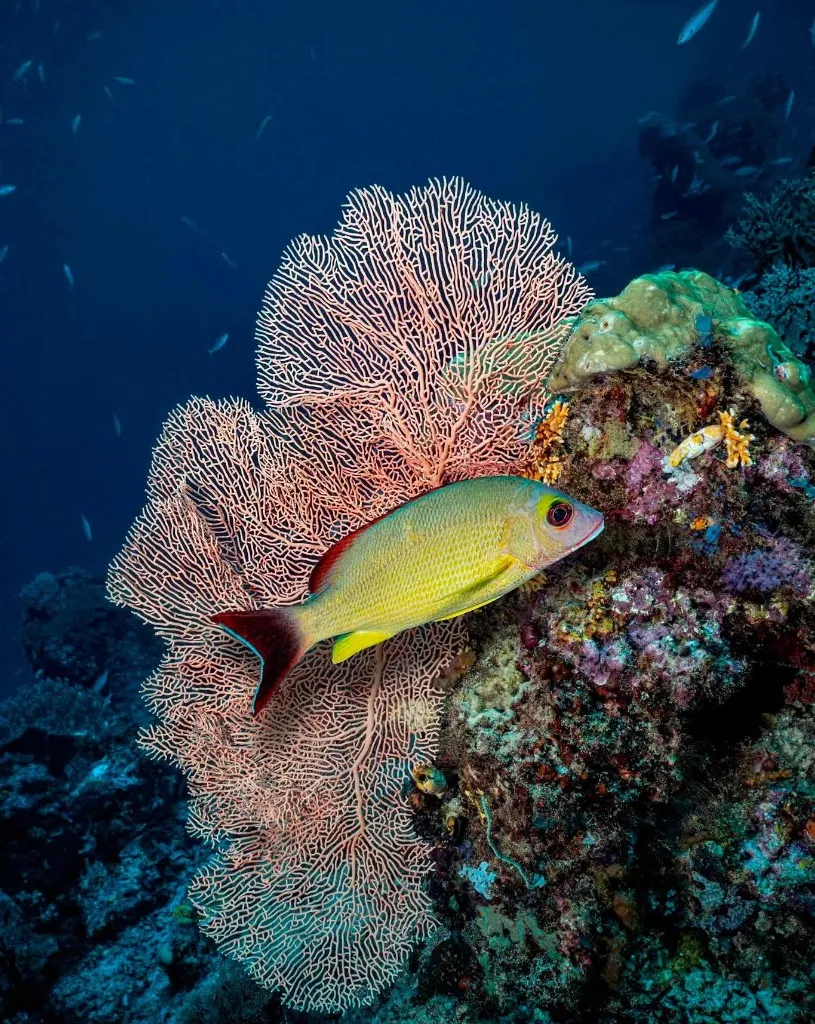
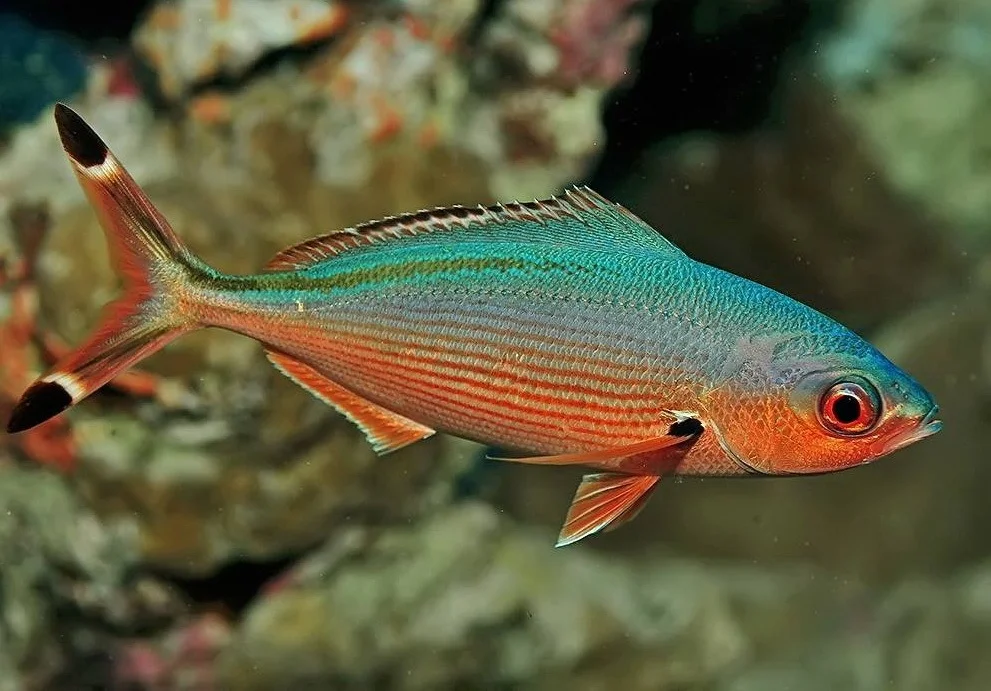
Beyond its historical significance, the Thistlegorm serves as a vibrant artificial reef, attracting a rich variety of Red Sea marine life that has colonized its structure over decades. Schools of snappers, fusiliers, and bannerfish often congregate densely around the wreck's superstructure, creating dynamic visual displays against the metal hull.
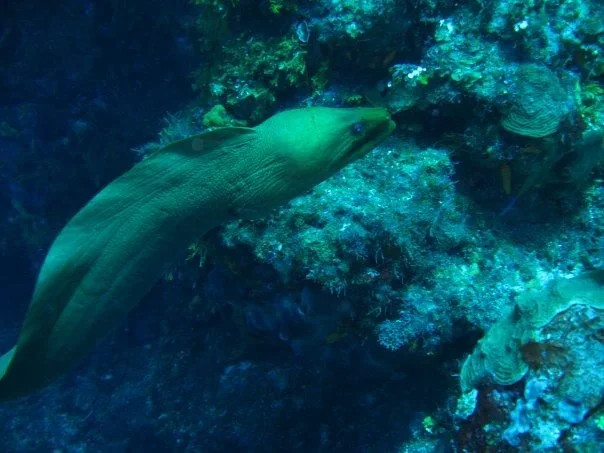
Patient divers can spot lionfish, frequently observed perched on various parts of the ship, along with resident groupers that have made the wreck's many nooks and crannies their home. Moray eels can often be spotted peering from hidden crevices, their heads swaying gently.
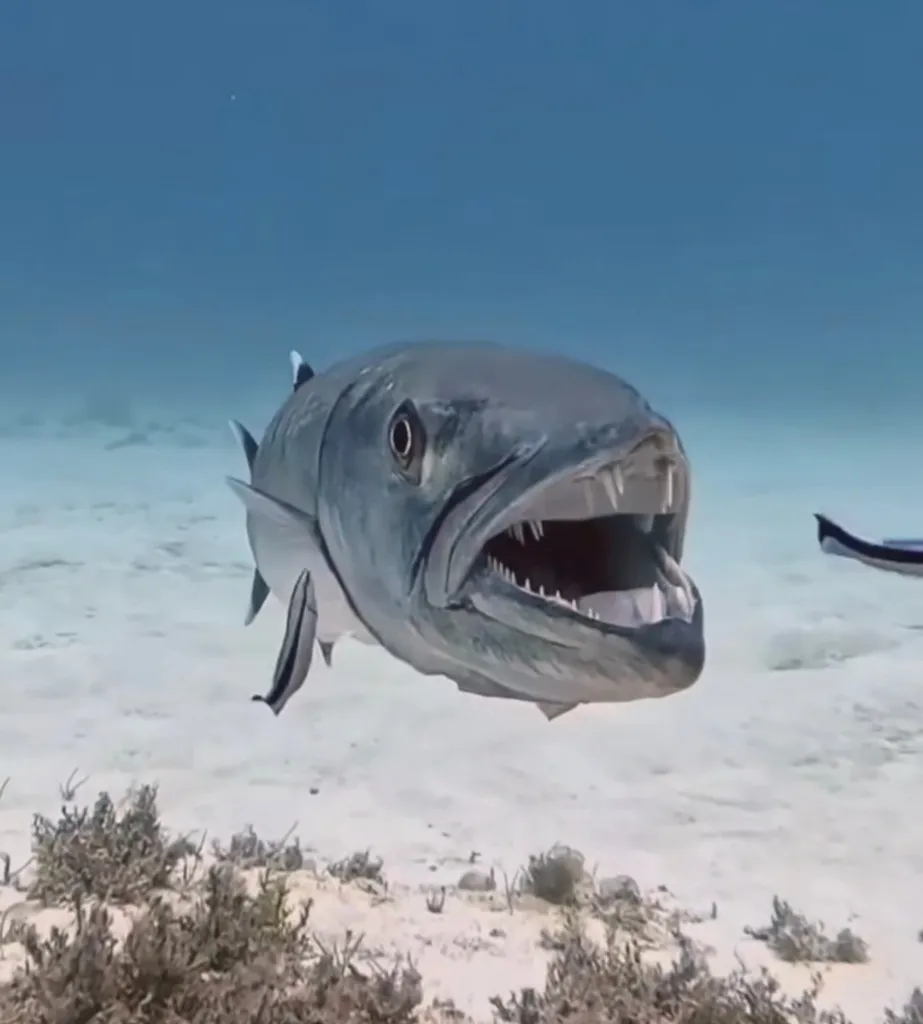
While less common, larger pelagic species like barracuda, tuna, or even occasional reef sharks are known to cruise past the site's deeper sections, adding an element of excitement to the dive.

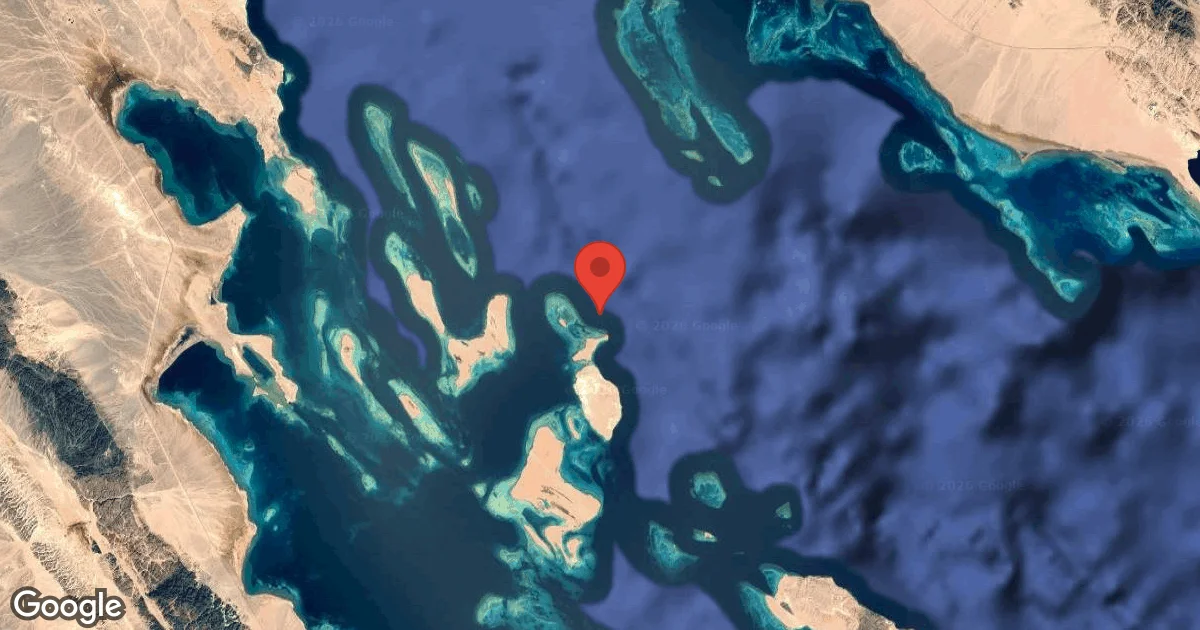
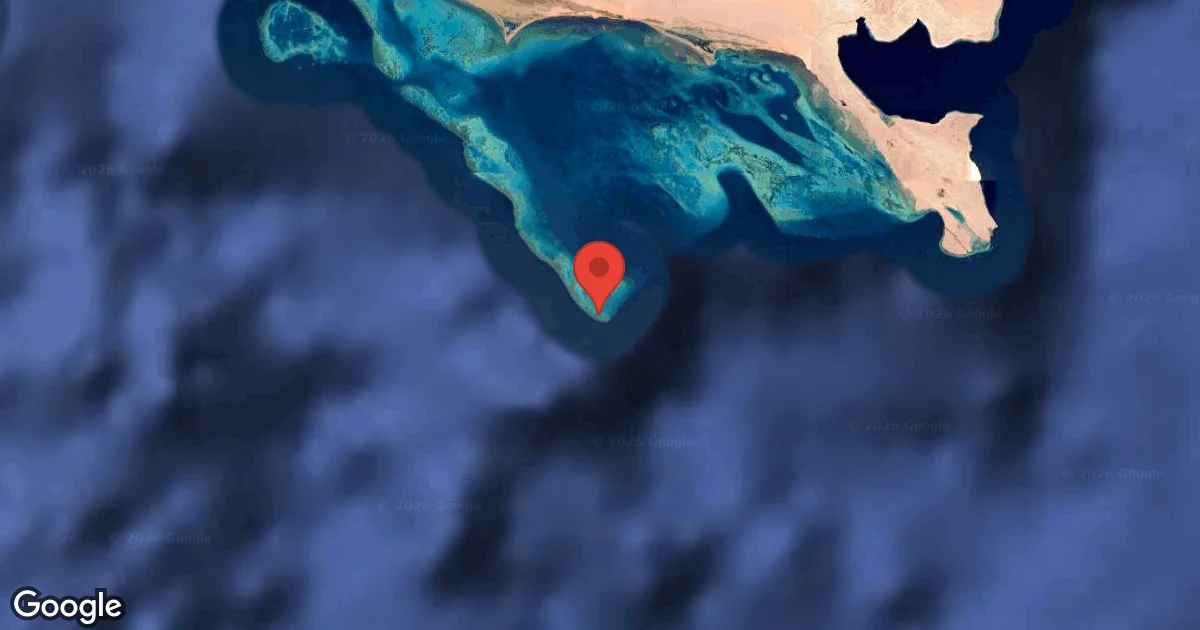
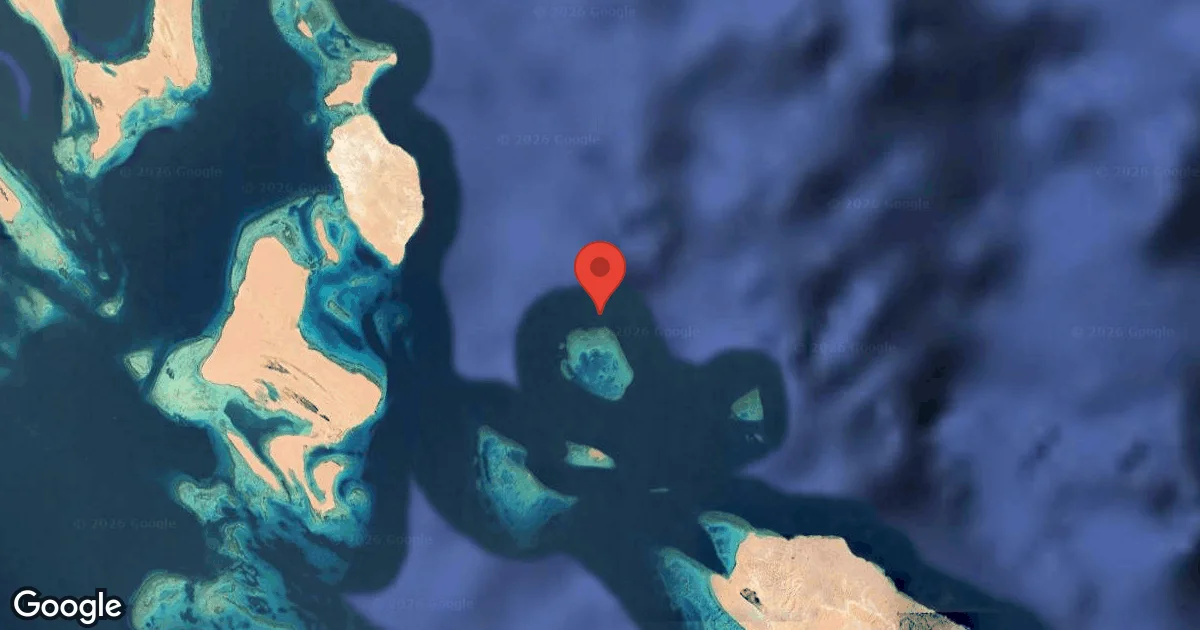
Dive Sites Near SS Thistlegorm
View all dive sites in EgyptDiscover more underwater gems in this area.
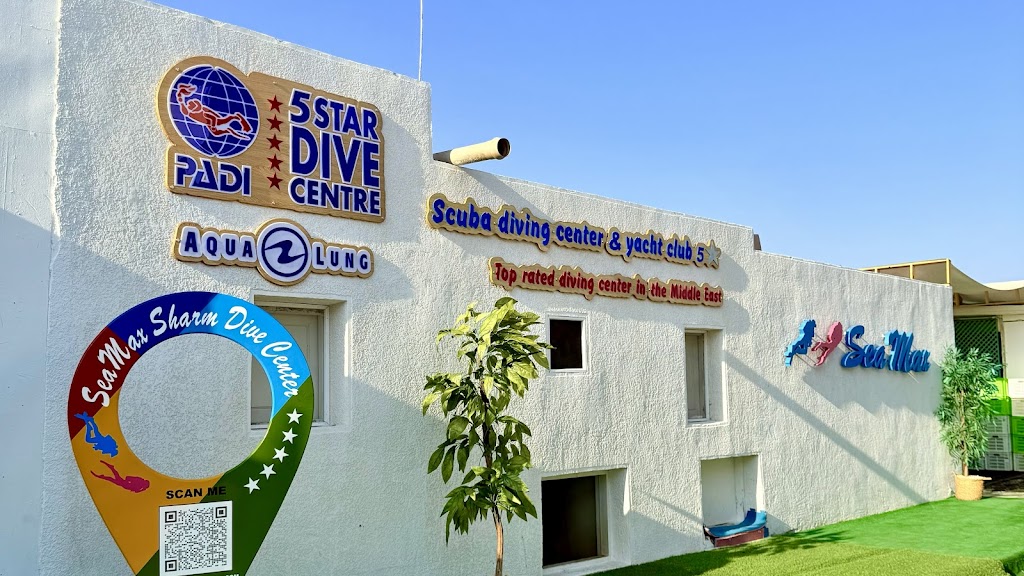
Dive Centers Near SS Thistlegorm
Today: 08:30 - 20:00
Nearest Airports
Nearest airports to help plan travel to this dive area.
Search Flights
Check available flights and routes on Expedia, using the nearby airports listed in this section.
Search Flights on ExpediaFrequently Asked Questions
What certification level is recommended for diving the SS Thistlegorm?
The Thistlegorm is generally recommended for Advanced Open Water divers or higher due to its depth and potential currents. For interior penetration, specialized wreck diving certification is required to safely explore its cargo holds.
How long is the journey to the SS Thistlegorm from Sharm El Sheikh?
The journey duration varies depending on the dive boat and sea conditions, but typically takes around three to four hours from Sharm El Sheikh. Many dive operators offer overnight trips to ensure early morning dives at the site.
What kind of cargo can be seen inside the wreck?
The Thistlegorm is packed with military supplies from WWII, including motorcycles, trucks, jeeps, armored vehicles, rifles, ammunition, aircraft parts, and Wellington boots. Two steam locomotives, intended for the Egyptian Railways, lie off the port side of the wreck.
Are there strong currents at the Thistlegorm?
Yes, currents can be moderate to strong, especially around the bow and stern sections of the wreck. Divers should be proficient in drift diving techniques and maintain good buoyancy control to manage these conditions effectively.
What is the water temperature like at the Thistlegorm?
Water temperatures in the Red Sea typically range from 22-27°C / 72-81°F throughout the year. A 5mm wetsuit is usually comfortable for most divers, with some preferring a thicker suit during the cooler winter months.
Is it possible to penetrate the wreck's interior?
Yes, experienced and certified wreck divers can penetrate the holds of the Thistlegorm. This requires advanced training due to the overhead environments, limited light, and potential for silt-outs within the cargo areas.
Planning to dive SS Thistlegorm?
Send one inquiry and receive offers directly from the best verified local dive operators.
Conditions are Good
High Wind Advisory (41km/h). Unsafe surface.
Current conditions near SS Thistlegorm show 27° air, 28° sea temperature, 1.0 m waves, and 41 km/h wind. Forecast data is refreshed regularly to ensure accuracy.