
Diving at Shark Point (Malaysia)
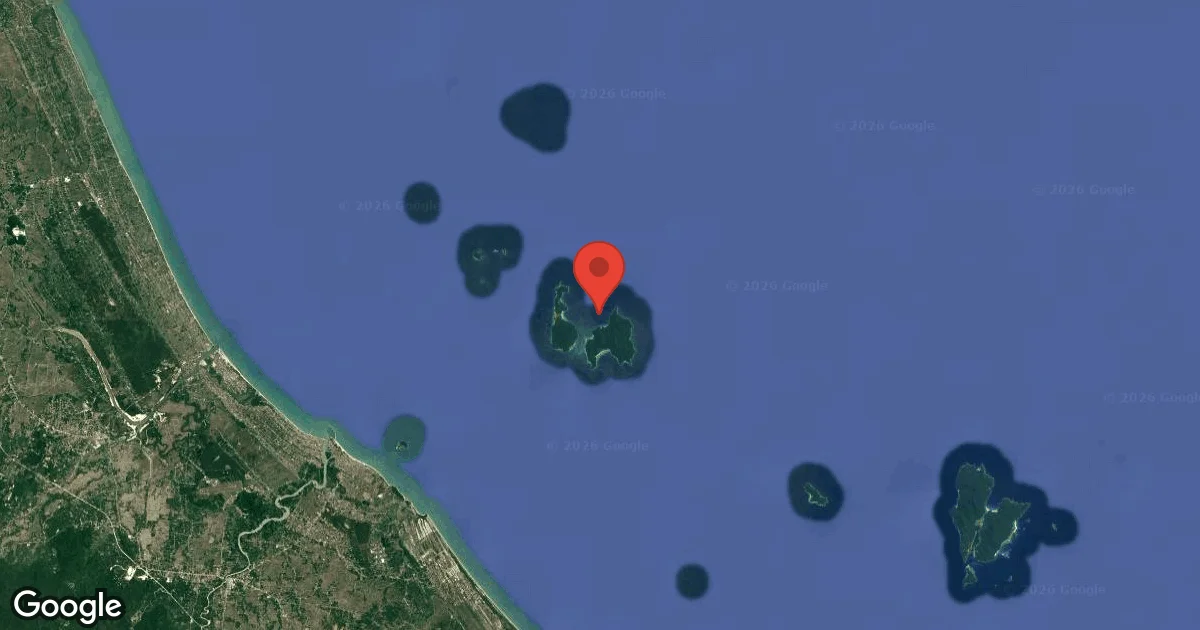
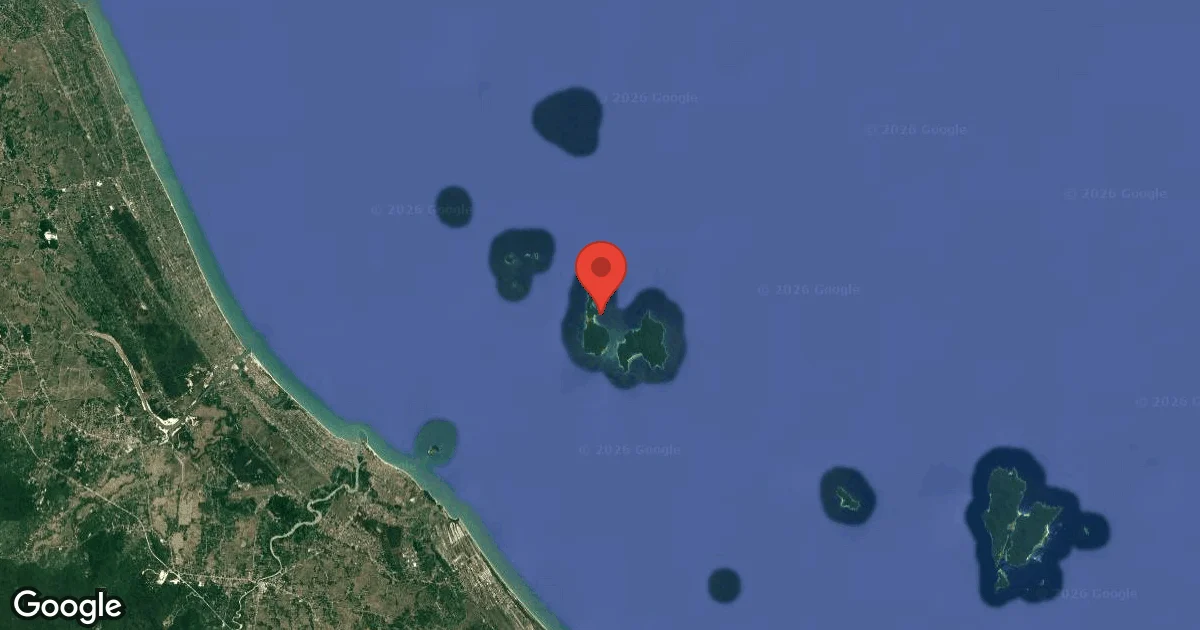
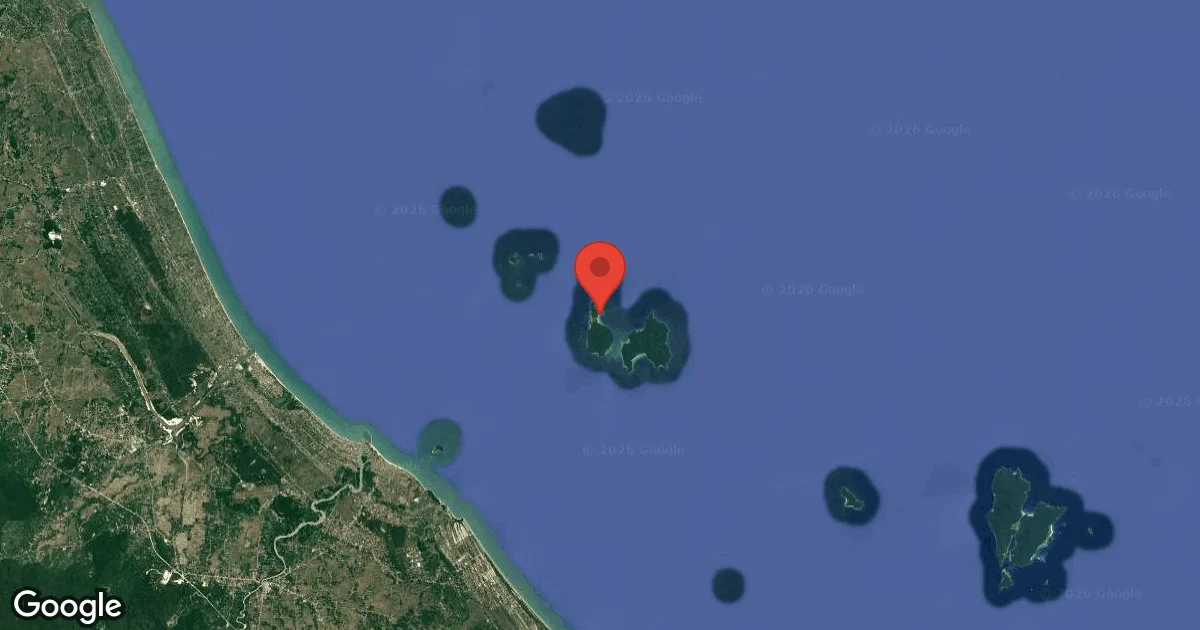
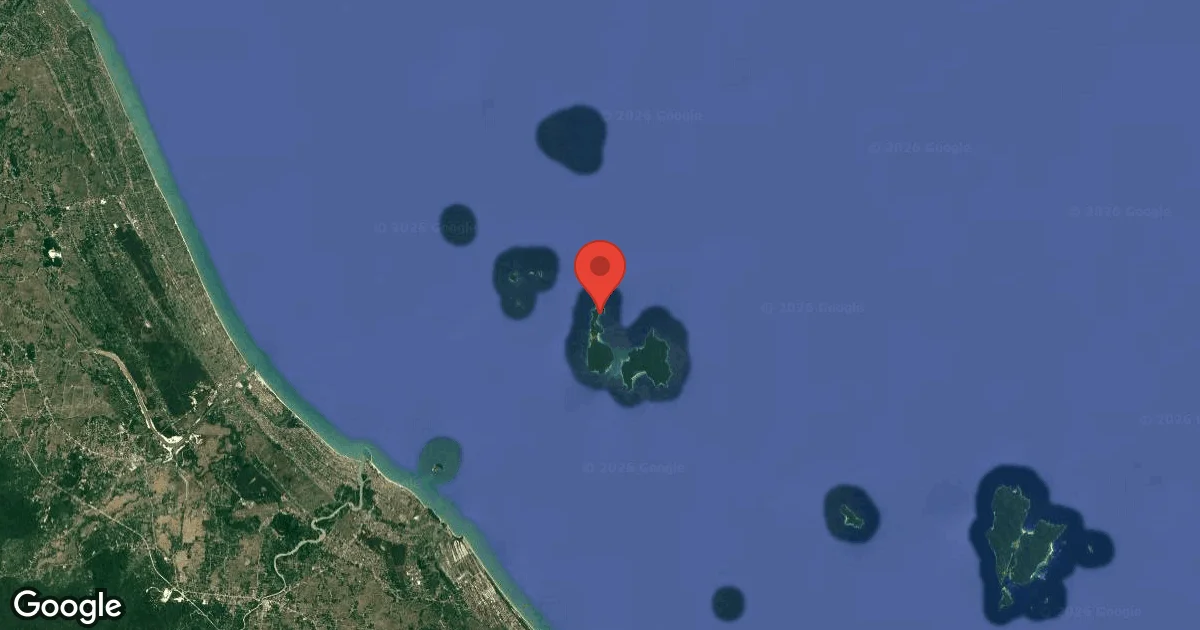
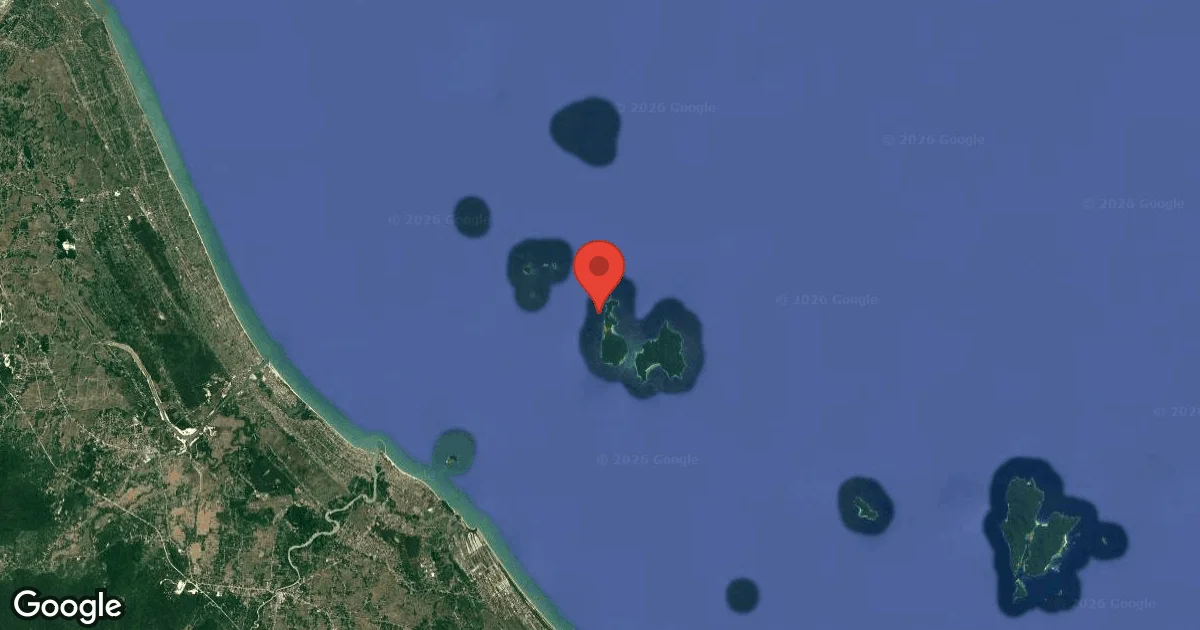
Shark Point is a versatile dive site located on the eastern side of Perhentian Besar's southernmost cape in Malaysia. It offers a range of depths, from shallower reef areas around 9 m (30 ft) to deeper sections that extend to a maximum of 30 m (100 ft). This makes it adaptable for divers exploring various recreational depths. Its reputation for blacktip reef shark encounters draws many, alongside healthy staghorn coral formations.
Evening condition tracking at Shark Point features an air temperature of 27°C. We have recorded wave heights measuring 0.2 m during this period. These figures outline the environmental parameters currently present.
Dive Site Location & Key Facts
Dive Site Overview
Shark Point's underwater terrain largely consists of extensive staghorn coral reef formations, interspersed with varied bottom compositions of coral, sand, and rock. Exploring this site involves navigating a relatively flat reef structure, tracing a gradual descent from shallower sections towards deeper areas.
Diverse reef sections cater to a wide range of experience levels, ensuring ample opportunity for both observation and photography. Positioned off the eastern side of Perhentian Besar's southernmost cape, the sprawling reef system encourages methodical exploration. Tracing the reef's contours reveals zones where vibrant hard corals thrive in abundance.
As one moves into deeper sections, the reef typically transitions into more open sandy patches, which are frequently interspersed with rocky outcrops. These serve as crucial shelters and hunting grounds for a diverse array of marine species.
Gentle slopes and occasional minor wall sections contribute significant structural interest, effectively preventing monotony during the dive. Reef structure truly defines the experience here, offering continuous visual discovery across varied depth gradients. Expect a relaxed yet compelling exploration of this extensive reef network.
Conditions are Good
Optimal conditions expected
Current conditions near Shark Point show 27° air, 31° sea temperature, 0.2 m waves, and 25 km/h wind. Forecast data is refreshed regularly to ensure accuracy.
Best Time to Dive
Optimal diving conditions at Shark Point are typically found between March and October, with June, July, and August often providing excellent scores. During these months, surface conditions are generally calmer, which positively impacts underwater visibility, often extending between 10 to 30 m (33 to 100 ft). Air temperatures during this period are pleasantly warm, averaging between 27.5°C and 29°C (81.5-84°F). Rainfall is also at its lowest, with values such as 1.9 mm (0.07 inches) in March and 4.3 mm (0.17 inches) in July, minimizing runoff that can affect water clarity. Conversely, the period from November to February sees increased rainfall, higher average wave heights, and stronger winds, which can lead to reduced visibility and choppier surface conditions. Water temperatures remain consistently warm, ranging from 24-30°C (75-86°F) year-round, so thermal comfort isn't usually an issue.
PEAK SEASON SCORE
Scores combine air & water temps, waves, wind & rainfall for overall conditions.
BEST MONTHS TO DIVE
Monthly records compiled from satellite and marine observation nodes over the last 3 years. Data provided by Open-Meteo and MET Norway.
Dive Experience & Conditions
Initiating a dive at Shark Point typically involves a boat entry, followed by a horizontal descent, particularly recommended when exploring shallower reef sections. Divers can expect mild to occasional moderate currents; some reports suggest up to 1-2 knots, so awareness of local conditions is prudent. Visibility at the site generally ranges from 10 to 30 m (33 to 100 ft), though this can vary with seasonal weather patterns and recent rainfall. Water temperatures remain consistently warm, between 24-30°C (75-86°F), providing comfortable diving conditions without significant thermal concerns. While shallower parts of the site are often described as beginner-friendly, deeper sections also appeal to intermediate divers. Reports typically indicate an absence of significant surge, contributing to a smoother underwater experience. A typical dive duration is around 45-50 minutes, allowing ample time to explore the expansive reef system.
Dive Difficulty & Safety Guidelines
Potential navigational hazards at Shark Point include boat traffic and snorkelers, particularly in the shallower reef sections. Maintaining situational awareness and signaling your position to surface craft, perhaps with a dive flag, is always advisable. While currents are generally mild, localized increases up to 1-2 knots can occasionally occur, necessitating good buoyancy control and careful dive planning.
Divers should diligently monitor air consumption and bottom time, especially when exploring deeper areas towards the site's maximum recreational depth. No specific permits are consistently reported as required for diving here, simplifying logistics.
Adhering to standard recreational diving practices, such as maintaining the buddy system and managing ascent rates, is crucial for a safe experience. Always maintain a respectful distance from marine life, including the resident blacktip reef sharks and turtles, observing them without disturbance to their natural behavior.
Recommended Equipment
- Dive Computer
This gear list is based on verified equipment signals for Shark Point, Malaysia. Always confirm final gear choices with your dive operator, guide, or liveaboard.
Recommended Dive Suit
Dive skin or rash guard is often considered an appropriate level of exposure protection for conditions like these.
Divers planning a dive at Shark Point today will likely encounter water temperatures close to 31°C (87°F). Surface air temperatures are resting at 27°C (80°F).
The upcoming forecast points to generally steady conditions in the area.
Due to technical issues with our weather providers, live updates are temporarily delayed. The data above reflects the conditions at the time of the last successful fetch.
Emergency & Medical Support
Essential information to help you plan your dive trip to Shark Point.

Hyperbaric chambers are a critical part of dive safety infrastructure. Availability varies significantly by region, and not all dive areas have immediate access.
Before diving, it's recommended to:
- confirm nearest medical facilities
- check emergency procedures with local dive operators
- ensure dive insurance covers evacuation if required
Divers Alert Network
Diving emergency assistance available through DAN World.
+1-919-684-9111- 24/7 emergency hotline
- Diving medical assistance
- Evacuation coordination
Emergency contacts are provided for reference. Always verify local emergency services before diving.
Marine Life at Shark Point
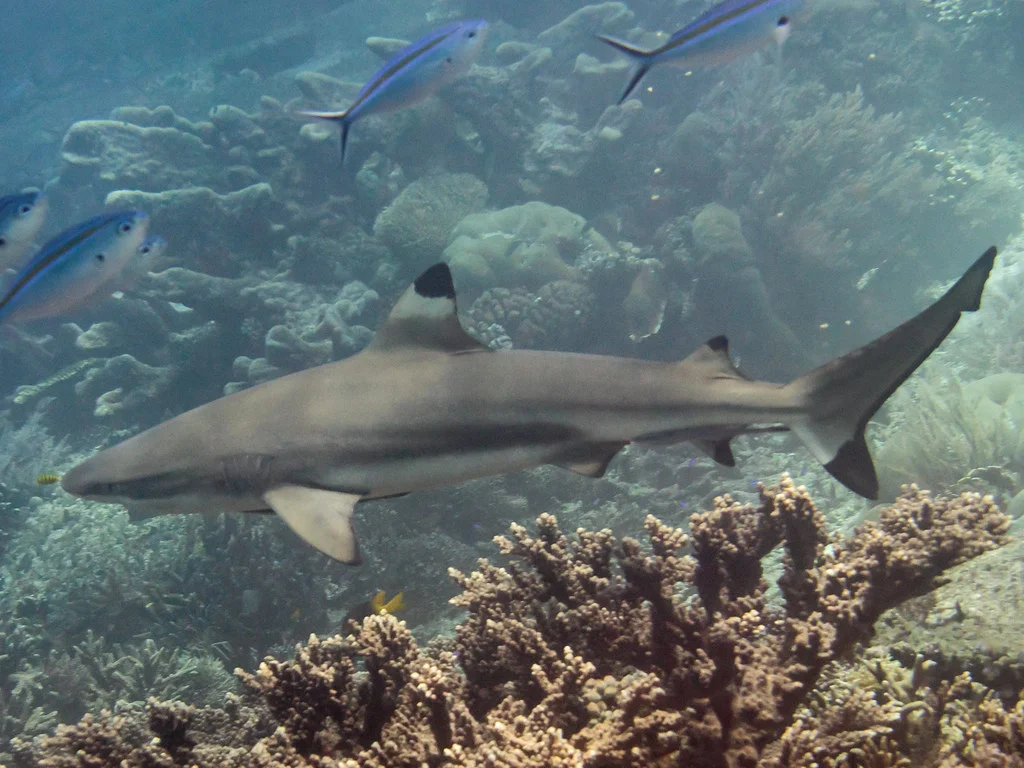
Upon entering the water at Shark Point, divers often immediately notice the significant population of blacktip reef sharks patrolling the staghorn coral reefs. These sharks are a consistent presence, frequently sighted in both shallow and deeper sections.
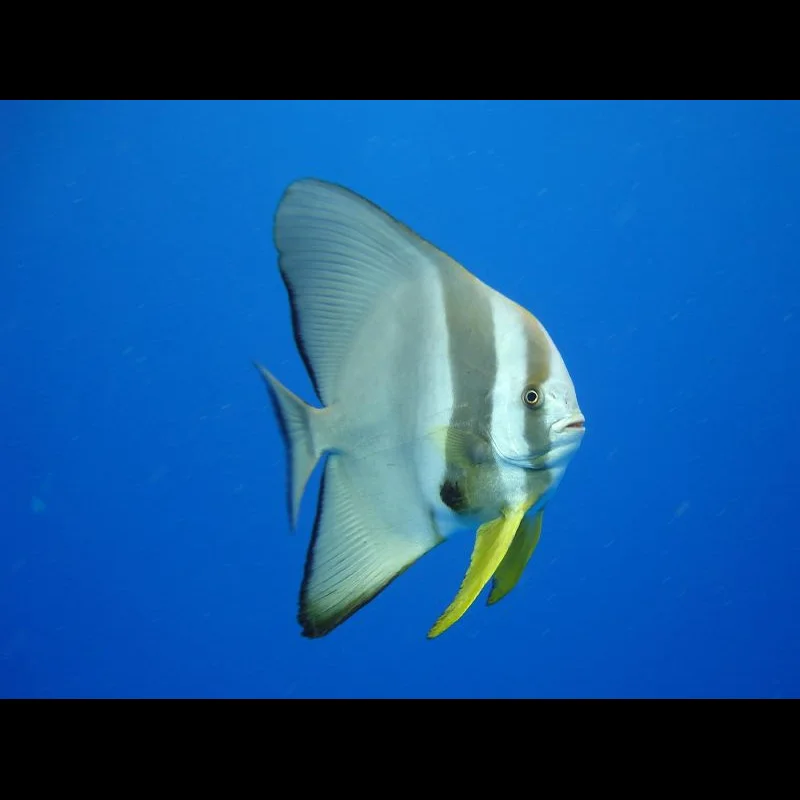
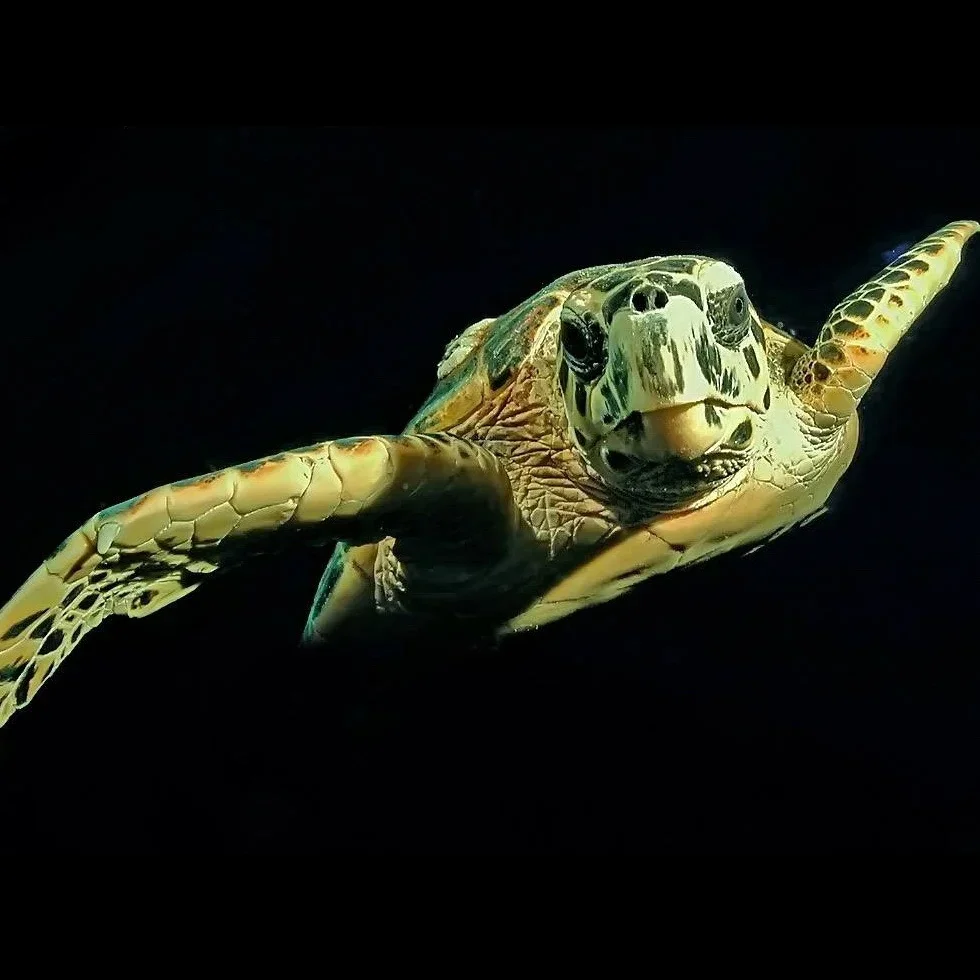
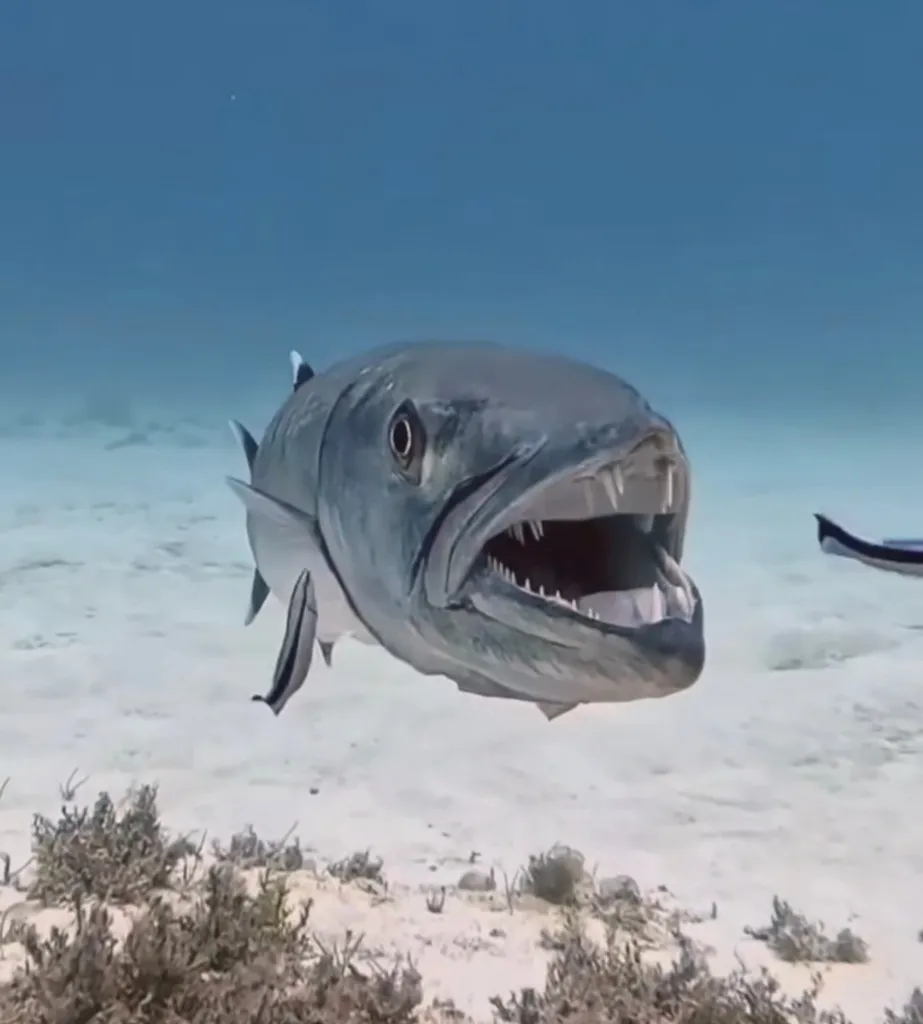
Beyond the sharks, the site is rich with other macro and pelagic species. Regular encounters include Hawksbill turtles, barracuda, and schools of batfish.
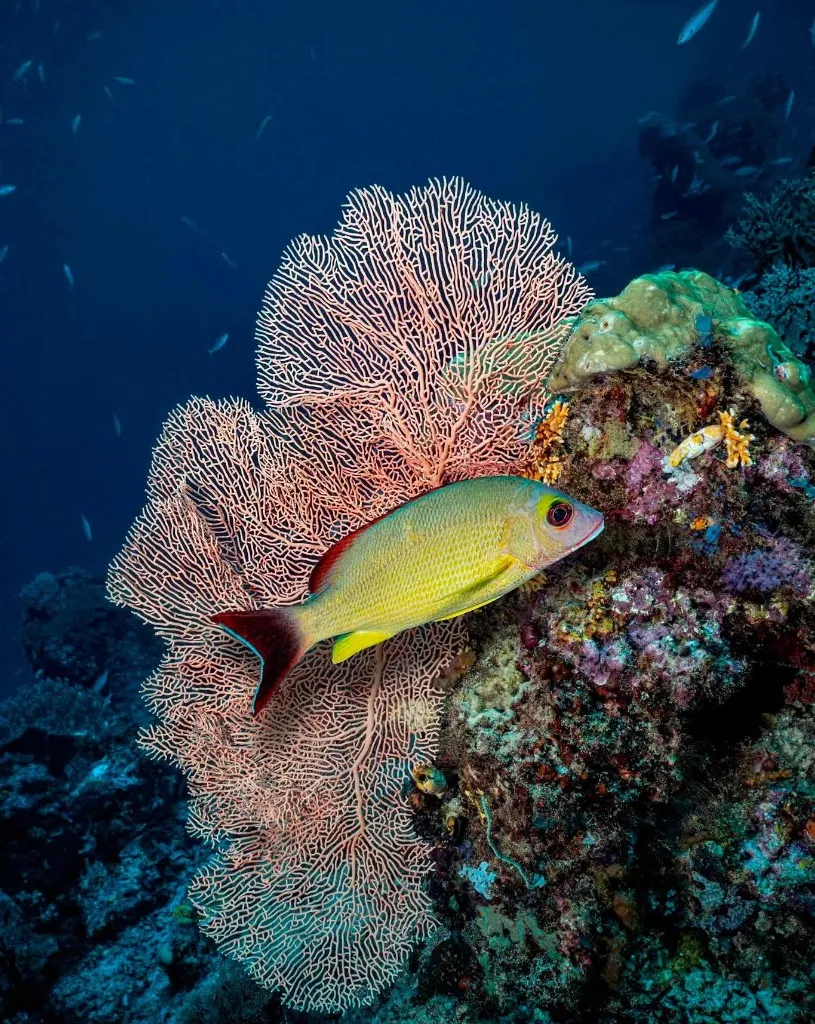
Look closer among the corals and you'll spot diverse reef fish like parrotfish, triggerfish, porcupinefish, and various wrasse. Shrimp, molluscs, and nudibranchs add to the intricate details of the reef system. Snappers and coral groupers are also common sights, adding to the vibrant marine tapestry.
Dive Sites Near Shark Point
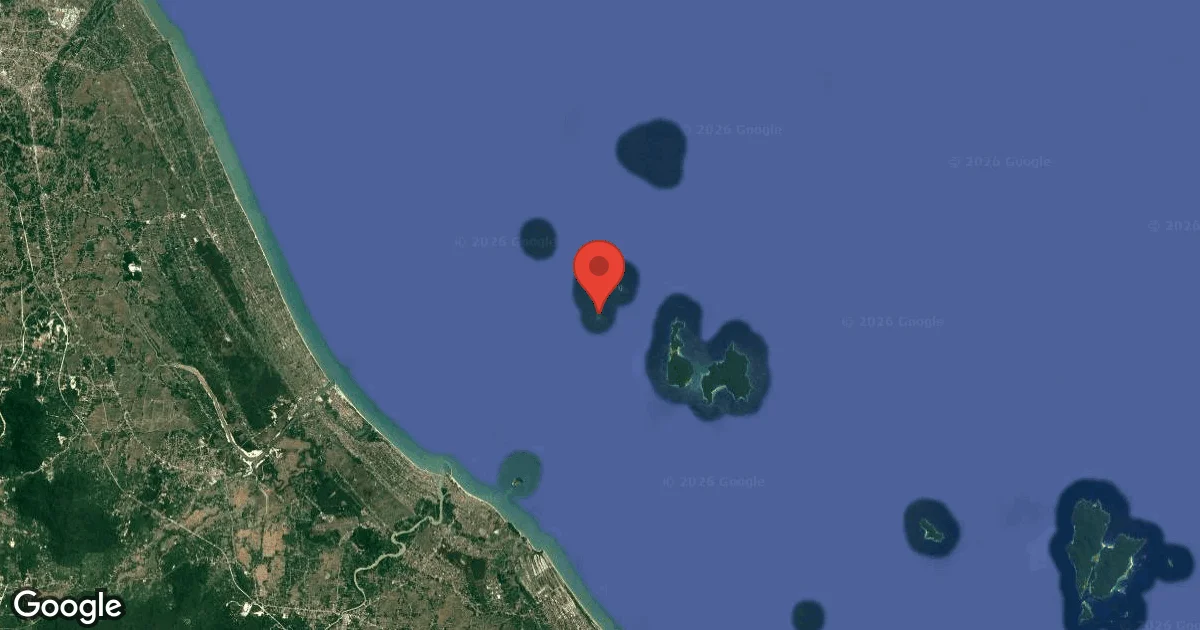
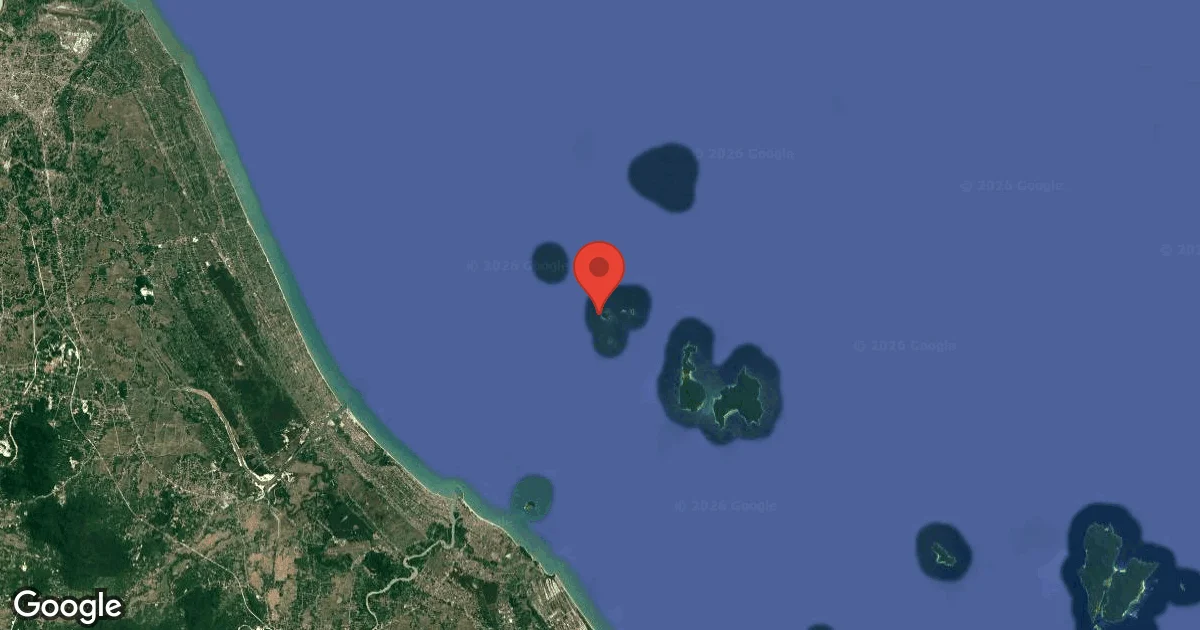
View all dive sites in MalaysiaDiscover more underwater gems in this area.
Dive Centers Near Shark Point
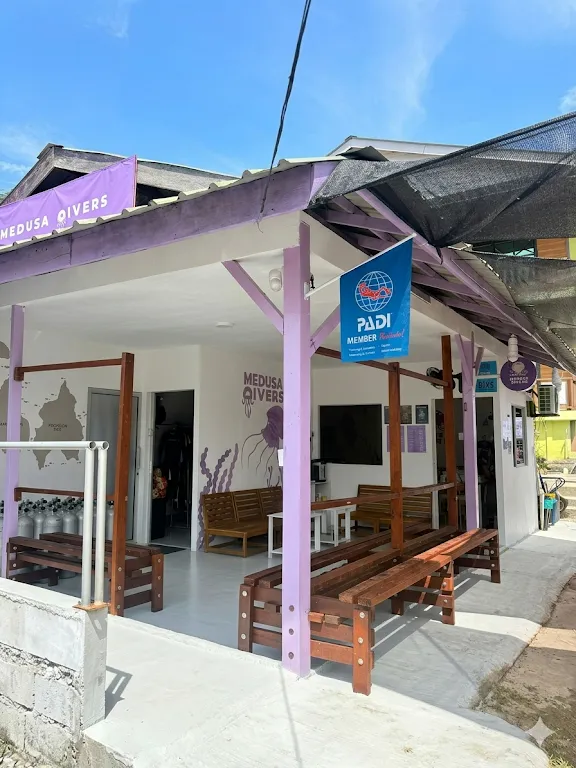
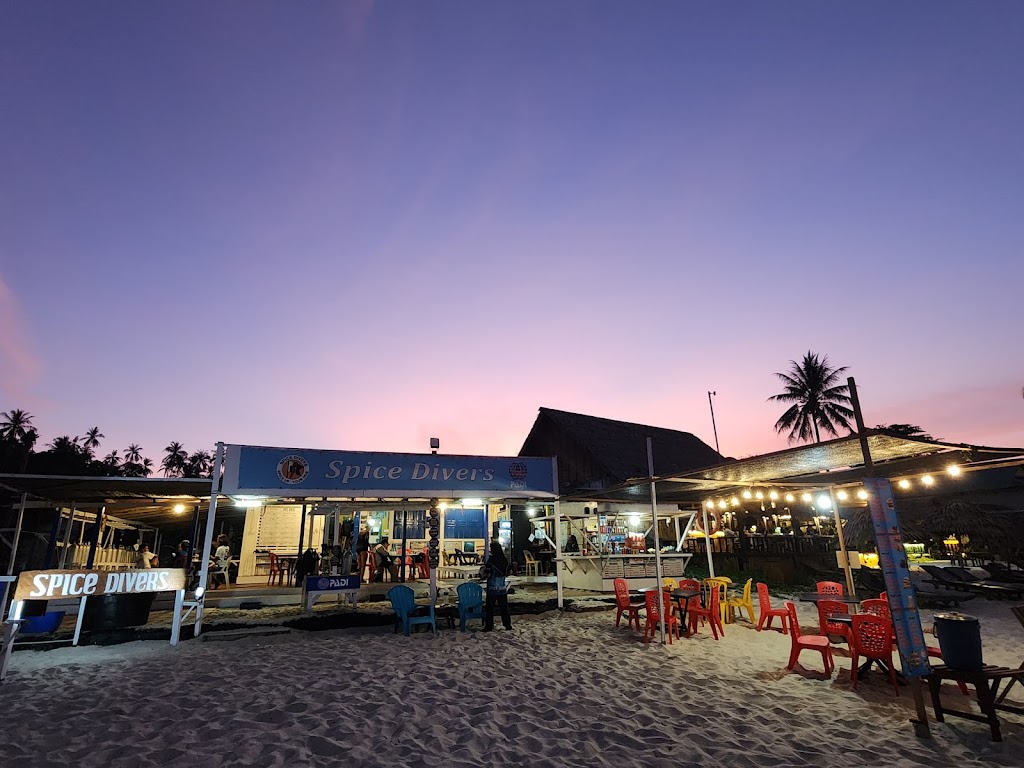
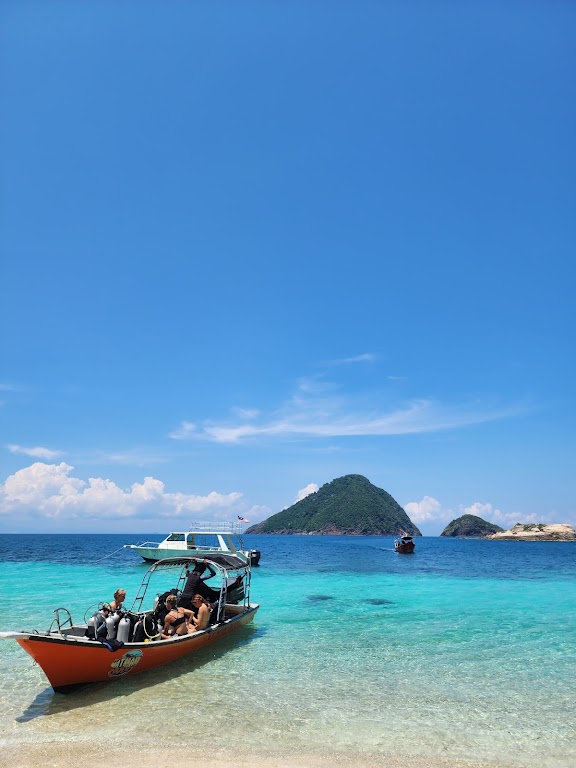
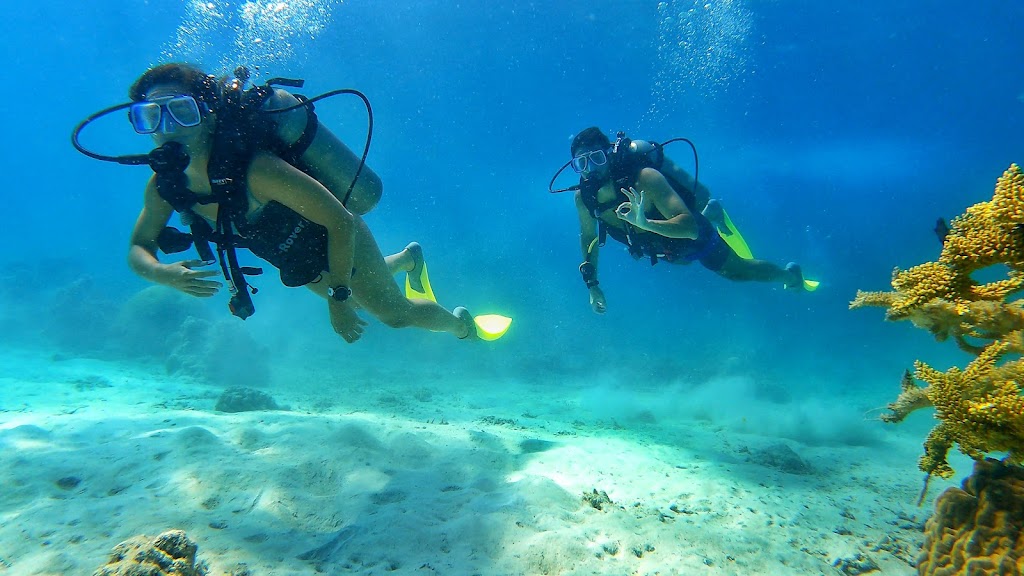
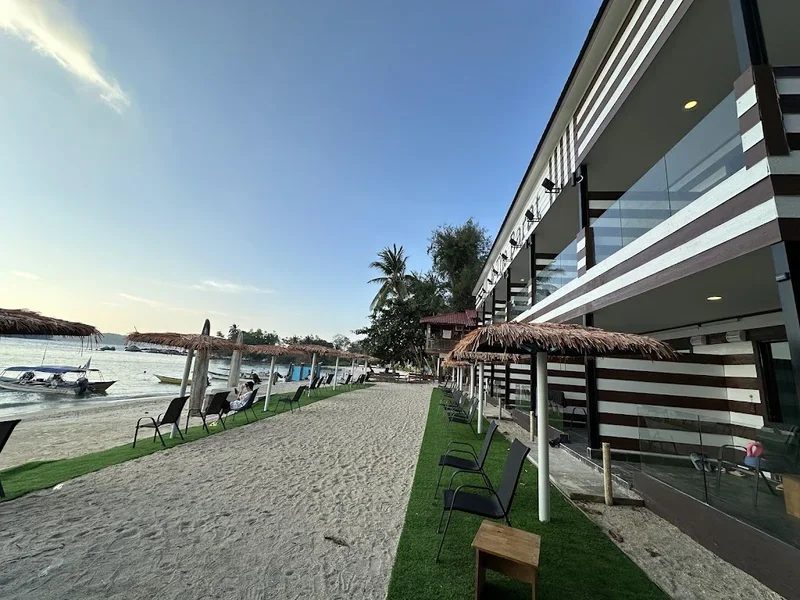
Today: 08:00 - 20:00


Nearest Airports
Nearest airports to help plan travel to this dive area.
Search Flights
Check available flights and routes on Expedia, using the nearby airports listed in this section.
Search Flights on ExpediaFrequently Asked Questions
What kind of sharks can I expect to see at Shark Point?
Shark Point is particularly known for its significant population of blacktip reef sharks. These sharks are frequently sighted cruising around the coral reefs, making them a common highlight for divers.
Is Shark Point suitable for beginner divers?
Yes, shallower reef sections, typically around 9 meters, are considered beginner-friendly, offering gentle conditions and frequent marine life sightings. However, deeper areas extending to a maximum recreational depth of 30 meters also appeal to intermediate divers.
What are the typical visibility and current conditions?
Visibility commonly ranges from 10 to 30 meters, though it can vary seasonally. Currents are generally mild, but occasional localized increases up to 1-2 knots can occur.
What is the maximum depth at Shark Point?
A maximum recreational depth of 30 meters is reached at this dive site. Extensive shallower sections, especially along the main reef, are available for those preferring less depth.
Besides sharks, what other marine life might I encounter?
You're likely to see Hawksbill turtles, barracuda, and schools of batfish. The coral gardens also host parrotfish, triggerfish, porcupinefish, wrasse, shrimp, and various nudibranchs.
When is the best time of year to dive here?
Diving conditions are generally best from March to October, with excellent scores from June to August. These months provide better visibility, calmer seas, and minimal rainfall.
What is the water temperature like?
Consistently warm water temperatures are typical at Shark Point year-round, ranging between 24-30°C (75-86°F), making for comfortable diving.
Planning to dive Shark Point?
Send one inquiry and receive offers directly from the best verified local dive operators.
Conditions are Good
Optimal conditions expected
Current conditions near Shark Point show 27° air, 31° sea temperature, 0.2 m waves, and 25 km/h wind. Forecast data is refreshed regularly to ensure accuracy.