
Diving at Inland Sea (Malta)
Navigating the Inland Sea tunnel requires careful attention to potential hazards. While generally safe, low light conditions and possible currents near the open sea exit demand awareness. The tunnel's structure, reaching depths of 26 m / 85 ft, also has overhead boat traffic. Surfacing within the tunnel is not recommended due to these tourist boats. This unique geological formation, a semi-circular lagoon connected to the open sea, demands a cautious and prepared approach from all divers.
Tonight's objective overview for Inland Sea shows an air temperature of 27.5°C. The measured surface conditions include wave heights around 0.4 m. This environmental data is logged for the close of the day.
Dive Site Location & Key Facts
Dive Site Overview
A distinctive dive experience awaits at the Inland Sea, connecting a calm, shallow lagoon to the expansive Mediterranean via an 80 m / 260 ft natural tunnel. Entering the water from the shore of this 60 m / 197 ft wide lagoon, divers begin in mere 2 m / 7 ft depths before progressing into the tunnel itself.
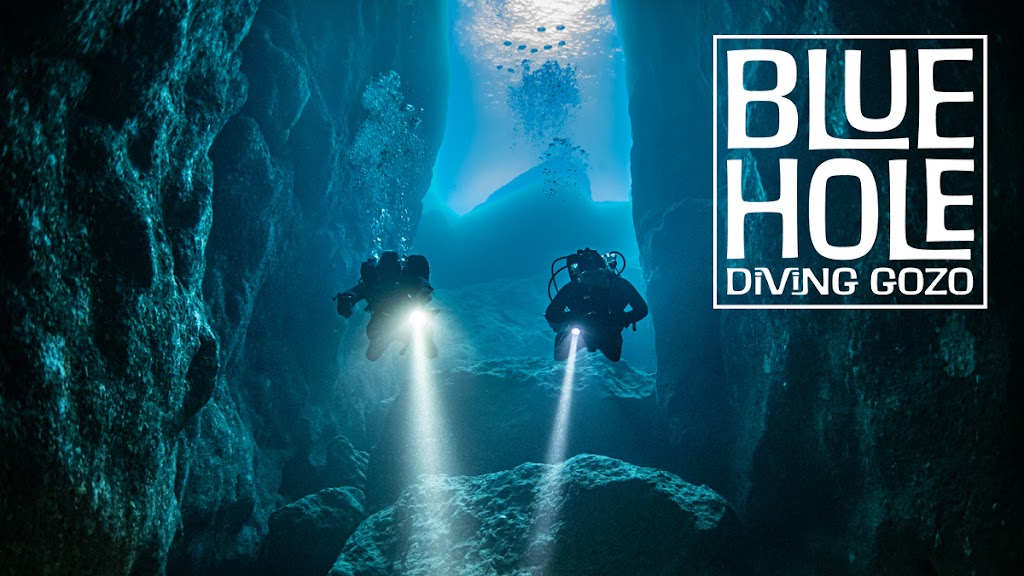
Inside, the bottom progressively deepens from 3 m / 10 ft on the lagoon side to 26 m / 85 ft at its seaward end. This impressive passage features vertical walls and a pebble bottom, eventually opening to a field of large boulders near the exit. Beyond the tunnel, divers have options to explore vibrant reef walls extending north and south, potentially continuing south towards the Blue Hole and Azure Reef, or investigating cracks like Whale Cave to the north.
Returning often involves retracing the tunnel, providing another perspective on its dramatic structure. Excellent visibility is typical, often between 20-40 m / 65-130 ft, enhancing the aesthetic experience of light and shadow play within this unique site.
Conditions are Good
Optimal conditions expected
Current conditions near Inland Sea show 27° air, 28° sea temperature, 0.4 m waves, and 23 km/h wind. Forecast data is refreshed regularly to ensure accuracy.
Best Time to Dive
For the most comfortable and rewarding dive experience at the Inland Sea, consider visiting during the warmer, drier months. June through September typically offer optimal conditions, with average air temperatures peaking around 26°C / 79°F in August, and rainfall being minimal, often less than 1 mm. These months consistently yield a "Good" dive score of 8 according to historical data, suggesting favorable weather and calm seas. October still presents good opportunities, with air temperatures averaging 23°C / 73°F and a good dive score of 7, though rain might increase slightly. Diving earlier in the day or outside the peak tourist season can help avoid crowds, as the site is popular, particularly in summer. Conditions during cooler months, from December to March, show lower air temperatures around 15-16.5°C / 59-62°F and higher average wave heights, indicating a more challenging dive environment.
PEAK SEASON SCORE
Scores combine air & water temps, waves, wind & rainfall for overall conditions.
BEST MONTHS TO DIVE
Monthly records compiled from satellite and marine observation nodes over the last 3 years. Data provided by Open-Meteo and MET Norway.
Dive Experience & Conditions
A varied depth profile defines the Inland Sea, beginning in the very shallow lagoon at around 2 m / 7 ft. Divers then enter the natural tunnel, where the bottom gradually slopes from 3 m / 10 ft at the lagoon entrance to approximately 26 m / 85 ft at the seaward exit. Beyond the tunnel, the seabed drops significantly, reaching depths of 50 m / 164 ft or more, allowing for extended exploration along the outer reef walls. This site can accommodate divers of various levels; while the shallow entry and gradual descent are beginner-friendly, the option to explore deeper external reefs or navigate the full tunnel to its maximum depth makes it appealing to more experienced individuals. Striking vertical walls characterize the tunnel itself, and a pebble bottom transitions to large boulders at its mouth, creating a dramatic visual shift from the confined passage to the open ocean.
Dive Difficulty & Safety Guidelines
Divers approaching the Inland Sea tunnel should be well-prepared for specific environmental considerations, regardless of overall experience. While the site is generally safe, sections of lower light and potentially narrow passages demand good buoyancy control. Near the open sea exit, currents can sometimes be present, requiring awareness and careful navigation.
A significant safety consideration is the presence of tourist powerboats operating within the tunnel at the surface; surfacing inside the tunnel is not recommended for diver safety. Always dive with a buddy, ensure your equipment is well-maintained, and maintain appropriate training for overhead environments.
It's advisable to check local conditions, especially regarding currents, before entering the tunnel from the lagoon side.
Recommended Equipment
- Dive Computer
- DSMB
- Hard-soled Dive Boots
This gear list is based on verified equipment signals for Inland Sea, Malta. Always confirm final gear choices with your dive operator, guide, or liveaboard.
Recommended Dive Suit
Divers who spend more time observing marine life often prefer slightly warmer gear.
The water around Inland Sea is currently holding at approximately 28°C (83°F), setting the tone for today's dives. Surface air temperatures are resting at 27°C (81°F). Water temperatures in this range are often well suited to diving with 2-3mm shorty or light wetsuit.
Environmental conditions appear stable for the near future.
Emergency & Medical Support
Essential information to help you plan your dive trip to Inland Sea.

Hyperbaric chambers are a critical part of dive safety infrastructure. Availability varies significantly by region, and not all dive areas have immediate access.
Before diving, it's recommended to:
- confirm nearest medical facilities
- check emergency procedures with local dive operators
- ensure dive insurance covers evacuation if required
Divers Alert Network
Diving emergency assistance available through DAN Europe.
+39 0642115685- 24/7 emergency hotline
- Diving medical assistance
- Evacuation coordination
Emergency contacts are provided for reference. Always verify local emergency services before diving.
Closest Listed Hyperbaric Chambers
Showing listed hyperbaric chamber facilities within 200 km of this dive site.
Distances are approximate straight-line distances and may not reflect emergency travel time.
Gozo
24/7 ListedICU CapableVictoria, Malta•Approx. 5 km straight-line
Gozo
24/7 ListedICU CapableInformation is provided for reference and planning purposes only. Dive Navigator does not verify operational status, staffing, availability, or quality of care at listed facilities. In an emergency, contact local emergency services, DAN, your dive operator, or the chamber directly. Do not travel to a facility without calling ahead.
Hyperbaric Unit - Mater Dei Hospital
24/7 ListedICU CapableMsida, Malta•Approx. 33 km straight-line
Hyperbaric Unit - Mater Dei Hospital
24/7 ListedICU CapableInformation is provided for reference and planning purposes only. Dive Navigator does not verify operational status, staffing, availability, or quality of care at listed facilities. In an emergency, contact local emergency services, DAN, your dive operator, or the chamber directly. Do not travel to a facility without calling ahead.
Marine Life at Inland Sea
The Inland Sea and its adjacent open reef boast a diverse array of Mediterranean marine life, creating engaging encounters for divers. Inside the tunnel, divers may spot smaller species seeking shelter among the rock formations and colorful sponges.
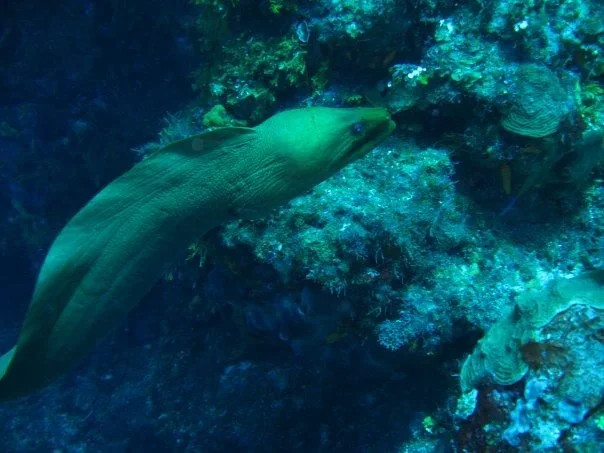
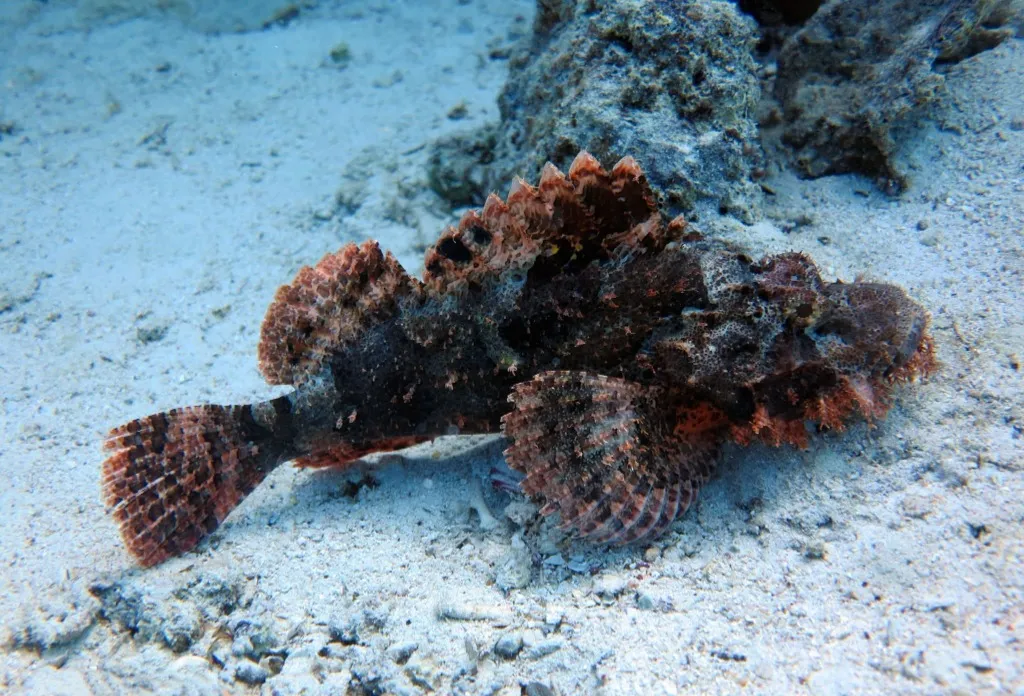
Upon exiting into the open sea, the environment expands, offering opportunities to observe more pelagic and reef-dwelling creatures. Common sightings include moray eels inhabiting crevices and scorpionfish camouflaged against the seabed.
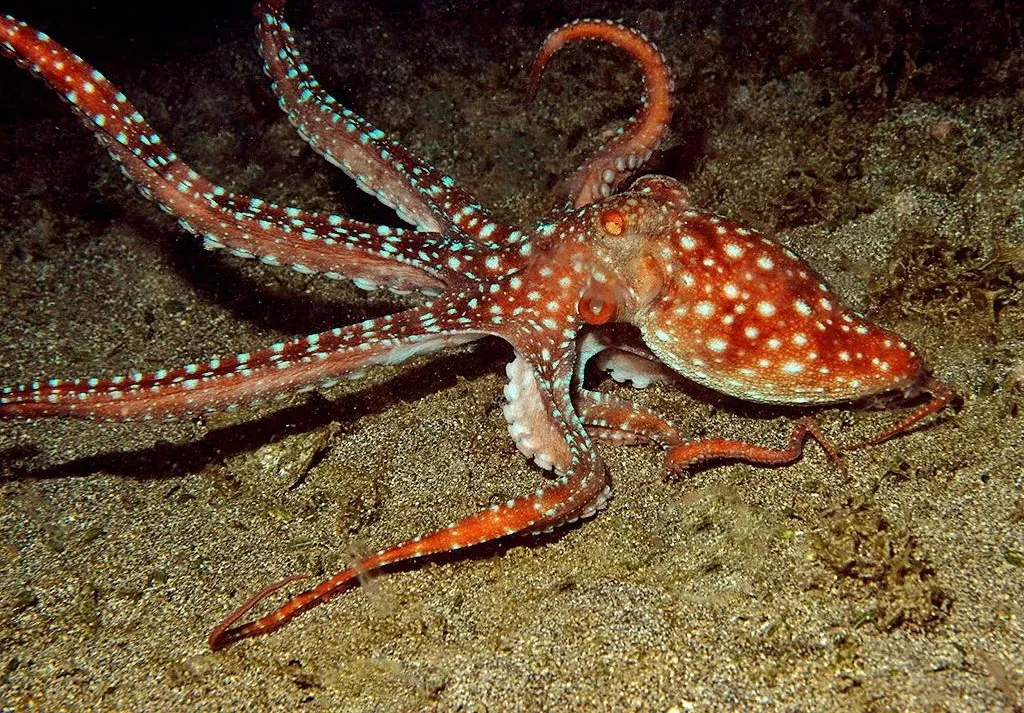
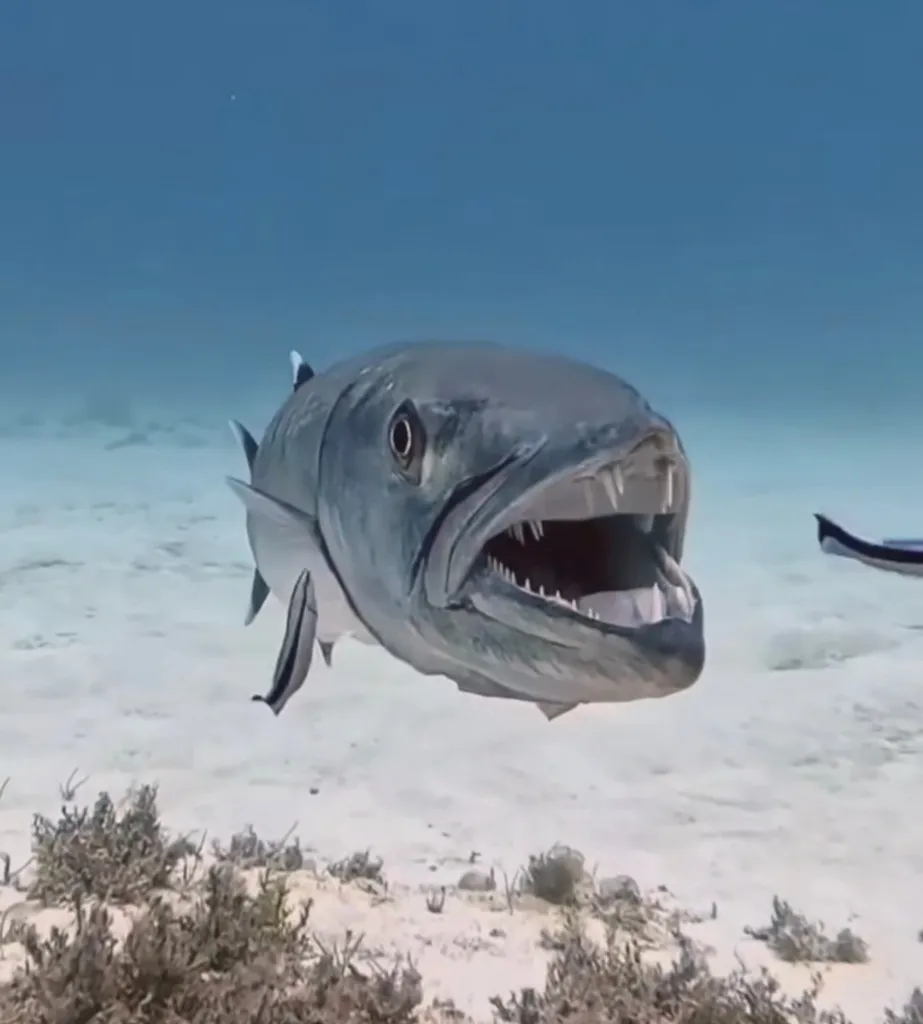
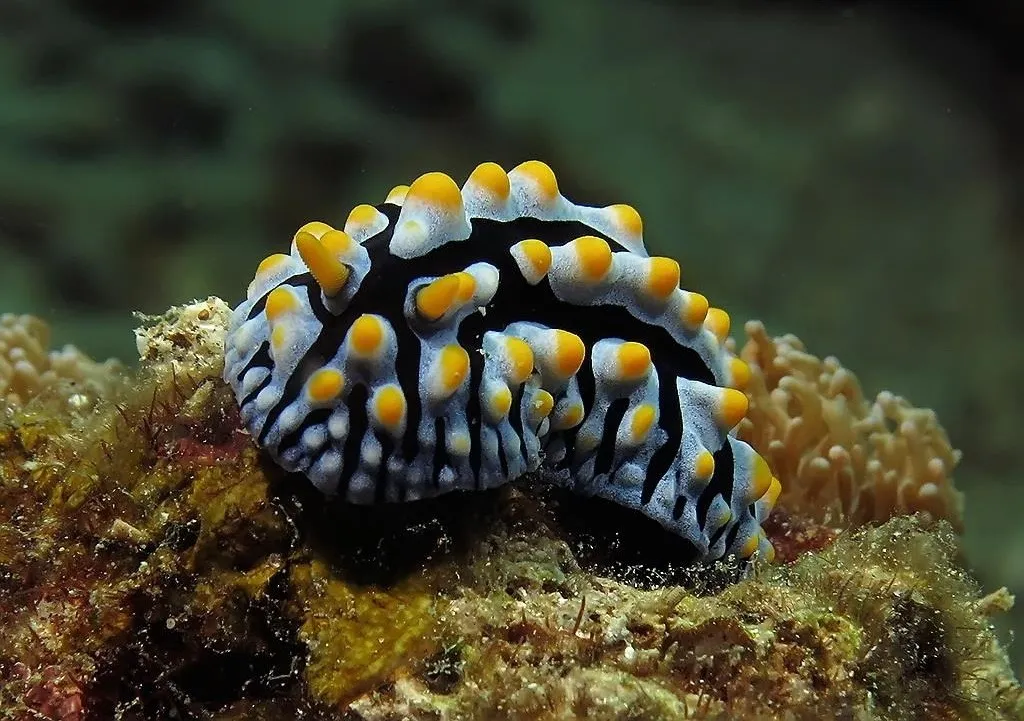
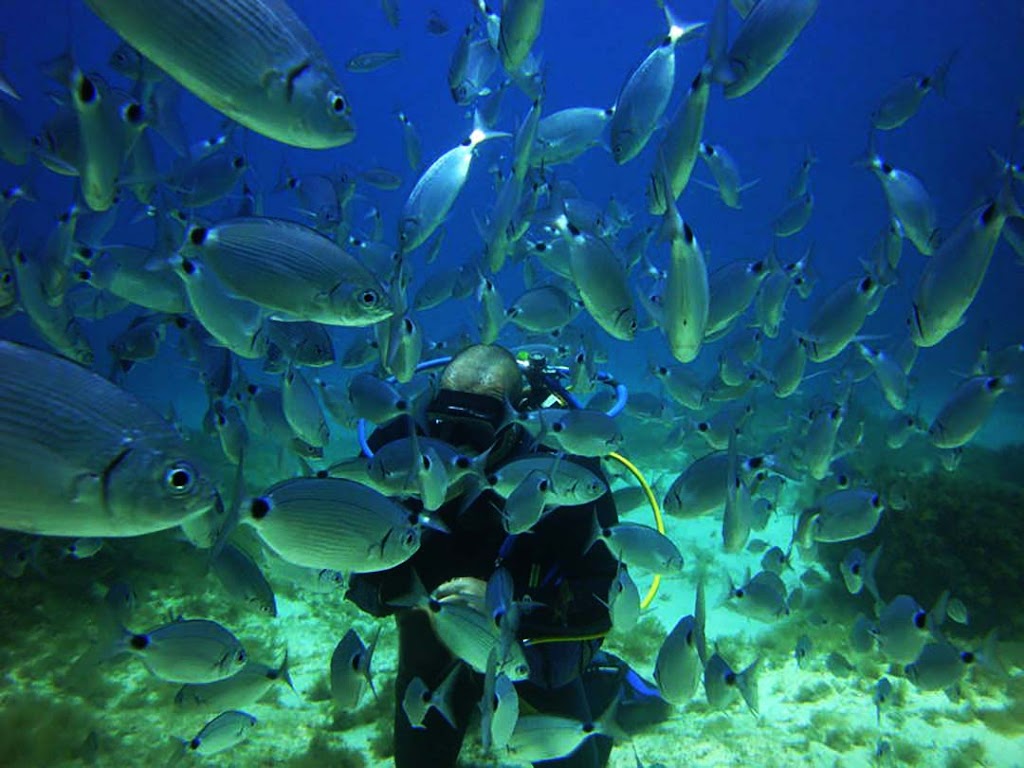
Divers often encounter schools of barracudas, octopuses, and various small reef fish, particularly along the outer cliff walls and around the larger boulders at the tunnel's mouth. Nudibranchs can also be found, adding vibrant details to the rocky underwater landscape.
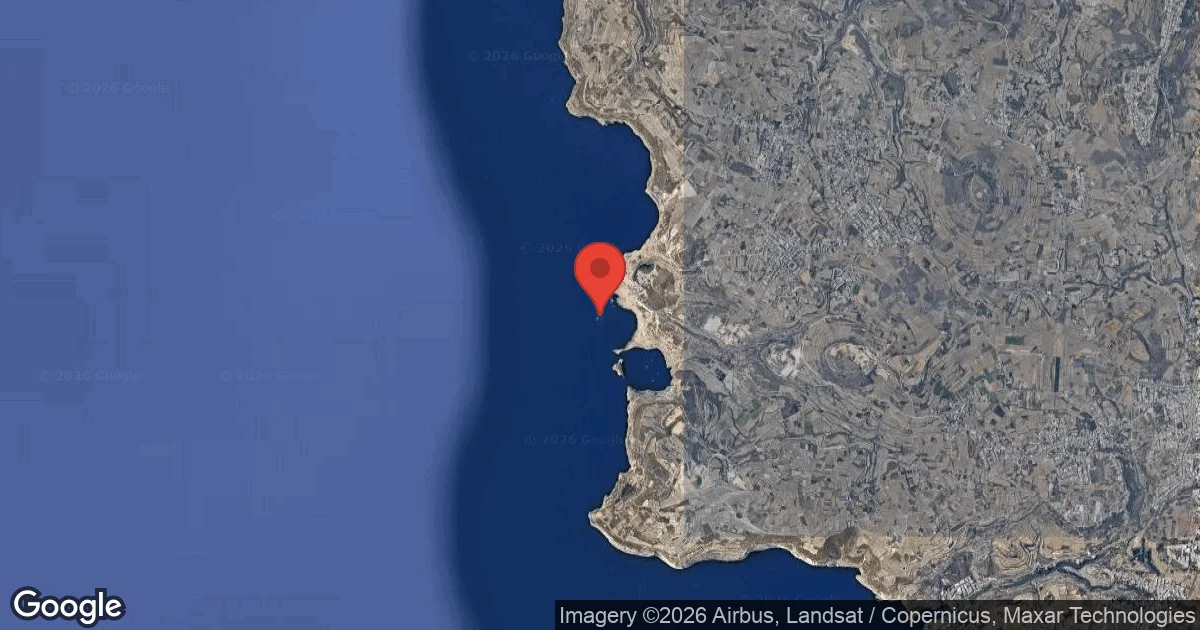
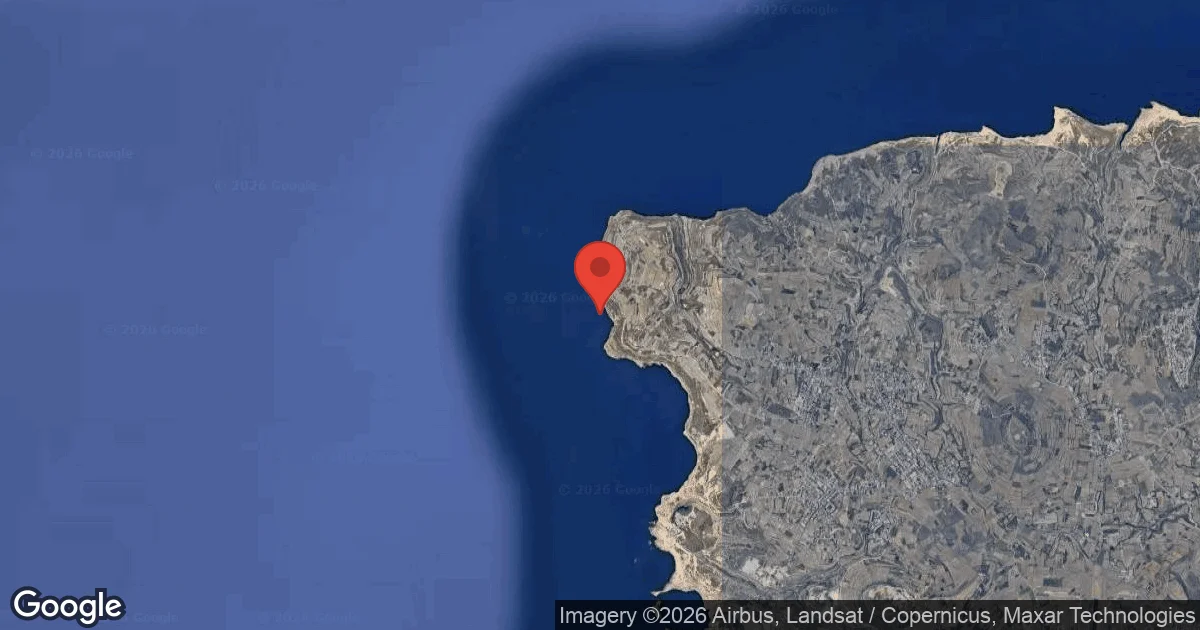
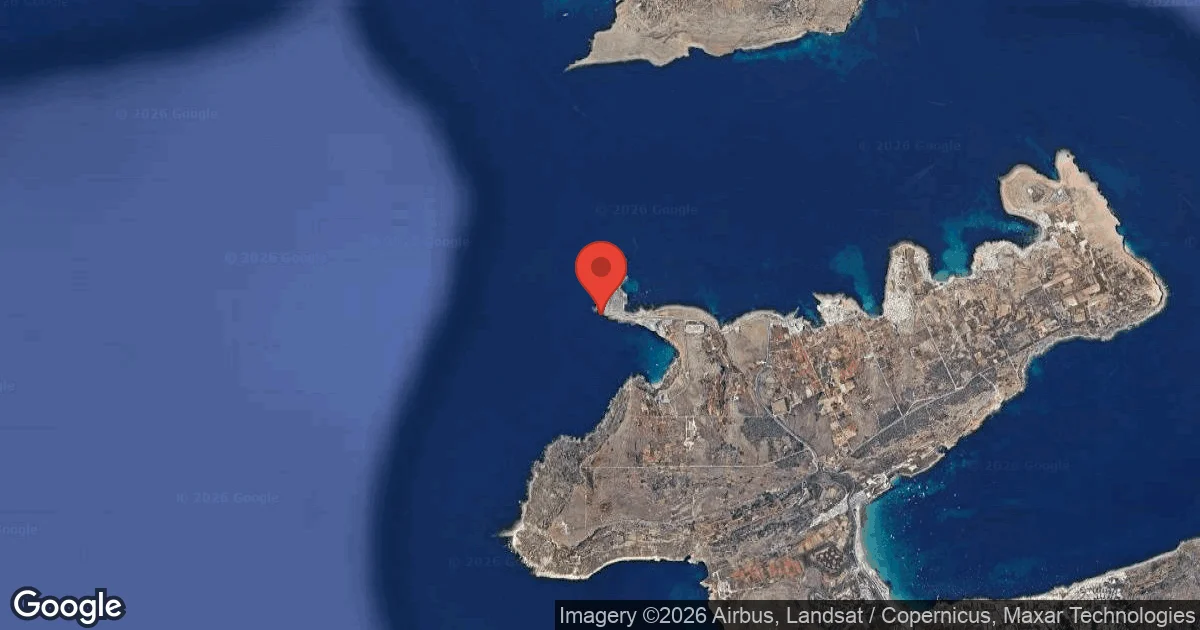
Dive Sites Near Inland Sea
View all dive sites in MaltaDiscover more underwater gems in this area.
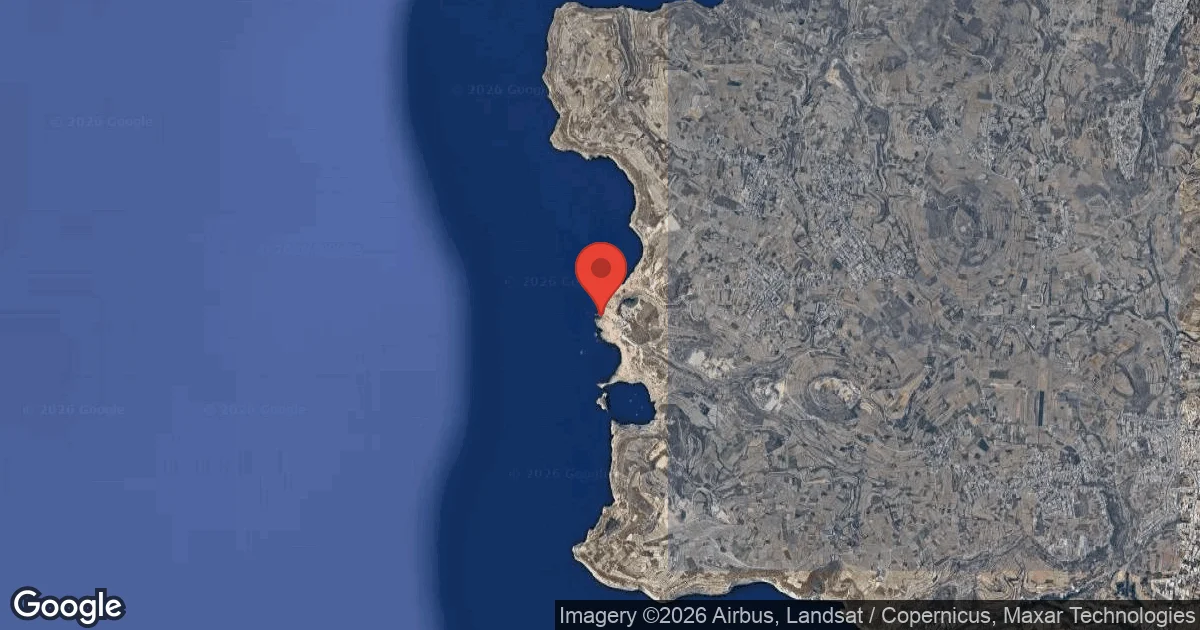
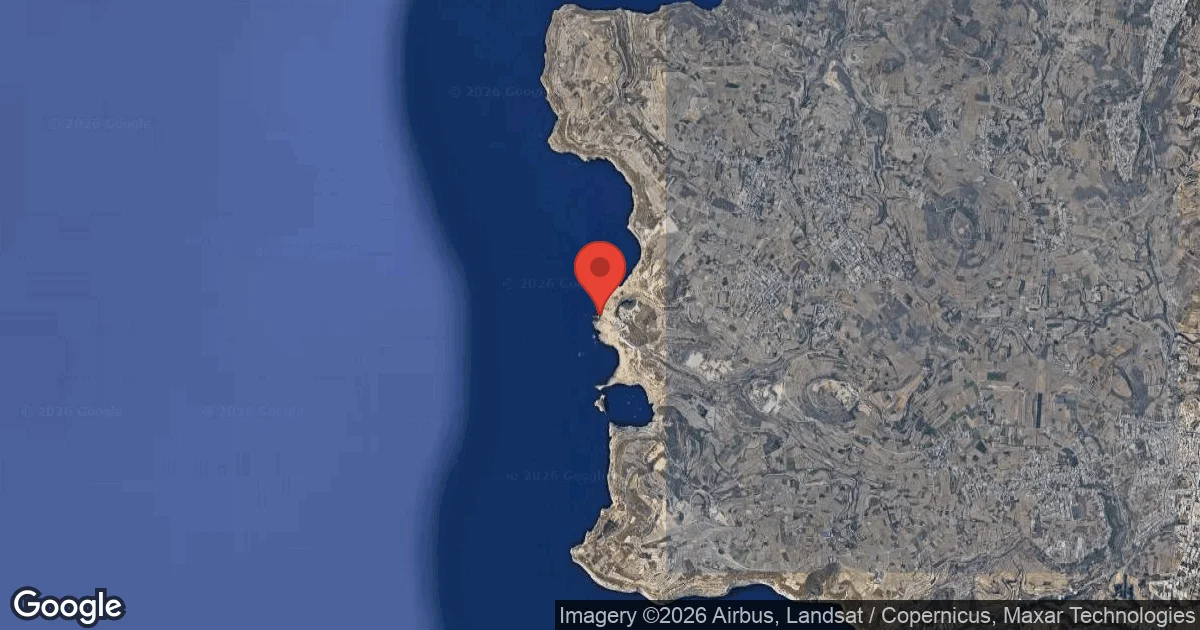
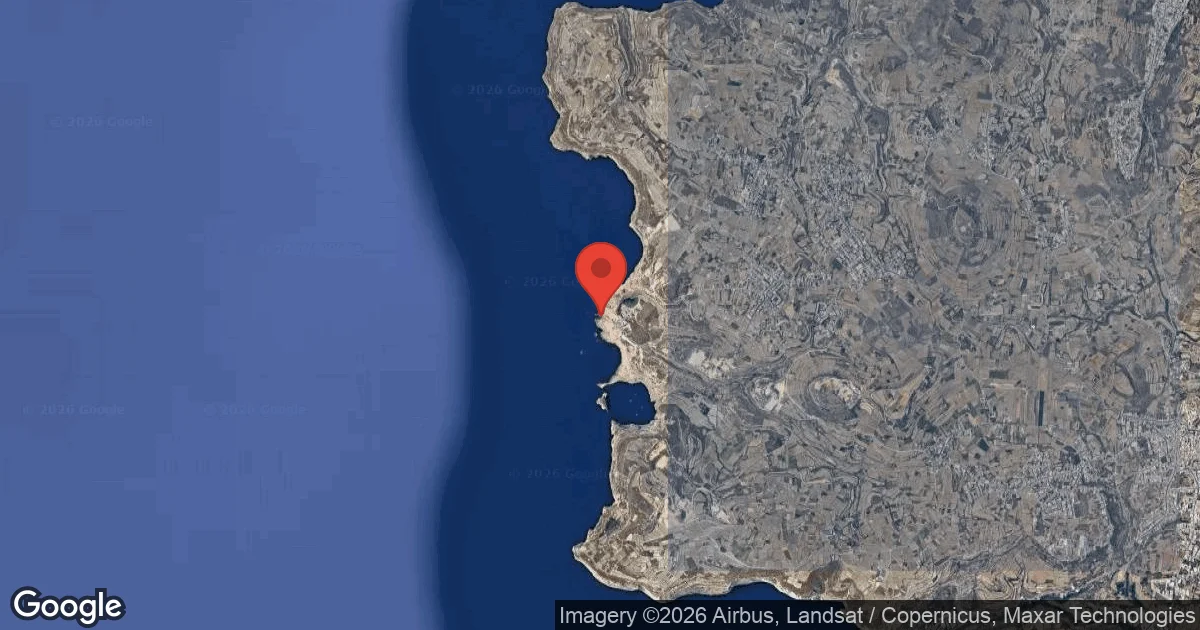
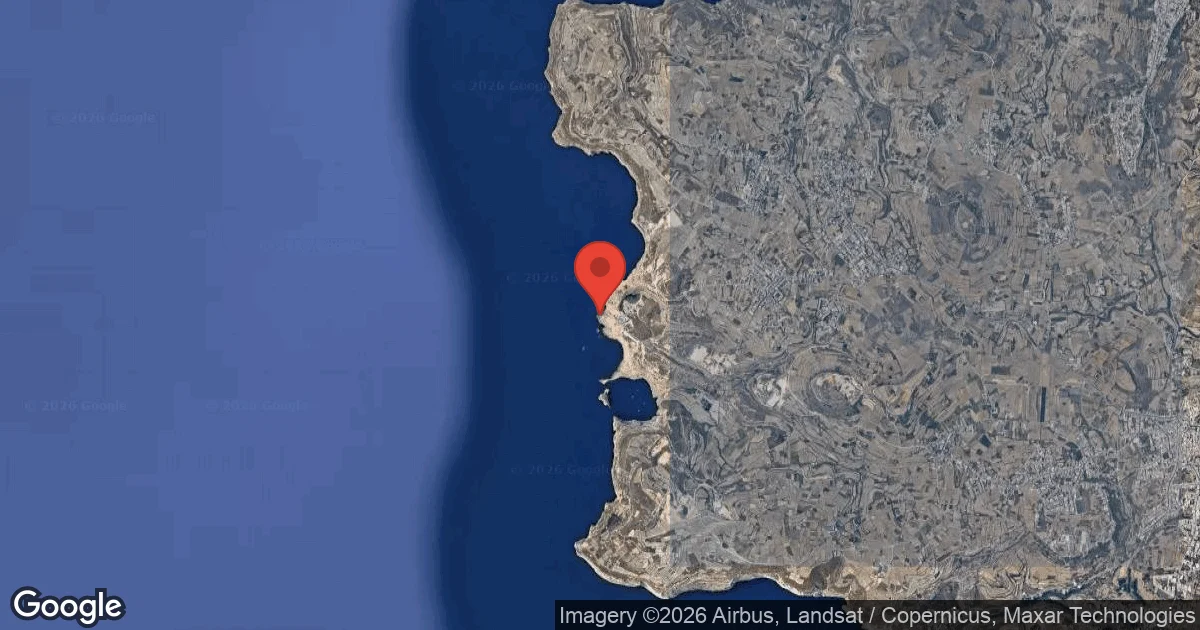
Dive Centers Near Inland Sea
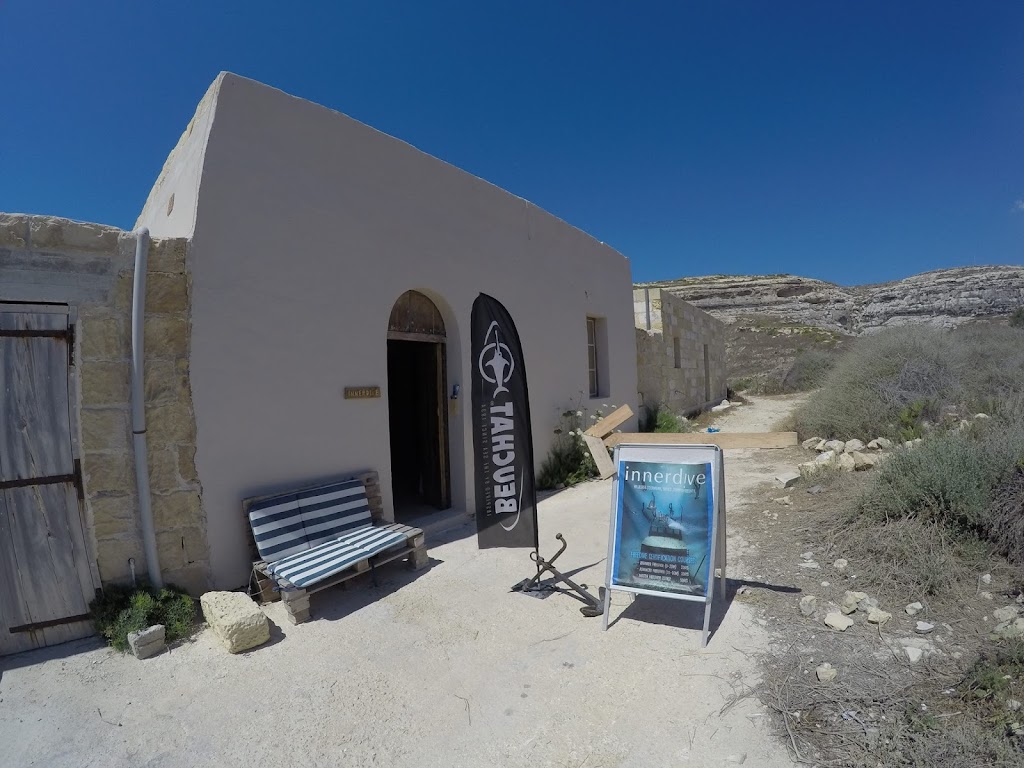
Today: 10:00 - 17:00

Nearest Airports
Nearest airports to help plan travel to this dive area.
Search Flights
Check available flights and routes on Expedia, using the nearby airports listed in this section.
Search Flights on ExpediaFrequently Asked Questions
Is the Inland Sea suitable for beginner divers?
Yes, the Inland Sea is suitable for various diver levels, including beginners. The shallow entry from the lagoon and gradual descent into the tunnel make it accessible for less experienced divers. However, exploring the deeper outer reef sections is better suited for those with more experience.
How do divers access the Inland Sea dive site?
Access to the Inland Sea is straightforward, achieved via shore entry at the lagoon itself. Divers enter the calm, shallow waters and swim towards the tunnel entrance, beginning their descent from there.
Can the tunnel be dangerous to dive?
While the tunnel is generally safe for experienced divers, potential hazards include low light, narrow passages, and occasional currents near the open sea exit. There is also overhead tourist boat traffic, so surfacing within the tunnel is not recommended for safety reasons.
Is the Inland Sea dive crowded?
The Inland Sea is a popular dive site, especially during the summer months. Divers can typically avoid peak crowds by planning their dives early in the day or by visiting during the shoulder seasons outside of peak tourist times.
What is the visibility like while diving the Inland Sea?
Visibility at the Inland Sea is usually excellent, often ranging from 20 to 40 meters / 65 to 130 feet. This clear water significantly enhances the experience of navigating the tunnel and exploring the surrounding reef.
What marine life can be seen while diving here?
Divers commonly encounter moray eels and scorpionfish. Other sightings include groupers, barracudas, octopuses, nudibranchs, and various small reef fish, particularly along the reef walls outside the tunnel.
What is the maximum depth encountered in the tunnel?
Inside the natural tunnel, the maximum depth reached is about 26 meters / 85 feet at its seaward end. Outside the tunnel, the seabed drops significantly deeper, around 50 meters / 164 feet.
What other dive sites are nearby?
The Dwejra area offers several other notable dive sites in close proximity to the Inland Sea. These include the Blue Hole and Coral Gardens, which are easily accessible and provide varied diving experiences.
Planning to dive Inland Sea?
Send one inquiry and receive offers directly from the best verified local dive operators.
Conditions are Good
Optimal conditions expected
Current conditions near Inland Sea show 27° air, 28° sea temperature, 0.4 m waves, and 23 km/h wind. Forecast data is refreshed regularly to ensure accuracy.