
Diving at Hapuka Rock (Hereheretaura Pinnacle) (New Zealand)
Divers approaching Hapuka Rock (Hereheretaura Pinnacle) begin their descent just below the surface at around 6 m (20 ft), where the pinnacle's top is visible. As the dive progresses, its steep walls guide explorers deeper into the water column. A circumnavigation is possible, allowing a return to shallower depths for any necessary safety or decompression stops. It's a site rewarding careful planning for both descent and ascent profiles.
As evening covers Hapuka Rock (Hereheretaura Pinnacle), the local air temperature is measured at 11°C. The current wave height at the surface is recorded at 1.1 m. These late-day readings characterize the surface conditions for the night.
Dive Site Location & Key Facts
Dive Site Overview
Hapuka Rock (Hereheretaura Pinnacle) stands as a prominent deep dive destination at the Poor Knights, characterized by its dramatic underwater topography. Beginning shallow, the pinnacle's summit lies approximately 6 m (20 ft) below the surface.
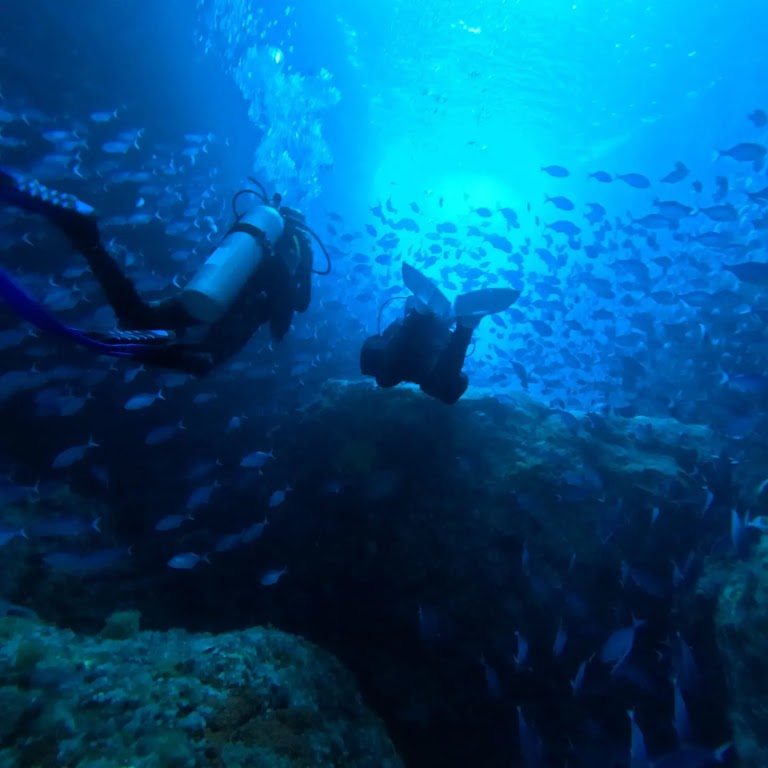
From this point, sheer walls drop away, allowing divers to easily reach depths exceeding 40 m (130 ft), with some areas extending past 45 m (148 ft). A vibrant top, often covered in kelp, frequently hosts shoaling fish congregating in the ambient current or swell. Descending along the structure reveals large schools of fish often found in the blue, staying close to the rocks.
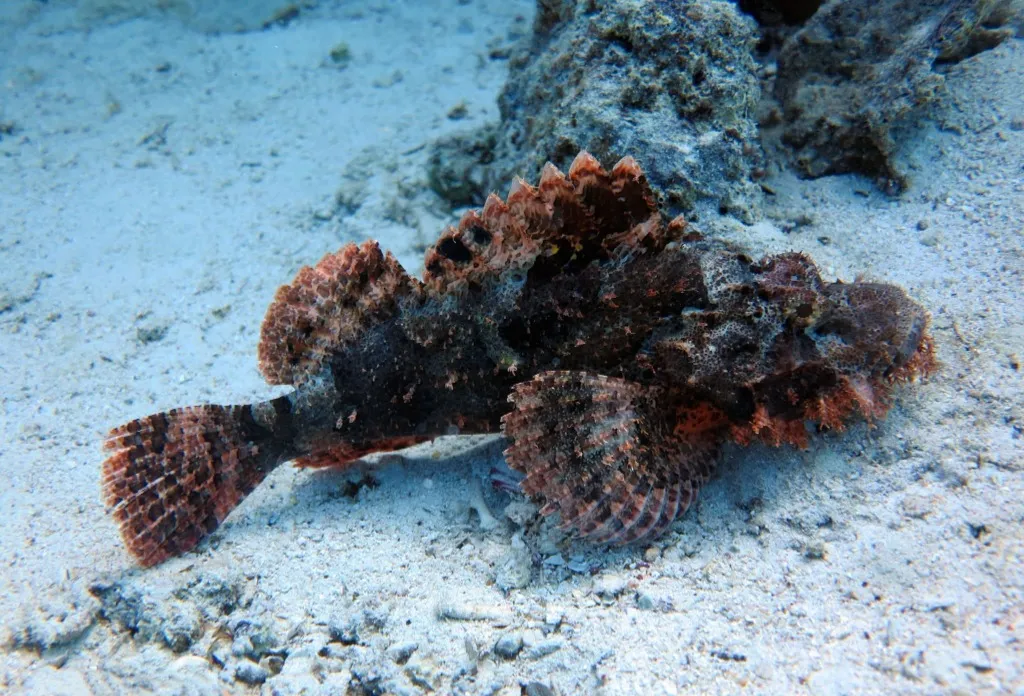
Divers frequently encounter Firebrick Stars, various eels, and large scorpionfish here, alongside a diverse array of other marine life. Exploring the pinnacle's perimeter allows observation of a rich habitat throughout its different depth zones.
Conditions are Moderate
High Wind Advisory (43km/h). Unsafe surface.
Current conditions near Hapuka Rock (Hereheretaura Pinnacle) show 11° air, 16° sea temperature, 1.1 m waves, and 43 km/h wind. Forecast data is refreshed regularly to ensure accuracy.
Best Time to Dive
For optimal diving conditions at Hapuka Rock, late summer and early autumn months typically offer the most favorable experience. February and March generally present the best dive scores, peaking in the 'Good' range due to more settled weather patterns. Air temperatures during these months average around 20°C (68°F) in February and 18°C (64°F) in March, contributing to comfortable surface intervals. Rainfall is also minimal, with February seeing approximately 2.4 mm and March about 1.8 mm, reducing freshwater runoff that can impact underwater visibility. Wave heights are lower, averaging around 1.2 m (4 ft) in February and 1.0 m (3 ft) in March, usually translating to clearer water and calmer conditions, which enhances the overall dive experience at the pinnacle.
PEAK SEASON SCORE
Scores combine air & water temps, waves, wind & rainfall for overall conditions.
BEST MONTHS TO DIVE
Monthly records compiled from satellite and marine observation nodes over the last 3 years. Data provided by Open-Meteo and MET Norway.
Dive Experience & Conditions
Current dynamics are a significant factor when exploring Hapuka Rock, often influencing marine life distribution and dive planning. Shoaling fish are frequently observed congregating near the pinnacle's summit, often positioned strategically within the prevailing currents or swell. While navigating, divers may choose to circumnavigate the pinnacle, assessing which side offers the most sheltered conditions for safety or decompression stops, particularly to avoid stronger currents. Water temperatures at this location are not consistently reported but generally vary with seasonal oceanic patterns. Visibility can be excellent, though it varies depending on prevailing weather and current strength. Diving here caters to advanced recreational depths, enabling exploration of deeper sections while also providing rich, shallower zones for extended bottom time or safety stops.
Dive Difficulty & Safety Guidelines
Diving Hapuka Rock requires careful consideration of its deep profile and potential currents. It is designated for Advanced Open Water certified divers and above due to the depths easily accessible here. Divers should plan gas consumption and decompression obligations meticulously when exploring the deeper sections.
Always carry appropriate safety equipment for deep diving and be proficient in current management techniques. In case of any diving-related incidents, accidents, or injuries, including the emergency management of decompression illness, a 24-hour hotline is available from the Diver Emergency Service (DES) at 0800 4 337 111.
Tutukaka Coastguard monitors VHF Channel 62 for general communications, and Channel 16 is for distress and emergencies, or dial 111.
Recommended Equipment
- Dive Computer
- DSMB
This gear list is based on verified equipment signals for Hapuka Rock (Hereheretaura Pinnacle), New Zealand. Always confirm final gear choices with your dive operator, guide, or liveaboard.
Recommended Dive Suit
Current diving conditions indicate water temperatures around 16°C (60°F) at Hapuka Rock (Hereheretaura Pinnacle). Surface air temperatures are resting at 11°C (52°F).
The next few days appear likely to bring similar environmental conditions.
Most divers exploring waters at this temperature rely on 5-7mm wetsuit for effective insulation. Strong cold advisory: dress warmly immediately after exiting the water. Water temperature is only one factor influencing overall comfort during a dive. Surface intervals may feel noticeably cooler once you exit the water.
Emergency & Medical Support
Essential information to help you plan your dive trip to Hapuka Rock (Hereheretaura Pinnacle).

Hyperbaric chambers are a critical part of dive safety infrastructure. Availability varies significantly by region, and not all dive areas have immediate access.
Before diving, it's recommended to:
- confirm nearest medical facilities
- check emergency procedures with local dive operators
- ensure dive insurance covers evacuation if required
Divers Alert Network
Diving emergency assistance available through DAN World.
+1-919-684-9111- 24/7 emergency hotline
- Diving medical assistance
- Evacuation coordination
Emergency contacts are provided for reference. Always verify local emergency services before diving.
Marine Life at Hapuka Rock (Hereheretaura Pinnacle)
Hapuka Rock's underwater landscape supports diverse marine life, particularly around its kelpy summit and along its vertical walls. Large schools of fish are a common sight, often observed schooling in the blue just off the pinnacle.
Closer inspection of rock faces reveals species such as striking Firebrick Stars, various eels nestled in crevices, and robust scorpionfish. Varied topography here provides numerous habitats for both pelagic and benthic organisms, offering consistent viewing opportunities across recreational depth ranges.
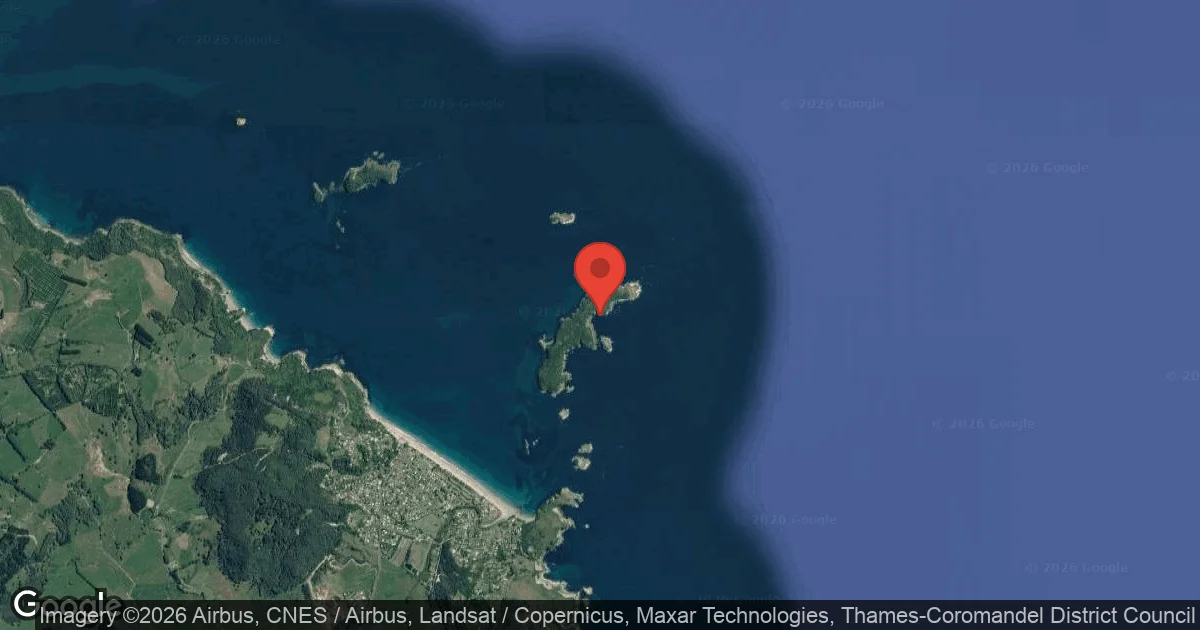
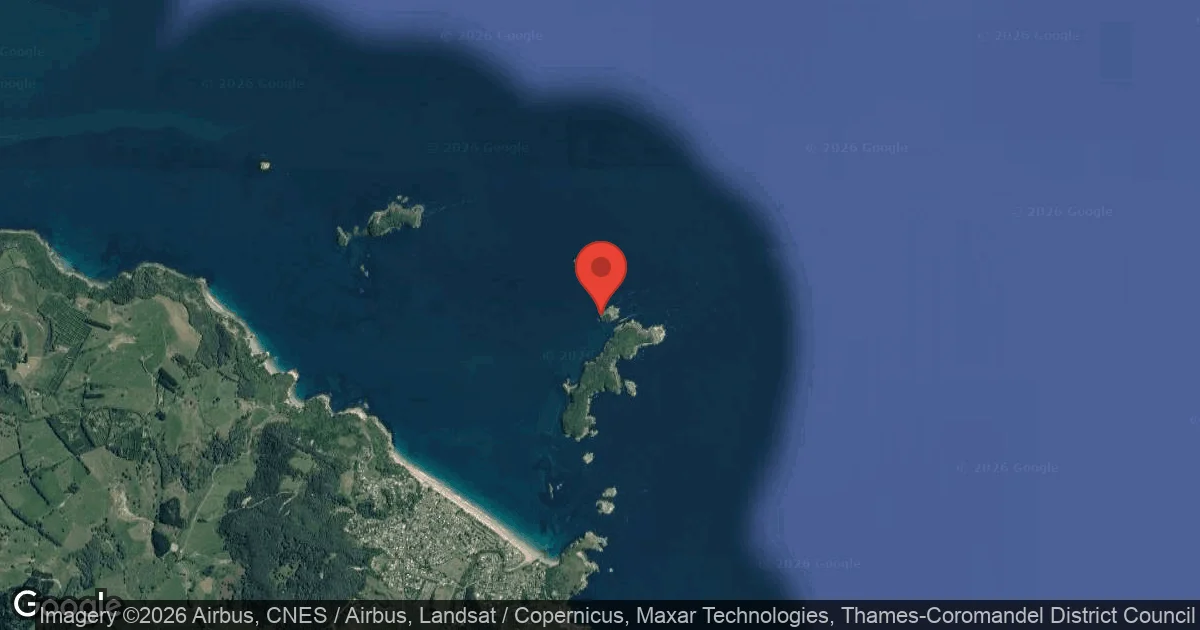
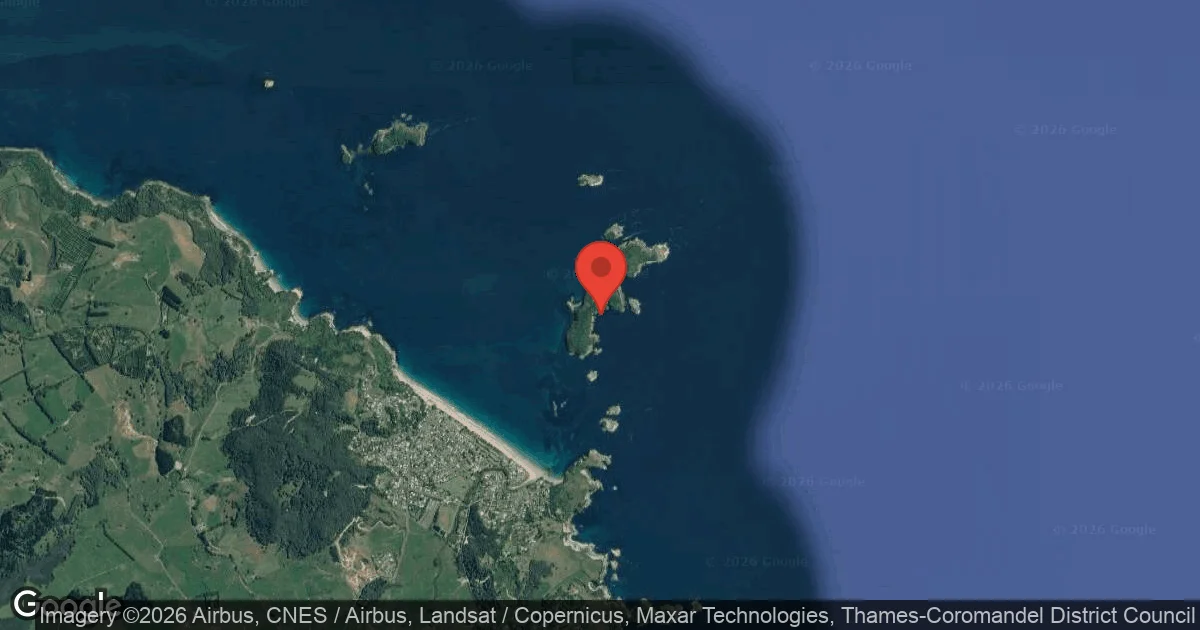
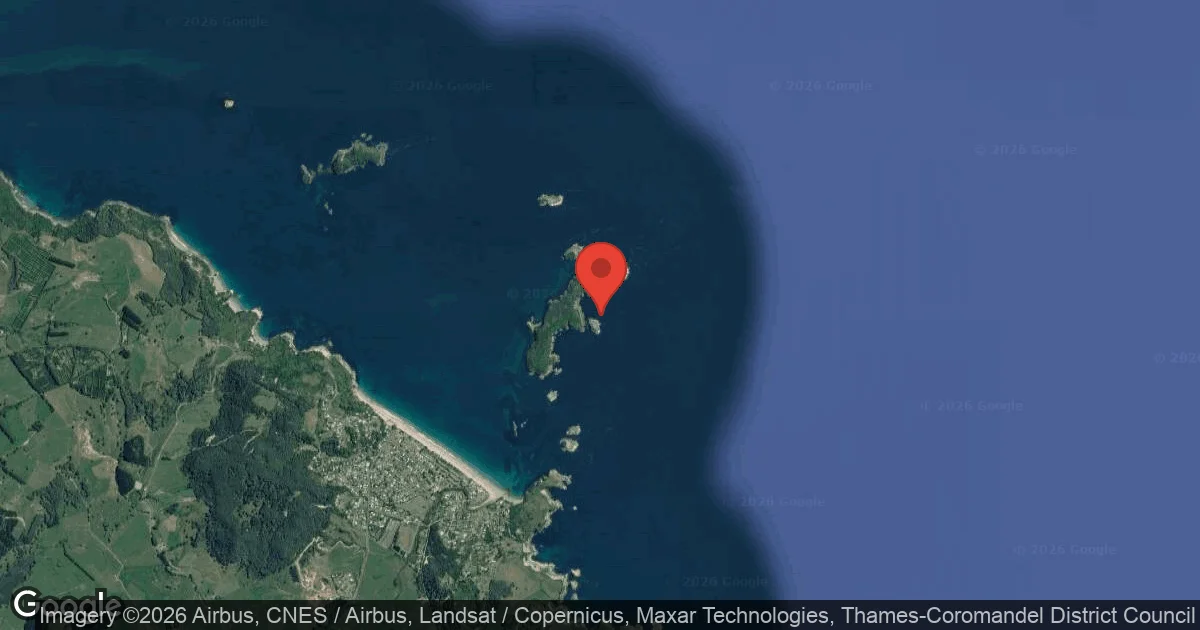
Dive Sites Near Hapuka Rock (Hereheretaura Pinnacle)
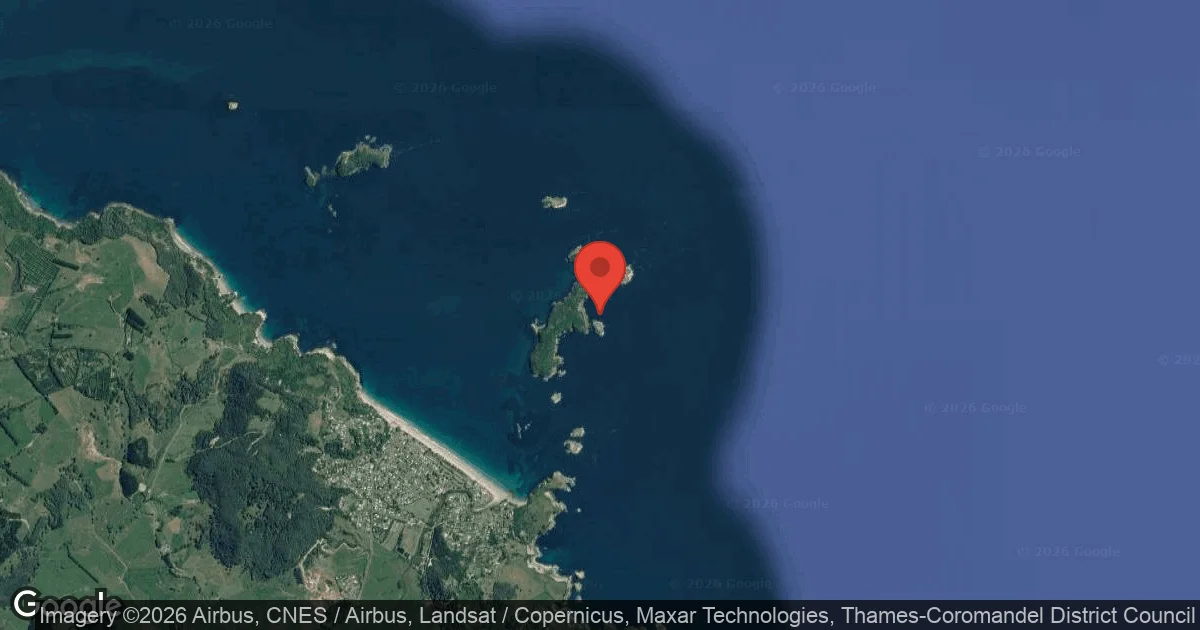
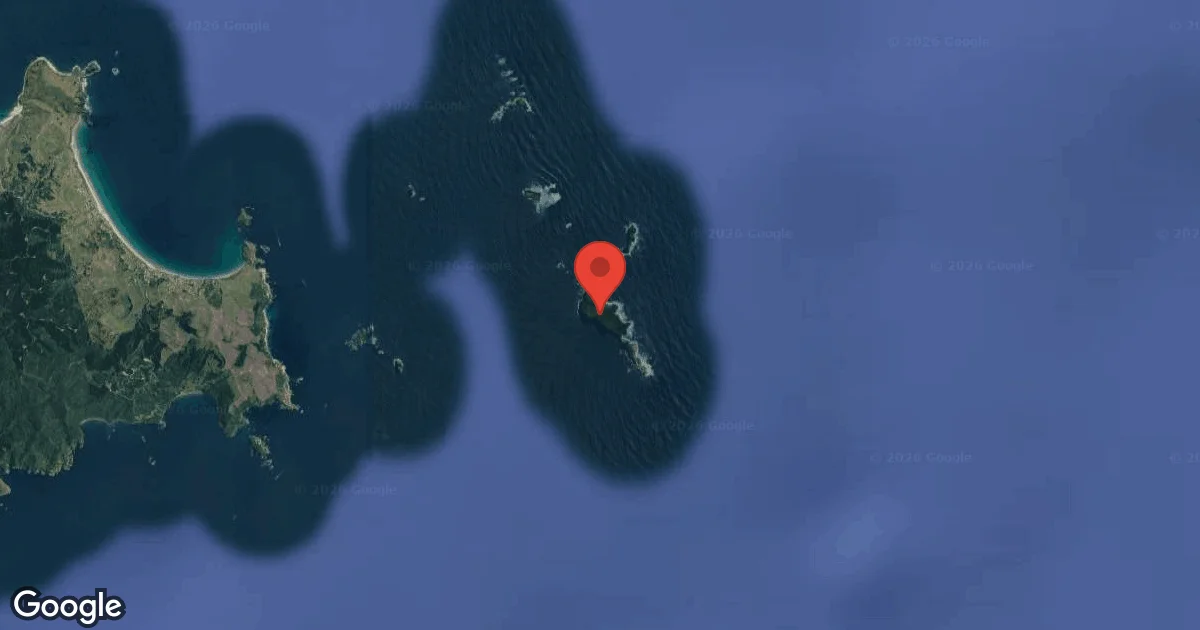
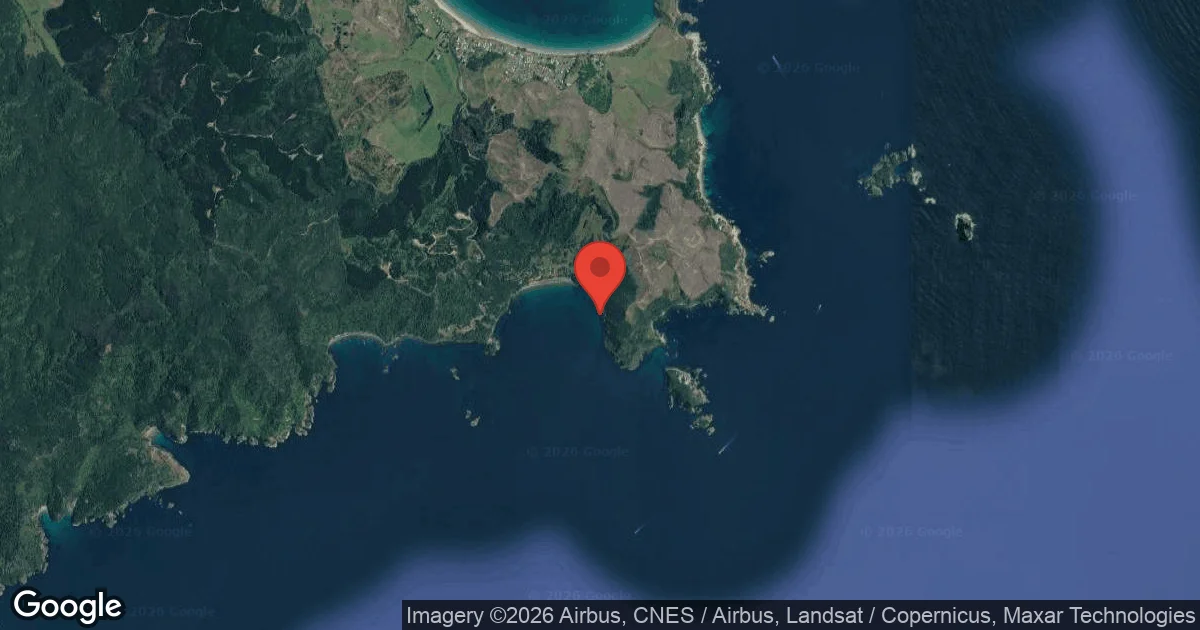
View all dive sites in New ZealandDiscover more underwater gems in this area.
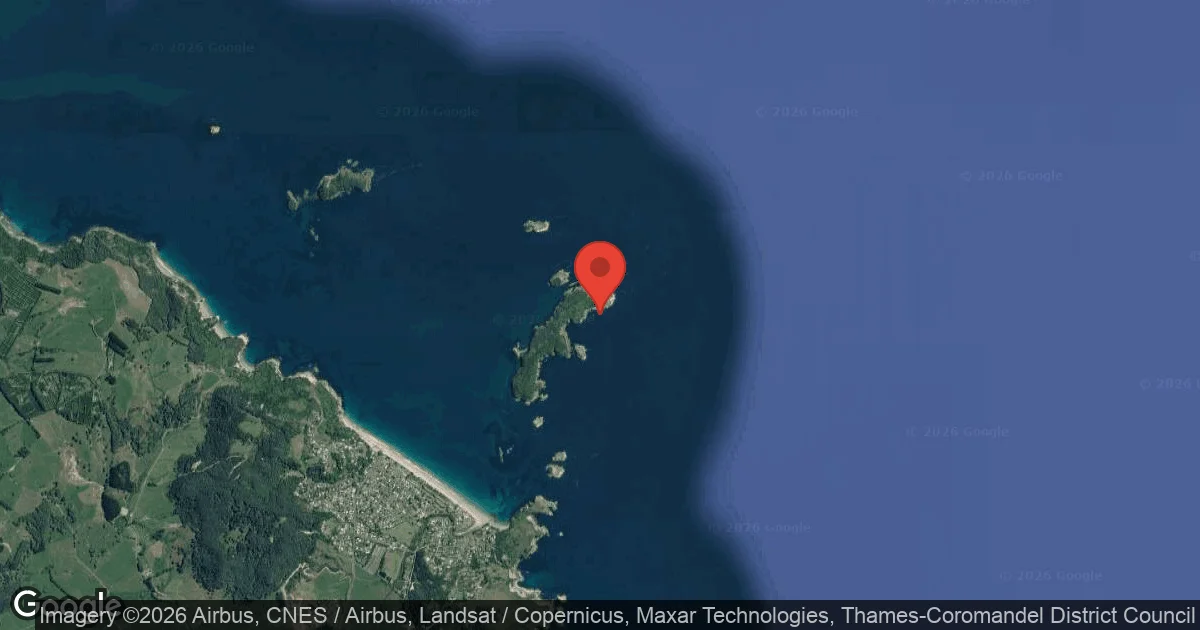
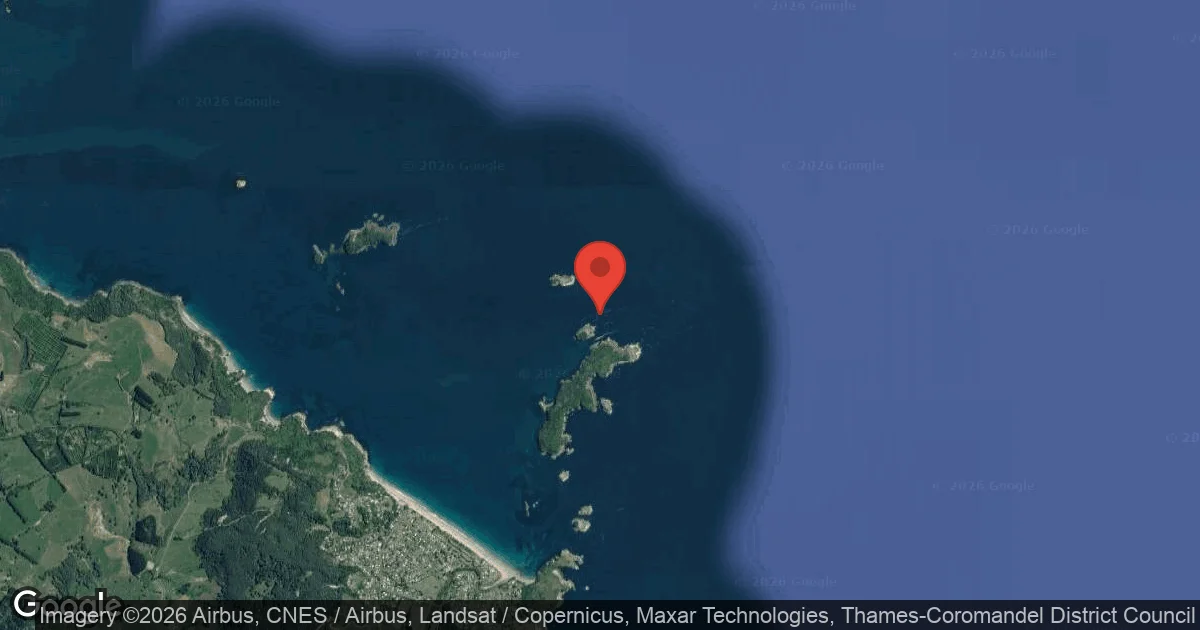
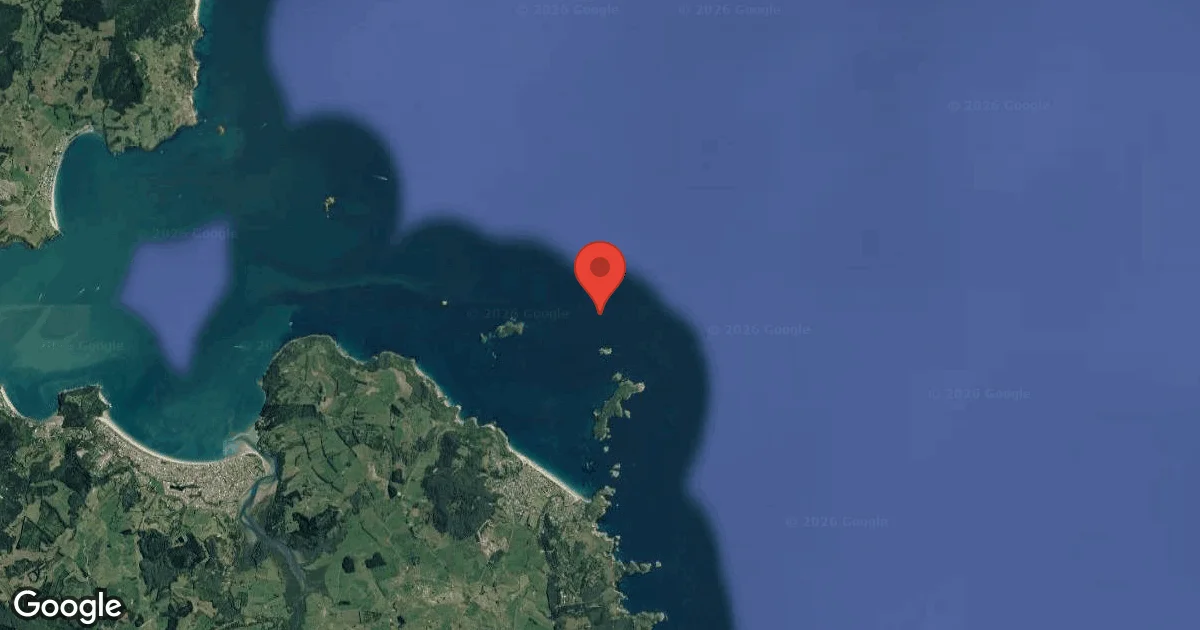
Dive Centers Near Hapuka Rock (Hereheretaura Pinnacle)
Nearest Airports
Nearest airports to help plan travel to this dive area.
Search Flights
Check available flights and routes on Expedia, using the nearby airports listed in this section.
Search Flights on ExpediaFrequently Asked Questions
What is the recommended diver level for Hapuka Rock?
Hapuka Rock is a deep dive site, and it's recommended for Advanced Open Water certified divers and above. This ensures divers have the necessary training for the depths involved.
What depths can be explored at Hapuka Rock?
The pinnacle starts around 6 m (20 ft) just below the surface. Its walls drop steeply, allowing divers to easily reach depths over 40 m (130 ft), with some areas extending past 45 m (148 ft).
What marine life can divers expect to see?
Divers commonly encounter shoaling fish, large schools in the blue, Firebrick Stars, various eels, and large scorpionfish. The kelpy top also hosts a variety of smaller creatures.
When is the best time of year to dive Hapuka Rock?
The late summer and early autumn months, particularly February and March, generally offer the best diving conditions. These months feature higher dive scores, warmer air temperatures, and lower rainfall.
Are there strong currents at the site?
Currents and swell can be present, especially near the pinnacle's top. Dive planning should account for these, with divers often choosing a more sheltered side for safety stops.
What emergency services are available for divers?
The Diver Emergency Service (DES) provides a 24-hour hotline for diving-related incidents at 0800 4 337 111. Tutukaka Coastguard monitors VHF Channel 62, and Channel 16 is for distress.
Planning to dive Hapuka Rock (Hereheretaura Pinnacle)?
Send one inquiry and receive offers directly from the best verified local dive operators.
Conditions are Moderate
High Wind Advisory (43km/h). Unsafe surface.
Current conditions near Hapuka Rock (Hereheretaura Pinnacle) show 11° air, 16° sea temperature, 1.1 m waves, and 43 km/h wind. Forecast data is refreshed regularly to ensure accuracy.