
Diving at Russ' Ravine (New Zealand)
Russ' Ravine in New Zealand hosts a vibrant array of marine life, thriving within its distinctive underwater landscape of pinnacles and caverns. Divers often encounter various pelagic species, snapper, and inquisitive moray eels navigating the site's rich habitats. Its status within a marine reserve further enhances the likelihood of significant wildlife encounters, making each descent a discovery.
Evening condition tracking at Russ' Ravine features an air temperature of 16°C. We have recorded wave heights measuring 1 m during this period. These figures outline the environmental parameters currently present.
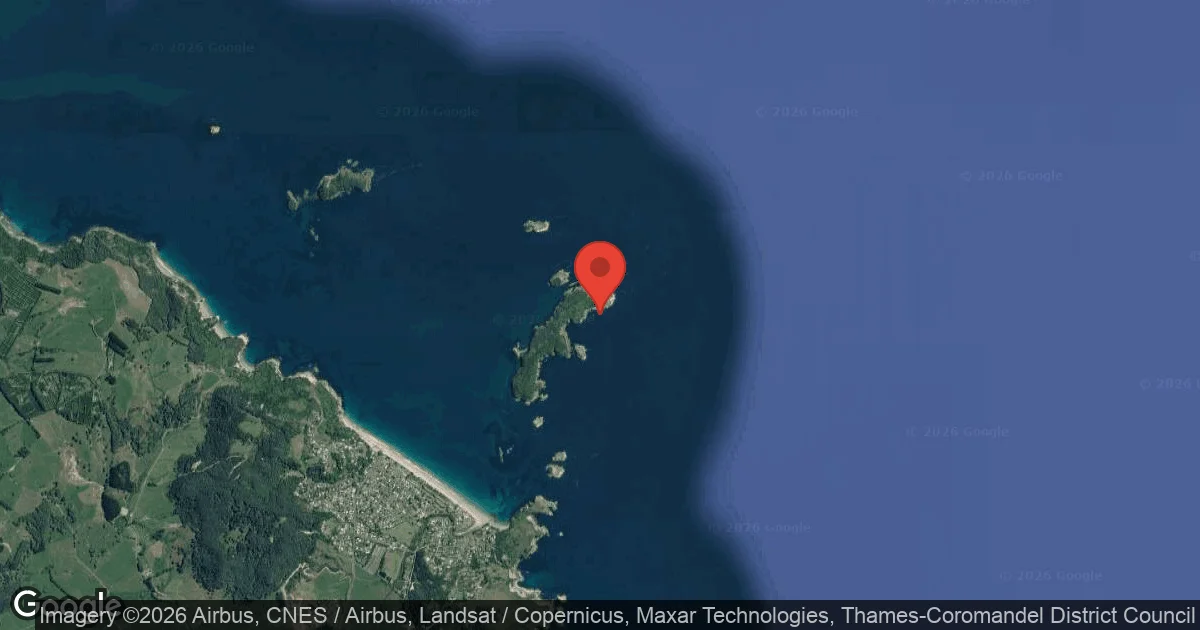
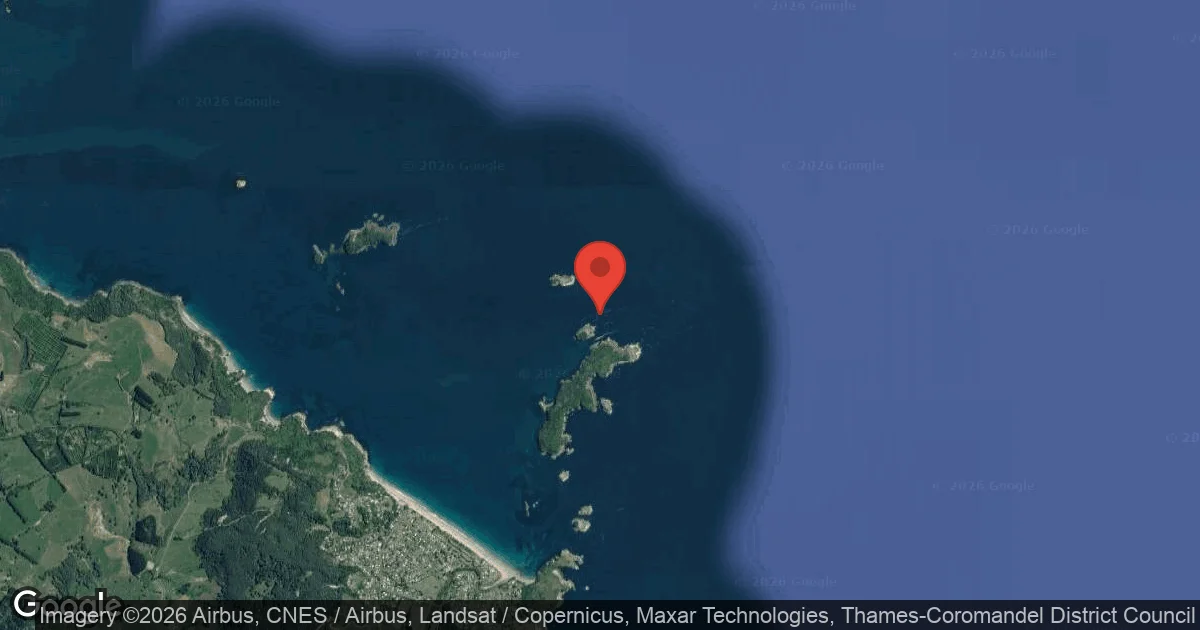
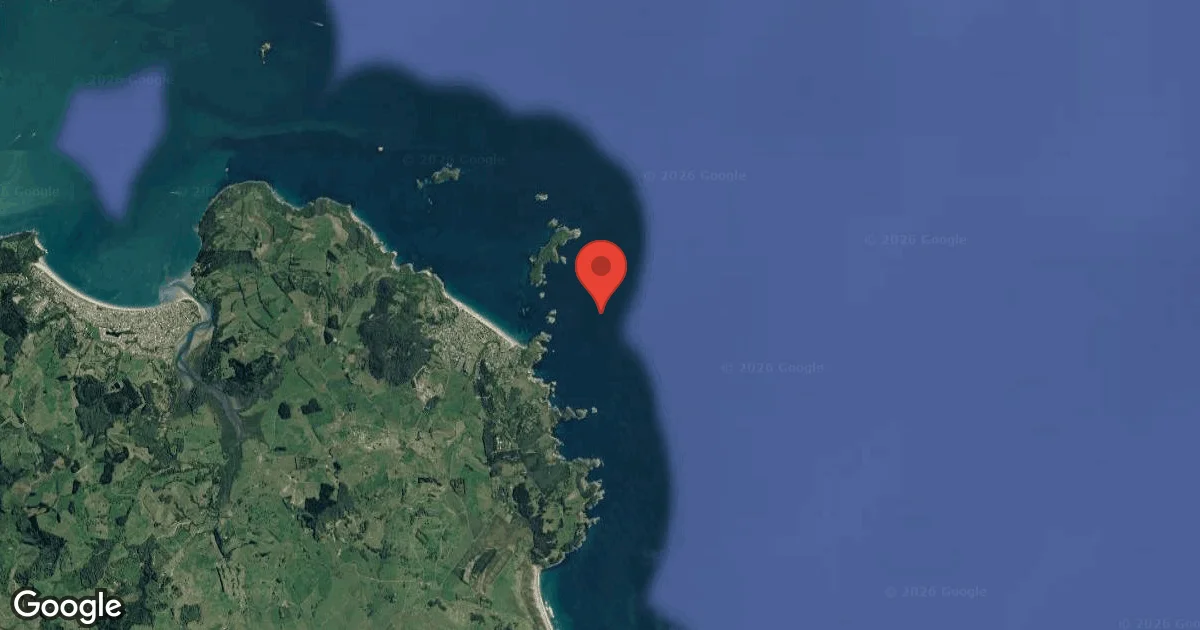
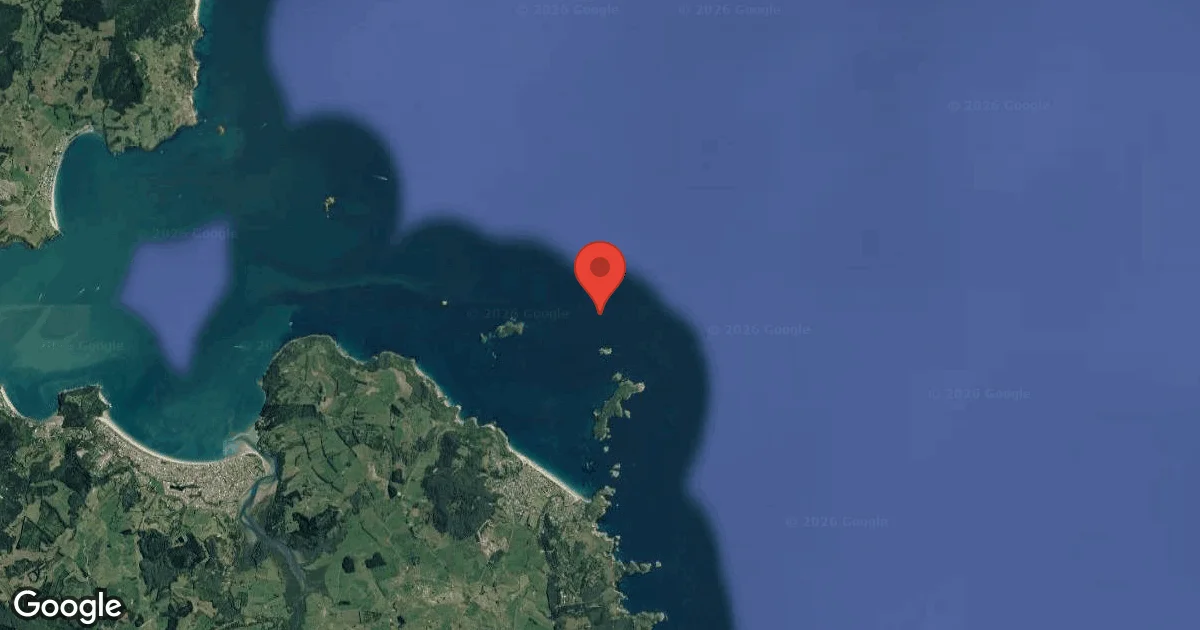
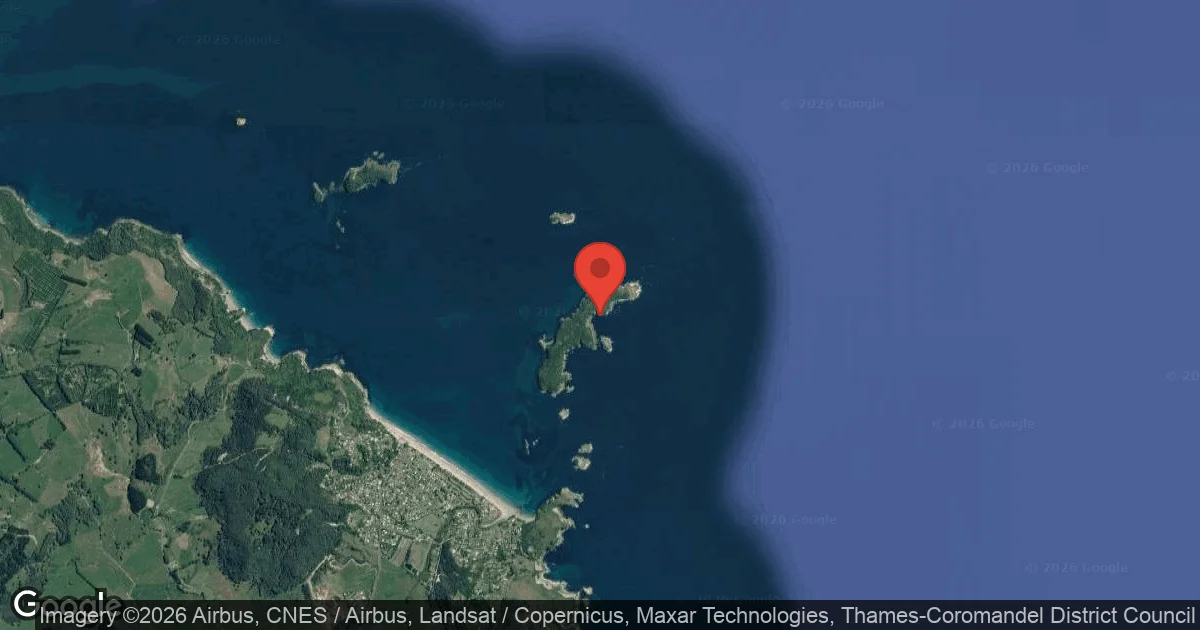
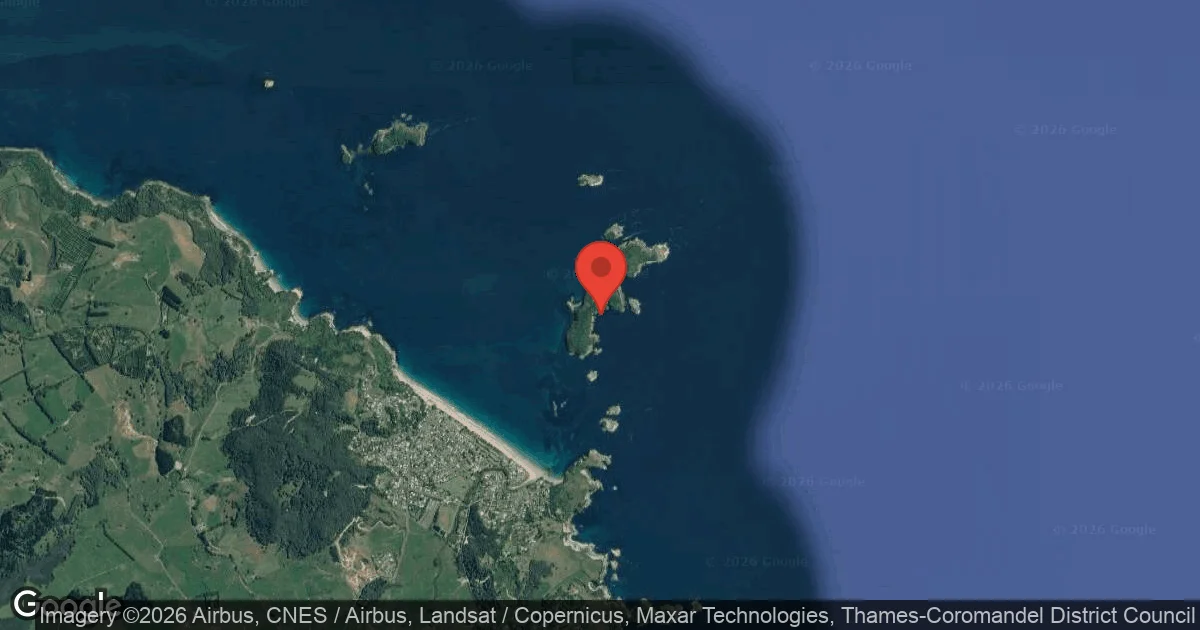
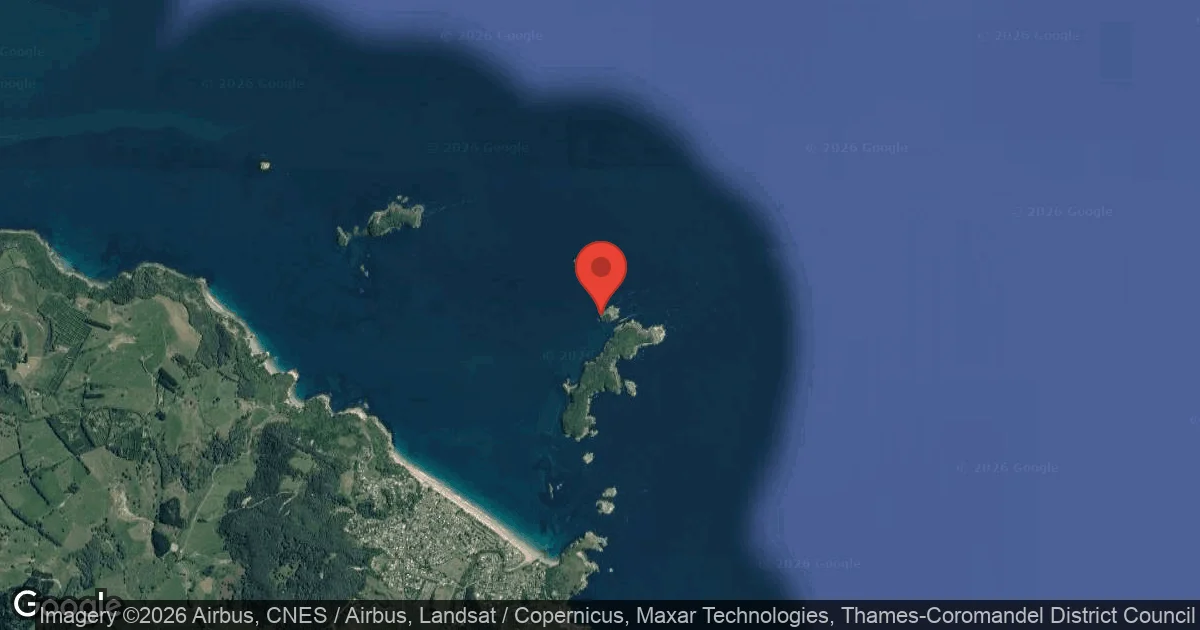
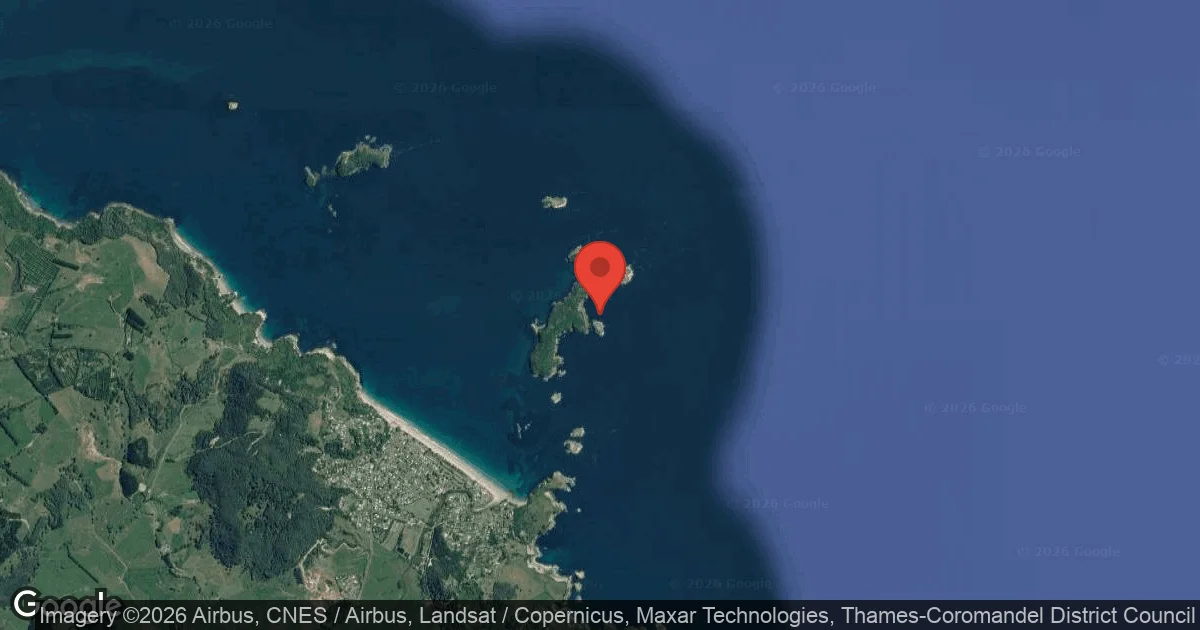
Dive Site Location & Key Facts
Dive Site Overview
Diving Russ' Ravine offers an immersive experience, revealing New Zealand's second-largest sea cave and a dynamic volcanic coastline underwater. A prominent rock formation defines this site, rising from a maximum depth of 28 m (91 ft) to within 8 m (26 ft) of the surface.
This geological feature creates a dramatic underwater landscape. The bay provides shelter from common north and west winds, creating generally calm conditions for exploration. Divers often choose to spend significant bottom time exploring shallower reef features and an excellent swim-through.
These accessible areas provide ample opportunity for detailed observation and photography. Visibility at the site is often quite clear, typically ranging from 20 to 30 m (65 to 100 ft), allowing for broad views of the varied topography.
Water temperatures can be around 22°C (72°F) in warmer months like March, inviting exploration of its unique pinnacle, reef, and cavern environments, all accessed by boat.
Conditions are Moderate
High Wind Advisory (48km/h). Unsafe surface.
Current conditions near Russ' Ravine show 16° air, 16° sea temperature, 0.8 m waves, and 48 km/h wind. Forecast data is refreshed regularly to ensure accuracy.
Best Time to Dive
Planning a dive at Russ' Ravine involves considering seasonal shifts, which bring varied conditions to the Coromandel's East Coast. January to March, alongside August and September, consistently report good dive scores, often presenting optimal conditions. During the peak summer period, air temperatures are comfortably around 18-20°C (64-68°F), with generally lower rainfall averages, making surface intervals pleasant. Specific water temperature data is limited outside March, when it reaches about 22°C (72°F); divers can anticipate cooler conditions during winter months. Moderate dive scores are more common from April through July, due to slightly increased wave heights and cooler air temperatures, which average 12-17°C (54-63°F). Visibility often remains good, regardless of season, frequently offering expansive views well beyond typical recreational distances, though wind speeds average around 20-27 km/h (12-17 mph) throughout the year and can influence surface chop.
PEAK SEASON SCORE
Scores combine air & water temps, waves, wind & rainfall for overall conditions.
BEST MONTHS TO DIVE
Monthly records compiled from satellite and marine observation nodes over the last 3 years. Data provided by Open-Meteo and MET Norway.
Dive Experience & Conditions
Navigating Russ' Ravine offers exploration within a protected environment. This bay's shelter from both north and west winds typically ensures calm surface conditions and minimal current impact across primary dive areas. Consistent visibility, frequently ranging from 20 to 30 m (65 to 100 ft), supports clear views for unhindered exploration. Water temperatures average 22°C (72°F) in March, varying with the seasons. A distinctive pinnacle dominates the site, rising to shallower depths and dropping towards its maximum recreational limit. Many dives concentrate on extensive shallower sections, often within mid-recreational limits, which are rich with features, including an excellent swim-through. Divers encounter geological formations, making each descent an engaging journey.
Dive Difficulty & Safety Guidelines
Approaching Russ' Ravine responsibly means acknowledging the challenges inherent in a dive site with varied topography. Its maximum depth, combined with features like caverns and swim-throughs, suggests that PADI Advanced Open Water Diver training or equivalent is beneficial for competent exploration. Divers should plan their gas consumption carefully, particularly when exploring deeper sections or intricate overhead environments.
A boat entry makes surface management straightforward, but maintaining situational awareness is still crucial. Standard safety practices, including buoyancy control, buddy system adherence, and carrying an appropriate light for darker areas, are paramount.
While no specific hazards are reported, vigilance for changing weather or sea states, especially wind, is always advisable given New Zealand's dynamic climate.
Recommended Equipment
Overhead environment. Do not enter beyond training and gas planning limits.
- Dive Computer
- Primary & Backup Lights
- Reel / Spool
- Cutting Tool
This gear list is based on verified equipment signals for Russ' Ravine, New Zealand. Always confirm final gear choices with your dive operator, guide, or liveaboard.
Recommended Dive Suit
With water temperatures around 16°C (60°F), many divers find a 5-7mm wetsuit provides comfortable protection.
Being prepared with flexible exposure options is a common approach among experienced divers.
Weather models indicate a small drop in surface temperatures later this week. Cooler days are ahead; you might want a warmer option for later in the week. A warmer option can provide additional comfort if conditions shift.
Emergency & Medical Support
Essential information to help you plan your dive trip to Russ' Ravine.

Hyperbaric chambers are a critical part of dive safety infrastructure. Availability varies significantly by region, and not all dive areas have immediate access.
Before diving, it's recommended to:
- confirm nearest medical facilities
- check emergency procedures with local dive operators
- ensure dive insurance covers evacuation if required
Divers Alert Network
Diving emergency assistance available through DAN World.
+1-919-684-9111- 24/7 emergency hotline
- Diving medical assistance
- Evacuation coordination
Emergency contacts are provided for reference. Always verify local emergency services before diving.
Marine Life at Russ' Ravine
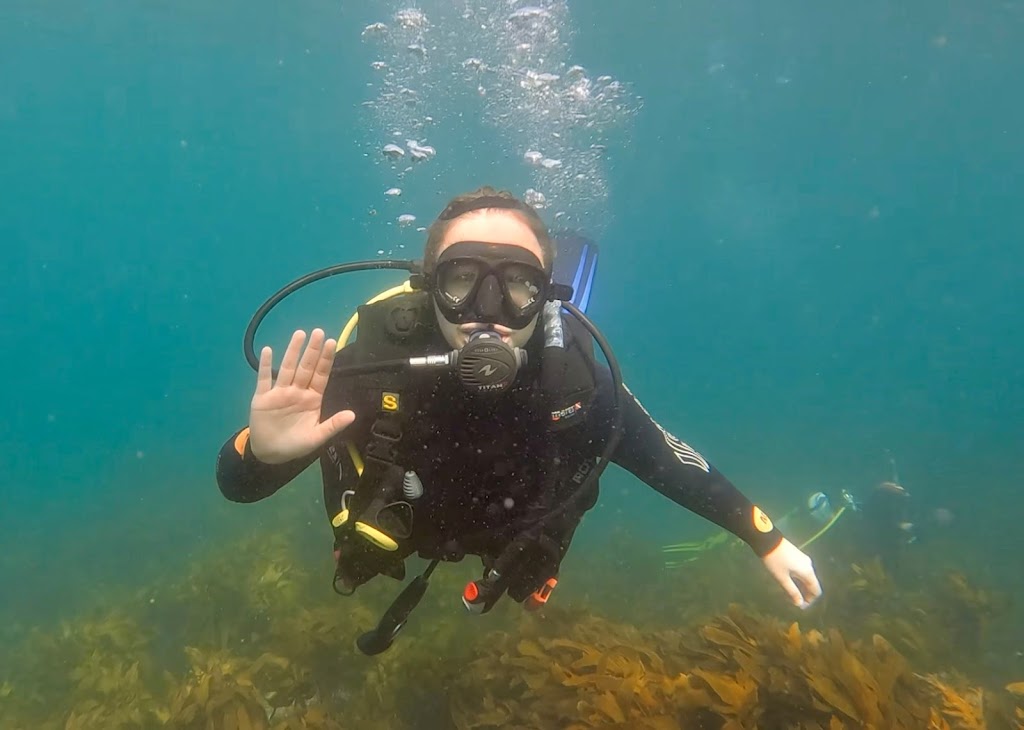
A diverse underwater landscape at Russ' Ravine supports a rich variety of marine life, making it a compelling site for observation. From the rugged pinnacle walls to the shadowy recesses of its cavern, each habitat hosts distinct species.
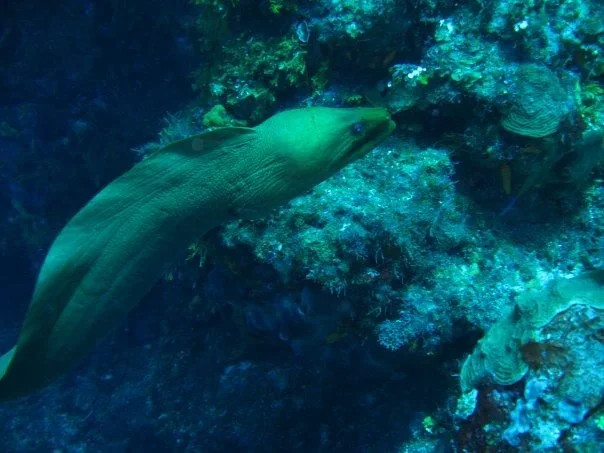
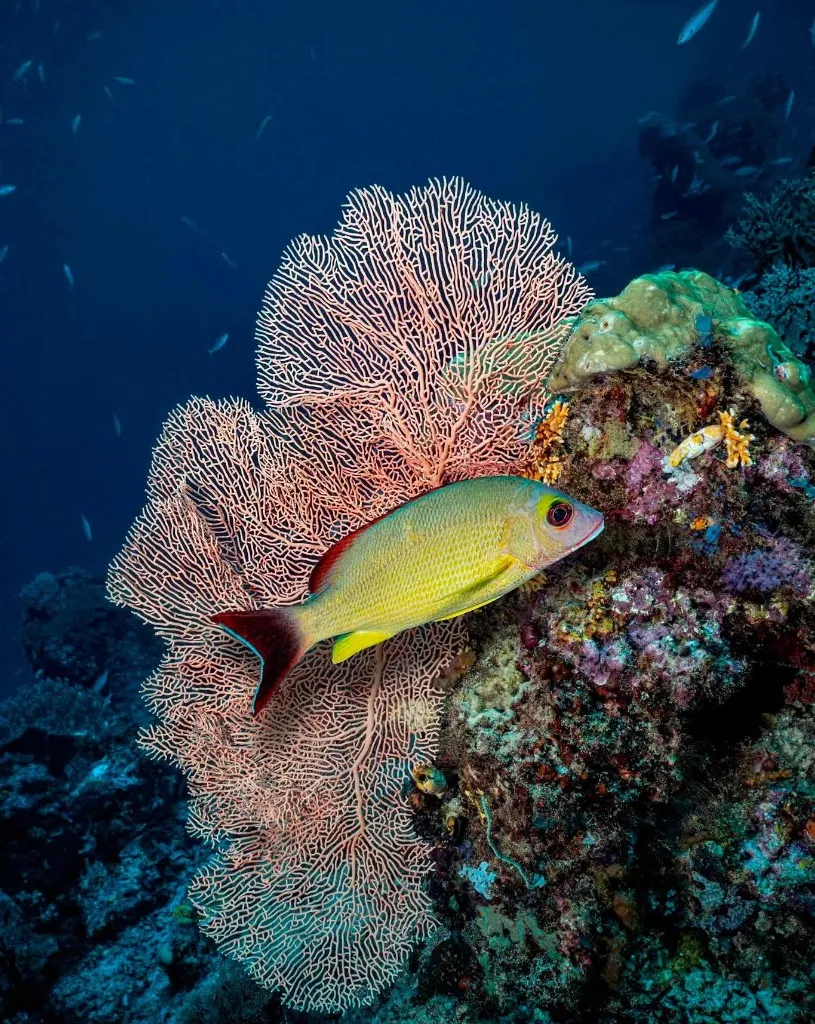
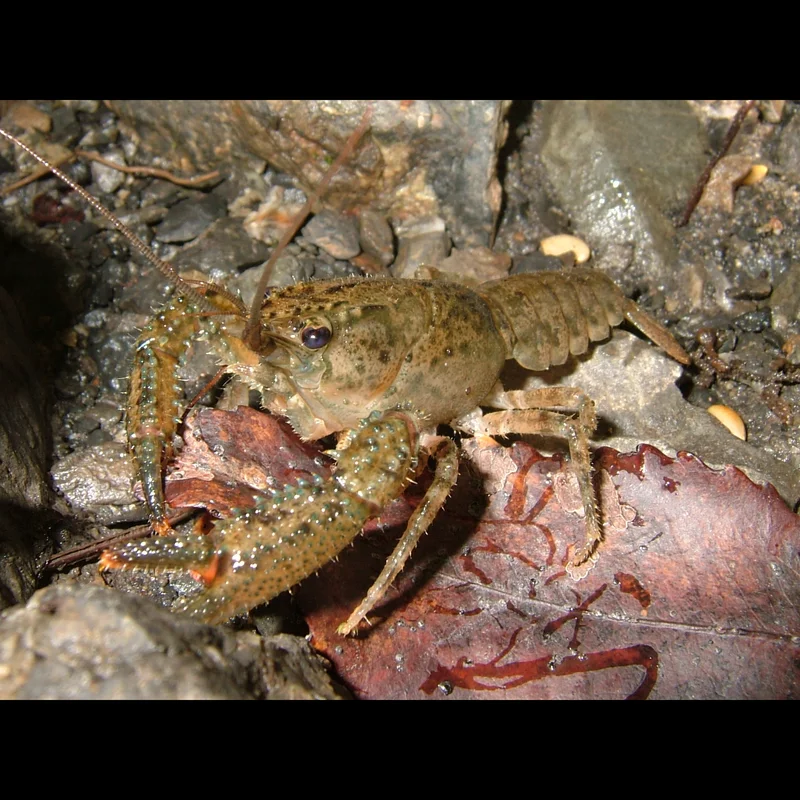
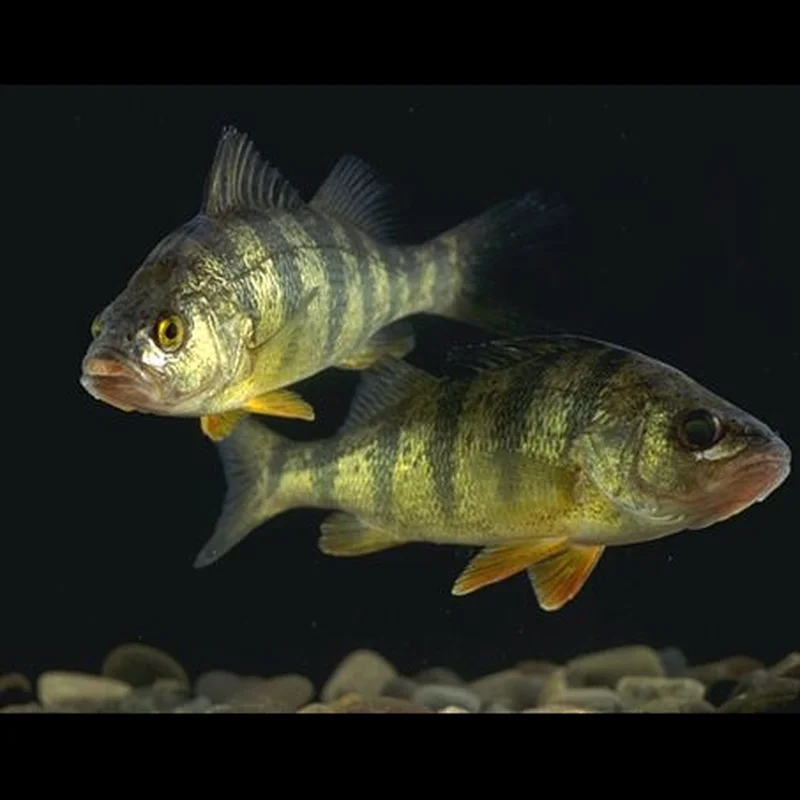
Divers regularly encounter schools of pelagic fish moving through the open water, while snapper and perch are common residents along the reef structures. Moray eels often peer from cracks and crevices, and crayfish are frequently spotted tucked away.
A thriving marine reserve further encourages sightings of impressive kingfish and other larger species, contributing to a vibrant ecosystem.
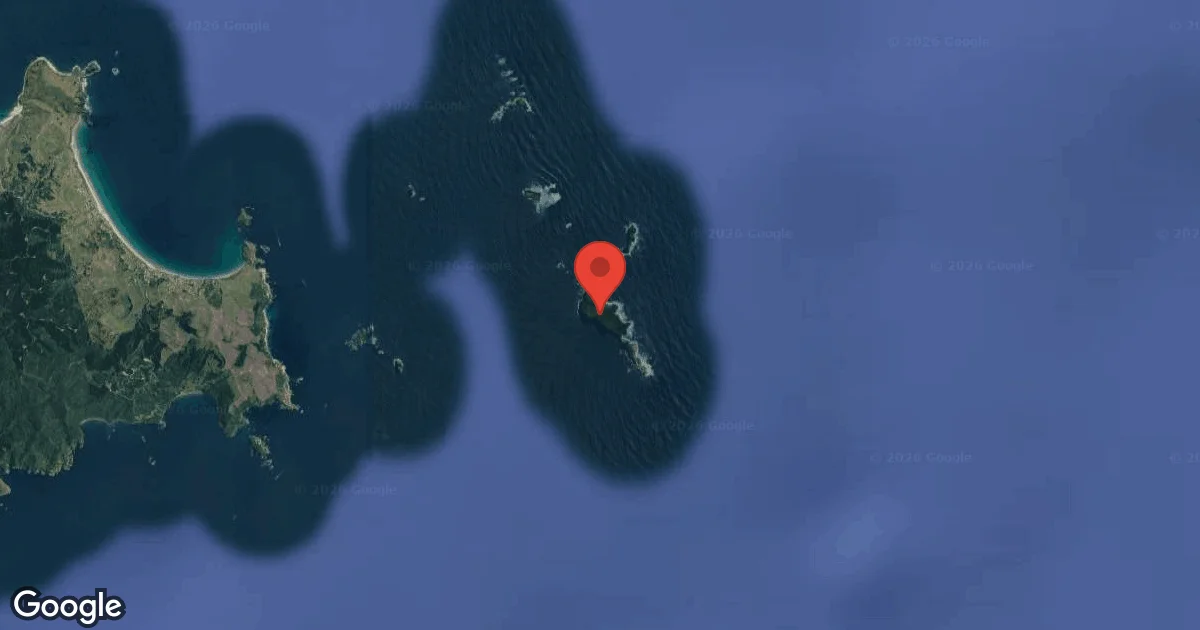
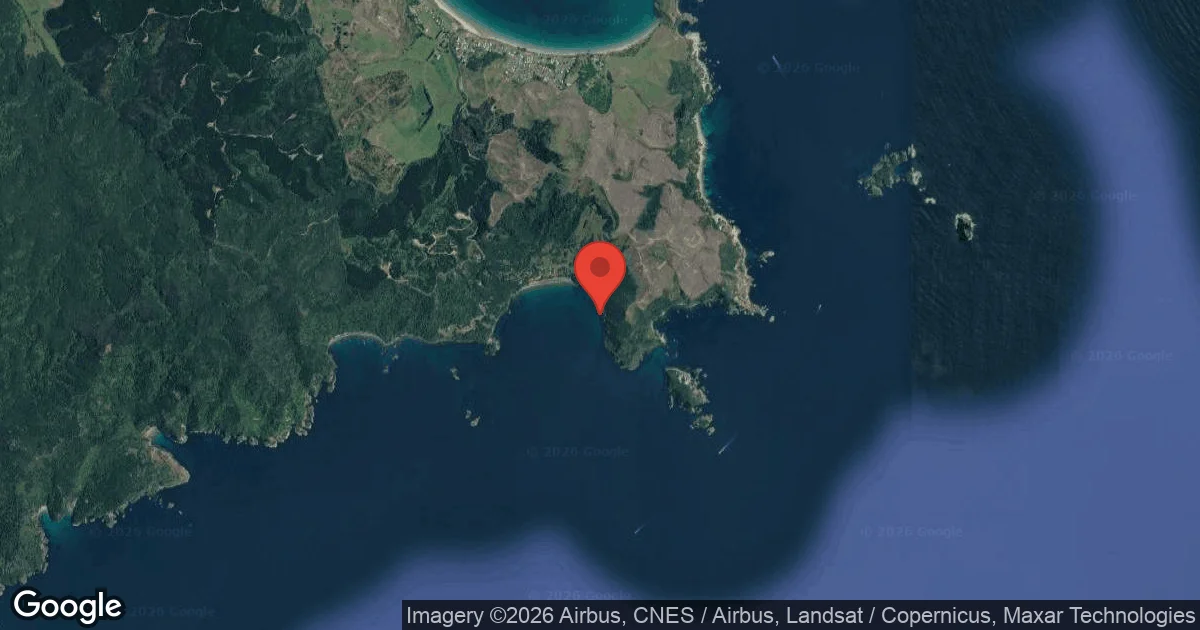
Dive Sites Near Russ' Ravine
View all dive sites in New ZealandDiscover more underwater gems in this area.
Dive Centers Near Russ' Ravine
Nearest Airports
Nearest airports to help plan travel to this dive area.
Search Flights
Check available flights and routes on Expedia, using the nearby airports listed in this section.
Search Flights on ExpediaFrequently Asked Questions
What is the maximum depth at Russ' Ravine?
The maximum recreational depth at Russ' Ravine is 28 m (91 ft). However, extensive shallower sections exist, with the main rock formation reaching 8 m (26 ft) below the surface.
What kind of dive site is Russ' Ravine?
Russ' Ravine is a diverse site featuring a pinnacle, a vibrant reef, and accessible caverns. An excellent swim-through is also a notable feature for exploration.
What marine life can I expect to see?
Common sightings include various pelagic fish, snapper, perch, moray eels, crayfish, and kingfish. Marine reserve status contributes to a healthy population of species.
What are the typical water conditions?
The bay is well-sheltered from north and west winds, which helps maintain good visibility, typically 20 to 30 m (65 to 100 ft). Water temperature in March is around 22°C (72°F), with seasonal variations.
What training is recommended for this site?
Due to its varied depths and features like caverns, PADI Advanced Open Water Diver certification or equivalent experience is recommended to fully and safely explore the site.
How do divers access Russ' Ravine?
Access to Russ' Ravine is exclusively by boat. This facilitates convenient entry and exit to the sheltered dive site.
Planning to dive Russ' Ravine?
Send one inquiry and receive offers directly from the best verified local dive operators.
Conditions are Moderate
High Wind Advisory (48km/h). Unsafe surface.
Current conditions near Russ' Ravine show 16° air, 16° sea temperature, 0.8 m waves, and 48 km/h wind. Forecast data is refreshed regularly to ensure accuracy.