
Diving at Shipwreck Bay (New Zealand)
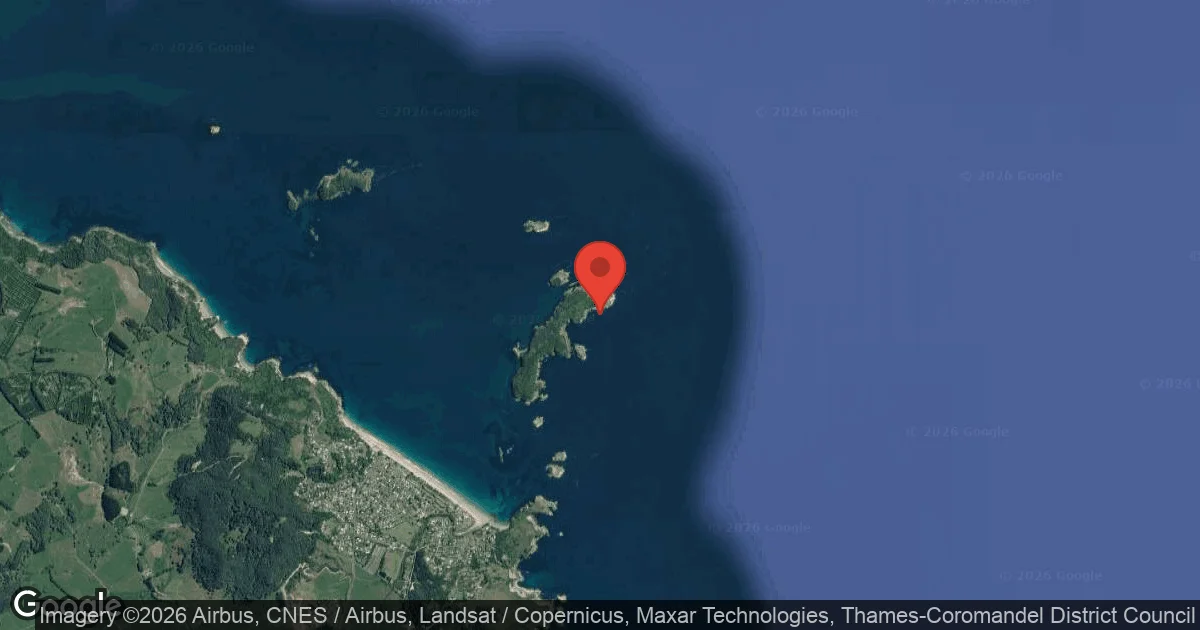
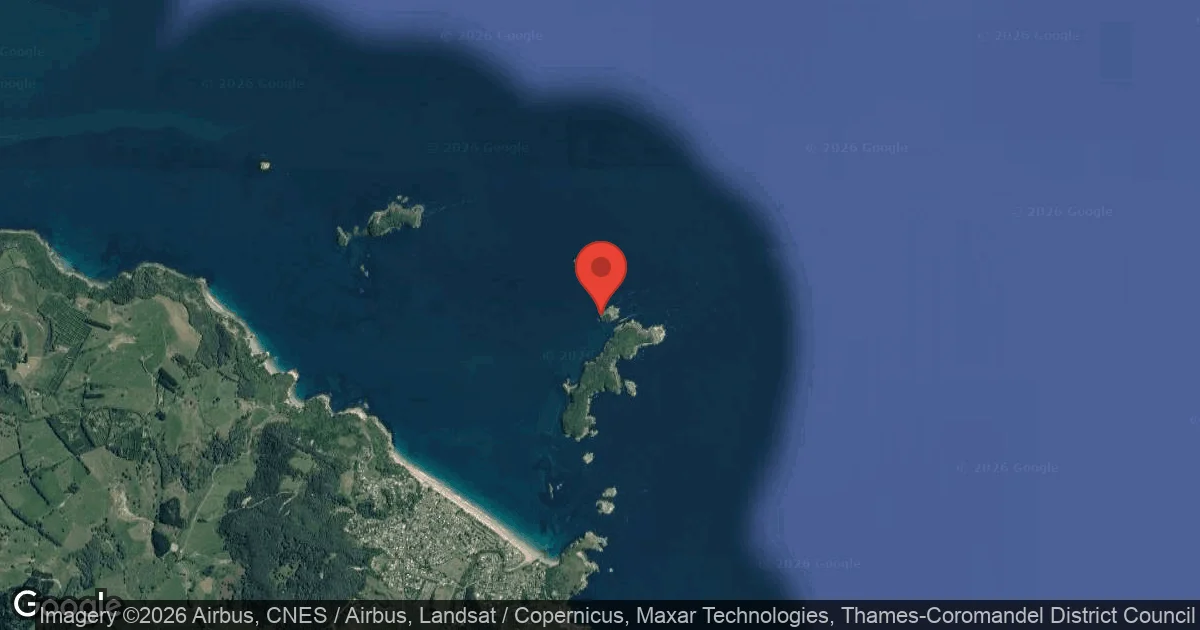
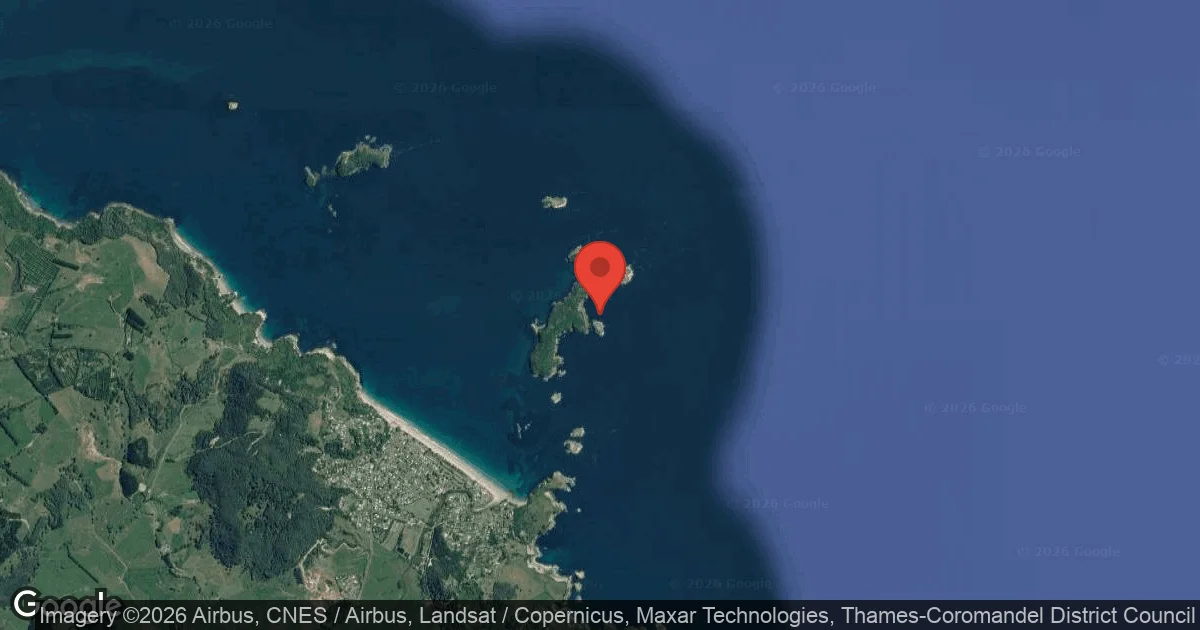
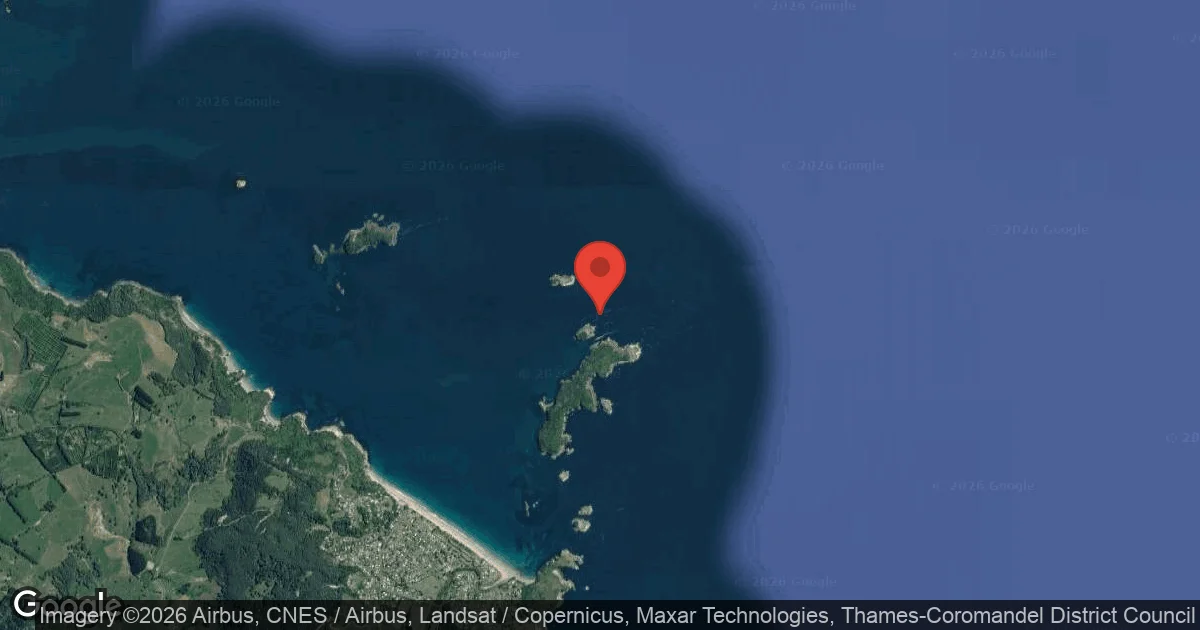
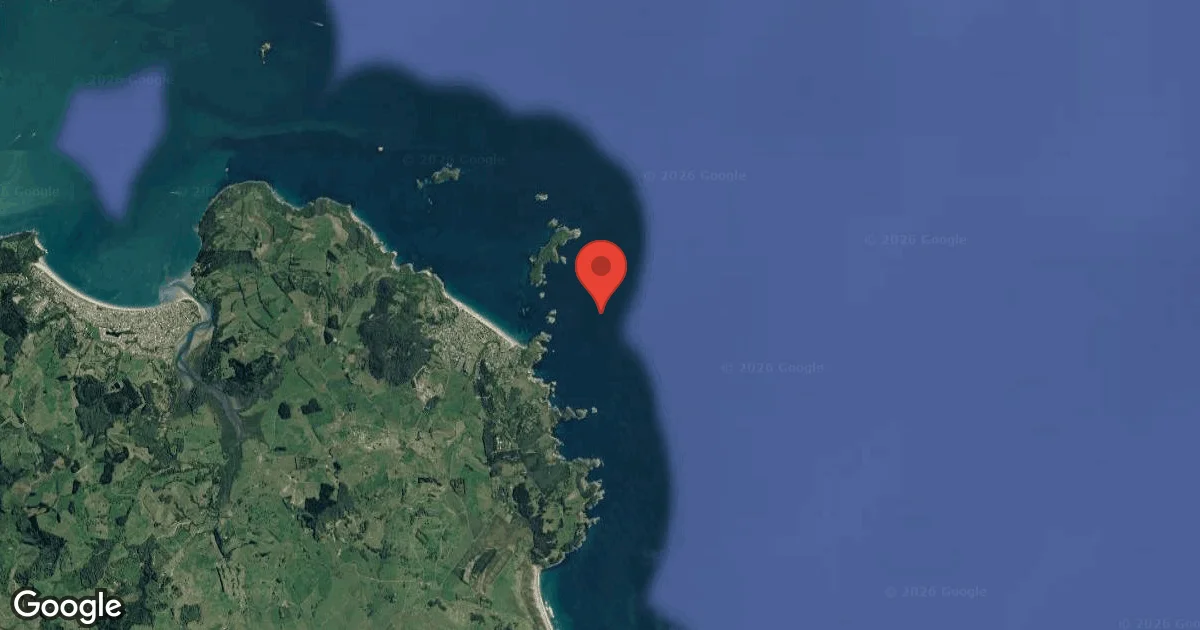
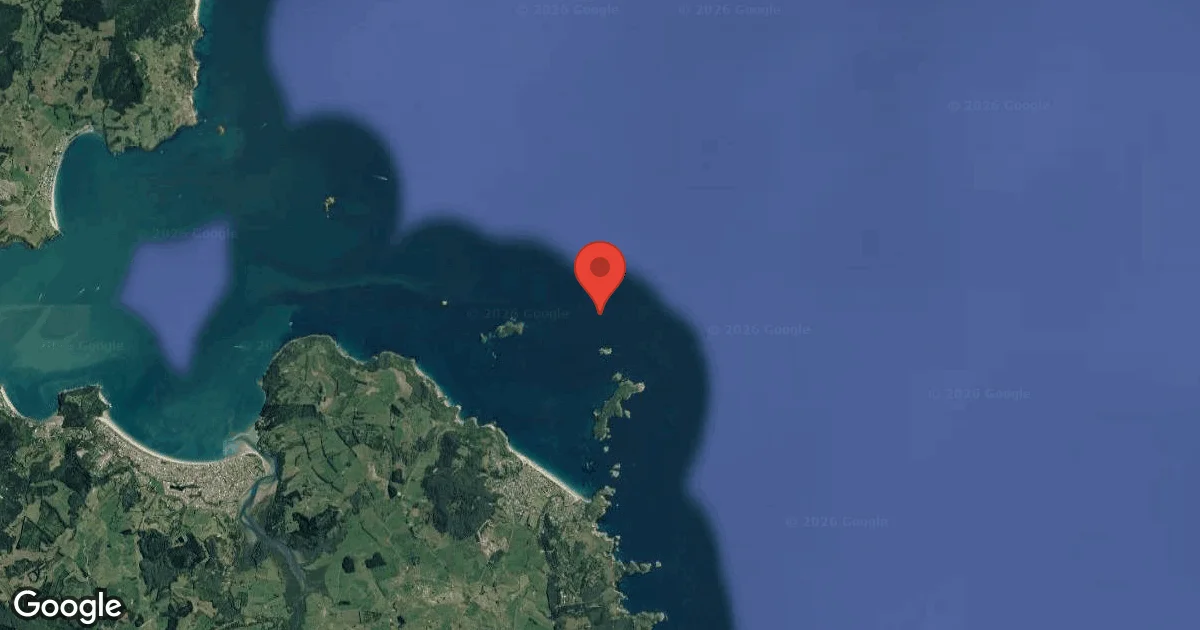
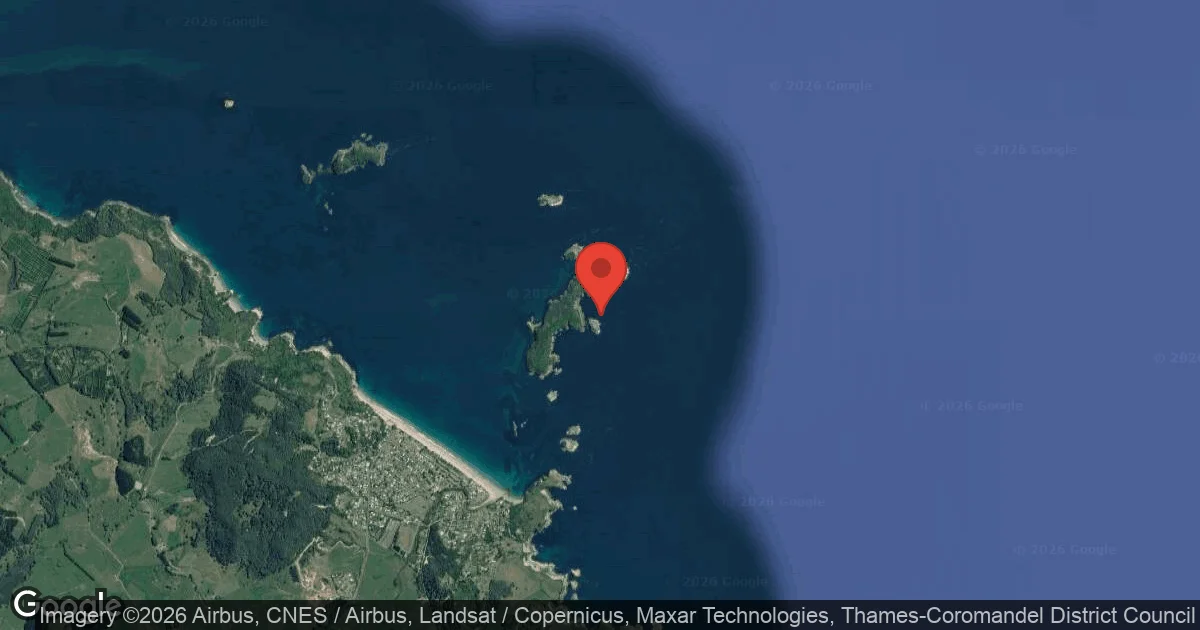
Despite its evocative name, Shipwreck Bay in New Zealand's Coromandel region no longer holds a visible wreck, the original vessel long since dispersed by the sea. Positioned on the east side of Mahurangi Island, just outside the Whanganui-a-Hei Marine Reserve, this dive site offers a vibrant, shallow ecosystem rather than historical artifacts. Divers will find a popular local dive, rich with aquatic encounters.
Evening condition tracking at Shipwreck Bay features an air temperature of 16.5°C. We have recorded wave heights measuring 0.9 m during this period. These figures outline the environmental parameters currently present.
Dive Site Location & Key Facts
Dive Site Overview
The underwater topography at Shipwreck Bay presents a diverse environment, characterized by a rocky and bouldery bottom complemented by extensive kelp forests. Descending, divers encounter a landscape of large rocks and boulders, creating numerous small swim-throughs and sheltered nooks to investigate.
Depths here typically range from 4 m (13 ft) in shallower sections, gradually tapering to a maximum of 18 m (59 ft) in deeper areas, accommodating a broad spectrum of diver experience levels. The kelp, often dense, sways with the gentle surge, providing cover and hunting grounds for various species.
Although no intact shipwreck remains, the site's evocative name persists, a legacy of what once was. Navigating this landscape, divers find an engaging and easily explorable area, where good visibility commonly enhances the experience of observing marine life within the rocky crevices and along the kelp fronds.
Exploring these rock formations and the edges of the kelp beds often reveals numerous smaller creatures and fish species taking refuge.
Conditions are Moderate
High Wind Advisory (53km/h). Unsafe surface.
Current conditions near Shipwreck Bay show 17° air, 16° sea temperature, 0.9 m waves, and 53 km/h wind. Forecast data is refreshed regularly to ensure accuracy.
Best Time to Dive
While Shipwreck Bay offers moderate diving conditions year-round, the most favorable period, marked by warmer air temperatures and generally calmer seas, aligns with the New Zealand summer, from December through March. During this peak season, average air temperatures typically range from 17-19°C (63-66°F). February stands out with the lowest average rainfall, approximately 2.6 mm, contributing to better visibility. Conversely, the cooler months, particularly July, see average air temperatures drop to around 11°C (52°F), with moderate dive scores still reported, indicating that conditions can still be navigable, albeit colder.
PEAK SEASON SCORE
Scores combine air & water temps, waves, wind & rainfall for overall conditions.
BEST MONTHS TO DIVE
Monthly records compiled from satellite and marine observation nodes over the last 3 years. Data provided by Open-Meteo and MET Norway.
Dive Experience & Conditions
Descending into Shipwreck Bay, divers are immediately enveloped by a lively underwater environment, often experiencing good visibility. This site is particularly approachable for both new and experienced divers, thanks to its manageable maximum depth of 18 m (59 ft) and sheltered nature from northwest and southwest winds. Explorations involve navigating bouldery terrain and kelp, encountering abundant sea life for such a shallow dive. It’s a site where photographers and videographers find ample subjects, enjoying the ease of movement and the richness of the aquatic encounters.
Dive Difficulty & Safety Guidelines
Navigating Shipwreck Bay is generally considered safe for a wide range of diver experience levels, with no specific major hazards consistently reported for the site itself. Entry to the dive site is exclusively by boat, which simplifies access and minimizes shore-related risks. Divers should always follow standard safe diving practices, including dive planning, buddy checks, and monitoring depth and bottom time with a dive computer. Adhering to local guidance from dive operators ensures a safe and enjoyable experience.
Recommended Equipment
Overhead environment. Do not enter beyond training and gas planning limits.
- Dive Computer
- DSMB
- Primary & Backup Lights
- Reel / Spool
- Cutting Tool
This gear list is based on verified equipment signals for Shipwreck Bay, New Zealand. Always confirm final gear choices with your dive operator, guide, or liveaboard.
Recommended Dive Suit
Forecasts suggest a slight cooling pattern in the days ahead. A significant temperature drop is forecast; strongly suggest bringing a backup warmer suit option. A hood or vest can noticeably improve warmth during longer dives.
Divers who prefer a balanced level of warmth often select 5-7mm wetsuit in water temperatures like this. Consider warmer surface protection (like a boat coat) due to brisk winds. A thermal robe or jacket is recommended between dives.
At Shipwreck Bay, the water is currently sitting around 16°C (60°F). Surface air temperatures are resting at 17°C (62°F).
Emergency & Medical Support
Essential information to help you plan your dive trip to Shipwreck Bay.

Hyperbaric chambers are a critical part of dive safety infrastructure. Availability varies significantly by region, and not all dive areas have immediate access.
Before diving, it's recommended to:
- confirm nearest medical facilities
- check emergency procedures with local dive operators
- ensure dive insurance covers evacuation if required
Divers Alert Network
Diving emergency assistance available through DAN World.
+1-919-684-9111- 24/7 emergency hotline
- Diving medical assistance
- Evacuation coordination
Emergency contacts are provided for reference. Always verify local emergency services before diving.
Marine Life at Shipwreck Bay
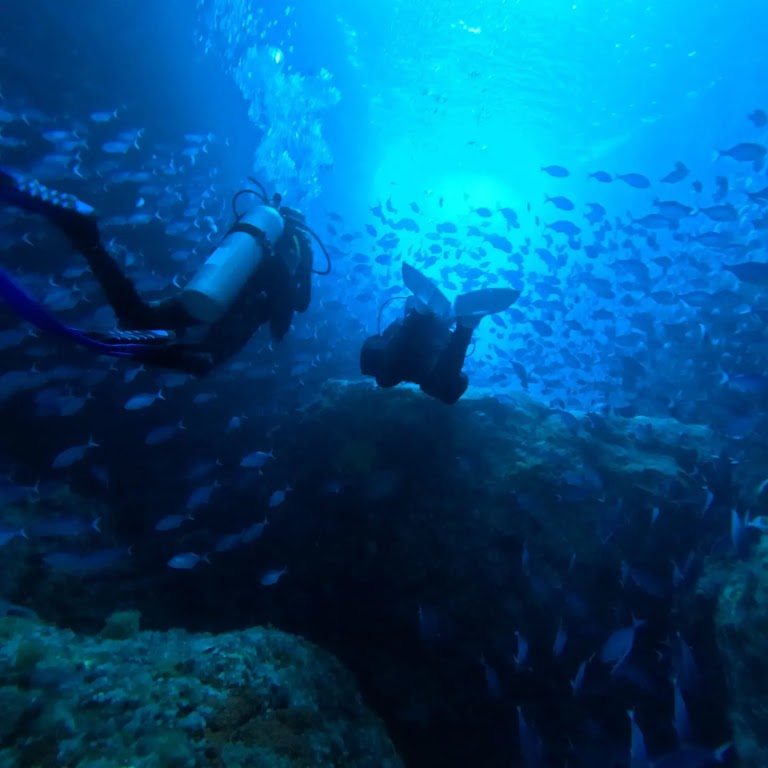
Shipwreck Bay, despite its relatively shallow maximum depth, maintains a remarkably dense population of marine inhabitants. Divers can expect to encounter a wide array of different fish, including triggerfish and various pelagic species.
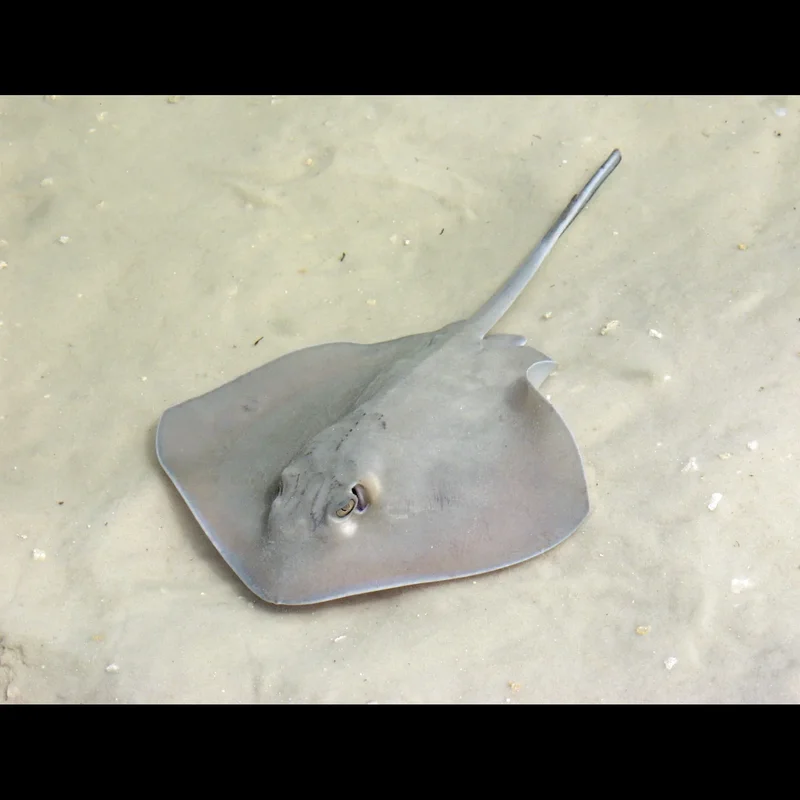
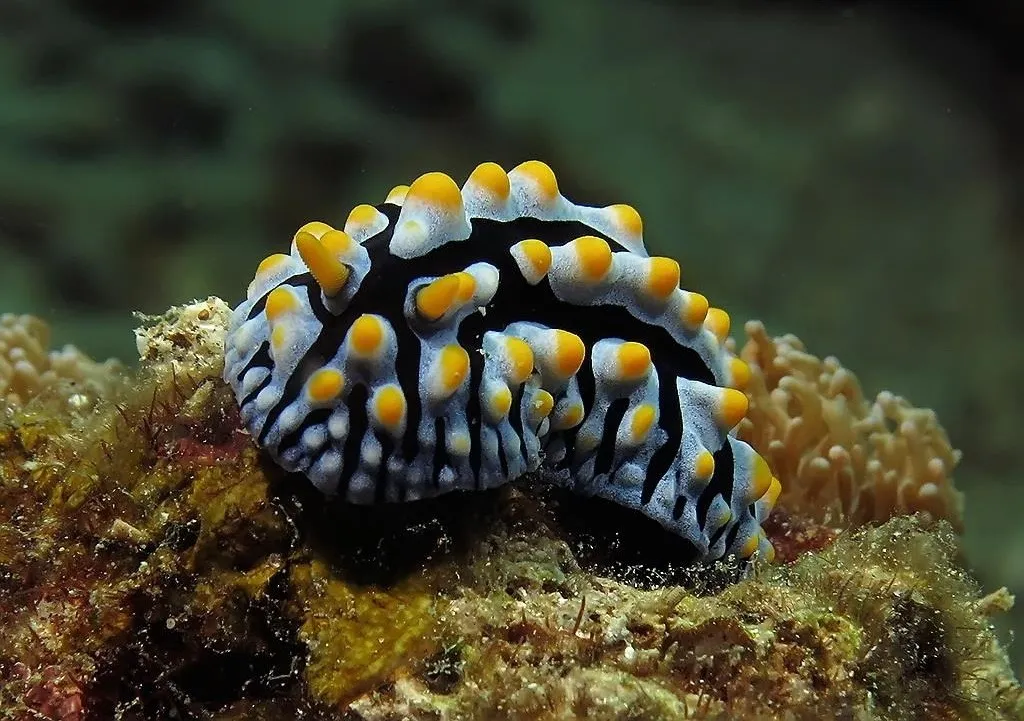
Crayfish are a common sighting, alongside fascinating nudibranchs and sponges adhering to the rocky bottom. Stingrays are also present, often seen gracefully moving across the seafloor, adding to the site’s vibrant character. The area is also known for large kina deposits.


Dive Sites Near Shipwreck Bay
View all dive sites in New ZealandDiscover more underwater gems in this area.
Dive Centers Near Shipwreck Bay
Nearest Airports
Nearest airports to help plan travel to this dive area.
Search Flights
Check available flights and routes on Expedia, using the nearby airports listed in this section.
Search Flights on ExpediaFrequently Asked Questions
Is there an actual shipwreck at Shipwreck Bay?
No, despite its name, there is no longer an intact shipwreck at Shipwreck Bay. The original vessel has long since broken up and been swept away, leaving behind only the evocative name.
What is the maximum depth at Shipwreck Bay?
The maximum depth at Shipwreck Bay ranges from 4 m (13 ft) tapering to 18 m (59 ft). This depth profile makes it suitable for recreational divers of varying experience levels.
What kind of marine life can I expect to see?
Shipwreck Bay hosts a wide array of fish and shellfish. Common sightings include triggerfish, pelagic fish, crayfish, nudibranchs, sponges, and stingrays. The site also features large deposits of kina.
Is Shipwreck Bay suitable for beginner divers?
Yes, Shipwreck Bay is considered an ideal dive spot for both new and experienced divers. Its relatively shallow depth and good visibility contribute to an accessible and enjoyable experience.
How do I access the dive site?
Access to Shipwreck Bay is exclusively by boat. Dive operators in the Cathedral Cove area typically arrange trips to this location.
What are the typical visibility conditions?
Visibility at Shipwreck Bay is generally reported as good. Conditions can vary, but clear waters are often experienced, enhancing the dive experience through the rocky and kelp-filled topography.
Planning to dive Shipwreck Bay?
Send one inquiry and receive offers directly from the best verified local dive operators.
Conditions are Moderate
High Wind Advisory (53km/h). Unsafe surface.
Current conditions near Shipwreck Bay show 17° air, 16° sea temperature, 0.9 m waves, and 53 km/h wind. Forecast data is refreshed regularly to ensure accuracy.