
Diving at Middle Arch (New Zealand)
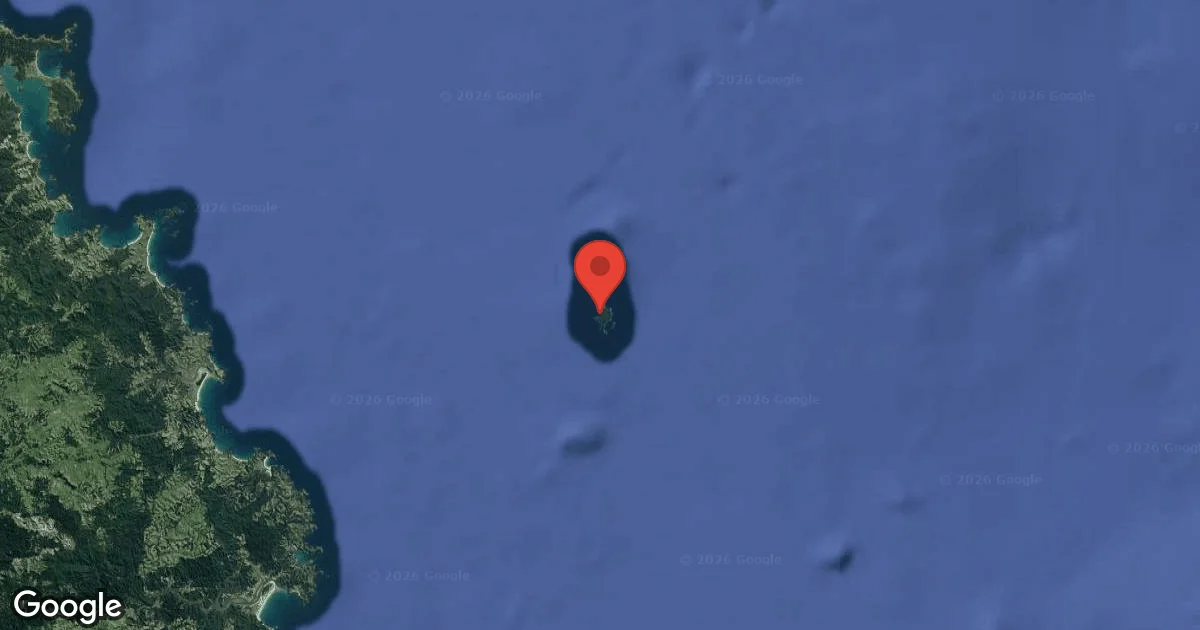
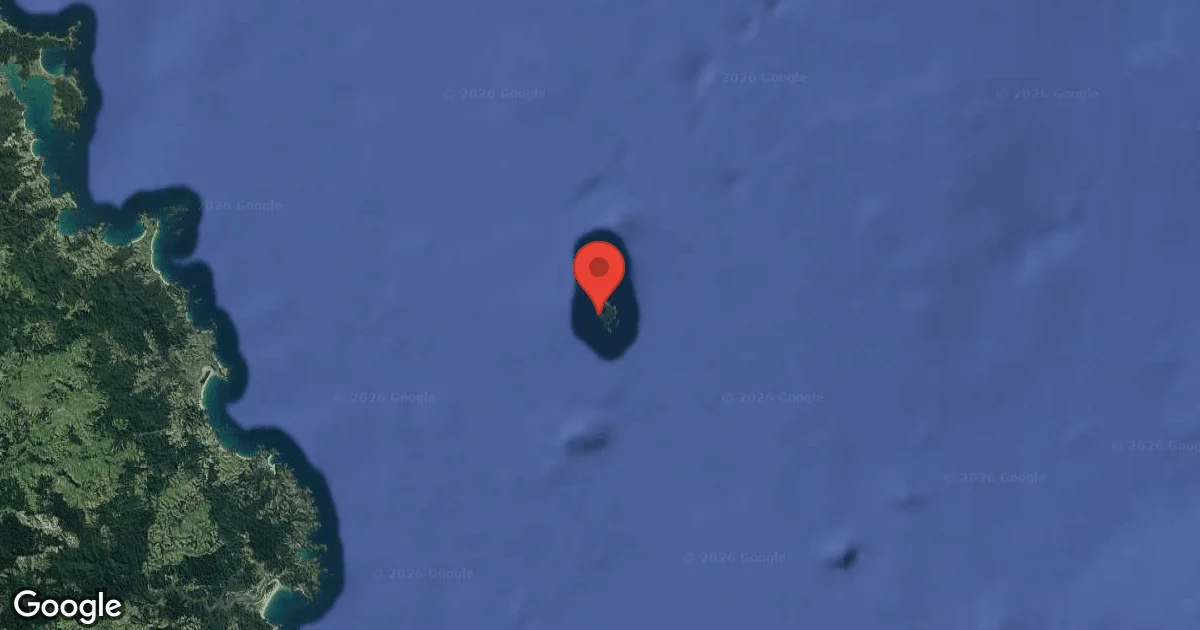
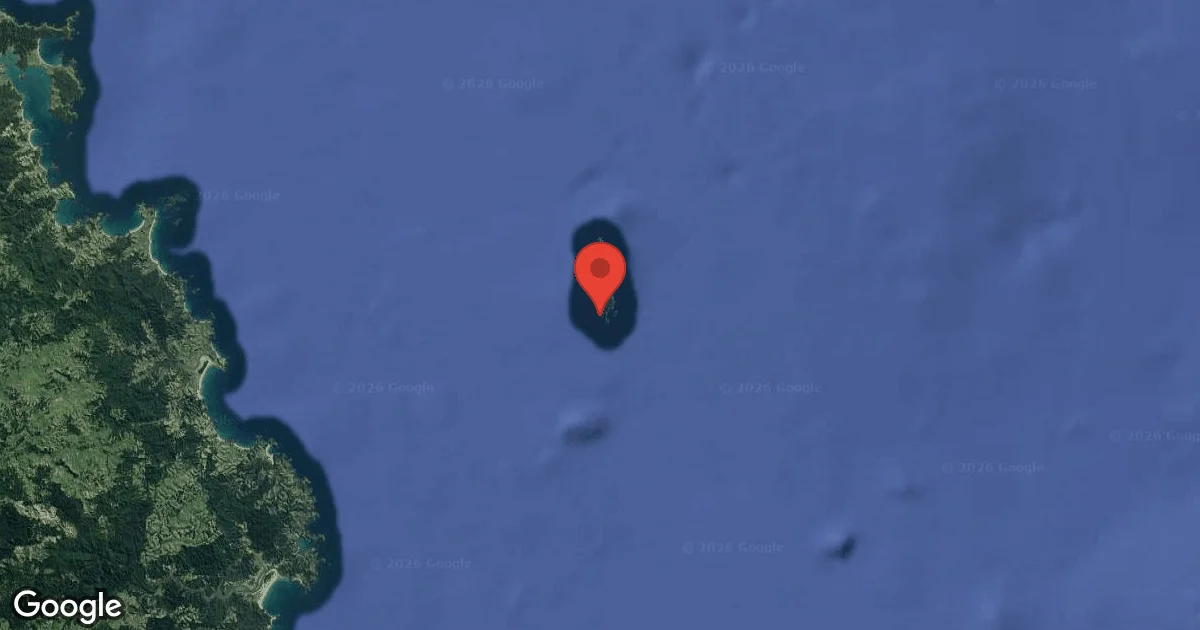
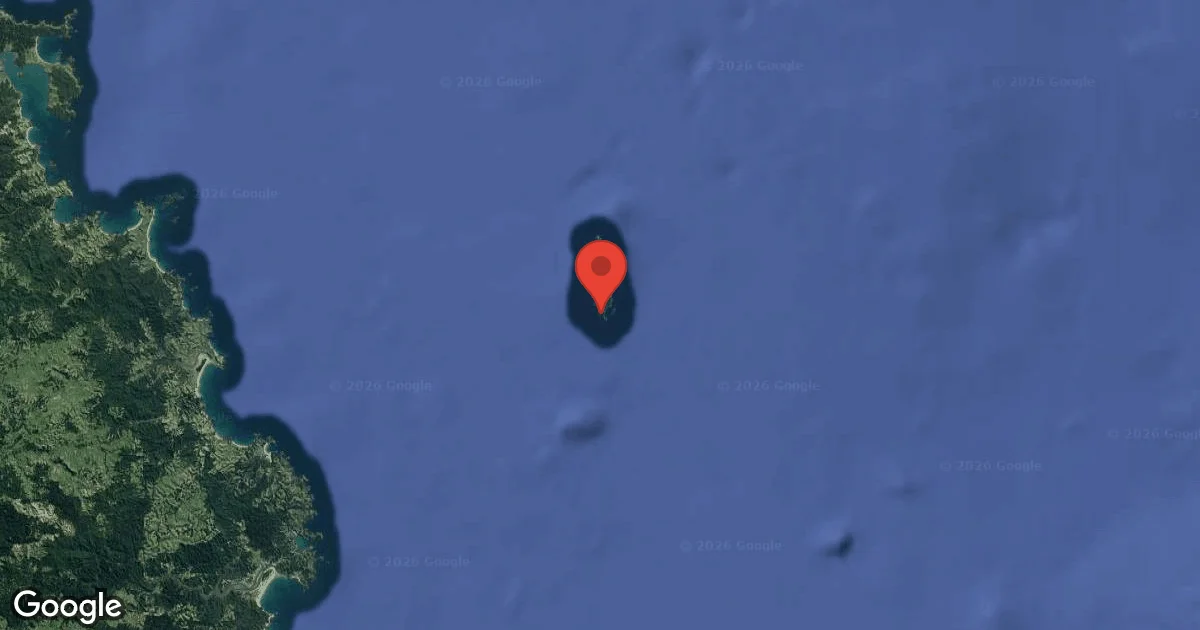
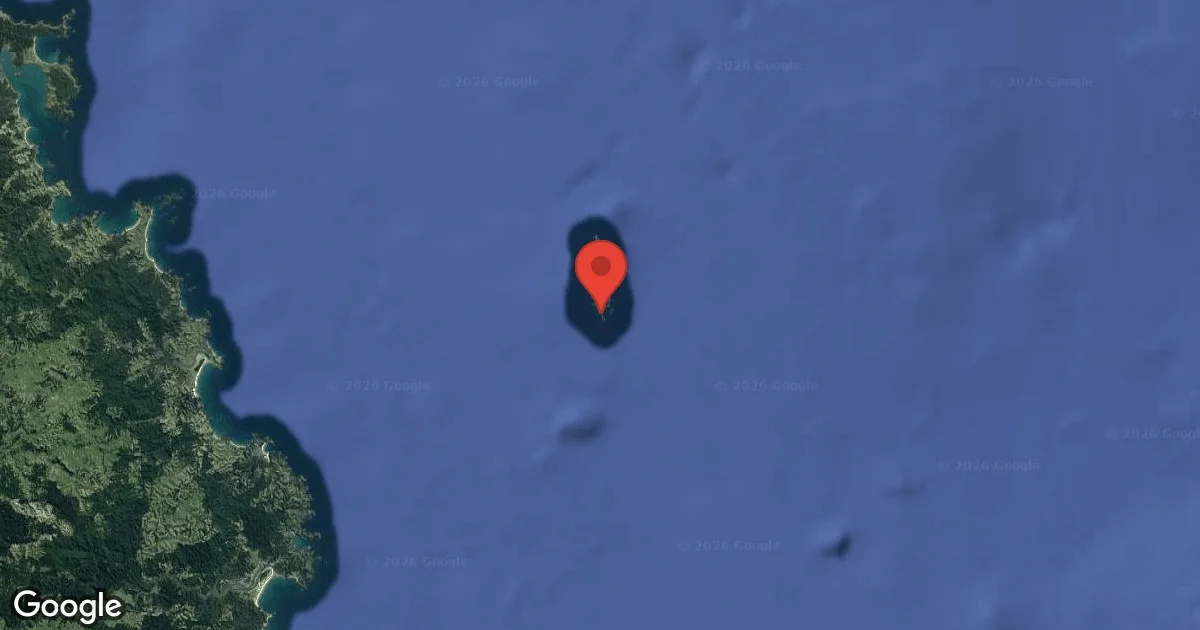
Middle Arch forms a significant natural archway within New Zealand's Poor Knights Islands Marine Reserve. This site presents a varied underwater profile, with the arch bottom itself typically at 14-18 m (46-59 ft). Beyond the arch, the seafloor gradually slopes to depths exceeding 30 m (100 ft) on both northern and southern ends, offering extended exploration opportunities for divers. Its topography features bold rock formations and vibrant encrusting life.
As evening covers Middle Arch, the local air temperature is measured at 15°C. The current wave height at the surface is recorded at 1.4 m. These late-day readings characterize the surface conditions for the night.
Dive Site Location & Key Facts
Dive Site Overview
A distinct dive experience awaits at Middle Arch, nestled within the Poor Knights Islands. The passage through the arch provides a visual spectacle, particularly as light filters through the opening, creating a memorable ambiance for divers.
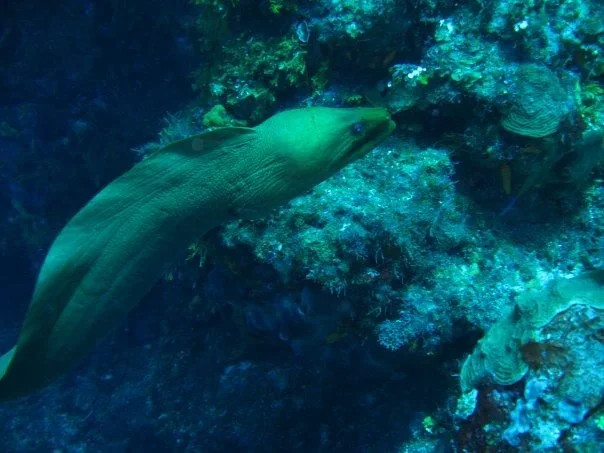
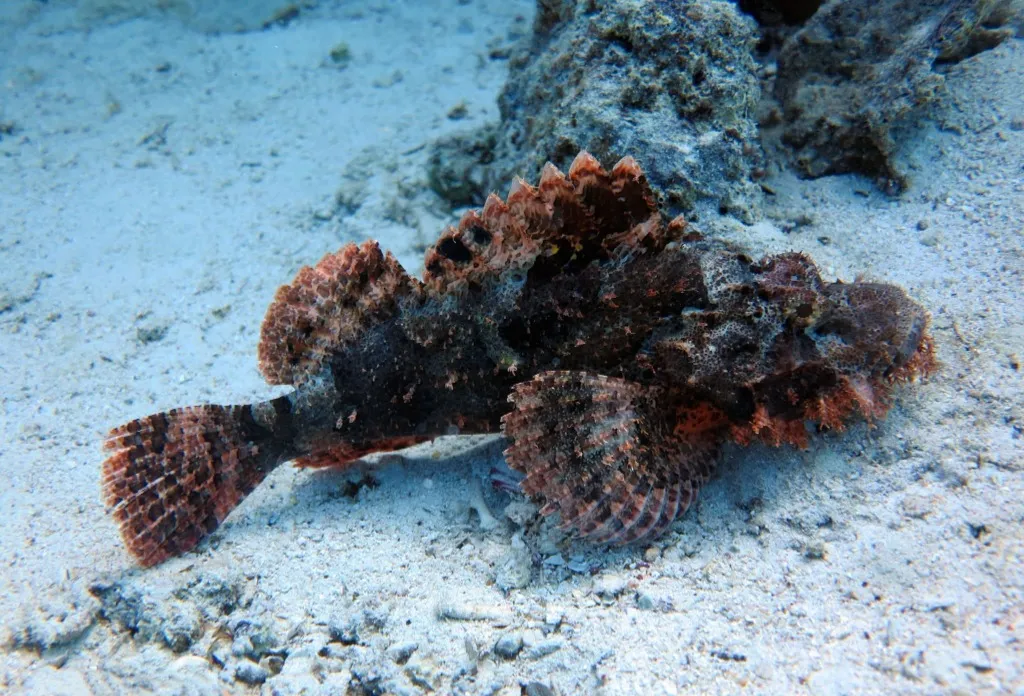
Depths here cater to a range of certifications; while the arch bottom sits around 14-18 m (46-59 ft), the surrounding reefs and slopes extend downwards, reaching over 30 m (100 ft) just 40 m (130 ft) from the walls at the southern anchorages. Divers can expect to navigate intricate bouldery terrain, uncovering hidden scorpionfish and numerous nudibranchs amongst the rocks. A notable feature near the southwestern entrance is a cave, locally known as Bernie's Cave, which includes an air pocket.
This adds an overhead environment element to the dive, with its floor approximately 12 m (39 ft) deep and ceiling around 8 m (26 ft). Exploring its interior reveals schools of Porae, Perch, and Mado, alongside various Moray eels, making it a site that blends geological wonder with diverse marine encounters.
Conditions are Moderate
High Wind Advisory (47km/h). Unsafe surface.
Current conditions near Middle Arch show 15° air, 16° sea temperature, 1.4 m waves, and 47 km/h wind. Forecast data is refreshed regularly to ensure accuracy.
Best Time to Dive
For an optimal dive experience at Middle Arch, planning your visit between November and April is typically suggested. During these months, conditions generally align for more comfortable diving. February often stands out with a "Good" dive score, experiencing average air temperatures around 20.5°C (69°F) and minimal rainfall, averaging just under 1 mm. Similarly, November presents "Good" conditions with air temperatures around 17°C (63°F). While water temperatures aren't consistently reported for all months in system data, summer months (December-February) typically see warmer conditions, often reaching 18-24°C (64-75°F). Divers should be aware that April tends to have higher average wind speeds (38.1 km/h) and wave heights (2.2 m), which can impact sea state and overall comfort compared to the milder periods. Moderate conditions, marked by decent air temperatures and manageable rainfall, prevail throughout much of the year, though winter sees cooler average air temperatures dropping to 14°C (57°F) in August.
PEAK SEASON SCORE
Scores combine air & water temps, waves, wind & rainfall for overall conditions.
BEST MONTHS TO DIVE
Monthly records compiled from satellite and marine observation nodes over the last 3 years. Data provided by Open-Meteo and MET Norway.
Dive Experience & Conditions
Diving Middle Arch involves navigating a varied depth profile suitable for Open Water divers and above. The main archway typically bottoms out between 14-18 meters. However, on both the north and south sides, the terrain slopes dramatically to depths exceeding 30 meters, inviting more advanced exploration. Visibility here is often excellent, ranging from 15 to 30 meters, allowing clear views of the structures and marine life. Currents around the arch are usually mild, but can pick up, influencing encounters with pelagic species. Divers might also experience moderate surge, particularly near the surface and within the arch itself, necessitating good buoyancy control. Water temperatures vary seasonally, typically from 14-18°C (57-64°F) in winter to a warmer 18-24°C (64-75°F) in summer. Approaching the arch often involves descending along the wall from boat anchorages, which are commonly on the southern side where the bottom drops quickly.
Dive Difficulty & Safety Guidelines
Approaching Middle Arch requires divers to maintain a good understanding of their training limits, especially given the site's varied depth profile. While the arch itself is accessible to Open Water certified divers, the surrounding slopes drop well beyond 30 m (100 ft). A key consideration is the presence of an overhead environment: a cave with an air pocket near the southwestern entrance.
Divers planning to enter this space, such as Bernie's Cave, should possess appropriate overhead-environment training and exercise caution. Strong buoyancy control is essential to navigate the archway and its intricate bouldery terrain safely, preventing accidental descent into deeper areas or contact with the delicate encrusting life.
Always dive with a buddy and be aware of moderate currents and surge which can sometimes be present.
Recommended Equipment
Deep dive hazard. Increased narcosis and gas consumption risk.
- Dive Computer
- DSMB
- Primary & Backup Lights
This gear list is based on verified equipment signals for Middle Arch, New Zealand. Always confirm final gear choices with your dive operator, guide, or liveaboard.
Recommended Dive Suit
With water temperatures around 16°C (61°F), many divers find a 5-7mm wetsuit provides comfortable protection.
Local dive briefings can provide the most accurate guidance.
The forecast outlook suggests that temperatures will stay close to current levels.
Emergency & Medical Support
Essential information to help you plan your dive trip to Middle Arch.

Hyperbaric chambers are a critical part of dive safety infrastructure. Availability varies significantly by region, and not all dive areas have immediate access.
Before diving, it's recommended to:
- confirm nearest medical facilities
- check emergency procedures with local dive operators
- ensure dive insurance covers evacuation if required
Divers Alert Network
Diving emergency assistance available through DAN World.
+1-919-684-9111- 24/7 emergency hotline
- Diving medical assistance
- Evacuation coordination
Emergency contacts are provided for reference. Always verify local emergency services before diving.
Marine Life at Middle Arch
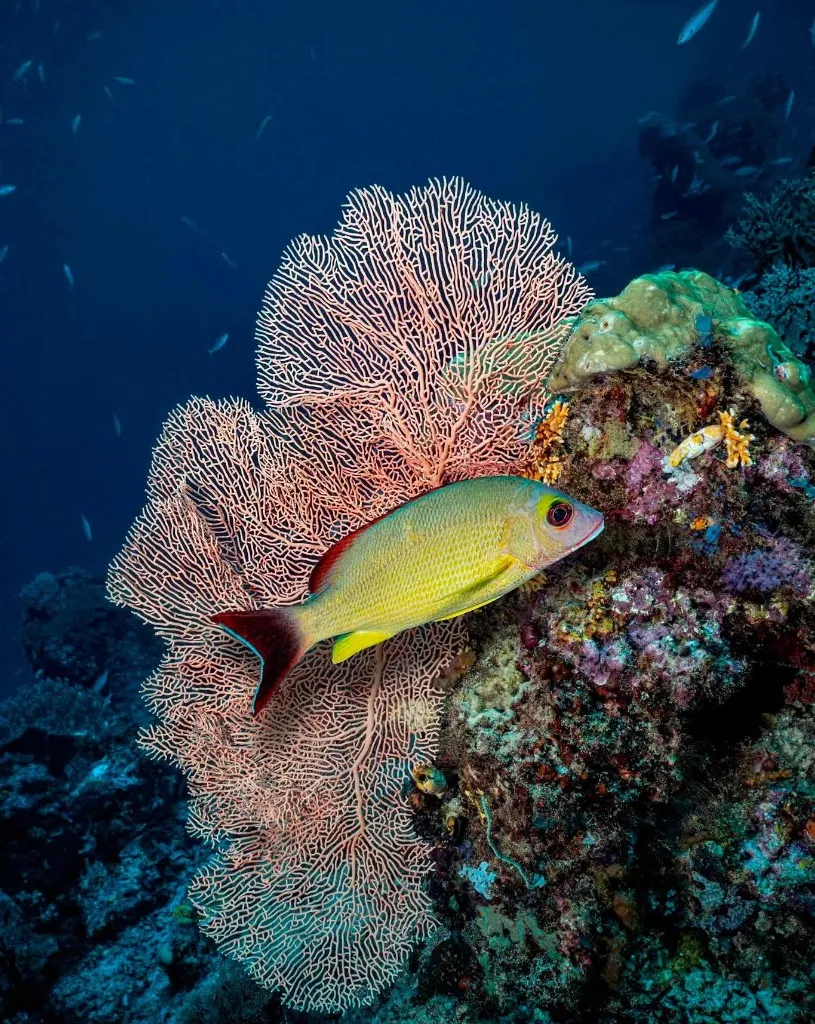
Middle Arch is known for a dynamic array of marine species thriving within its unique topography and surrounding kelp forests. Blue Maomao and Two Spot Demoiselles are frequently observed schooling around the archway.
Cruising the area are significant numbers of snapper, stingrays, and kingfish, especially when currents are running. The bouldery bottom and walls hide smaller, fascinating creatures like scorpionfish and numerous nudibranchs.
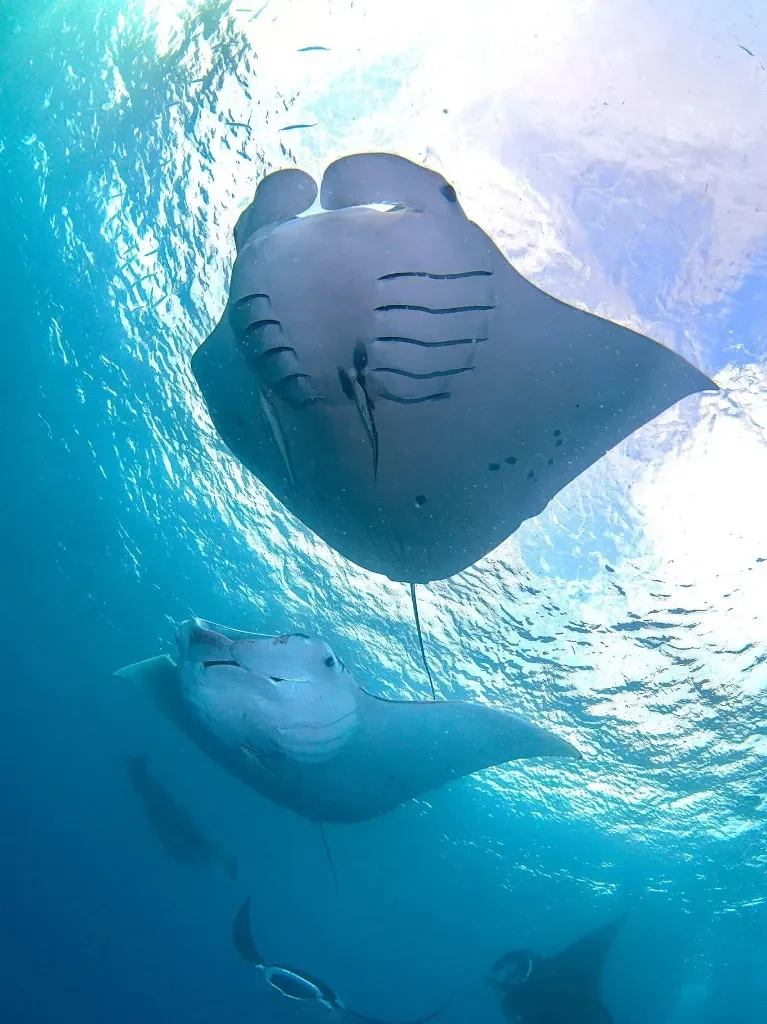
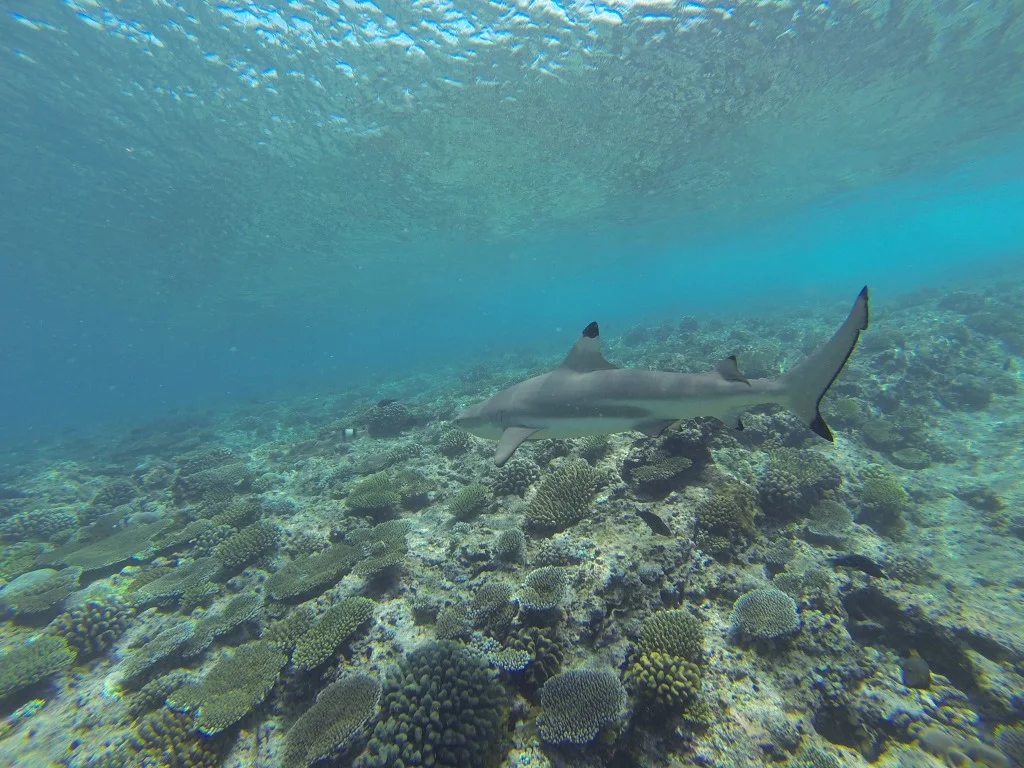
Within the arch and its nearby caves, divers can spot Porae, Perch, Mado, and various Moray eels. Occasionally, visitors might even encounter Manta rays or Bronze Whaler sharks during specific seasons, adding an element of pelagic excitement to the dive.
Dive Sites Near Middle Arch
View all dive sites in New ZealandDiscover more underwater gems in this area.
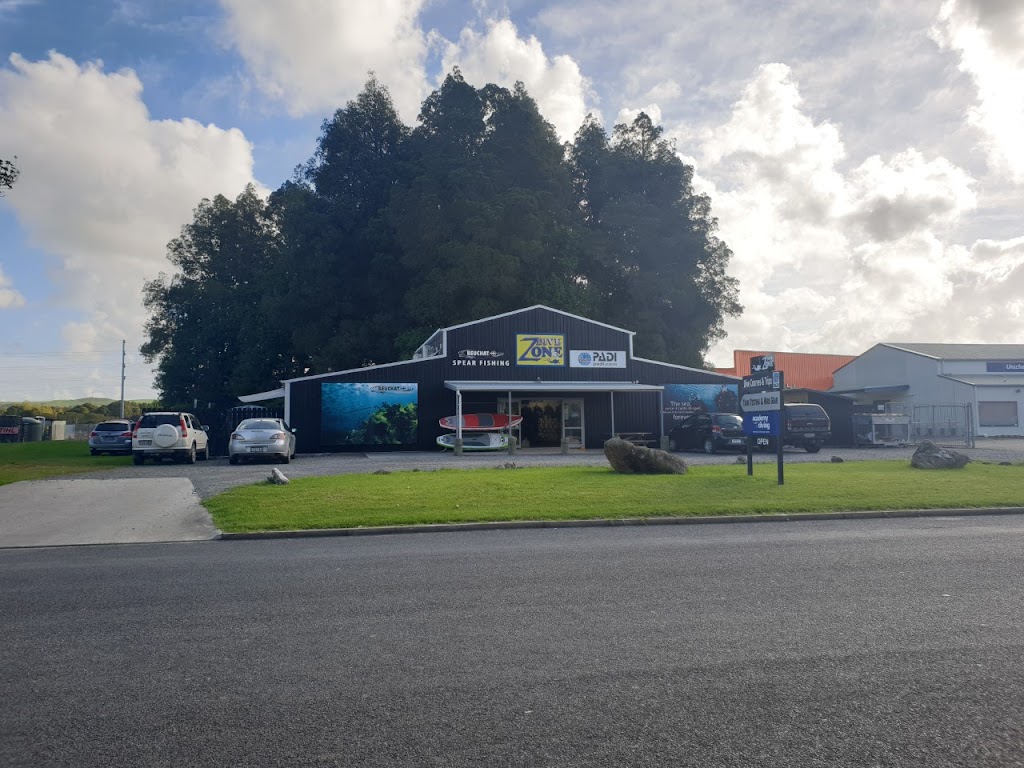
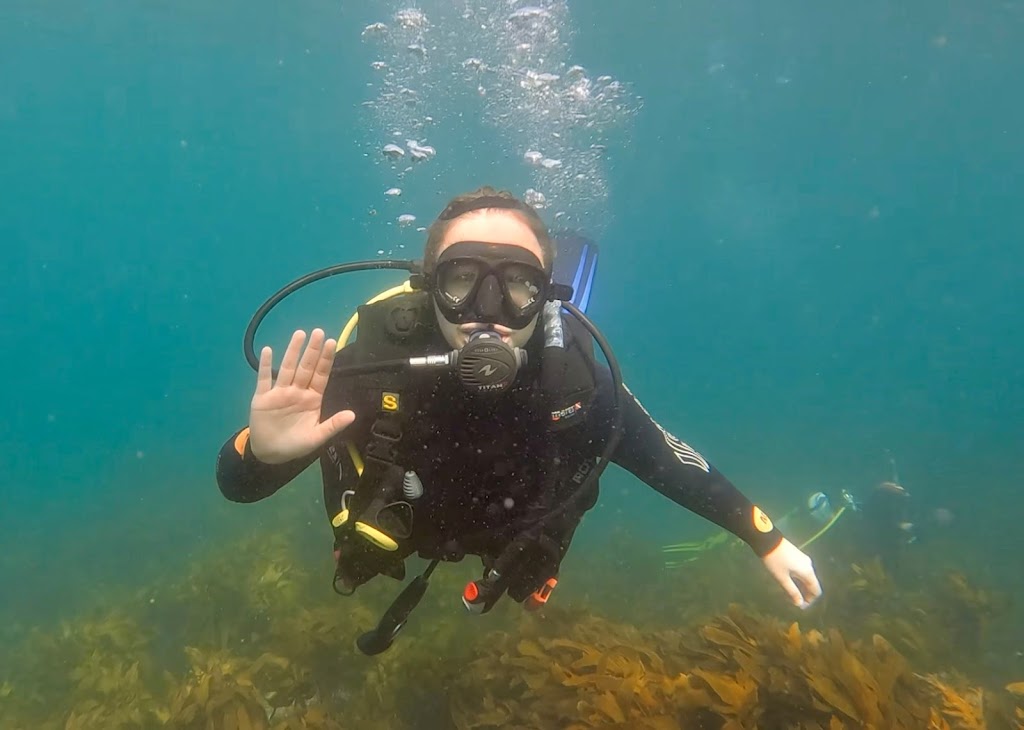
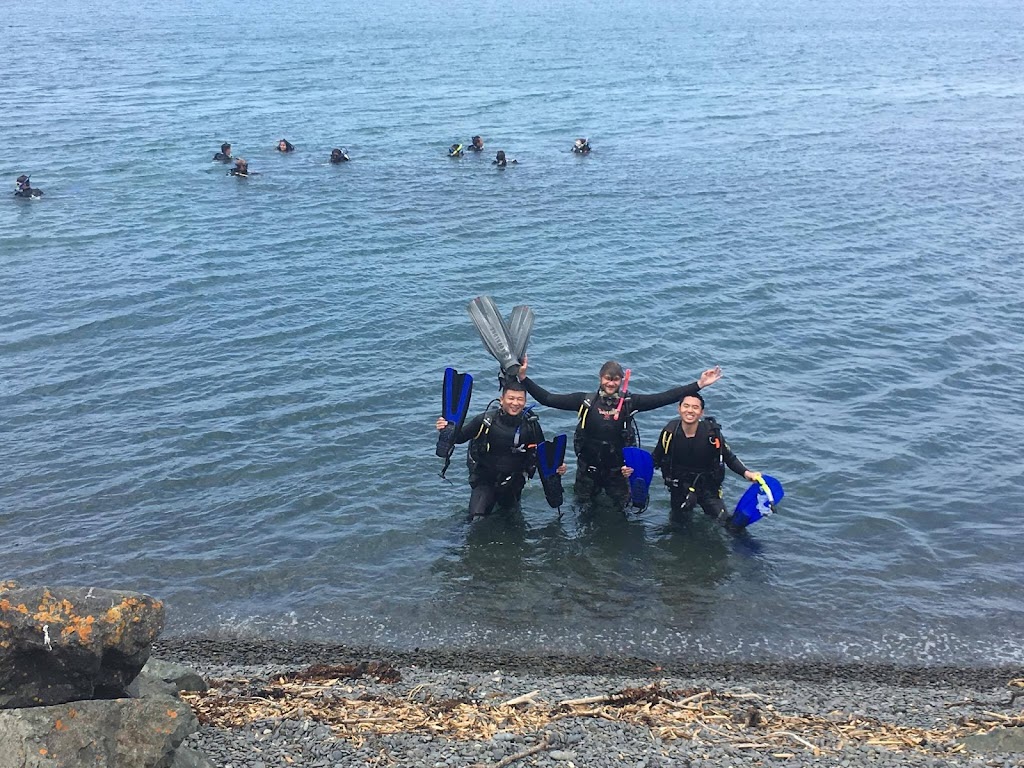
Dive Centers Near Middle Arch
Today: 08:00 - 17:00
Nearest Airports
Nearest airports to help plan travel to this dive area.
Search Flights
Check available flights and routes on Expedia, using the nearby airports listed in this section.
Search Flights on ExpediaFrequently Asked Questions
What is the typical depth range at Middle Arch?
The arch bottom generally sits between 14-18 m (46-59 ft). However, the surrounding slopes extend deeper, reaching over 30 m (100 ft) on both the northern and southern sides.
Is Middle Arch suitable for Open Water divers?
Yes, Middle Arch is suitable for Open Water certified divers due to the archway's accessible depth. However, good buoyancy control is necessary, as areas beyond the arch drop to greater depths.
Are there any caves at Middle Arch?
Yes, there is a notable cave, Bernie's Cave, near the southwestern entrance. It features an air pocket and is an overhead environment, requiring appropriate training for entry.
What kind of marine life can I expect to see?
Divers often encounter schools of Blue Maomao and Two Spot Demoiselles. Larger fish like snapper, stingrays, and kingfish are common, alongside scorpionfish, nudibranchs, and various Moray eels.
Are permits required to dive here?
Recreational diving is generally permitted under Regulation 4 of the Marine Reserves Regulations 1993, except in areas formally closed to the public.
What are the usual water temperatures?
Water temperatures vary seasonally, typically ranging from 14-18°C (57-64°F) in winter to a warmer 18-24°C (64-75°F) during the summer months.
What kind of conditions might I encounter?
Visibility is generally excellent, often between 15-30 meters. Currents are usually mild but can pick up, and moderate surge might be present, especially closer to the surface or within the arch.
Planning to dive Middle Arch?
Send one inquiry and receive offers directly from the best verified local dive operators.
Conditions are Moderate
High Wind Advisory (47km/h). Unsafe surface.
Current conditions near Middle Arch show 15° air, 16° sea temperature, 1.4 m waves, and 47 km/h wind. Forecast data is refreshed regularly to ensure accuracy.