
Diving at Ngaio Rock (New Zealand)
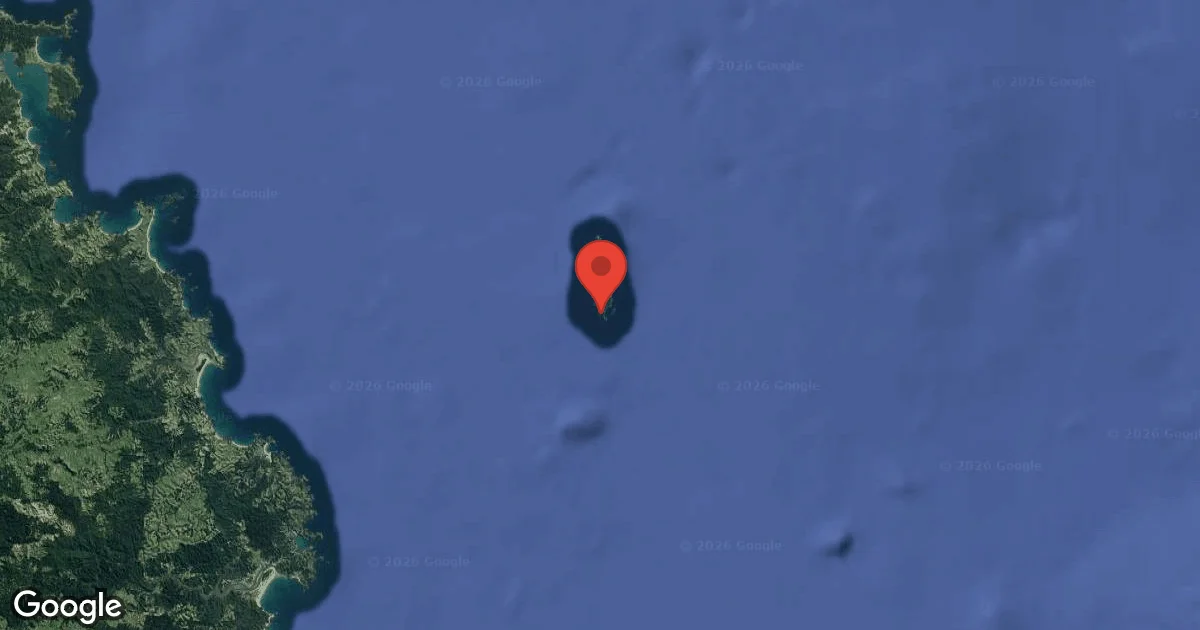
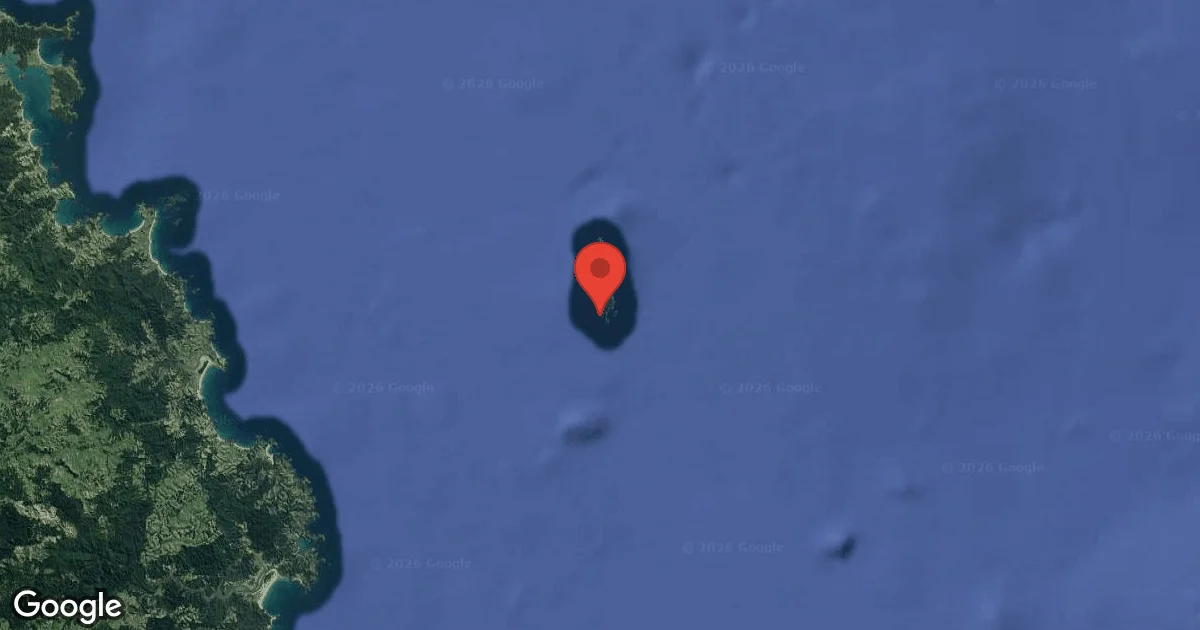
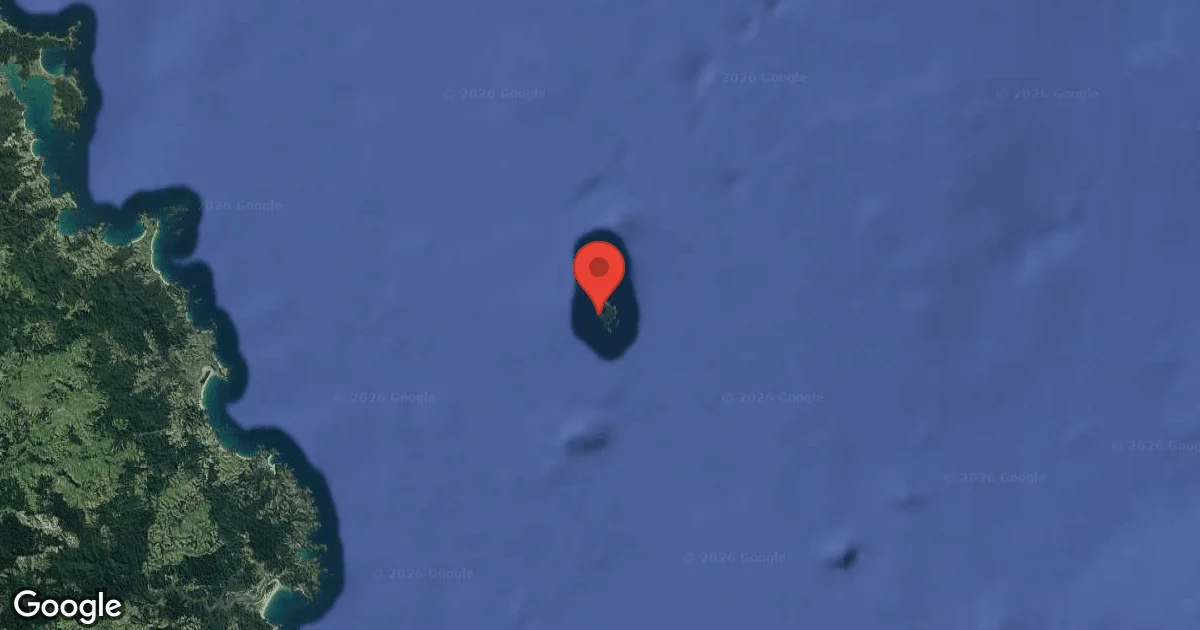
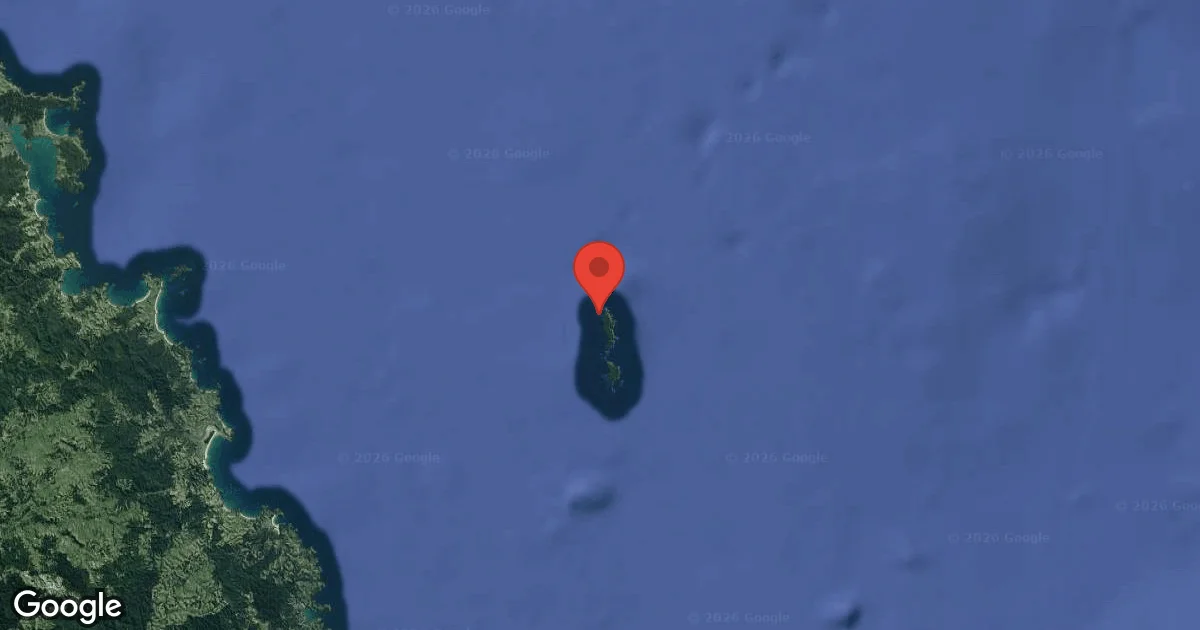
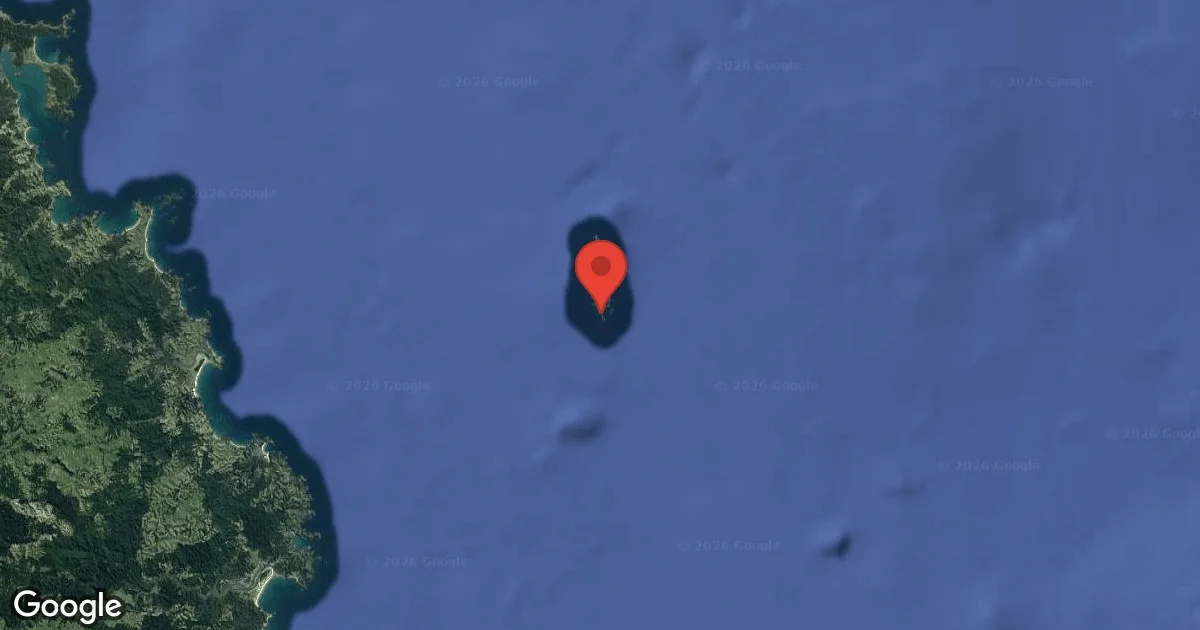
Rising dramatically from the seafloor, Ngaio Rock presents itself as a striking pinnacle, inviting exploration from its wave-kissed surface down to the surrounding sand. This site, with its intricate nooks and crannies, forms a compelling underwater landmark. It's a structure that challenges divers to navigate its steep walls and discover the vibrant ecosystems thriving at various depths, revealing layers of marine activity as you descend.
Tonight's objective overview for Ngaio Rock shows an air temperature of 15.5°C. The measured surface conditions include wave heights around 1.4 m. This environmental data is logged for the close of the day.
Dive Site Location & Key Facts
Dive Site Overview
Exploring Ngaio Rock offers a dynamic dive experience, centered around a formidable pinnacle that reaches from the surface to beyond 40 m / 130 ft. This site accommodates advanced open water divers and those with deeper certifications, with 30 m / 100 ft easily accessible.
On the western side, even greater depths can be explored, following the rock's descent into the sand. Strong currents often sweep through the adjacent Labrid Channel, enriching the pinnacle with nutrients and sustaining diverse marine life, although divers can find shelter in the lee of the rock. A natural shelf in the shallows provides a convenient location for safety stops.
For those with sufficient gas, there's the option to traverse the underwater reef arm, which stretches north for approximately 200 m / 650 ft and curves back towards the Poor Knights Islands, or undertake a blue water compass navigation towards Magic Wall.
Conditions are Moderate
High Wind Advisory (47km/h). Unsafe surface.
Current conditions near Ngaio Rock show 15° air, 16° sea temperature, 1.4 m waves, and 47 km/h wind. Forecast data is refreshed regularly to ensure accuracy.
Best Time to Dive
To truly maximize your diving enjoyment at Ngaio Rock, consider planning your visit during New Zealand's warmer months. February often provides some of the best conditions, with air temperatures averaging around 20.5°C / 69°F and minimal rainfall, typically 0.9 mm. These stable conditions generally contribute to clearer waters and more comfortable surface intervals. November also stands out as a 'Good' month, offering comfortable air temperatures averaging 17°C / 63°F, with rainfall around 2.25 mm, providing another excellent window for exploration. January, March, September, and December generally offer 'Moderate' dive conditions, where favorable days are often interspersed with periods of less ideal weather. Conversely, April tends to be less favorable, often experiencing higher waves, stronger winds, and increased rainfall, leading to 'Poor' dive scores. Divers planning for this period should anticipate more challenging surface conditions and potentially reduced visibility.
PEAK SEASON SCORE
Scores combine air & water temps, waves, wind & rainfall for overall conditions.
BEST MONTHS TO DIVE
Monthly records compiled from satellite and marine observation nodes over the last 3 years. Data provided by Open-Meteo and MET Norway.
Dive Experience & Conditions
The interplay of Ngaio Rock with the Labrid Channel's currents profoundly shapes the dive experience. While these currents can be noticeable, especially when flowing through the channel, they are also responsible for delivering a steady supply of nutrients, fueling the rich life clinging to the rock's steep walls. Divers can strategically position themselves in the lee of the rock to minimize current exposure, while still observing the surge of activity the nutrient flow generates. Visibility in this region generally ranges from 15 to 20 m / 50 to 65 ft, though local conditions and recent weather can cause variations, especially after heavy rains or strong swells.
Dive Difficulty & Safety Guidelines
Given the potential for deeper dives and strong currents, an Advanced Open Water certification or higher is a prerequisite for navigating Ngaio Rock safely. Divers should meticulously plan their gas management, especially when exploring deeper sections or contemplating a blue water traverse to nearby sites like Magic Wall. Awareness of current direction and strength is vital; utilizing the rock's lee side can offer shelter.
Always carry a compass for navigation, particularly if extending your dive beyond the immediate pinnacle structure. Reviewing your dive plan with your buddy, including contingency for separating in current, is crucial.
Recommended Equipment
Technical depth range. Advanced planning, gas management, and appropriate certification required.
- Dive Computer
- DSMB
- Primary & Backup Lights
This gear list is based on verified equipment signals for Ngaio Rock, New Zealand. Always confirm final gear choices with your dive operator, guide, or liveaboard.
Recommended Dive Suit
With water temperatures around 16°C (61°F), many divers find a 5-7mm wetsuit provides comfortable protection.
Local dive briefings can provide the most accurate guidance.
The forecast outlook suggests that temperatures will stay close to current levels.
Emergency & Medical Support
Essential information to help you plan your dive trip to Ngaio Rock.

Hyperbaric chambers are a critical part of dive safety infrastructure. Availability varies significantly by region, and not all dive areas have immediate access.
Before diving, it's recommended to:
- confirm nearest medical facilities
- check emergency procedures with local dive operators
- ensure dive insurance covers evacuation if required
Divers Alert Network
Diving emergency assistance available through DAN World.
+1-919-684-9111- 24/7 emergency hotline
- Diving medical assistance
- Evacuation coordination
Emergency contacts are provided for reference. Always verify local emergency services before diving.
Marine Life at Ngaio Rock
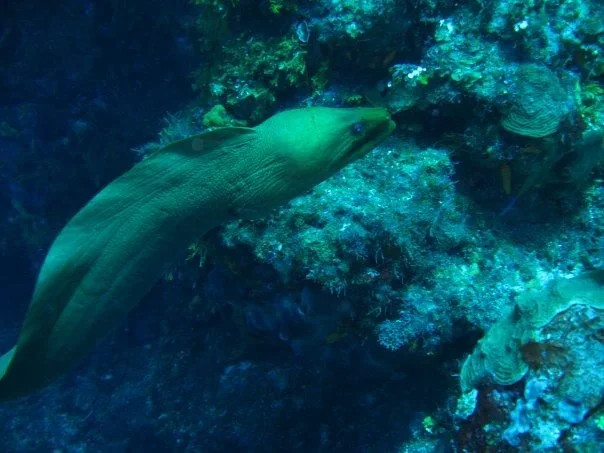
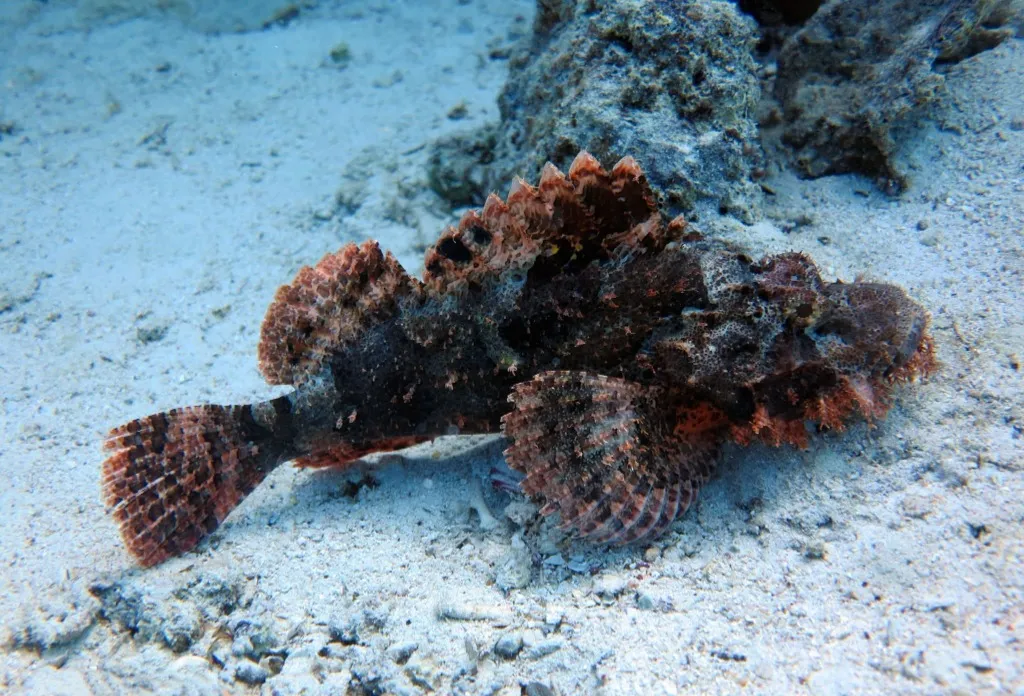
The nutrient-rich currents circulating around Ngaio Rock feed an abundant and varied marine ecosystem that blankets its steep underwater walls. Among the crevices and overhangs, you'll encounter Moray Eels peering out, while Scorpionfish expertly camouflage themselves against the vibrant growth.
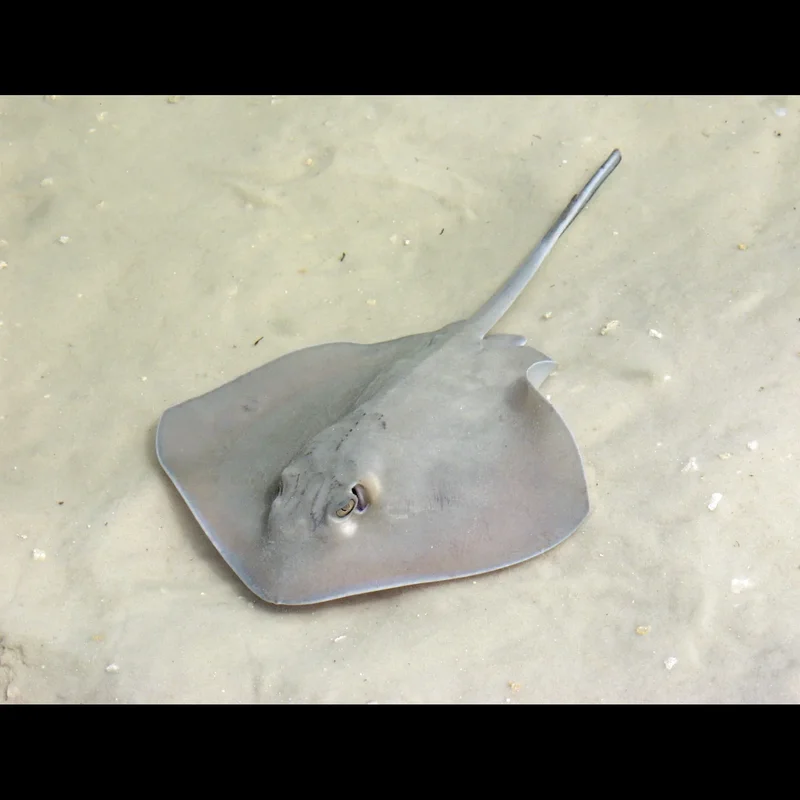
During summer months, Stingrays are commonly observed cruising along the walls or resting in the adjacent sandy patches. Keep an eye out for hunting parties of Kingfish that frequent the area.
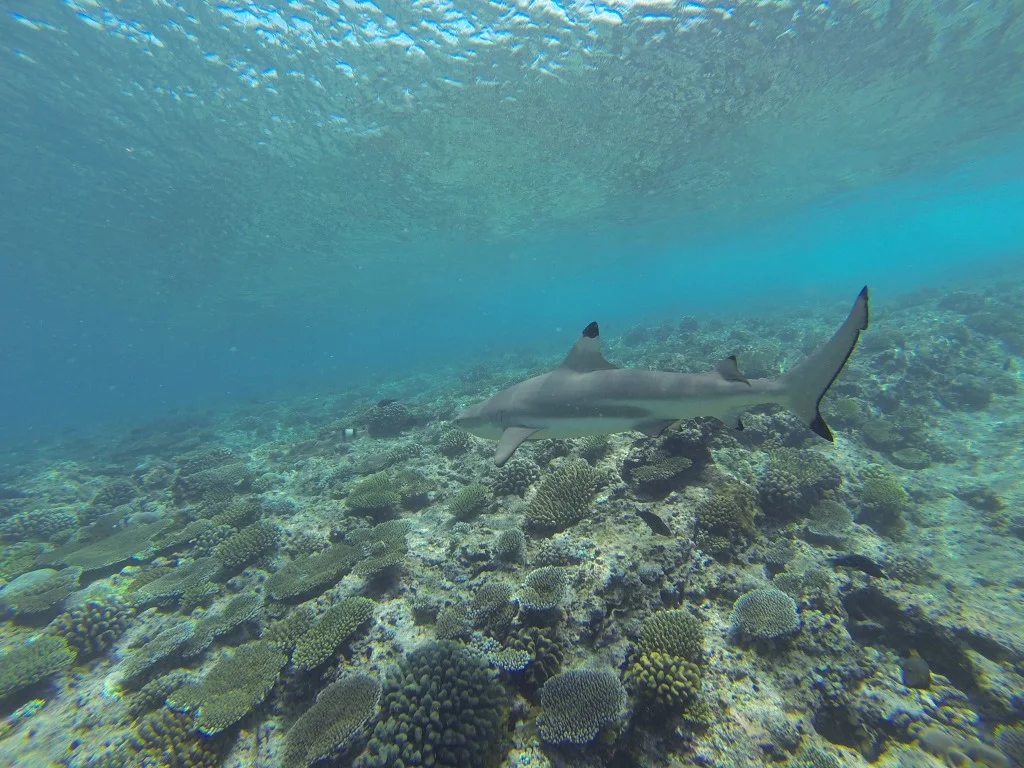
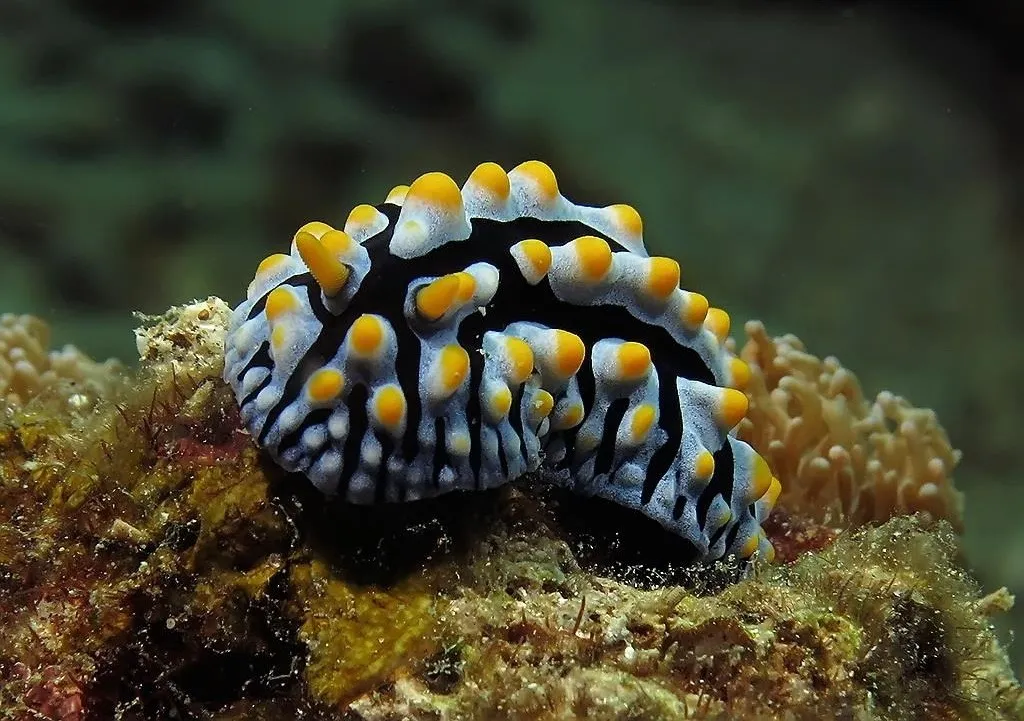
Deeper sections of the rock may reveal larger pelagics, including various sharks, alongside New Zealand's largest nudibranch, the Archidoris wellingtonensis, often found closer to the rock's base.
Dive Sites Near Ngaio Rock
View all dive sites in New ZealandDiscover more underwater gems in this area.
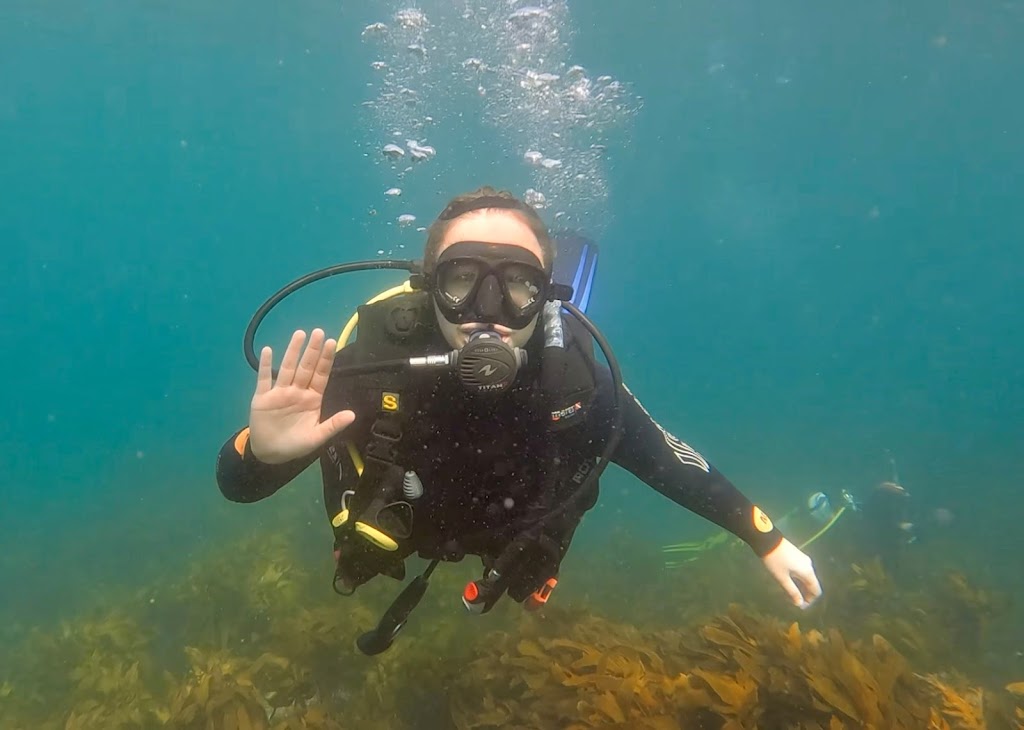
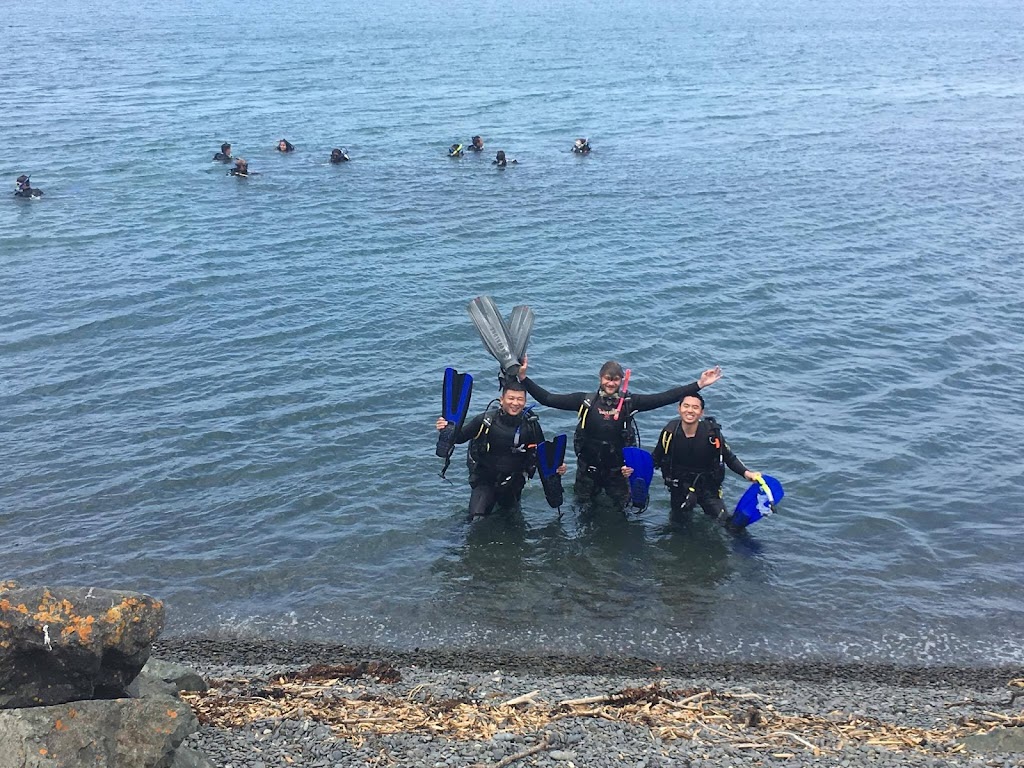
Dive Centers Near Ngaio Rock
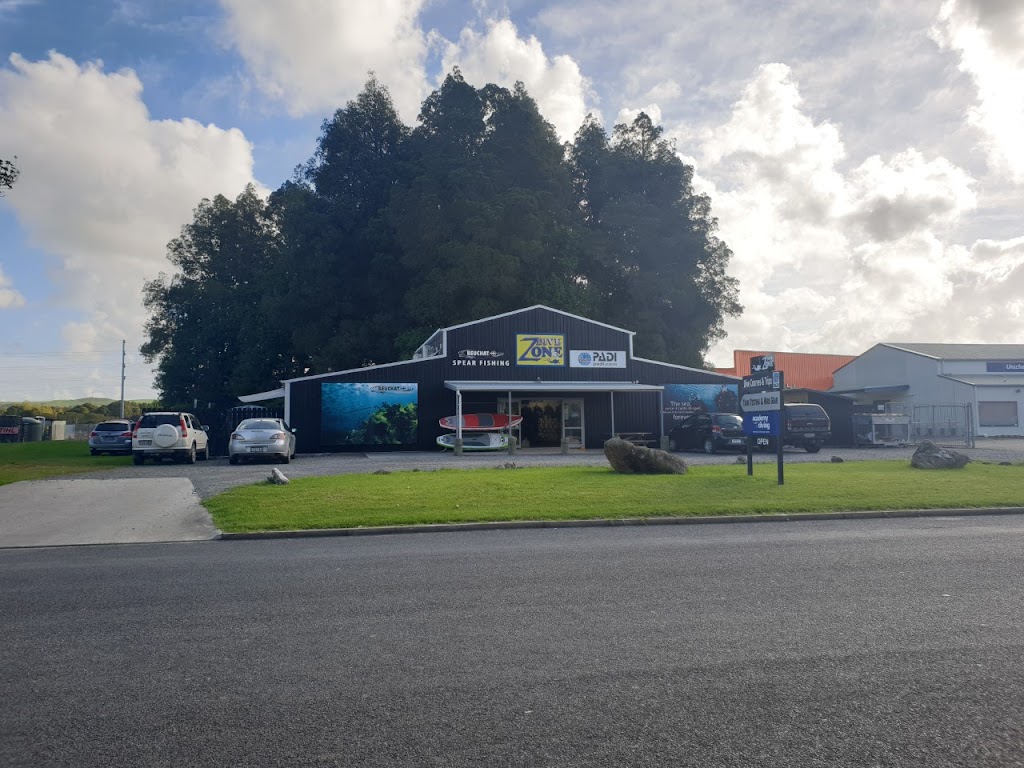
Today: 08:00 - 17:00
Nearest Airports
Nearest airports to help plan travel to this dive area.
Search Flights
Check available flights and routes on Expedia, using the nearby airports listed in this section.
Search Flights on ExpediaFrequently Asked Questions
What kind of dive site is Ngaio Rock?
Ngaio Rock is primarily a pinnacle dive site that extends from the surface down to depths exceeding forty meters. It features steep walls, numerous nooks, and surrounding sand, making it a multifaceted exploration site.
What is the recommended diver experience level for Ngaio Rock?
This site is recommended for Advanced Open Water divers and those with equivalent or higher certifications. Its potential for deep diving and strong currents requires experienced navigation and gas management skills.
What depths can divers expect to reach at Ngaio Rock?
Divers can easily reach depths down to thirty meters, with even deeper sections available on the western side of the rock. Shallower areas and a safety stop shelf are also present, starting around six meters.
How do currents impact diving at Ngaio Rock?
Currents often flow through the nearby Labrid Channel, creating a nutrient-rich environment around the pinnacle. While currents can be present, divers can find shelter in the lee of the rock, allowing for observation of the abundant marine life attracted by the flow.
What marine life can be observed here?
The site is home to Moray Eels, Scorpionfish, and during summer, often features Stingrays cruising the walls. Hunting Kingfish are common, and in deeper areas, divers may encounter various sharks and the large Archidoris wellingtonensis nudibranch.
Is Ngaio Rock suitable for snorkeling?
Yes, Ngaio Rock offers excellent snorkeling opportunities. The shallow sections around the pinnacle have many nooks and crannies full of vibrant marine life that are easily accessible from the surface.
Planning to dive Ngaio Rock?
Send one inquiry and receive offers directly from the best verified local dive operators.
Conditions are Moderate
High Wind Advisory (47km/h). Unsafe surface.
Current conditions near Ngaio Rock show 15° air, 16° sea temperature, 1.4 m waves, and 47 km/h wind. Forecast data is refreshed regularly to ensure accuracy.