
Diving at Northern Arch (New Zealand)
The sensation of current pulling through Northern Arch immediately signals a dynamic dive. Visually, the archway is a riot of color, with encrusting life painting the walls in hues that shift with the light. Sunlight penetrates deep, illuminating schools of fish that hover in the flow, creating a truly immersive experience. It's an environment where the ocean's power and intricate beauty are felt simultaneously.
Tonight's objective overview for Northern Arch shows an air temperature of 14.5°C. The measured surface conditions include wave heights around 1.3 m. This environmental data is logged for the close of the day.
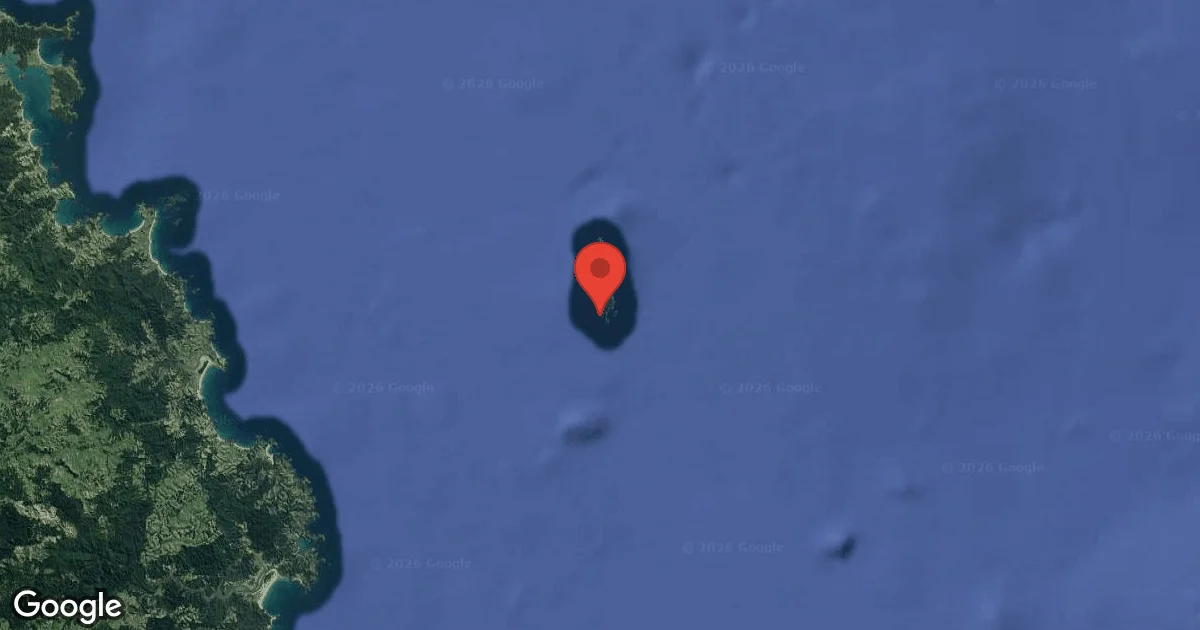
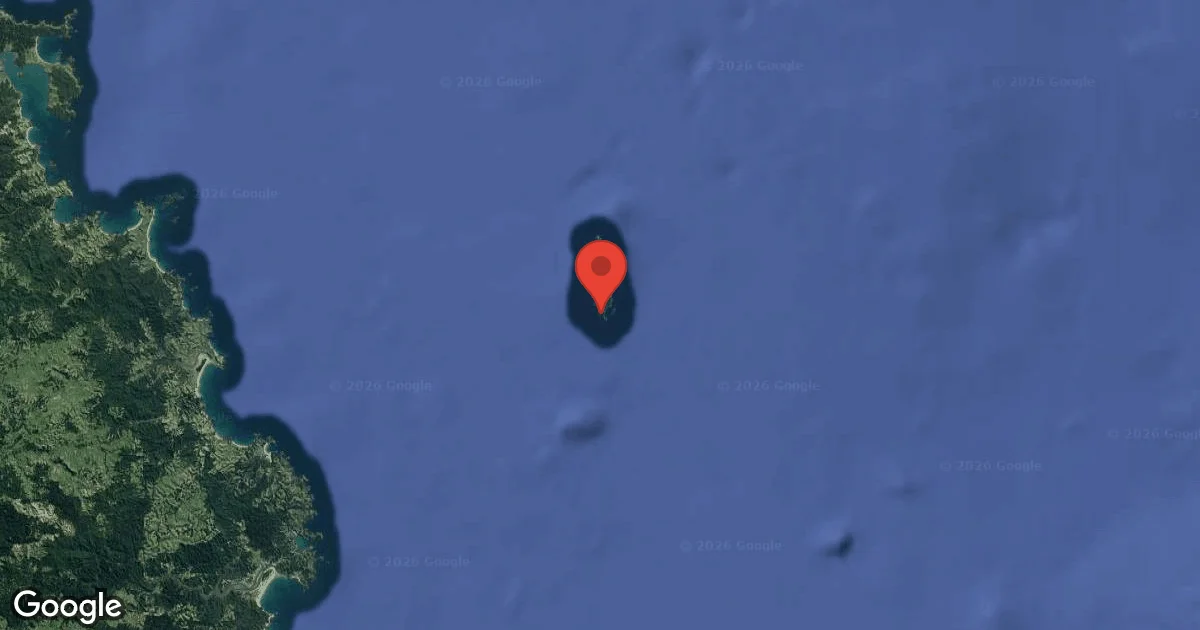
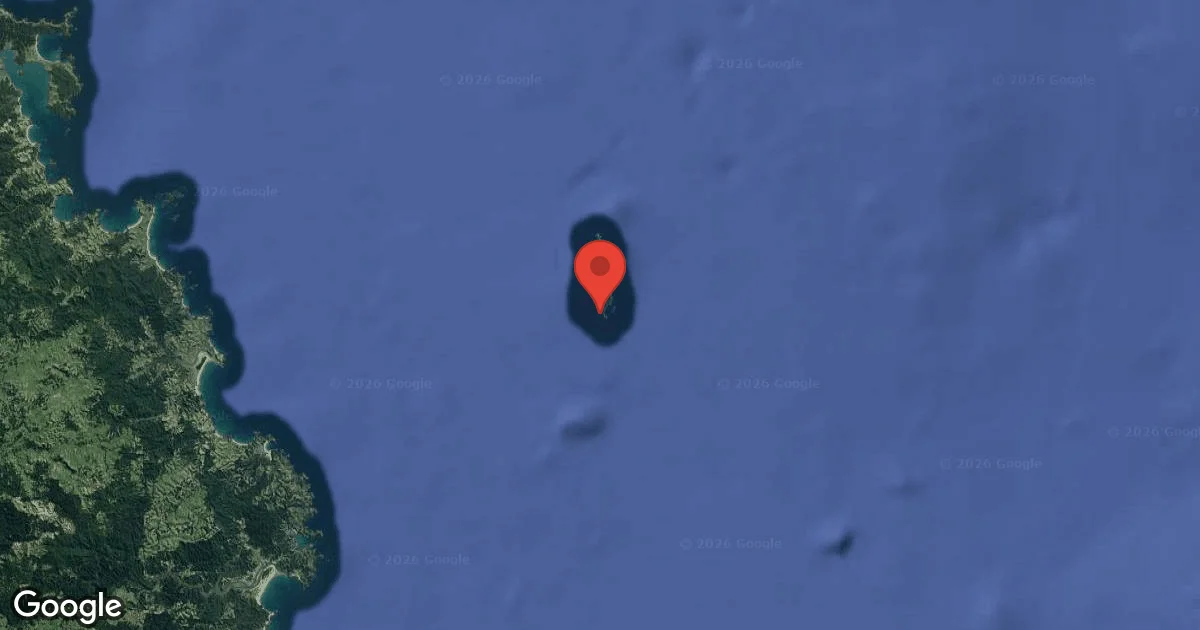
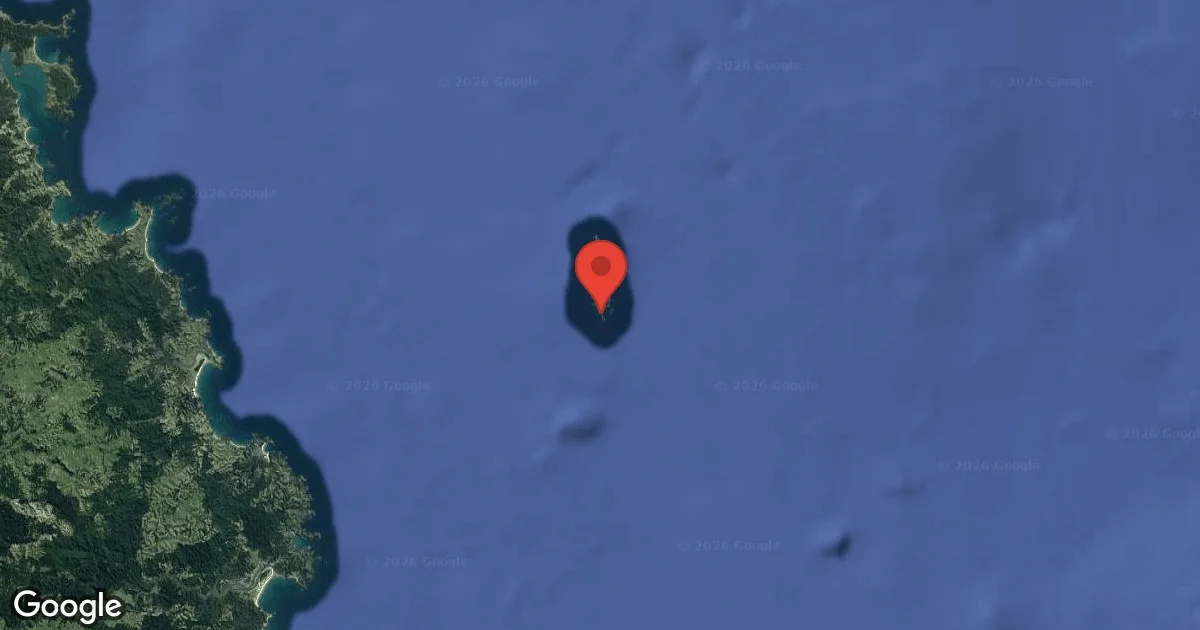
Dive Site Location & Key Facts
Dive Site Overview
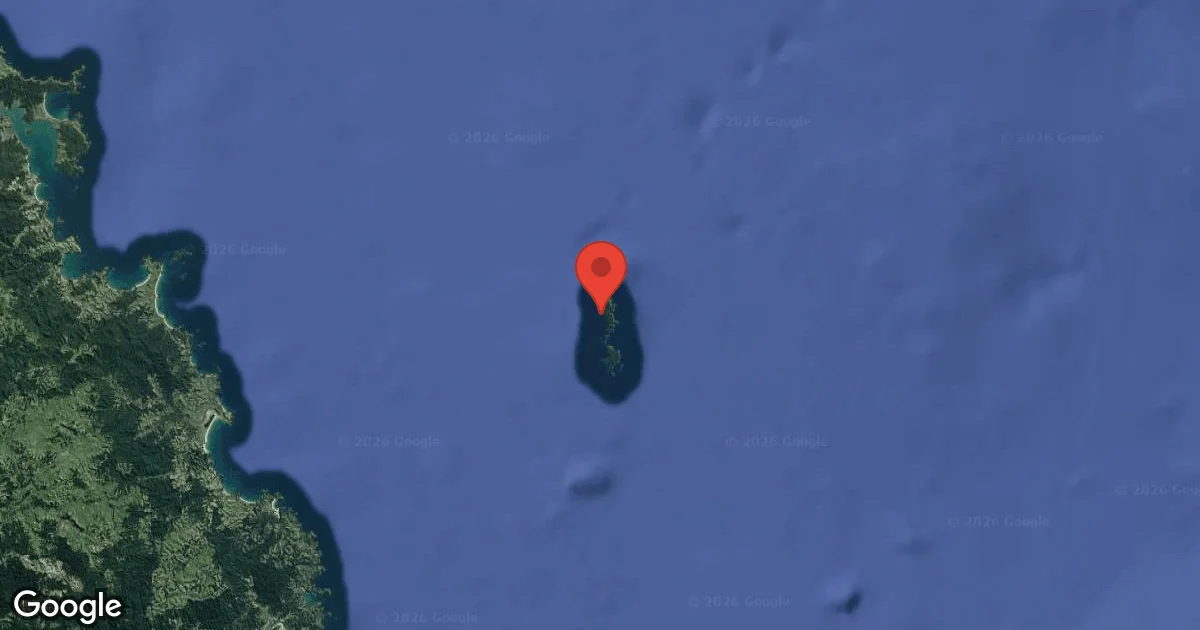
Northern Arch has long stood as an iconic dive within the Poor Knights Islands Marine Reserve, gaining its reputation as 'THE ARCH' for its distinctive structure and challenging conditions. Situated at the northern end of Tawhiti Rati and Te Araara Point, its design naturally channels currents, which historically have attracted a concentrated abundance of marine life.
The archway itself, while quite short, is notably deep, plunging to 40 m (130 ft) in its center. Beyond this, the bouldery bottom continues to tumble away to depths exceeding 50 m (165 ft) at either end. The site is a key feature of the Poor Knights Islands, often highlighted by local dive operators for its vibrant walls and significant fish populations.
Over time, it has become a favored spot for advanced recreational divers and technical divers seeking a deeper, more current-rich experience within the reserve.
Conditions are Moderate
High Wind Advisory (45km/h). Unsafe surface.
Current conditions near Northern Arch show 15° air, 16° sea temperature, 1.4 m waves, and 45 km/h wind. Forecast data is refreshed regularly to ensure accuracy.
Best Time to Dive
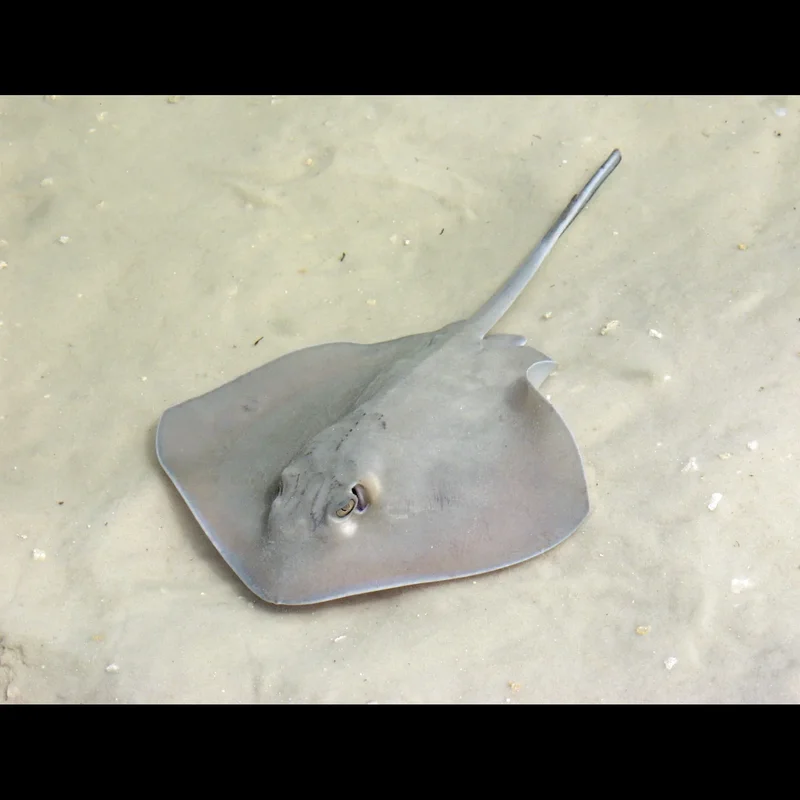
For an optimal dive experience at Northern Arch, consider visiting during February or November. February often brings some of the warmest average air temperatures, around 20.5°C (69°F), coupled with low rainfall, typically less than 1 mm, contributing to comfortable surface conditions. November also presents a favorable dive score, with air temperatures averaging around 17°C (63°F) and moderate rainfall, making for generally good diving weather. Conversely, April tends to offer a poorer dive score due to higher average wave heights, reaching over 2.1 m (7 ft), and stronger winds. During peak season, particularly the summer months, stingrays can be found stacked within the archway, adding another layer to the underwater spectacle.
PEAK SEASON SCORE
Scores combine air & water temps, waves, wind & rainfall for overall conditions.
BEST MONTHS TO DIVE
Monthly records compiled from satellite and marine observation nodes over the last 3 years. Data provided by Open-Meteo and MET Norway.
Dive Experience & Conditions
Approaching Northern Arch, divers initially encounter steep walls covered in kelps and flapjack seaweeds, providing a home for diverse smaller critters. Descending into the archway, which ranges from approximately 4 m to 13 m (13-43 ft) wide, reveals an inverted cone shape with underhangs and a much more sheer profile on the opposing side. The current is a defining feature here, often dictating the dive plan. An ideal viewing point on the eastern wall at about 22 m (72 ft) provides an excellent vantage of the entire arch, where numerous Maomao species school. Below the archway, huge sponge-covered boulders scatter the bottom, extending to greater depths where sponge life becomes even more vast. Following the wall out of the arch reveals more guts and cracks, including a narrow cavern at about 20 m (66 ft) with a sandy bottom.
Dive Difficulty & Safety Guidelines
Navigating Northern Arch requires an Advanced Open Water certification or above, with a strong emphasis on exceptional buoyancy control and depth awareness. The currents flowing through the archway, while crucial for nutrient delivery, also demand vigilant management to prevent unintentional descent beyond planned limits, especially as the bottom drops to over 50m.
Recreational divers should remain mindful of their no-decompression limits and gas supply, particularly when considering circumnavigating the point where depths can exceed 70 m (230 ft). Maintaining visual contact with dive buddies and a planned exit strategy are paramount.
It's advisable to carry a dive computer and surface signaling devices, understanding the site's exposure to open water conditions.
Recommended Equipment
- Dive Computer
This gear list is based on verified equipment signals for Northern Arch, New Zealand. Always confirm final gear choices with your dive operator, guide, or liveaboard.
Recommended Dive Suit
For relaxed exploration dives, 5-7mm wetsuit generally provides adequate warmth. Strong winds are present; please take strong precautions against rapid cooling during surface intervals. A thermal robe or jacket is recommended between dives. Water conditions at Northern Arch are currently measured at approximately 16°C (61°F). Surface air temperatures are resting at 15°C (58°F).
Forecast trends indicate similar diving conditions over the next few days.
A diver's personal tolerance to cold water can play a large role in suit selection.
Emergency & Medical Support
Essential information to help you plan your dive trip to Northern Arch.

Hyperbaric chambers are a critical part of dive safety infrastructure. Availability varies significantly by region, and not all dive areas have immediate access.
Before diving, it's recommended to:
- confirm nearest medical facilities
- check emergency procedures with local dive operators
- ensure dive insurance covers evacuation if required
Divers Alert Network
Diving emergency assistance available through DAN World.
+1-919-684-9111- 24/7 emergency hotline
- Diving medical assistance
- Evacuation coordination
Emergency contacts are provided for reference. Always verify local emergency services before diving.
Marine Life at Northern Arch
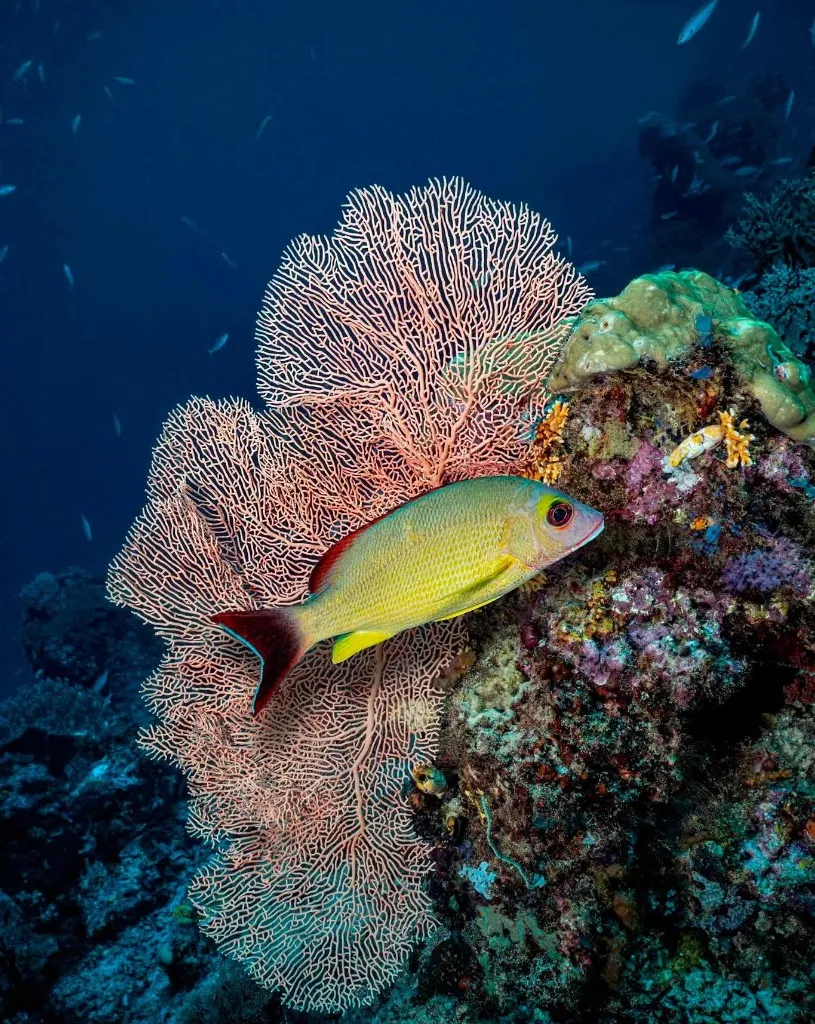
The arch's structure and the consistent current create a rich environment supporting a wide array of marine life. Within the archway, schools of Blue and Pink Maomao along with Two Spotted Demoiselles often fill the space, hovering as nutrients pass by.
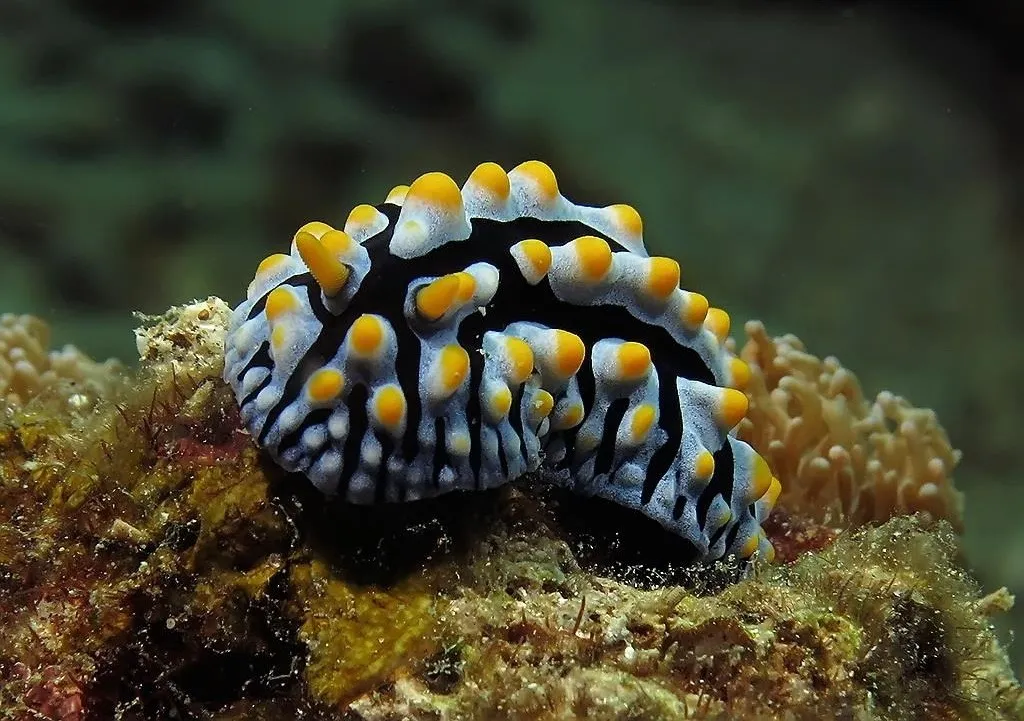
Large snapper and kingfish frequently glide through the current, a testament to the abundant food source. On the walls themselves, divers can find nudibranchs, triplefins, shrimp, eels, leatherjackets, and wrasses.
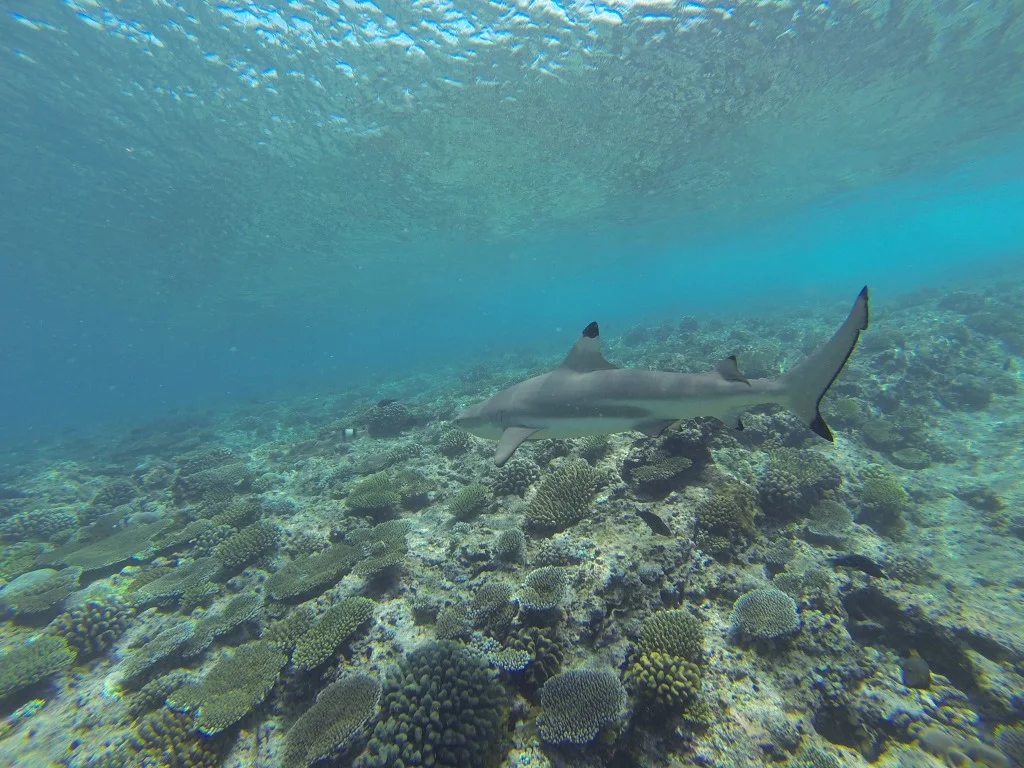
Sponge gardens and seasonal blooms of ascidians and hydroids contribute to the vibrant encrusting life. During the summer months, stingrays are known to stack up, and lucky divers might catch a glimpse of a bronze whaler shark further out on the point.

Dive Sites Near Northern Arch
View all dive sites in New ZealandDiscover more underwater gems in this area.
Dive Centers Near Northern Arch
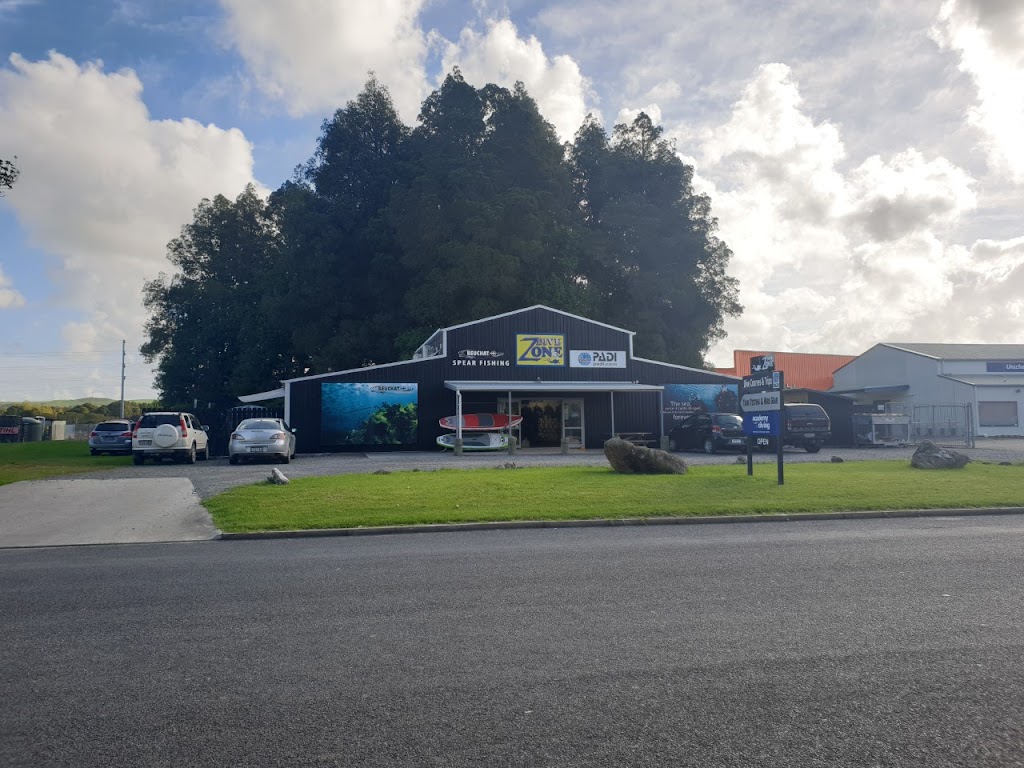
Today: 08:00 - 17:00
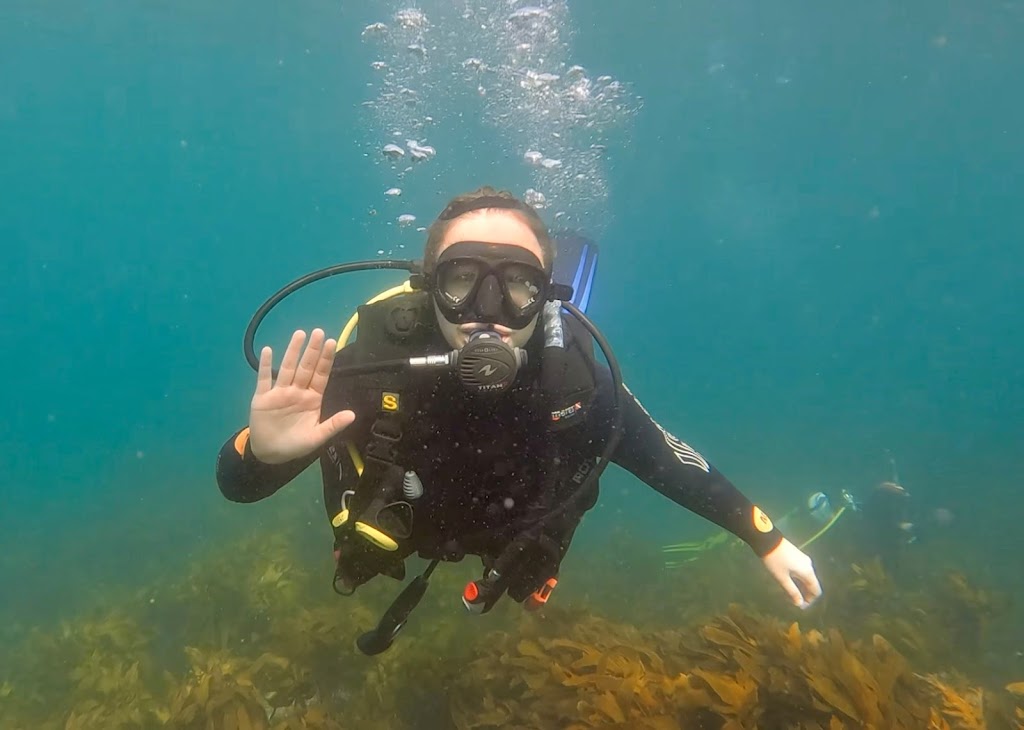
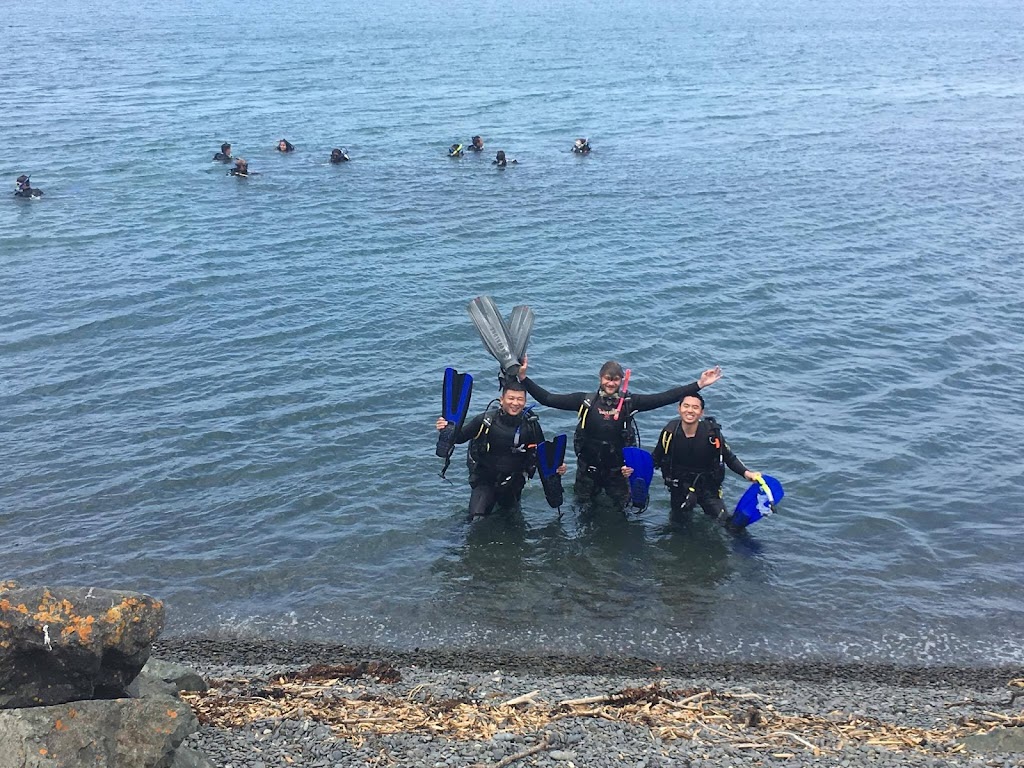
Nearest Airports
Nearest airports to help plan travel to this dive area.
Search Flights
Check available flights and routes on Expedia, using the nearby airports listed in this section.
Search Flights on ExpediaFrequently Asked Questions
What is the maximum depth at Northern Arch?
In the middle, the archway reaches about 40 m (130 ft). A bouldery bottom then tumbles away to beyond 50 m (165 ft) at either end, and walls around the point can drop to over 70 m (230 ft).
What level of diver is required for Northern Arch?
Advanced Open Water divers and above are recommended for this site. Open Water divers with exceptional buoyancy control and depth awareness may also enjoy it, but strong skills are a must due to currents and depth.
Are there strong currents at Northern Arch?
Northern Arch is known for being susceptible to current. Such currents are a key factor in bringing nutrients and attracting a high concentration of marine life, but they require good diver management.
What kind of marine life can I expect to see in the arch?
You can expect to see large schools of Blue and Pink Maomao, Two Spotted Demoiselles, sweep, mado, and snapper. Kingfish and large snapper are also common, along with various encrusting life like sponges and anemones.
Is Northern Arch suitable for snorkeling?
Snorkelers who are comfortable in blue water can enjoy exploring along the walls and through the archway. However, they should be mindful of potential currents and deeper sections.
Can technical divers explore Northern Arch?
Yes, Northern Arch is a fantastic site for technical divers. The significant depths beyond the archway and the potential for currents offer opportunities for extended range diving.
What are some specific features to look for in the arch?
Look for the overhang on the eastern wall at around 22 m (72 ft), where Maomao often school. The bottom of the archway features huge sponge-covered boulders, and a crack in the wall at 20m on the exit side often hosts Yellow Banded Perch.
Planning to dive Northern Arch?
Send one inquiry and receive offers directly from the best verified local dive operators.
Conditions are Moderate
High Wind Advisory (45km/h). Unsafe surface.
Current conditions near Northern Arch show 15° air, 16° sea temperature, 1.4 m waves, and 45 km/h wind. Forecast data is refreshed regularly to ensure accuracy.