
Diving atManchineel Shoals (Nicaragua)
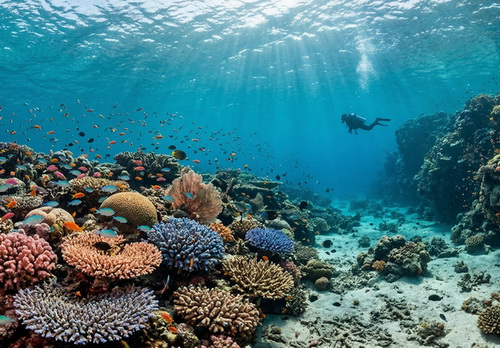
Descending into the waters off Corn Island, Manchineel Shoals reveals a diverse underwater topography. The site is a compelling destination for certified divers, offering a mix of vibrant reef structures, from gently sloping coral gardens to dramatic volcanic pinnacles. It's a place where the Caribbean's dynamic ecosystem flourishes, inviting exploration at varied depths.
As evening covers Manchineel Shoals, the local air temperature is measured at 27.8°C. The current wave height at the surface is recorded at 0.48m. These late-day readings characterize the surface conditions for the night.
Dive Site Coordinates
13.3151, -81.3759
Key Dive Site Facts
Dive Site Overview
Venturing to Manchineel Shoals reveals an expansive underwater landscape just off Corn Island, Nicaragua. This extensive reef system, defined by dynamic formations, caters to a broad spectrum of certified divers.
It presents gently sloping coral gardens, ideal for those seeking a more relaxed exploration, alongside dramatic deeper pinnacles that offer thrilling vertical profiles for advanced divers. A particularly prominent feature is Blowing Rock, a striking volcanic pinnacle composed of massive boulders, which itself provides multiple exploration opportunities. Dive profiles within the shoals span from shallower reef sections to significant depths, with many areas commonly explored down to 30 m / 100 ft.
The complex topography also includes the potential for discovering various caves and caverns, adding an element of geological intrigue and requiring careful navigation. Conditions here invite divers to explore a diverse range of Caribbean marine habitats within a single site.
Best Time to Dive
Visibility at Manchineel Shoals can vary significantly with seasonal conditions. The system data indicates that dive conditions are often most favorable, receiving 'Good' dive scores, in May and October. These months typically experience lower wave heights, around 0.9-1.4 meters (3-4.6 ft), and moderate wind speeds, ranging from 22-28 km/h (14-17 mph), despite falling within the broader rainy season. Conversely, January, February, June, and July frequently present poorer conditions due to higher wave heights, sometimes exceeding 2 meters (6.5 ft), and increased wind speeds, reaching over 30 km/h (18 mph). Air temperatures remain warm throughout the year, generally ranging from 26.7-28.7°C (80-84°F), with water temperatures consistently reported between 26–29°C (79–84°F).
Climate Historical Averages
Monthly records compiled from satellite and marine observation nodes over the last 3 years. Data provided by Open-Meteo and MET Norway.
Dive Experience & Conditions
Exploring Manchineel Shoals provides a dynamic and varied underwater experience. Conditions range from tranquil, clear waters to areas presenting moderate currents, particularly around exposed pinnacles or during specific tidal phases. Visibility is significantly influenced by prevailing weather patterns; it often improves considerably during periods of calmer seas, allowing for expansive views of the reef structures. The consistently warm water temperatures, typically between 26–29°C / 79–84°F, ensure comfortable dives, making minimal thermal protection, such as a 3mm wetsuit or shorty, generally sufficient. Encounters at this site are largely dictated by the overall health of the reef system and the energy of the surrounding Caribbean Sea, shaping the behavior and presence of marine life. Divers should be prepared for potential shifts in water movement.
Dive Difficulty & Safety Guidelines
Divers approaching Manchineel Shoals should prioritize understanding the site's dynamic conditions. Stronger currents are not uncommon, especially during the rainy season, which runs generally from May to October; these can significantly impact dive plans and the effort required from divers. Always discuss current conditions with your dive guide before entering the water. Ensuring you carry valid proof of certification is standard practice before any guided dive, verifying your preparedness for the underwater environment. It's also highly recommended that divers have adequate travel or dive accident insurance, such as coverage from Divers Alert Network (DAN), to provide comprehensive protection in case of unforeseen circumstances or medical emergencies. Being prepared ensures a safer and more enjoyable experience.
Recommended Equipment
No verified equipment items yet.
Verified equipment recommendations for this dive site are being reviewed and may be added as additional source checks are completed.
Recommended Dive Suit
Divers visiting Manchineel Shoals today can expect water conditions around 29°C (84°F). Surface air temperatures are resting at 28°C (82°F).
2-3mm shorty or light wetsuit is generally considered suitable for water temperatures like this. A hood or vest is suggested for sensitive divers due to surface winds.
Forecast trends indicate similar diving conditions over the next few days.
Conditions last reviewed: 18:00 using the latest environmental data.
Dive Logistics & Preparation
Hyperbaric Chamber
Check local Nicaragua medical facilities.
Entry Requirements
View Nicaragua Visa Hub
Currency
NIO
Nearest Airports
Nearest airports to help plan travel to this dive area.
Marine Life at Manchineel Shoals
The vibrant ecosystems of Manchineel Shoals support a rich diversity of Caribbean marine life. Divers regularly encounter schools of tropical reef fish that navigate the coral formations. Occasional sightings of reef sharks add an exciting dimension to the dive experience. Keep an eye out for African pompano, rays, and sea turtles cruising through the blue. Closer inspection of ledges and crevices may reveal various crustaceans, including lobsters and crabs.
Dive Sites Near Manchineel Shoals
View all dive sites in NicaraguaDiscover more underwater gems in this area.

Dive Centers Near Manchineel Shoals
No Dive Centers Local To Manchineel Shoals
Are you a dive center visiting this location? Get listed to reach divers.
Frequently Asked Questions
What certification level is needed for Manchineel Shoals?
Manchineel Shoals welcomes certified divers. While many areas suit Open Water certification, some deeper pinnacles and potential cavern explorations may require advanced certifications. Always consult your dive operator about specific site requirements.
What is Blowing Rock?
Blowing Rock is a significant volcanic pinnacle within the Manchineel Shoals system near Corn Island. Composed of massive boulders, it offers several distinct dive profiles and is a popular sub-site for exploration.
Are strong currents common at Manchineel Shoals?
Currents at Manchineel Shoals vary from tranquil to moderate, especially around exposed pinnacles. Stronger currents are not uncommon, particularly during the rainy season (May-October), so divers should be prepared for potential shifts in water movement.
What is the typical water temperature at Manchineel Shoals?
Water temperatures remain consistently warm, generally ranging between 26–29°C / 79–84°F year-round. This allows for comfortable diving, typically requiring minimal thermal protection like a 3mm wetsuit or shorty.
When is the best time to visit Manchineel Shoals for diving?
Dive conditions are often most favorable, with better visibility and calmer seas, in May and October. Conversely, January, February, June, and July frequently present poorer conditions due to higher waves and stronger winds.
What kind of marine life can I expect to see?
The vibrant ecosystems of Manchineel Shoals support a rich diversity of Caribbean marine life. Divers frequently encounter schools of tropical reef fish, reef sharks, African pompano, rays, and sea turtles. Lobsters and crabs inhabit ledges and crevices.
How deep are the dives at Manchineel Shoals?
Dive profiles at Manchineel Shoals are varied, ranging from shallower reef sections to significant depths. Many areas are commonly explored down to 30 m / 100 ft, with some deeper pinnacles also available for experienced divers.
Liveaboards Sailing to Manchineel Shoals
Explore highly rated liveaboards visiting this dive site and discover the best routes in Nicaragua.
Resorts & Accommodation
Find partner hotels and dive resorts directly accessing the reef.
Around This Area
Explore top-rated restaurants, activities, and attractions near Manchineel Shoals reviewed by travelers.
Planning to dive Manchineel Shoals?
Send one inquiry and receive offers directly from the best verified local dive operators.