
Diving atOnly One (Nicaragua)
Nicaragua's Caribbean coast presents an inviting dive landscape, particularly around Little Corn Island. This region offers divers a chance to explore accessible barrier reefs and diverse marine ecosystems without the crowds of more heavily trafficked destinations. Its clear waters and generally mild conditions make it appealing for both entry-level divers seeking certification and experienced enthusiasts looking for relaxed, vibrant encounters. Prepare for an immersive experience that combines convenience with rewarding underwater exploration.
Evening condition tracking at Only One features an air temperature of 28.2°C. We have recorded wave heights measuring 0.62m during this period. These figures outline the environmental parameters currently present.
Dive Site Coordinates
13.3180, -81.3758
Key Dive Site Facts
Dive Site Overview
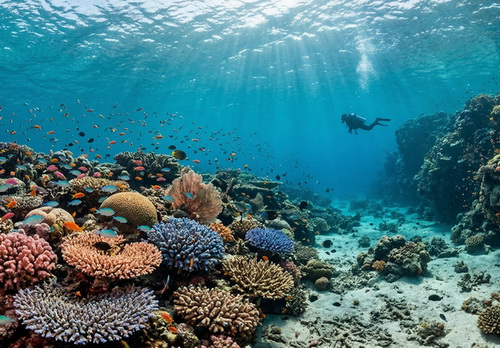
The underwater topography around Little Corn Island predominantly features expansive barrier reefs and scattered volcanic formations, together creating a remarkably varied environment for divers. These geological structures offer a complex tapestry of ledges, crevices, and swim-throughs, inviting detailed exploration.
Most dive sites remain relatively shallow, often not exceeding 15 m (50 ft), which allows for extended bottom times and excellent light penetration, illuminating the vibrant colors of the hard and soft corals. This accessible depth profile makes the sites highly approachable for a broad range of certification levels, from new divers gaining confidence to experienced explorers seeking relaxed observation. Currents here are typically mild and not very strong, contributing significantly to a calm and manageable dive experience.
Divers can enjoy leisurely drifts, focusing on buoyancy control and close observation rather than battling strong flows. Nicaragua's broader dive offerings extend beyond these reefs to include healthy coral gardens and occasional wreck sites, enriching the regional underwater exploration potential.
This blend of easy-to-navigate reefs, diverse structures, and often tranquil conditions ensures a spectrum of experiences. It provides opportunities to discover intricate coral formations, observe the behavior of resident marine life, and capture striking underwater photography within comfortable settings.
Divers will find a well-preserved underwater world that effectively balances natural beauty with convenient accessibility.
Best Time to Dive
Seasonal conditions notably shape the diving experience in Nicaragua. The dry season, spanning from November to April, generally offers more favorable diving conditions with calmer seas and improved visibility. During these months, air temperatures typically range from 26.7-27.4°C (80-81°F), and rainfall is minimal, often less than 1 mm, creating stable surface conditions. In contrast, the rainy season, from May to October, can bring stronger currents and reduced clarity, especially along the Caribbean coast. However, even within this period, May and October often see improved dive scores, with air temperatures averaging between 28.1-28.7°C (82-84°F), despite higher rainfall amounts, sometimes reaching 8-10 mm. Wildlife sightings tend to be more predictable during the drier periods, though marine activity remains present year-round.
Climate Historical Averages
Monthly records compiled from satellite and marine observation nodes over the last 3 years. Data provided by Open-Meteo and MET Norway.
Dive Experience & Conditions
Descending into the waters off Little Corn Island, divers immediately notice the clear visibility that characterizes many local sites. The gentle nature of these dive locations, with depths typically around 15 meters (50 feet), allows for relaxed exploration of the vibrant coral and rock formations. With minimal currents being a common feature, divers can comfortably maneuver and observe marine life without significant physical challenge. Water temperatures in the area are consistently warm, ranging from 26-29°C (79-84°F), which often negates the need for heavy wetsuits. This combination of comfortable conditions and accessible depths makes it an ideal environment for beginners to gain confidence and for more experienced divers to enjoy unhurried underwater encounters.
Dive Difficulty & Safety Guidelines
Ensuring a safe dive experience in Nicaragua requires adherence to standard diving protocols. All certified divers must present proof of certification before participating in any dives. For those undertaking PADI courses, a personal set of current PADI materials is required for study and reference. It's also mandatory for participants in PADI courses or experiences to complete an RSTC Medical Statement; any 'YES' answers necessitate written doctor's permission. Furthermore, it's highly recommended to secure travel insurance or specific dive accident insurance like Divers Alert Network (D.A.N.) prior to your trip. Remember to allow at least 18 hours before flying after scuba diving to mitigate decompression sickness risks.
Recommended Equipment
No verified equipment items yet.
Verified equipment recommendations for this dive site are being reviewed and may be added as additional source checks are completed.
Recommended Dive Suit
Forecast trends indicate little change in overall diving conditions during the next few days.
Two divers in the same water temperature may experience very different comfort levels.
Many divers find that 2-3mm shorty or light wetsuit offers the right level of insulation for conditions like these. The latest environmental readings for Only One suggest water temperatures around 29°C (84°F). Surface air temperatures are resting at 28°C (83°F).
Conditions last reviewed: 18:00 using the latest environmental data.
Dive Logistics & Preparation
Hyperbaric Chamber
Check local Nicaragua medical facilities.
Entry Requirements
View Nicaragua Visa Hub
Currency
NIO
Nearest Airports
Nearest airports to help plan travel to this dive area.
Marine Life at Only One
Diving here reveals a lively underwater ecosystem, teeming with diverse marine life. Divers regularly encounter a variety of tropical fish species navigating the healthy coral formations and volcanic structures. Opportunities to observe graceful rays gliding through the water are common, alongside sightings of sea turtles, which frequent these Caribbean habitats. Occasionally, divers might spot reef sharks, adding an element of excitement to the dive. The vibrant flora and fauna contribute to an engaging and active marine environment.
Ray
Reef Shark
Snapper
Sergeant Major
Sea Turtle
Grunt
Butterflyfish
Octopuses
Stingray
Lobster
Intricate Corals
Angelfish
Surgeonfish
Dive Sites Near Only One
View all dive sites in NicaraguaDiscover more underwater gems in this area.

Dive Centers Near Only One
No Dive Centers Local To Only One
Are you a dive center visiting this location? Get listed to reach divers.
Frequently Asked Questions
What is the typical water temperature for diving in Nicaragua?
Water temperatures in Nicaragua's dive sites are consistently warm. Divers can expect conditions to range from 26-29°C (79-84°F) throughout the year, making for comfortable diving experiences.
Do I need proof of certification to dive in Nicaragua?
Yes, all certified divers are required to show valid proof of certification from a recognized agency like PADI before participating in guided dives. Some agencies can be verified online, but it's always best to carry your certification card.
Are dive sites in Little Corn Island suitable for beginners?
Little Corn Island is considered ideal for beginners and those looking to get certified. Most dive sites are shallow, typically not exceeding 15 meters (50 feet), and usually have minimal currents, providing an easy and safe learning environment.
What marine life can I expect to see while diving?
Divers can anticipate encountering various tropical fish, graceful rays, and sea turtles. There are also occasional sightings of reef sharks, adding to the biodiversity of the sites.
What are the recommendations for flying after diving?
It is highly recommended to allow at least 18 hours before flying in an airplane after scuba diving. This guideline helps reduce the risk of decompression sickness and aligns with industry safety standards.
When is the best time of year to dive in Nicaragua?
The dry season, from November to April, generally offers the most favorable diving conditions with calm seas and excellent visibility. While the rainy season (May to October) can bring stronger currents, some months like May and October still offer good diving opportunities.
Liveaboards Sailing to Only One
Explore highly rated liveaboards visiting this dive site and discover the best routes in Nicaragua.
Resorts & Accommodation
Find partner hotels and dive resorts directly accessing the reef.
Around This Area
Explore top-rated restaurants, activities, and attractions near Only One reviewed by travelers.
Planning to dive Only One?
Send one inquiry and receive offers directly from the best verified local dive operators.