
Diving at Alma Jane (Philippines)
Upon encountering the Alma Jane wreck, what immediately stands out is how thoroughly it's been colonized by coral. A decommissioned cargo ship, scuttled in 2003, now barely reveals its metal structure under a vibrant tapestry of new coral growth. From a distance, it appears less like a shipwreck and more like a naturally formed, thriving reef.
Evening condition tracking at Alma Jane features an air temperature of 28.5°C. We have recorded wave heights measuring 0.1 m during this period. These figures outline the environmental parameters currently present.
Dive Site Location & Key Facts
Dive Site Overview
A compelling dive experience off Puerto Galera awaits at the Alma Jane, a 60-ton Japanese cargo ship intentionally sunk in 2003 to form a dynamic artificial reef. Its transformation into a complex marine habitat has been remarkably swift, fueled by the nutrient-rich waters of the Verde Island Passage.
This vessel rests upright on a sandy bottom at a maximum depth of 30 m (100 ft), primarily serving advanced open water divers keen to explore its upper decks, the distinctive wheelhouse, and various accessible cargo holds. Moving along the wreck's 30 m (100 ft) length, divers witness a striking blend of its original structural integrity and the pervasive, colorful coral growth that now dominates its surfaces. The site caters to diverse interests, supporting wide-angle photography focused on the ship's entire form, alongside intricate macro exploration of smaller inhabitants nestled within its vibrant coral tapestry.
Beyond its visual appeal, the ship's relatively open structure positions it as an excellent location for introducing wreck diving principles, refining deep diving skills, or simply enjoying a thriving artificial reef environment. Divers frequently spend their bottom time investigating the large bow, the main mast, and the propeller area, each offering distinct viewpoints and concentrations of marine life.
Conditions are Good
07:00 - 14:00
Optimal conditions expected
Current conditions near Alma Jane show 29° air, 29° sea temperature, 0.1 m waves, and 17 km/h wind. Forecast data is refreshed regularly to ensure accuracy.
Best Time to Dive
Planning a dive at Alma Jane often yields the most favorable conditions during the drier months, particularly from March through May, and again in August. These periods frequently align with 'Excellent' dive scores due to reduced rainfall and more settled seas. For instance, April typically sees air temperatures around 28°C (82°F) with minimal rain, averaging 2.12 mm, which contributes to better visibility and calmer waters. May also consistently rates as 'Excellent', offering similar comfortable air temperatures of 28.5°C (83°F). While good diving is possible year-round, March and August also present 'Excellent' conditions, with March exhibiting comfortable air temps of 26°C (79°F) and low rainfall. Divers can expect lighter winds and smaller wave heights during these peak months, enhancing the overall experience. Even during months rated 'Good', such as July or November, conditions remain generally pleasant for diving, though occasional shifts in weather patterns may influence visibility or currents.
PEAK SEASON SCORE
Scores combine air & water temps, waves, wind & rainfall for overall conditions.
BEST MONTHS TO DIVE
Monthly records compiled from satellite and marine observation nodes over the last 3 years. Data provided by Open-Meteo and MET Norway.
Dive Experience & Conditions
Diving Alma Jane offers an exploration of a substantial wreck resting upright on a sandy seabed. Its maximum depth of 30 m (100 ft), with shallower sections potentially starting around 22 m (72 ft), means the site is typically reserved for advanced open water divers. Visibility often ranges up to 30 m (100 ft) on good days, providing expansive views of the entire cargo ship during descent. Divers can comfortably explore the upper decks, wheelhouse, and accessible cargo holds. While the main holds don't offer much beyond a few resident fish, the exterior and structural beams are heavily encrusted with growth, demanding attention. Currents vary from mild to strong depending on the season and time of day, necessitating thorough pre-dive briefings. Managing any present currents is often achieved by ascending and descending via a mooring line.
Dive Difficulty & Safety Guidelines
Diving the Alma Jane wreck requires an Advanced Open Water certification due to its maximum depth of 30 m (100 ft). Maintaining conservative no-decompression limits (NDL) is essential, as the intriguing nature of the wreck can tempt divers to extend bottom time. Always adhere strictly to your dive plan and computer's limits; pushing beyond planned parameters isn't advisable.
Prior to entry, divers should discuss potential conditions like current strength and visibility with their dive guide. While no specific inherent hazards beyond typical wreck diving risks are consistently reported, the interior of the vessel has some falling structures.
Divers entering the wreck must be proficient in buoyancy control and awareness of overhead environments. Proper planning for air consumption and ascent procedures, especially in variable currents, ensures a safe experience.
Recommended Equipment
Overhead / entanglement risk. Wreck penetration requires proper training.
- Dive Computer
- DSMB
- Primary & Backup Lights
- Wreck Reel
- Cutting Tool
This gear list is based on verified equipment signals for Alma Jane, Philippines. Always confirm final gear choices with your dive operator, guide, or liveaboard.
Recommended Dive Suit
2-3mm shorty or light wetsuit is widely used for recreational dives in waters of this temperature. For divers entering the water at Alma Jane, temperatures are currently hovering around 29°C (84°F). Surface air temperatures are resting at 29°C (83°F).
Short-term weather patterns suggest stable conditions for divers visiting the area.
Water temperatures can occasionally shift throughout the day depending on currents and depth layers.
Due to technical issues with our weather providers, data hasn't been fetched for over 48 hours. The data above reflects the conditions at the time of the last successful fetch.
Emergency & Medical Support
Essential information to help you plan your dive trip to Alma Jane.

Hyperbaric chambers are a critical part of dive safety infrastructure. Availability varies significantly by region, and not all dive areas have immediate access.
Before diving, it's recommended to:
- confirm nearest medical facilities
- check emergency procedures with local dive operators
- ensure dive insurance covers evacuation if required
Divers Alert Network
Diving emergency assistance available through DAN World.
+1-919-684-9111- 24/7 emergency hotline
- Diving medical assistance
- Evacuation coordination
Emergency contacts are provided for reference. Always verify local emergency services before diving.
Marine Life at Alma Jane
What first catches the eye on the Alma Jane wreck is the sheer density of coral growth, transforming the ship into a vibrant artificial reef. Extensive coral cover creates a rich habitat for diverse marine life.
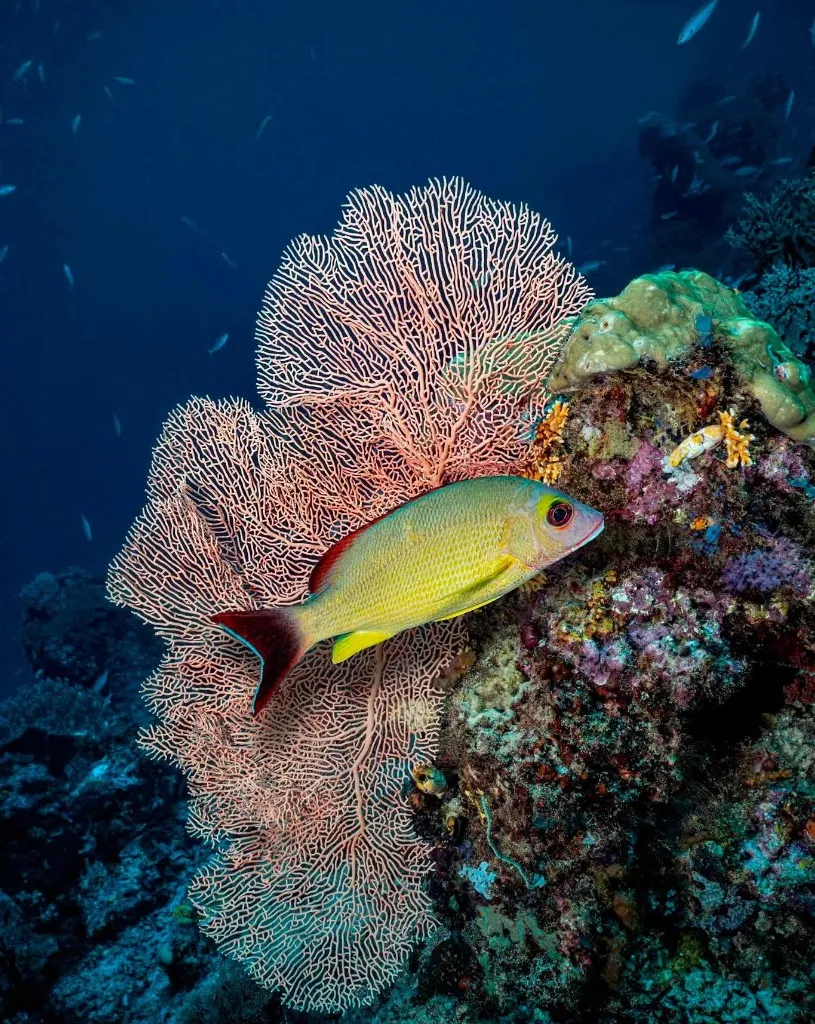
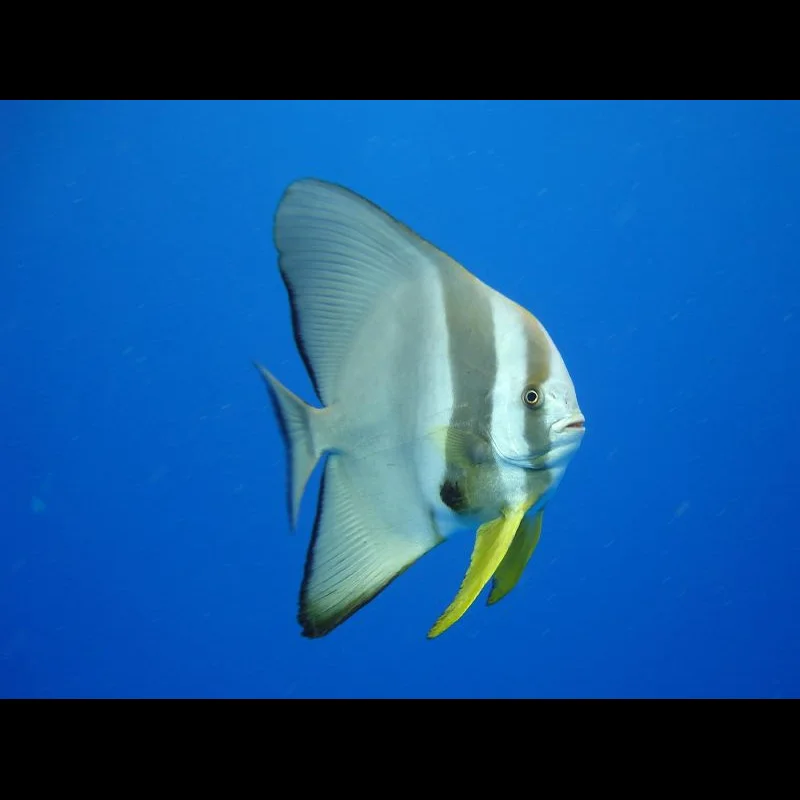
Divers frequently observe large schools of batfish, trevally, snappers, and sweetlips congregating around the bow and along the hull. For those with an eye for the smaller creatures, the wreck is a haven for macro subjects.
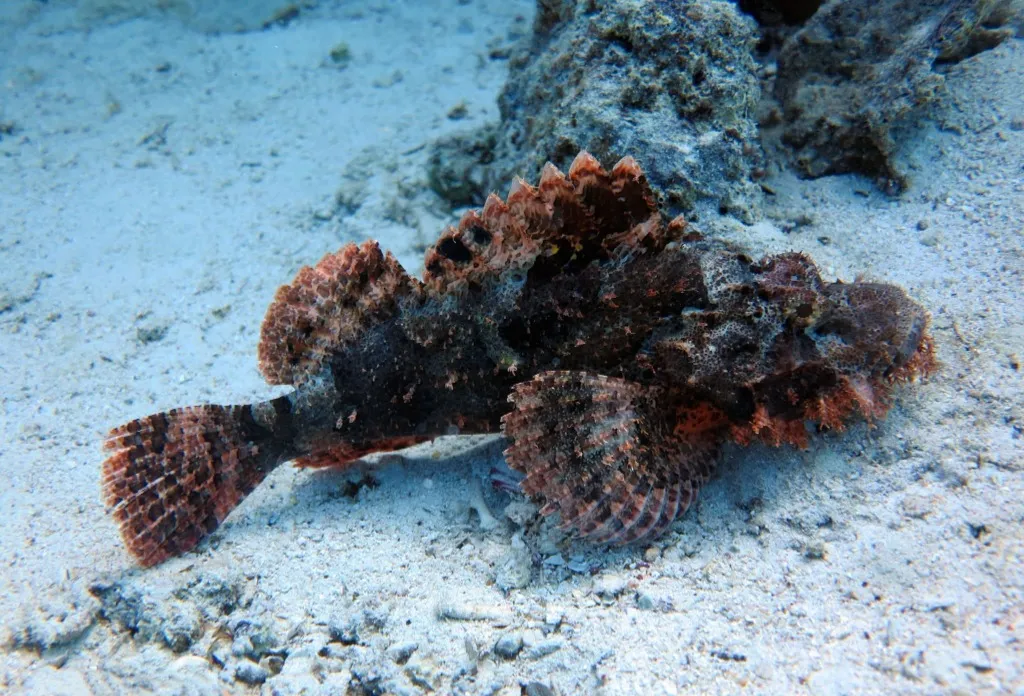
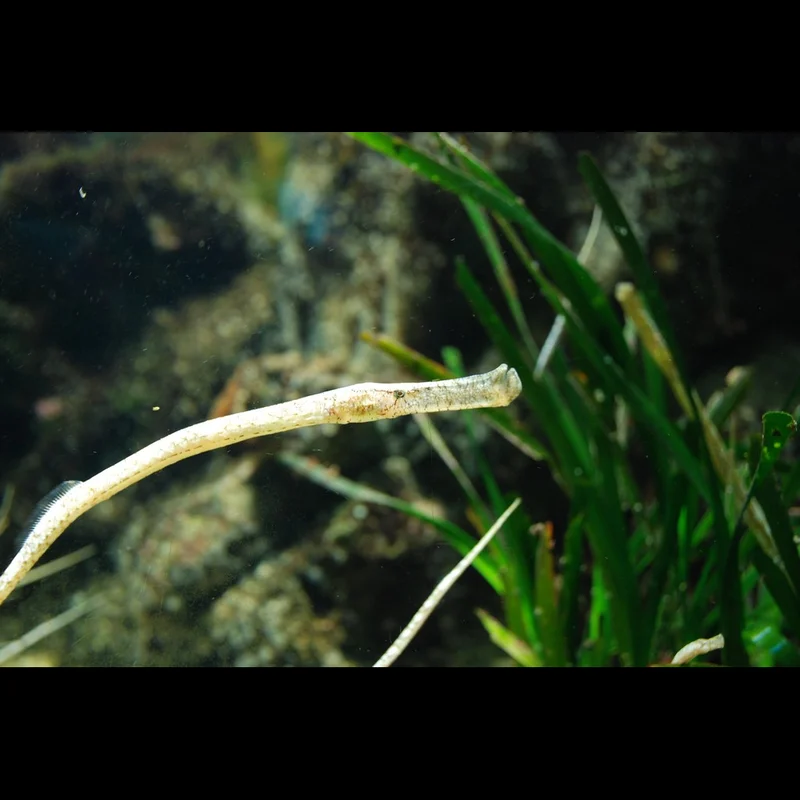
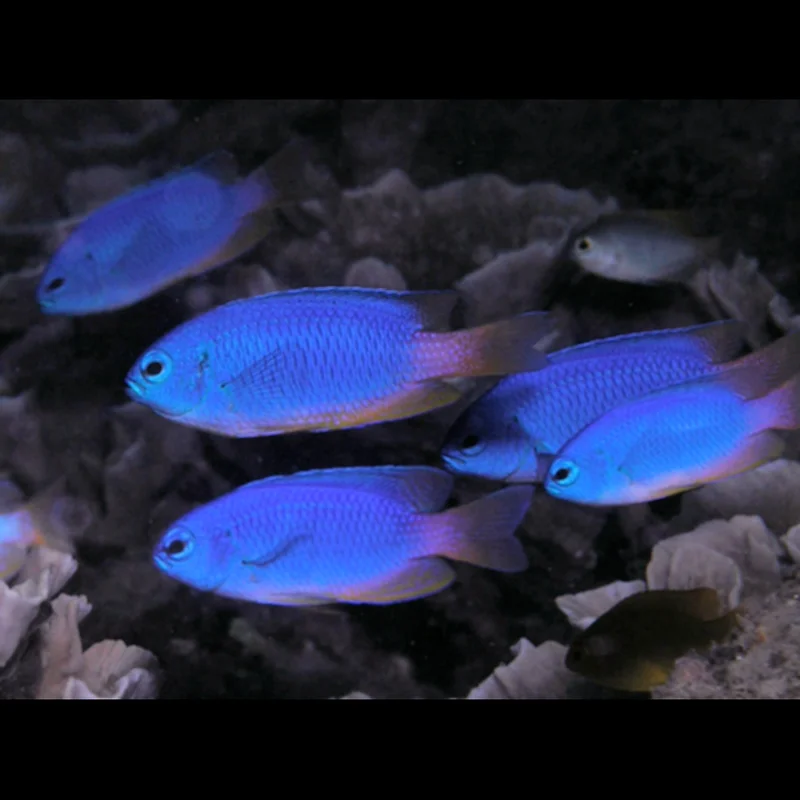
Patient divers can spot frogfish and various scorpionfish, including the camouflaged leaf and tasseled varieties. Nudibranchs in a spectrum of colors are common, along with pipefish and other reef fish like anthias and damselfish, nestled among the hydroids and sponges.
Dive Sites Near Alma Jane
View all dive sites in PhilippinesDiscover more underwater gems in this area.
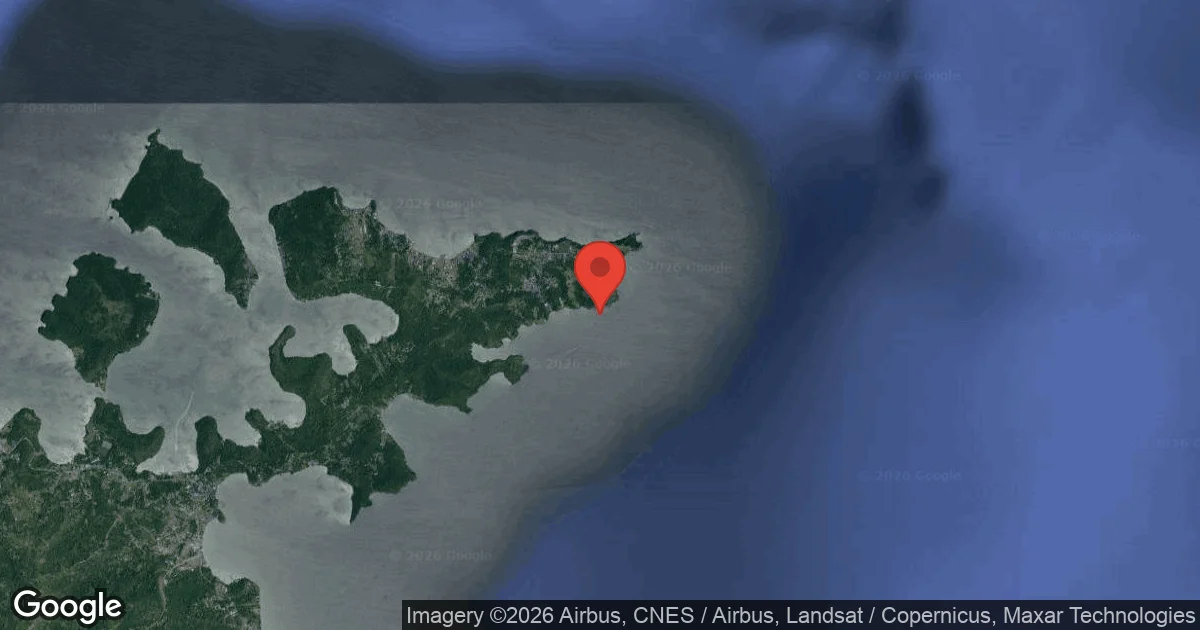
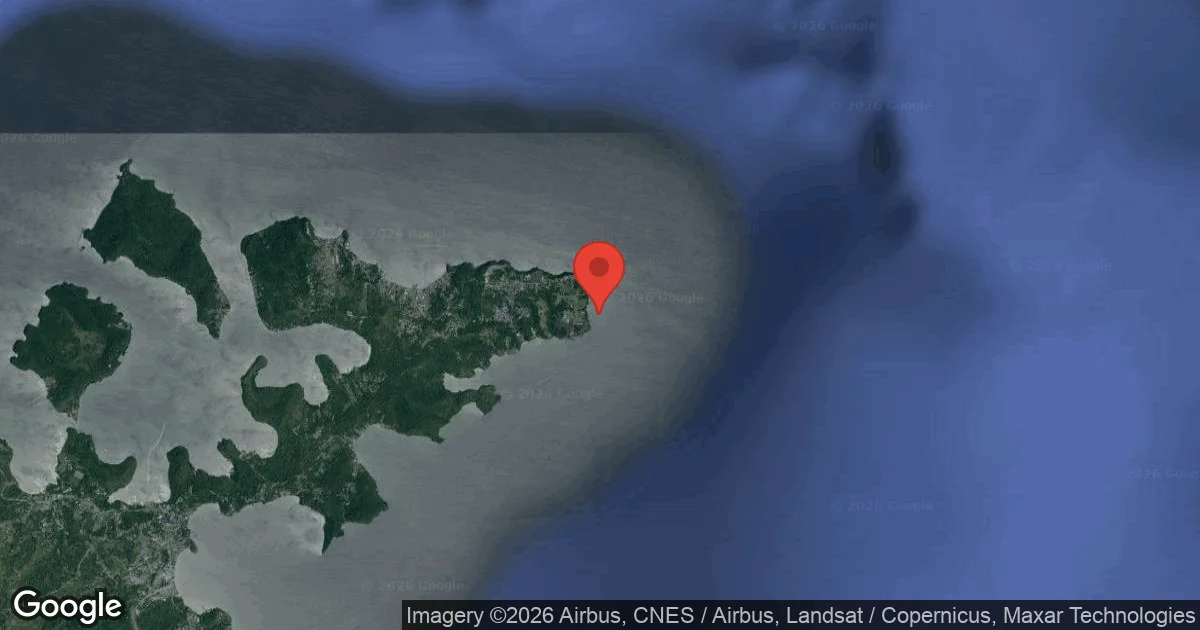
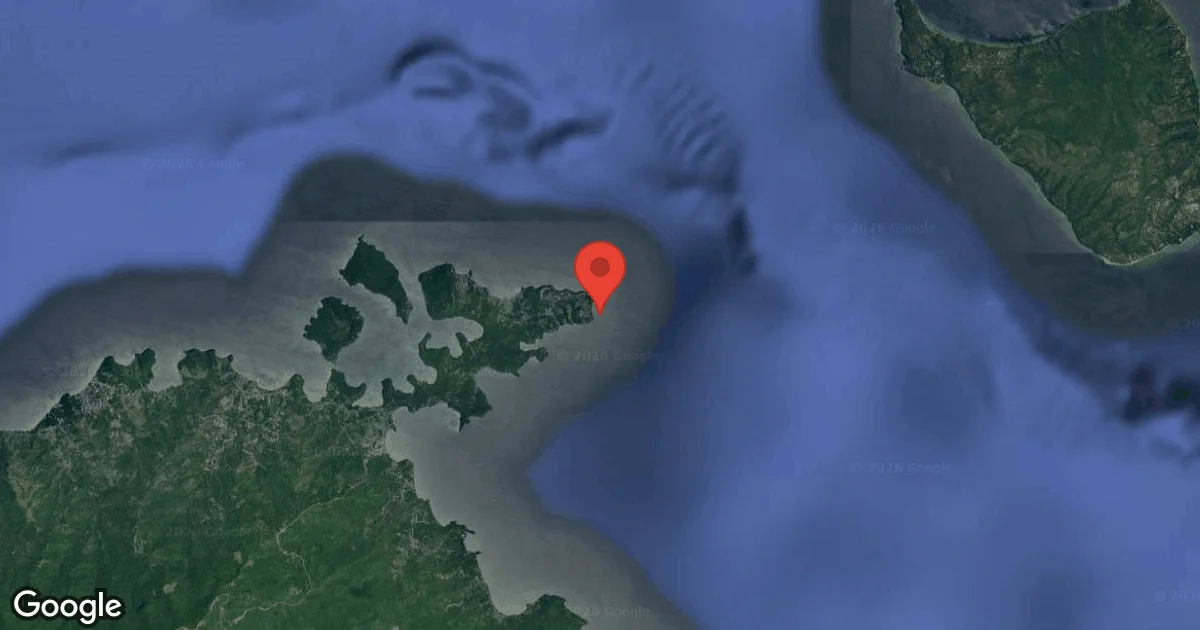
Dive Centers Near Alma Jane
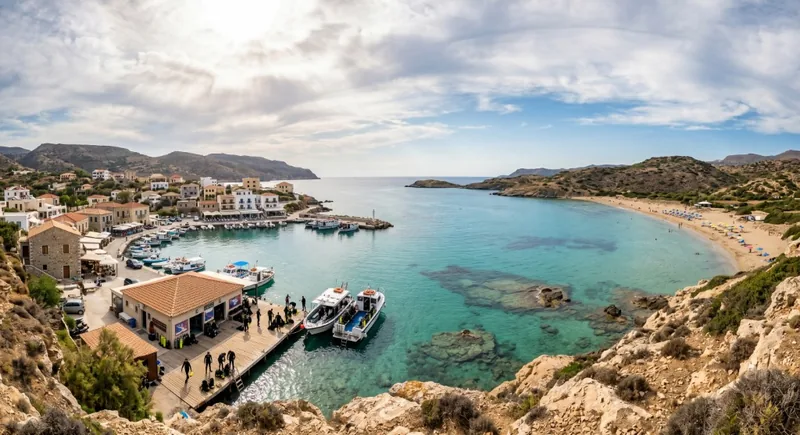
Today: Open 24 hours
Nearest Airports
Nearest airports to help plan travel to this dive area.
Search Flights
Check available flights and routes on Expedia, using the nearby airports listed in this section.
Search Flights on ExpediaFrequently Asked Questions
What is the maximum depth of the Alma Jane wreck?
Resting upright on a sandy bottom, the Alma Jane reaches a maximum depth of 30 m (100 ft). Its shallower sections begin around 22 m (72 ft).
What certification level is required to dive the Alma Jane?
Due to its depth, the Alma Jane wreck is suitable for Advanced Open Water certified divers. Such certification ensures divers have the necessary training and experience for deeper recreational diving.
When was the Alma Jane scuttled?
A former cargo ship, Alma Jane was intentionally scuttled in March 2003 to create a new artificial reef and dive site.
What kind of marine life can be seen at Alma Jane?
Heavily covered in corals and sponges, the wreck attracts schools of batfish, trevally, snappers, and sweetlips. Macro enthusiasts can find frogfish, scorpionfish, nudibranchs, and pipefish.
Are there strong currents at the Alma Jane wreck?
Currents at Alma Jane can vary from mild to strong, depending on the season and time of day. Dive briefings prior to entry will provide specific expectations for current conditions.
Can divers enter the Alma Jane wreck?
Divers can explore the upper decks and enter the wheelhouse and cargo holds. However, some internal structures are falling apart, requiring excellent buoyancy control and awareness of the environment.
Is Alma Jane suitable for underwater photography?
Yes, Alma Jane is considered excellent for underwater photography. It offers opportunities for wide-angle shots of the wreck itself and macro photography of the numerous small critters and corals inhabiting it.
Planning to dive Alma Jane?
Send one inquiry and receive offers directly from the best verified local dive operators.
Conditions are Good
07:00 - 14:00
Optimal conditions expected
Current conditions near Alma Jane show 29° air, 29° sea temperature, 0.1 m waves, and 17 km/h wind. Forecast data is refreshed regularly to ensure accuracy.