
Diving at Anemone Reef (Thailand)
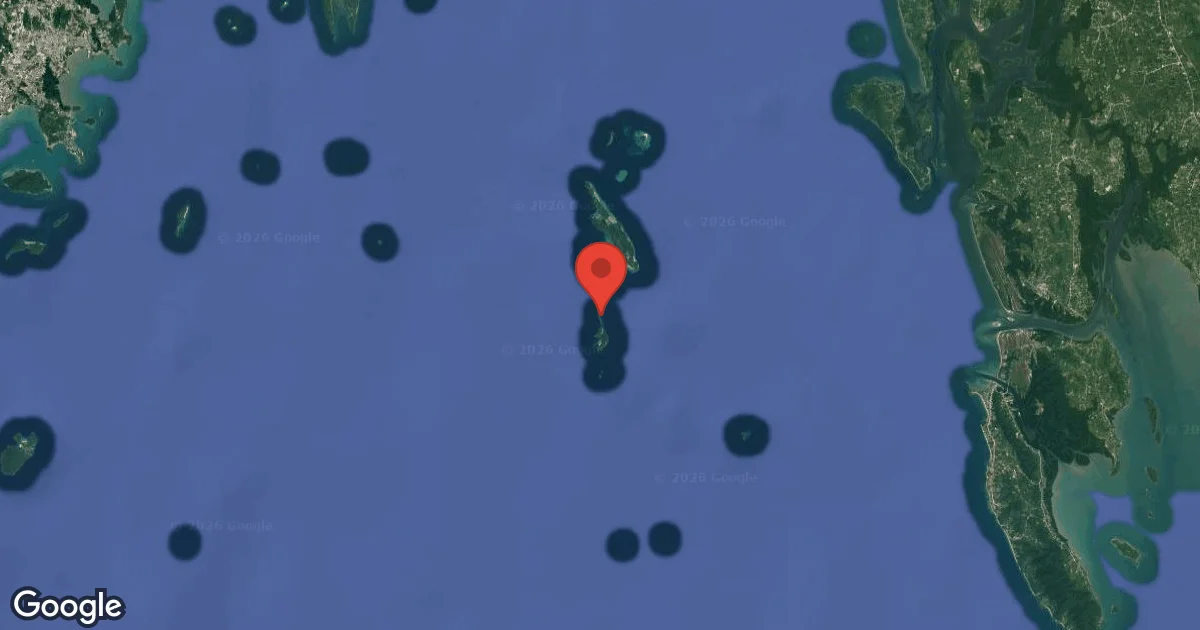
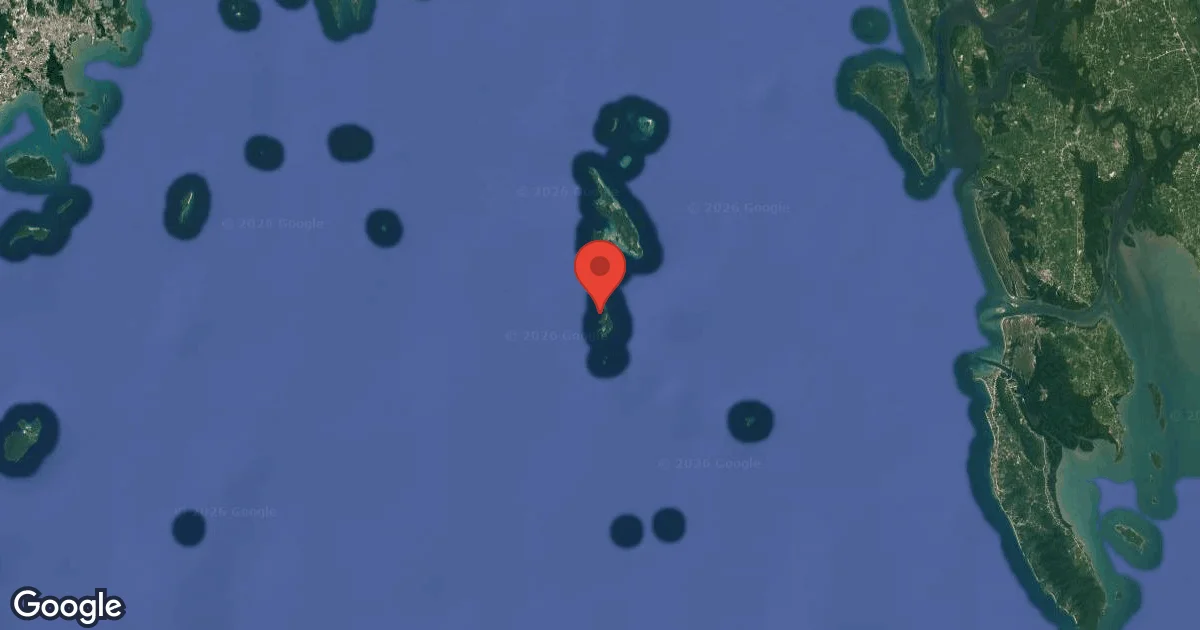
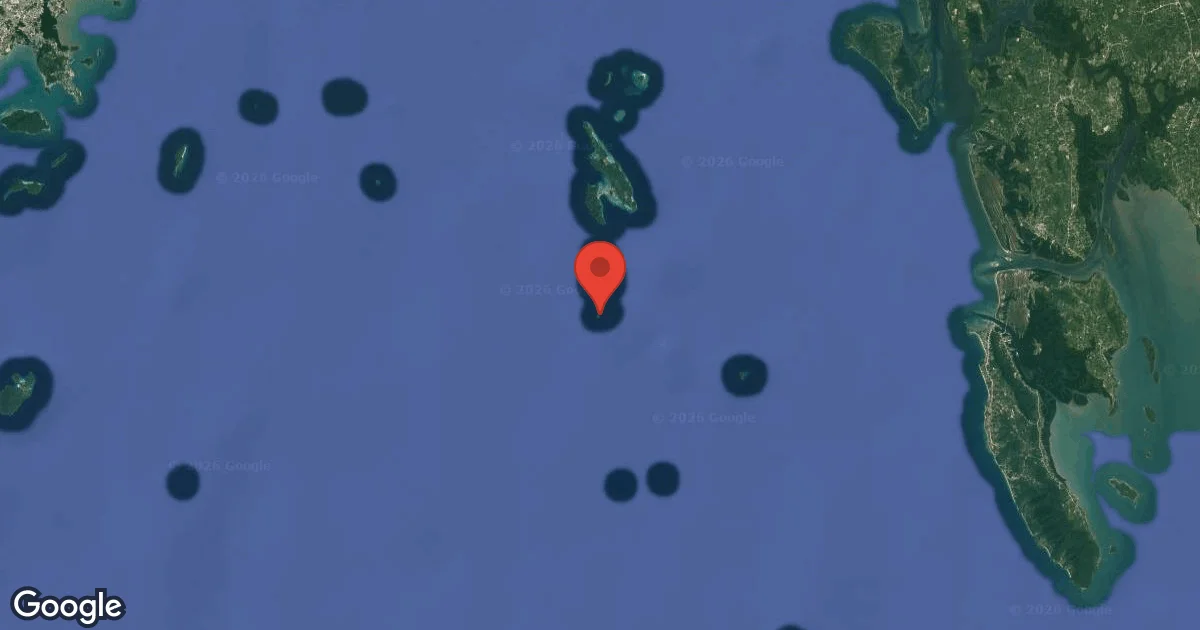
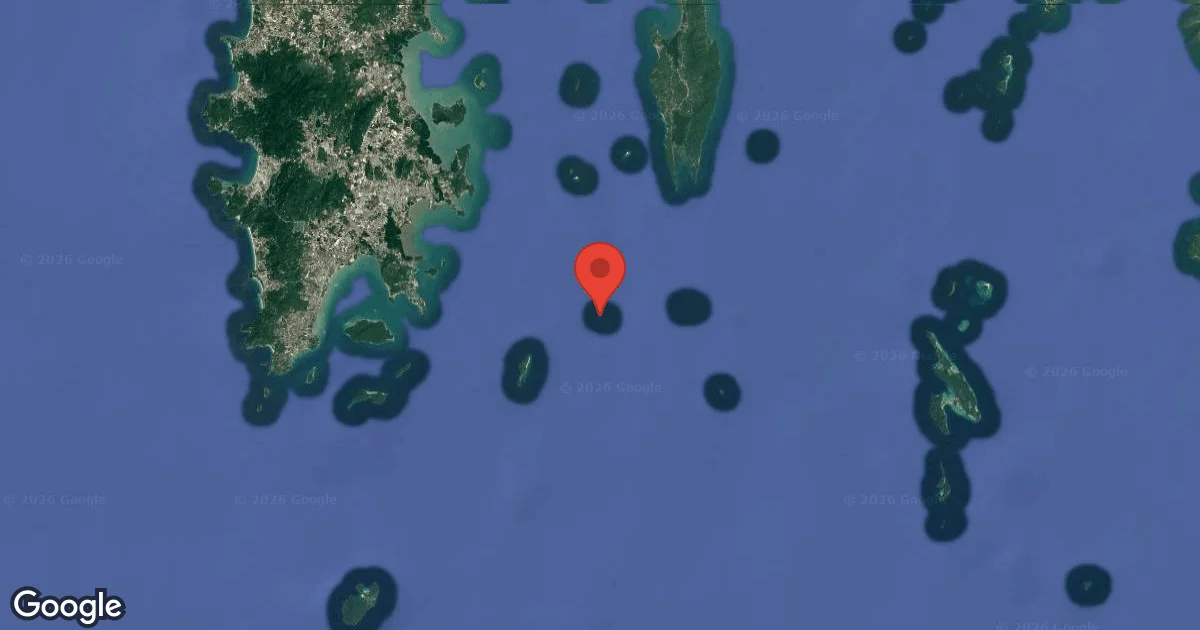
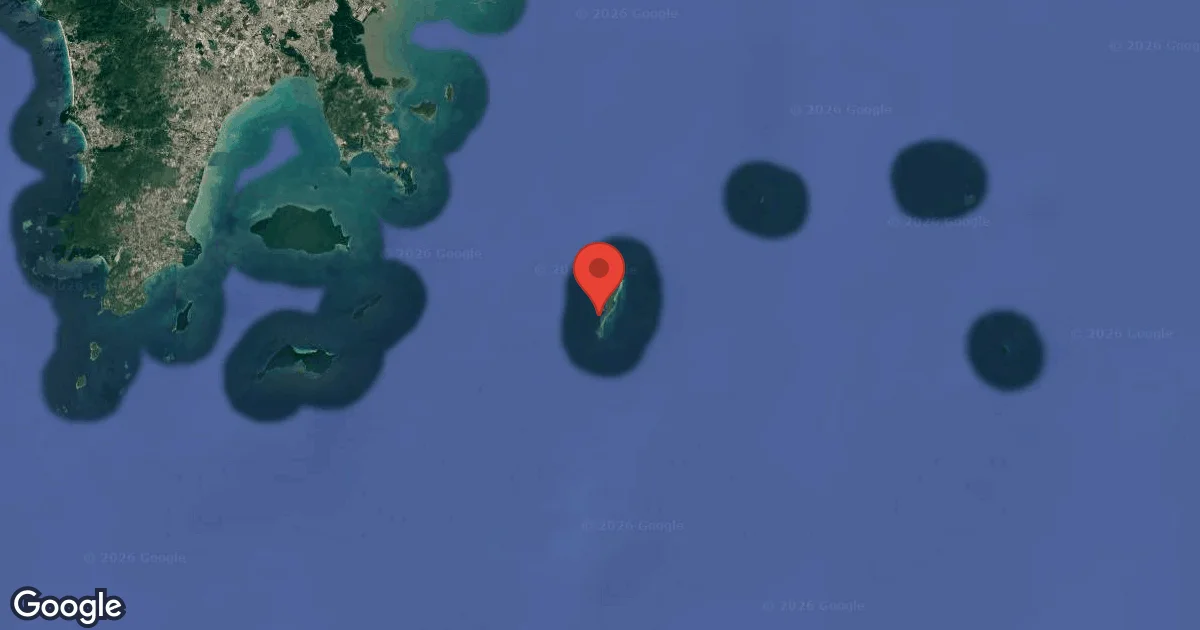
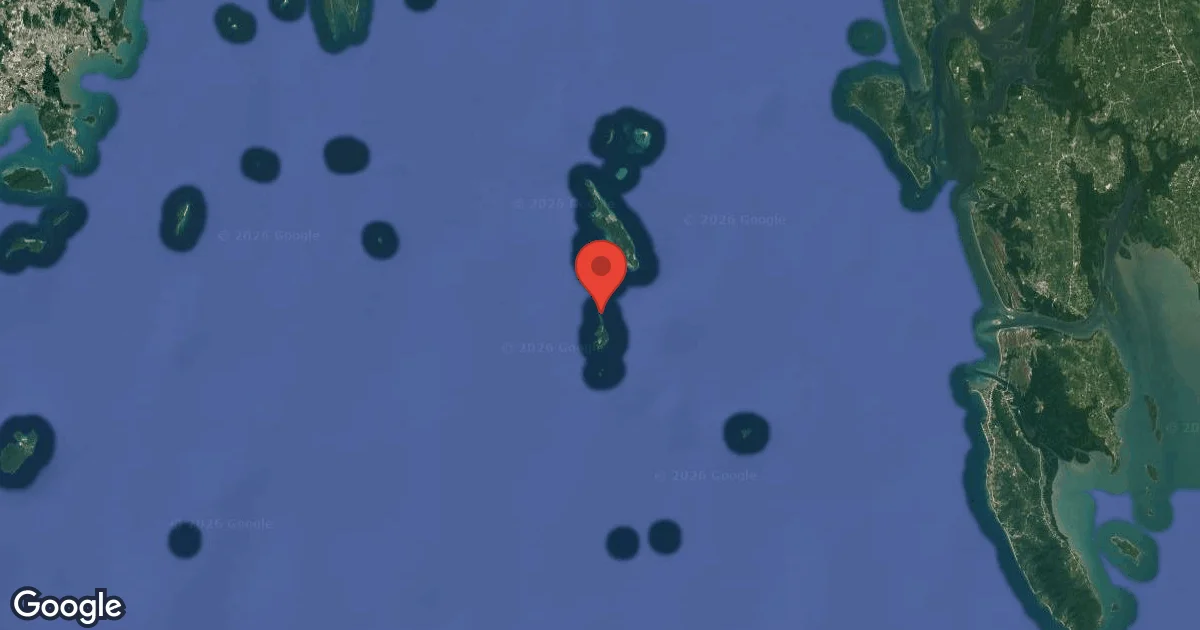
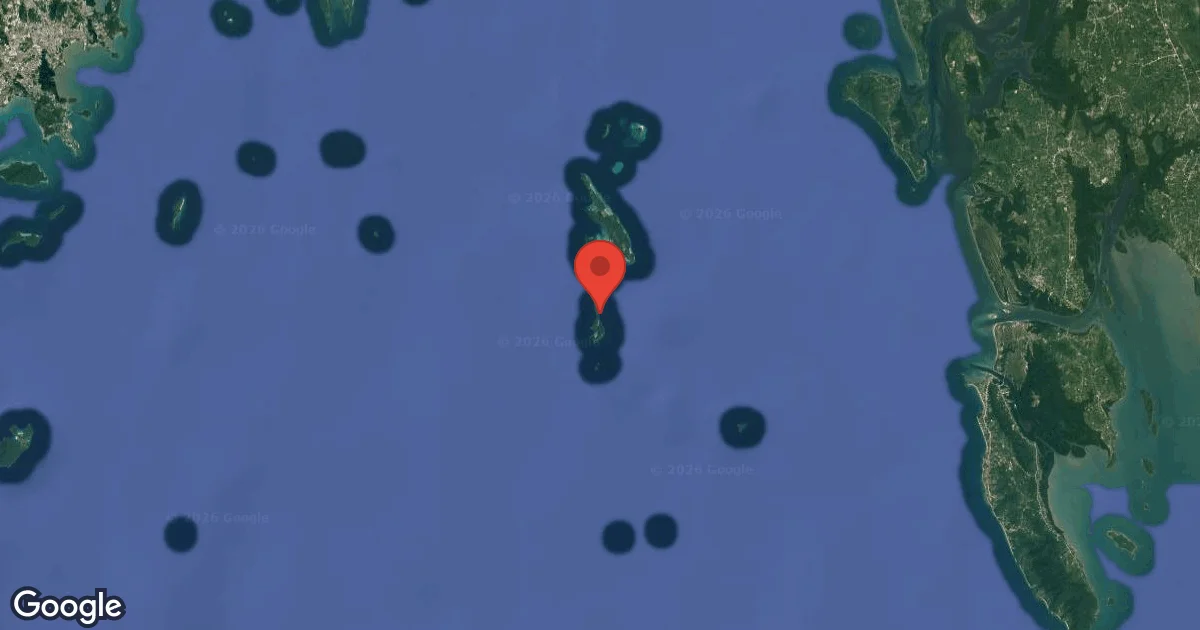
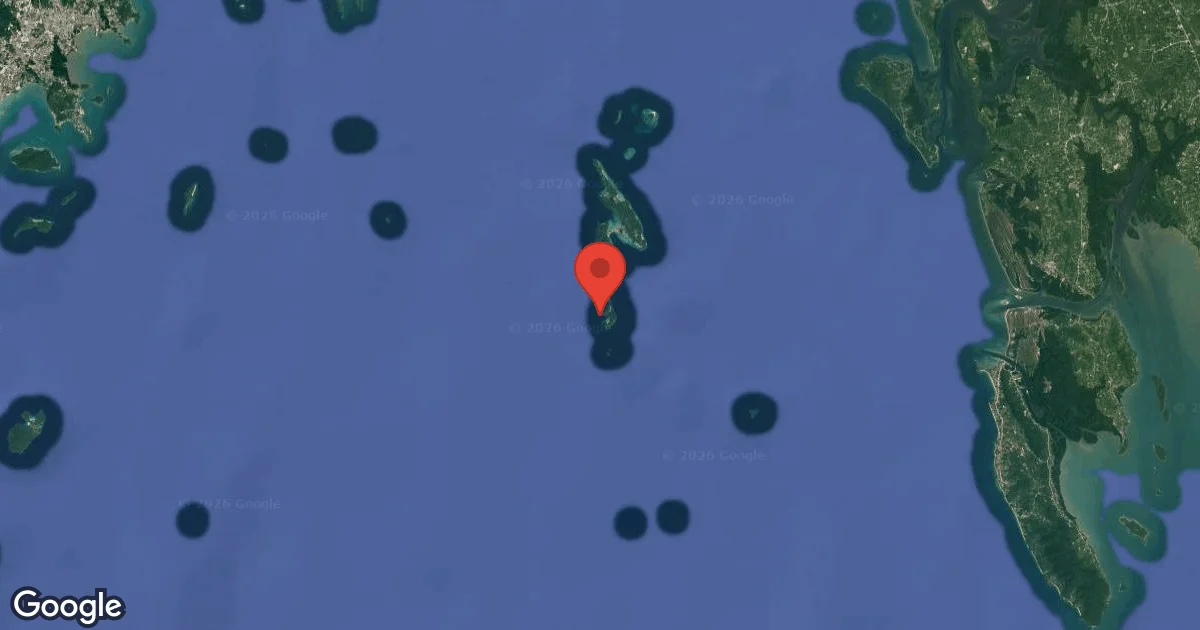
Anemone Reef, a prominent submerged limestone pinnacle, anchors itself between Phuket and Phi Phi, roughly 28 km east of Chalong Bay. Its distinct north-south alignment profoundly shapes how local currents interact with the site. The structure ascends sharply from a sandy base at 25-26 m / 82-85 ft to just 5-6 m / 16-20 ft below the surface. This creates a known shipping hazard, famously causing the sinking of the King Cruiser ferry.
As evening covers Anemone Reef, the local air temperature is measured at 29°C. The current wave height at the surface is recorded at 1.2 m. These late-day readings characterize the surface conditions for the night.
Dive Site Location & Key Facts
Dive Site Overview
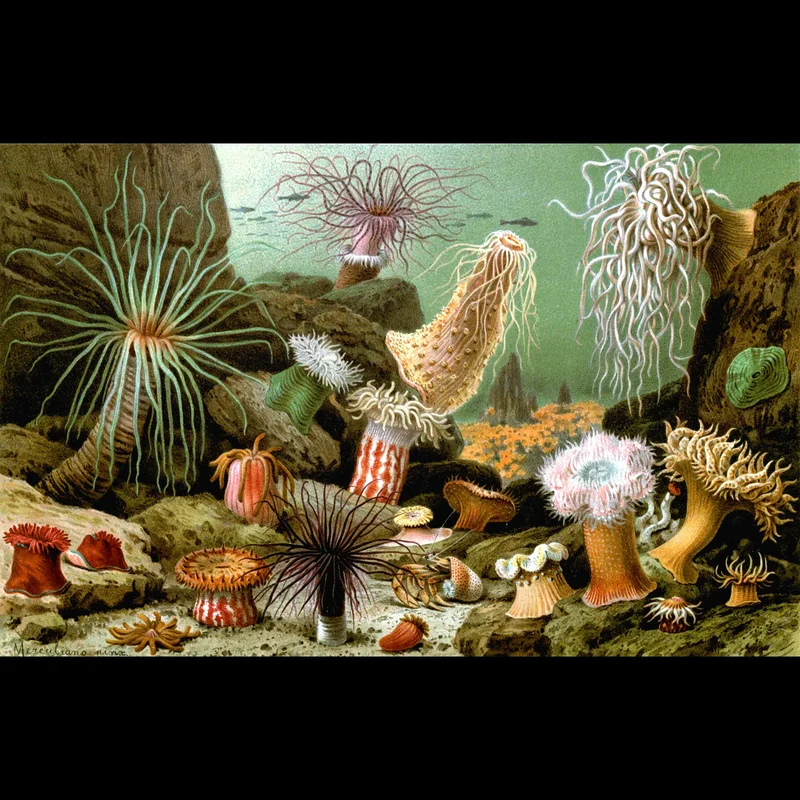
Approaching Anemone Reef reveals a vibrant submerged pinnacle truly living up to its name. Its shallower reaches are completely blanketed in a dynamic "carpet" of sea anemones.
This dense covering creates the illusion of a single, giant living rock, an effect amplified when currents cause the anemones to sway rhythmically. The site acts as a significant magnet for marine activity; nutrient-rich waters consistently draw a diverse array of reef fish seeking shelter and sustenance. Divers often encounter Anemone Reef as a segment of a 3-tank day trip from Phuket, frequently combined with explorations at nearby Shark Point or the King Cruiser Wreck.
This offers a varied diving itinerary, seamlessly blending natural reef formations with historical wreck sites. Descending to the pinnacle's deeper sections allows for detailed observation of both macro life found within crevices and larger pelagic species patrolling the open water.
The dynamic nature of the reef, with its extensive biomass, means there's always something new to discover, from the smallest nudibranch to schooling barracudas. Planning the dive often involves navigating the north-south currents, using the reef structure to shelter or drift along, making for an engaging and always evolving underwater journey.
Conditions are Moderate
Optimal conditions expected
Current conditions near Anemone Reef show 29° air, 30° sea temperature, 1.2 m waves, and 36 km/h wind. Forecast data is refreshed regularly to ensure accuracy.
Best Time to Dive
Optimizing your dive experience at Anemone Reef generally points towards the drier, cooler months when conditions are most settled. February and March consistently offer excellent dive scores, characterized by average air temperatures around 28-29°C / 82-84°F and minimal rainfall, typically less than 3 mm. These conditions contribute to a comfortable surface interval and stable underwater visibility. While diving is good throughout the year, the period from December through April typically sees lower wave heights and less wind, enhancing overall enjoyment and accessibility. Even during the monsoon season (May to October), when rainfall averages 6-9 mm and wave heights can increase to 0.6-0.9 m / 2-3 ft, the site usually maintains good dive scores, though surface conditions may be choppier.
PEAK SEASON SCORE
Scores combine air & water temps, waves, wind & rainfall for overall conditions.
BEST MONTHS TO DIVE
Monthly records compiled from satellite and marine observation nodes over the last 3 years. Data provided by Open-Meteo and MET Norway.
Dive Experience & Conditions
Navigating Anemone Reef typically involves currents running in a north-south direction, influencing the dive plan. You might start your dive at either end of the reef, descending to a desired depth before gradually ascending as you circle the pinnacle. One effective technique involves descending to your maximum qualified depth and then slowly rotating around the pinnacle, ascending a few meters with each revolution. A notable feature is a channel formed between the main pinnacle and a smaller one to the southeast, found at approximately 16 meters (about 52 feet) deep. Water temperatures at the site are consistently warm, generally ranging from 27-30°C / 81-86°F. While visibility can vary with conditions, it generally allows for clear views of the vibrant anemone fields and diverse marine life.
Dive Difficulty & Safety Guidelines
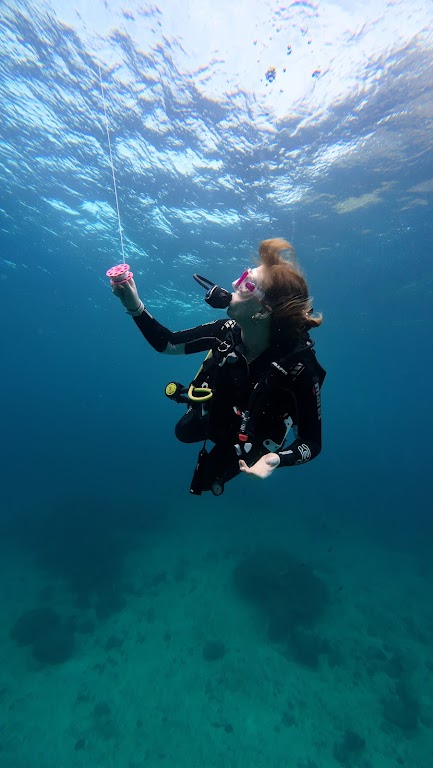
When diving Anemone Reef, it's prudent to be mindful of the prevailing north-south currents, which can dictate your entry and exit points. Divers often use the mooring attached to the top of the reef as a fixed point. Aim to conclude your dive near this mooring, or carry a safety balloon if surfacing away from the pinnacle to ensure you're visible to your boat.
Planning your descent to your maximum comfortable depth and then gradually spiraling upwards around the reef is a common and safe approach. Always conduct a thorough buddy check and monitor your air consumption, especially when navigating currents, to ensure a relaxed and safe ascent.
Recommended Equipment
- Dive Computer
- DSMB
This gear list is based on verified equipment signals for Anemone Reef, Thailand. Always confirm final gear choices with your dive operator, guide, or liveaboard.
Recommended Dive Suit
With water temperatures around 30°C (86°F), many divers find a dive skin or rash guard provides comfortable protection.
Local dive briefings can provide the most accurate guidance.
The upcoming forecast points to generally steady conditions in the area.
Due to technical issues with our weather providers, live updates are temporarily delayed. The data above reflects the conditions at the time of the last successful fetch.
Emergency & Medical Support
Essential information to help you plan your dive trip to Anemone Reef.

Hyperbaric chambers are a critical part of dive safety infrastructure. Availability varies significantly by region, and not all dive areas have immediate access.
Before diving, it's recommended to:
- confirm nearest medical facilities
- check emergency procedures with local dive operators
- ensure dive insurance covers evacuation if required
Divers Alert Network
Diving emergency assistance available through DAN World.
+1-919-684-9111- 24/7 emergency hotline
- Diving medical assistance
- Evacuation coordination
Emergency contacts are provided for reference. Always verify local emergency services before diving.
Marine Life at Anemone Reef
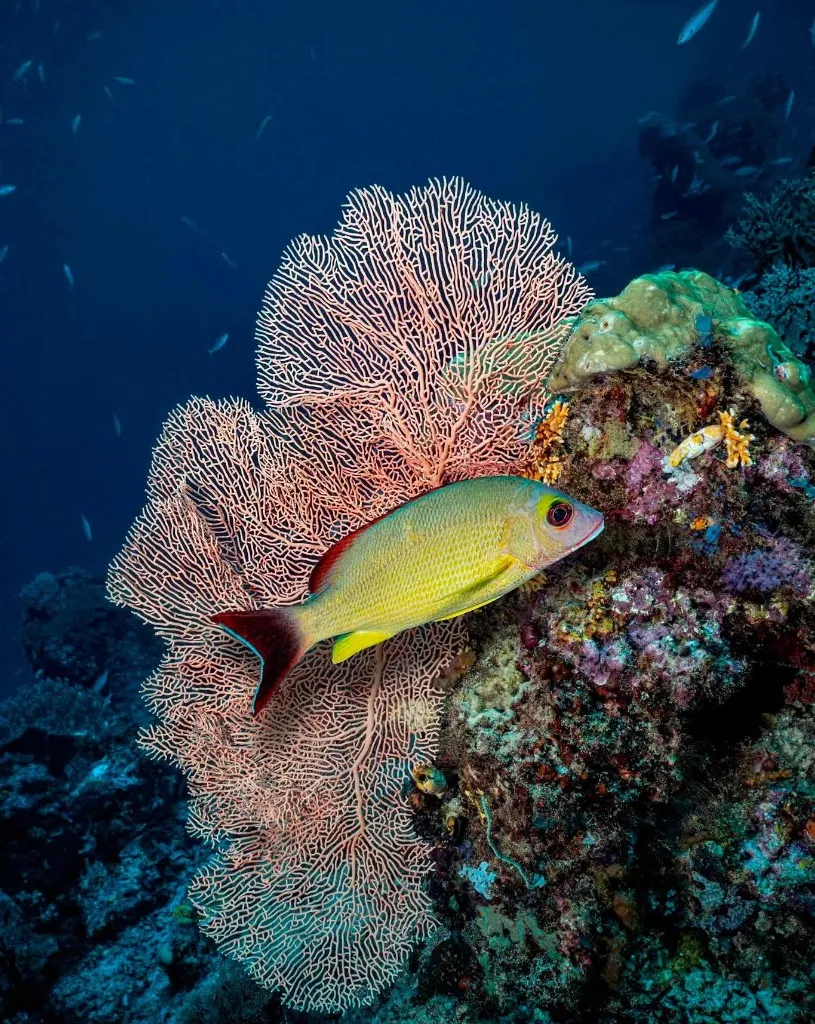
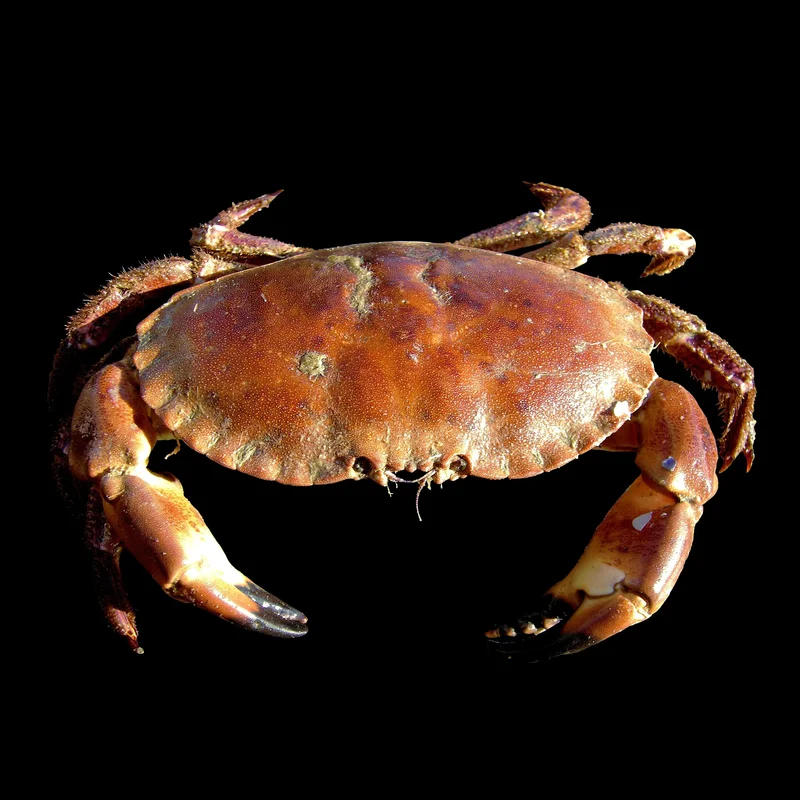
The vibrant fields of sea anemones give the reef its name and are home to a host of symbiotic creatures, including anemone crabs. Deeper areas of the reef feature soft corals and sea fans, providing habitat for smaller critters such as seahorses and ghost pipefish.
You can expect to encounter schools of snapper, barracudas, and sweetlips. Look for larger jacks or trevallies darting into the reef to feed.
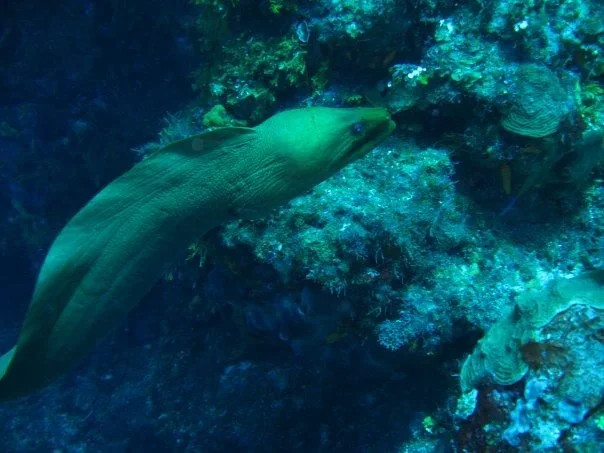
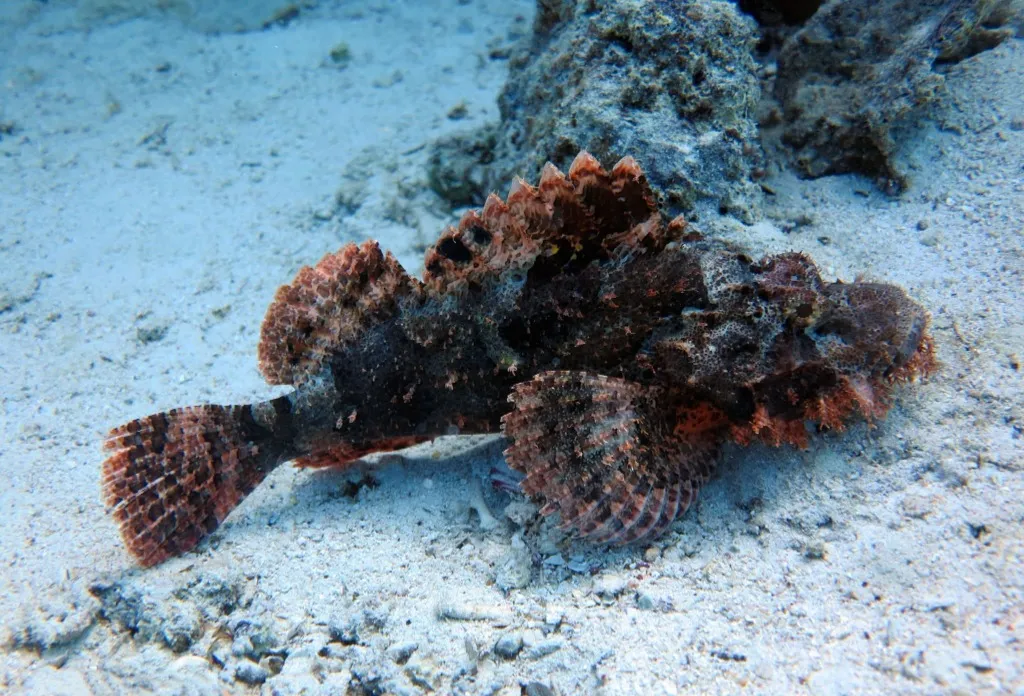
In the sandy areas at depth, leopard sharks are often seen, while soldierfish and scorpion fish hide within the reef's crevices. There's also a chance to spot various eels, including the rare zebra moray, cuttlefish, and occasionally even a whale shark.
Dive Sites Near Anemone Reef
View all dive sites in ThailandDiscover more underwater gems in this area.
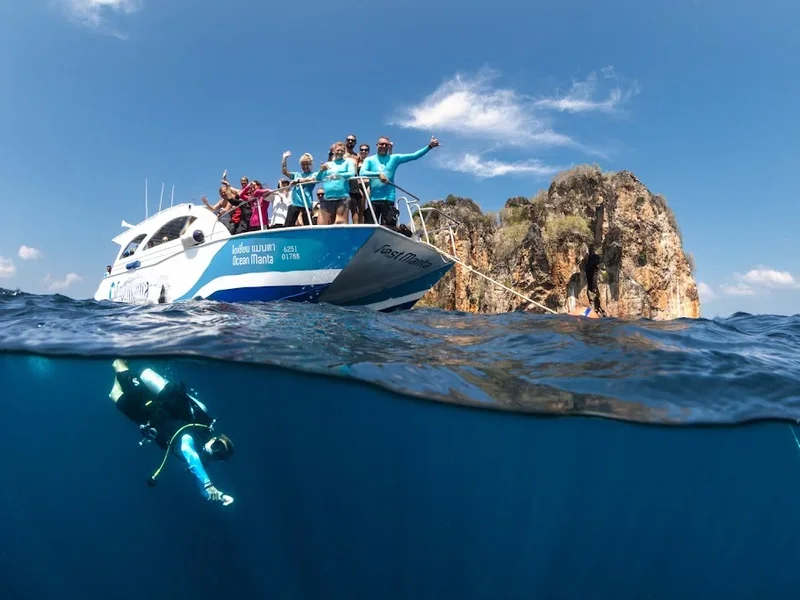
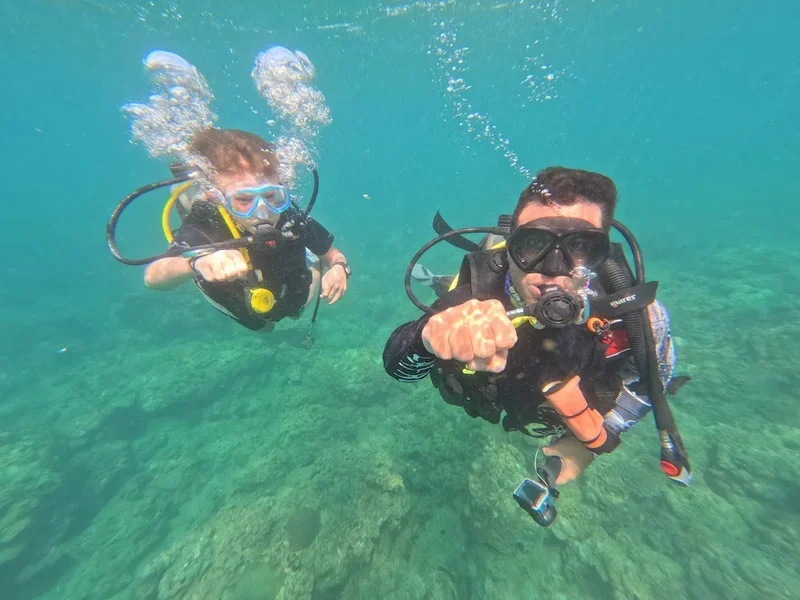
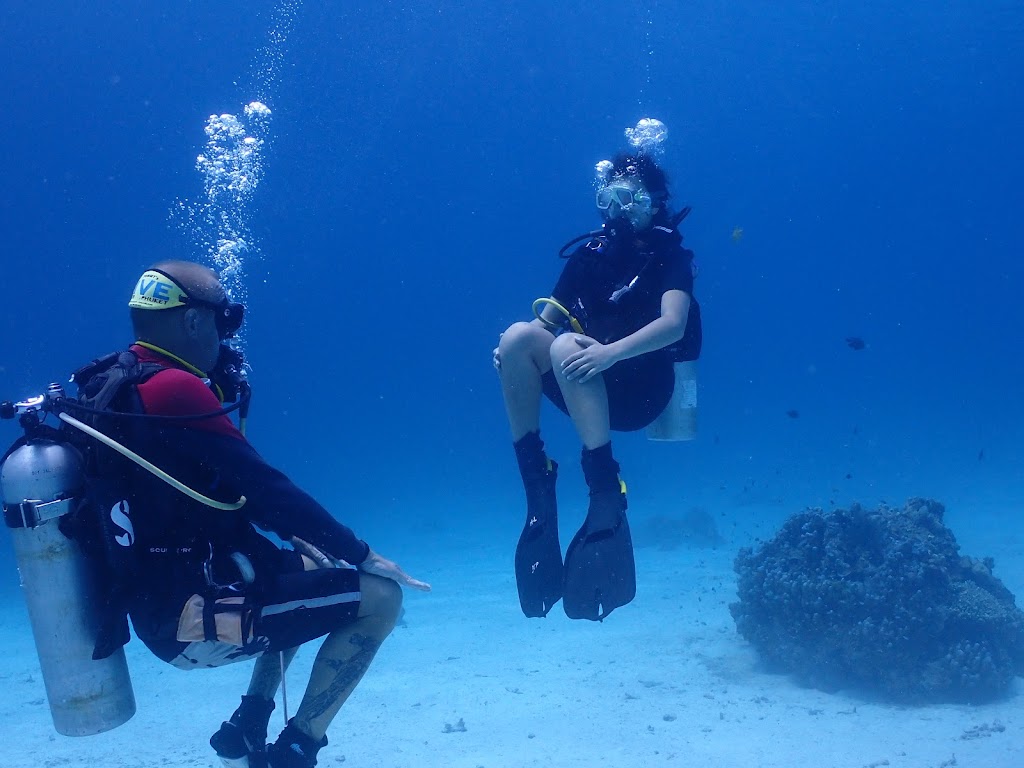
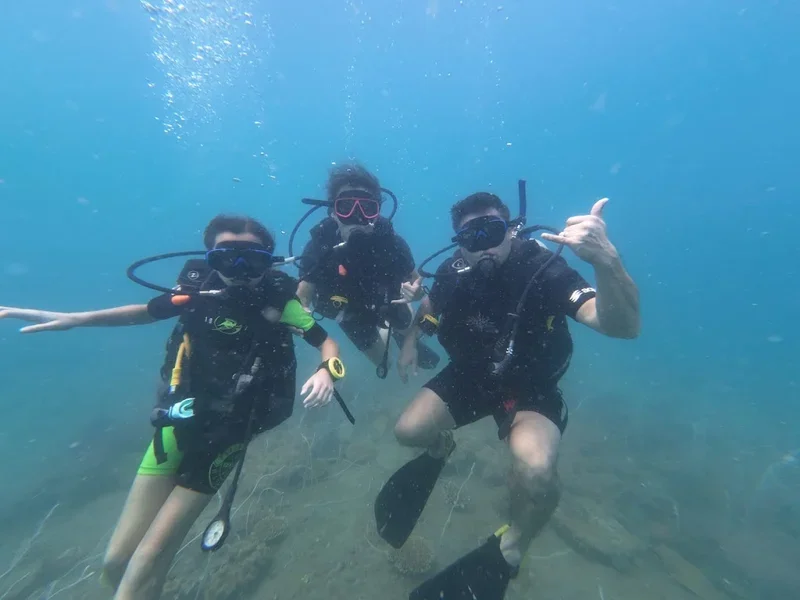
Dive Centers Near Anemone Reef
Today: 08:00 - 21:00


Nearest Airports
Nearest airports to help plan travel to this dive area.
Search Flights
Check available flights and routes on Expedia, using the nearby airports listed in this section.
Search Flights on ExpediaFrequently Asked Questions
Where is Anemone Reef?
Anemone Reef is a prominent submerged pinnacle found between Phuket and the Phi Phi Islands in Thailand, roughly 28 kilometers east of Chalong Bay, Phuket.
How deep is Anemone Reef?
The reef's pinnacle rises from a sandy bottom at about 25 to 26 meters (around 82 to 85 feet) to within 5 to 6 meters (about 16 to 20 feet) of the surface, making it accessible for various certification levels.
What marine life is common at Anemone Reef?
The reef is known for extensive anemone fields, attracting clownfish, anemone crabs, and various reef fish. You might also spot leopard sharks, seahorses, ghost pipefish, barracudas, and sometimes even a whale shark.
Are there strong currents at Anemone Reef?
Currents at Anemone Reef typically run in a north-south direction. Dive guides plan descents and ascents according to these currents, often starting at one end and drifting around the pinnacle.
Is Anemone Reef dived with other sites?
Yes, it is commonly part of a 3-tank day trip from Phuket, often combined with dives at nearby Shark Point, the King Cruiser Wreck, or the Phi Phi Islands.
Why is it called Anemone Reef?
The site gets its name from the vast numbers of sea anemones that densely cover the shallower parts of the pinnacle, creating a vibrant, undulating 'carpet' effect.
Is Anemone Reef a good spot for underwater photography?
Absolutely. With its abundant macro life, colorful anemones, and diverse fish schools, Anemone Reef is considered an excellent location for underwater photography, from wide-angle to macro shots.
Planning to dive Anemone Reef?
Send one inquiry and receive offers directly from the best verified local dive operators.
Conditions are Moderate
Optimal conditions expected
Current conditions near Anemone Reef show 29° air, 30° sea temperature, 1.2 m waves, and 36 km/h wind. Forecast data is refreshed regularly to ensure accuracy.