
Diving at Koh Haa (Thailand)
Koh Haa's archipelago immerses divers in an underwater world of vivid tranquility, where the warm tropical sun filters through exceptionally clear waters. Each island presents a distinct sensory experience, from sunlit caverns to bustling coral gardens. It's a place where the calm movement of the ocean currents guides you through spectacular formations, revealing a rich tapestry of marine life.
As evening covers Koh Haa, the local air temperature is measured at 27°C. The current wave height at the surface is recorded at 0.6 m. These late-day readings characterize the surface conditions for the night.
Dive Site Location & Key Facts
Dive Site Overview
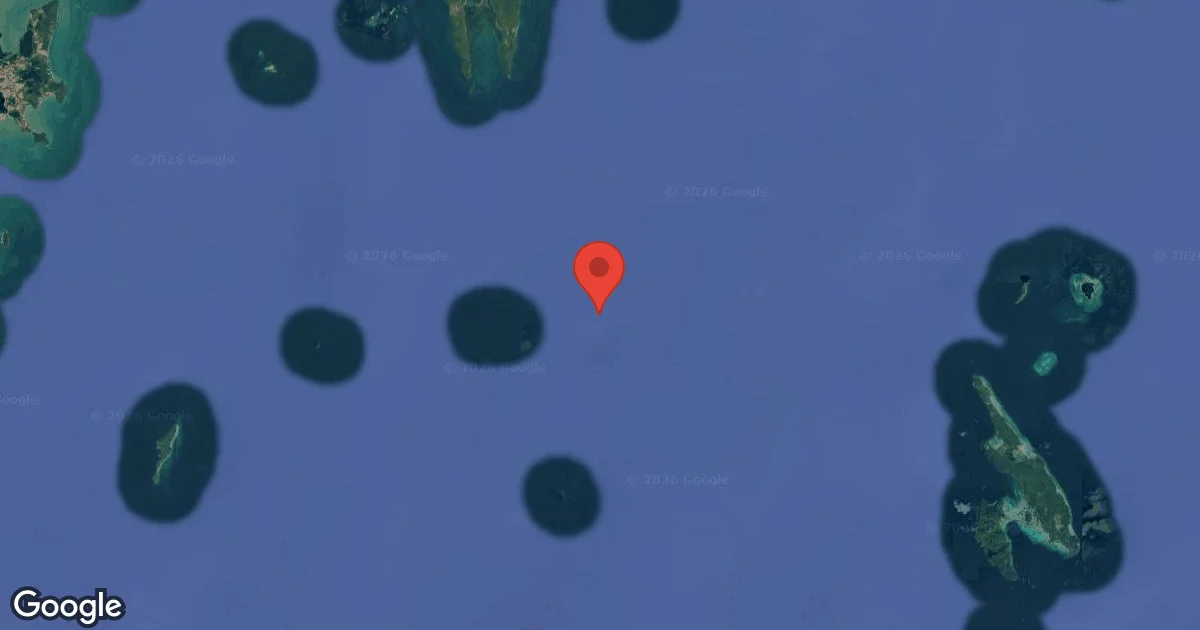
Koh Haa, translating to 'Five Islands and the Big One', offers a diverse range of diving experiences catering to every skill level, distinguishing it as a premier destination in Thailand. This cluster of six distinct islands forms a protected marine park, fostering thriving ecosystems.
Divers will discover vibrant reef systems, dramatic pinnacles, and intricate caverns, each presenting its own underwater narrative. Within these marine park boundaries, the Koh Haa Lagoon stands out for its calm, shallow waters, ideal for introductory dives and snorkeling, reaching depths of around 5 m (16 ft).
It's an excellent environment for practicing skills or simply observing macro life over sandy bottoms and shallow coral reefs. Beyond the lagoon's sheltered embrace, other sites around the islands drop to approximately 30 m (100 ft), revealing walls and more exposed reefs.
Varied topography includes unique formations like caves and swim-throughs, which provide shelter for numerous species and add an adventurous dimension to the dive. Coupled with a rich array of marine inhabitants, each dive here is a dynamic exploration.
Accessibility from Koh Lanta, suitable conditions for training, and varied topography reinforces Koh Haa's standing as a highly regarded dive location.
Conditions are Good
Optimal conditions expected
Current conditions near Koh Haa show 27° air, 30° sea temperature, 0.6 m waves, and 30 km/h wind. Forecast data is refreshed regularly to ensure accuracy.
Best Time to Dive
Optimal diving conditions at Koh Haa are generally experienced from mid-October through mid-May, aligning with the region's high season. During these months, the weather typically features excellent dive scores, particularly from December to March. Air temperatures during this peak period hover pleasantly between 27-28°C (81-82°F), with minimal rainfall, often less than 2 mm (0.08 inches) per month. Calmer seas and lowest wave heights, averaging around 0.2-0.3 m (0.7-1 ft), contribute to comfortable boat journeys and clear underwater visibility. Water temperature isn't consistently reported with exact figures, but it's generally warm, consistent with tropical diving conditions in the Andaman Sea. Stronger currents, however, can occur, especially a few days before or after a full or new moon, potentially creating exciting drift dive opportunities. For optimal experience, including the chance to spot whale sharks, the November to April period is frequently highlighted.
PEAK SEASON SCORE
Scores combine air & water temps, waves, wind & rainfall for overall conditions.
BEST MONTHS TO DIVE
Monthly records compiled from satellite and marine observation nodes over the last 3 years. Data provided by Open-Meteo and MET Norway.
Dive Experience & Conditions
Descending into Koh Haa's waters typically reveals a spectrum of environments, beginning with sun-dappled shallow reefs and gradually transitioning to deeper walls and pinnacles. Initial entry might place you over sandy bottoms near the lagoon, where new divers can comfortably acclimatize. As you move along, the landscape shifts to vibrant hard and soft coral gardens clinging to the rock formations and reef structures. Currents here are often described as low, making for relaxed explorations, but can become more pronounced depending on the lunar cycle, creating excellent drift scenarios for experienced divers. Visibility ranges widely, typically between 10-30 m (33-100 ft), providing clear views of the diverse underwater scenery. Throughout the dive, water temperatures remain comfortably warm, although specific measurements are not consistently reported for the site itself. Exploring caverns and swim-throughs is a highlight, offering dramatic light effects and sheltered corners where marine life congregates. Overall, the experience blends gentle exploration with opportunities for dynamic drift diving, depending on the day's conditions and chosen site.
Dive Difficulty & Safety Guidelines
To preserve the pristine conditions of Koh Haa, divers should always adhere to responsible diving practices. Prioritizing excellent buoyancy control is crucial to avoid accidental contact with delicate corals and other marine life. This ecosystem thrives on minimal disturbance; divers must resist touching or collecting any souvenirs, as removing marine organisms is both harmful and illegal within the protected park.
Additionally, maintain awareness of environmental impact above and below the surface. Dispose of all waste properly ashore, and never introduce food into the water, as this disrupts the natural feeding behaviors of marine species.
Using reef-safe sunblock is also a proactive step in protecting the health of the coral reefs. While currents are generally low, they can intensify around lunar cycles or within the lagoon, so always heed your dive guide's briefings and maintain situational awareness, especially during potential drift dives.
Recommended Equipment
Overhead environment. Do not enter beyond training and gas planning limits.
- Dive Computer
- DSMB
- Primary & Backup Lights
- Reel / Spool
- Cutting Tool
This gear list is based on verified equipment signals for Koh Haa, Thailand. Always confirm final gear choices with your dive operator, guide, or liveaboard.
Recommended Dive Suit
For dives of average duration, dive skin or rash guard usually provides sufficient protection from heat loss. Consider warmer surface protection (like a boat coat) due to brisk winds.
Divers entering the water at Koh Haa today can expect temperatures near 30°C (86°F) beneath the surface. Surface air temperatures are resting at 27°C (81°F).
Conditions are expected to stay fairly consistent in the days ahead.
Emergency & Medical Support
Essential information to help you plan your dive trip to Koh Haa.

Hyperbaric chambers are a critical part of dive safety infrastructure. Availability varies significantly by region, and not all dive areas have immediate access.
Before diving, it's recommended to:
- confirm nearest medical facilities
- check emergency procedures with local dive operators
- ensure dive insurance covers evacuation if required
Divers Alert Network
Diving emergency assistance available through DAN World.
+1-919-684-9111- 24/7 emergency hotline
- Diving medical assistance
- Evacuation coordination
Emergency contacts are provided for reference. Always verify local emergency services before diving.
Marine Life at Koh Haa
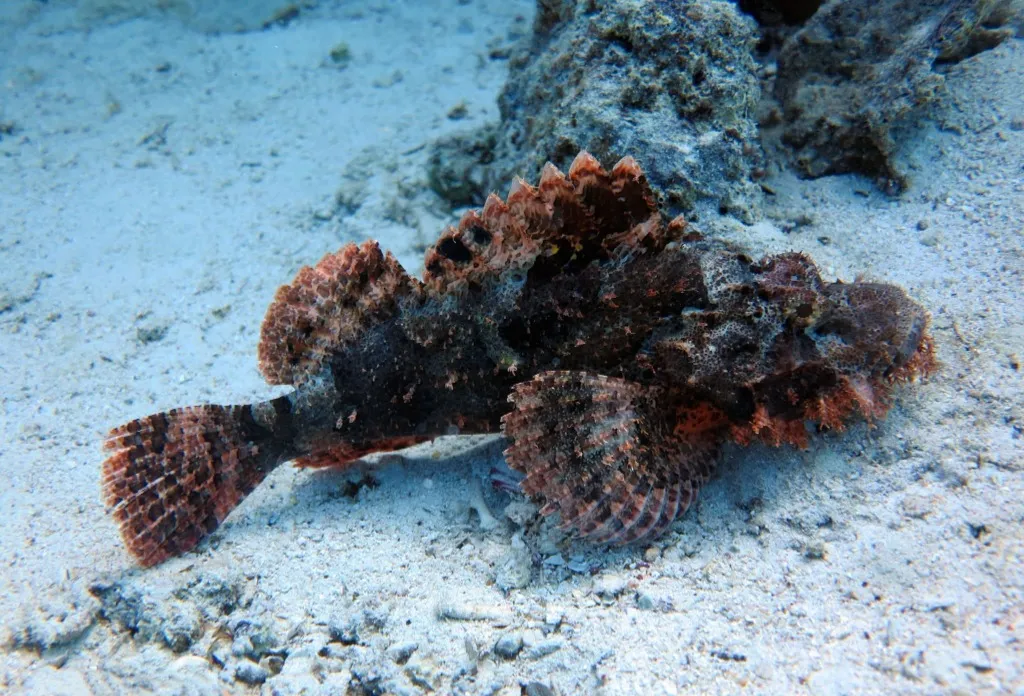
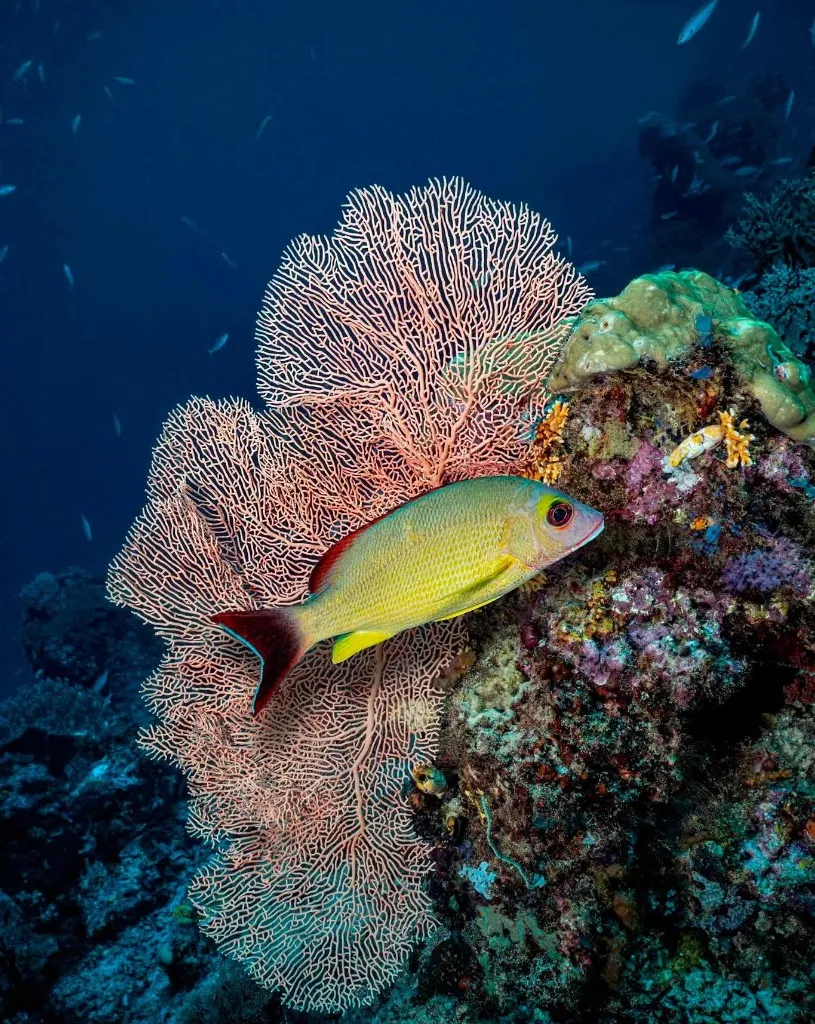
Upon entering Koh Haa's vibrant habitats, divers often first notice the extensive and healthy coral reefs, rich with hard and soft varieties like staghorn, bubble, and honeycomb corals. These intricate formations serve as bustling homes for a wide array of reef fish, including colorful parrotfish, surgeonfish, and various angelfish.
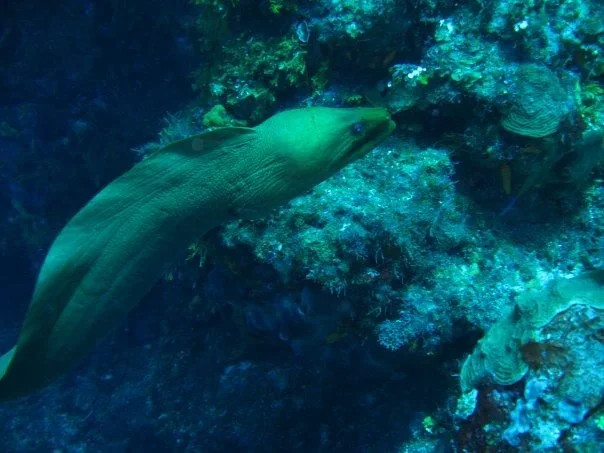
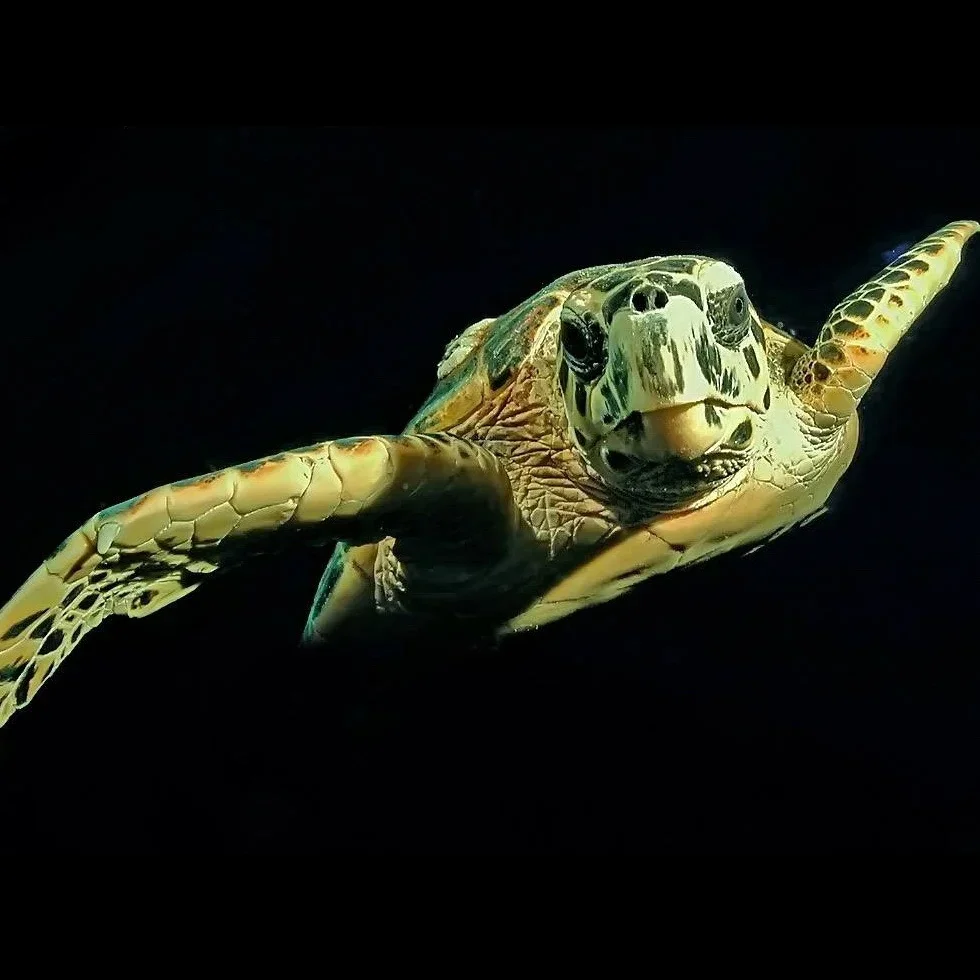
Look closer and you might spot resident moray eels peeking from crevices, or shy blue-dotted rays resting on the sandy bottom. Visitors also spot Hawksbill turtles, reef rays, and blacktip sharks.
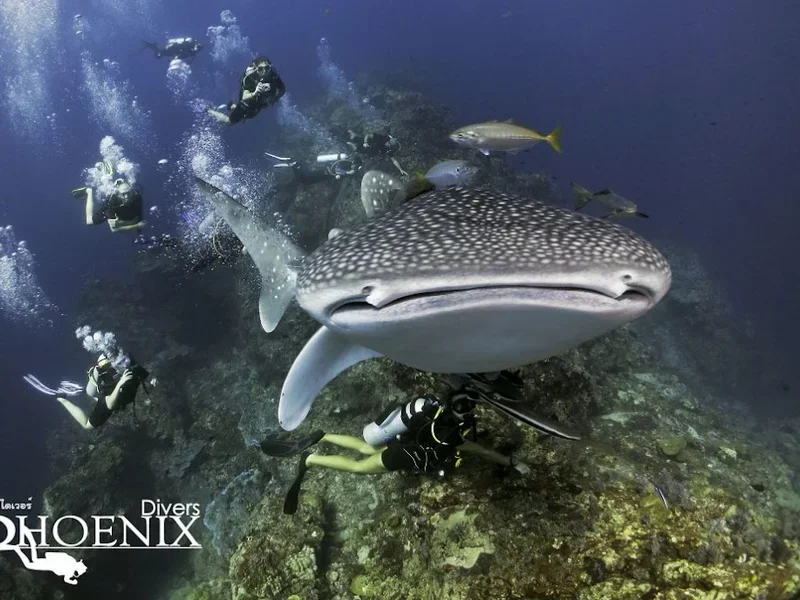
Encounters with larger pelagics, such as impressive schools of barracudas and trevallies, are common, and whale sharks are frequently seen, particularly from November to April, adding an exciting dimension to the dive experience.
Dive Sites Near Koh Haa
View all dive sites in ThailandDiscover more underwater gems in this area.
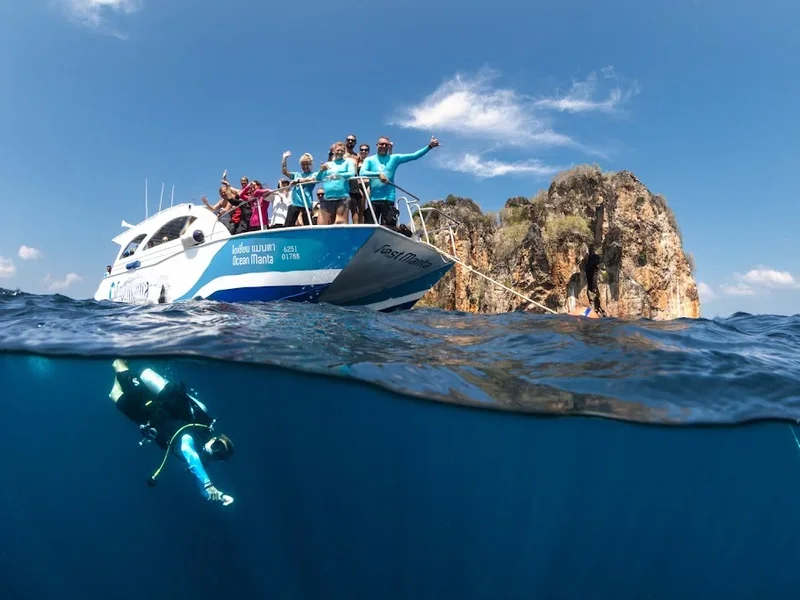
Dive Centers Near Koh Haa
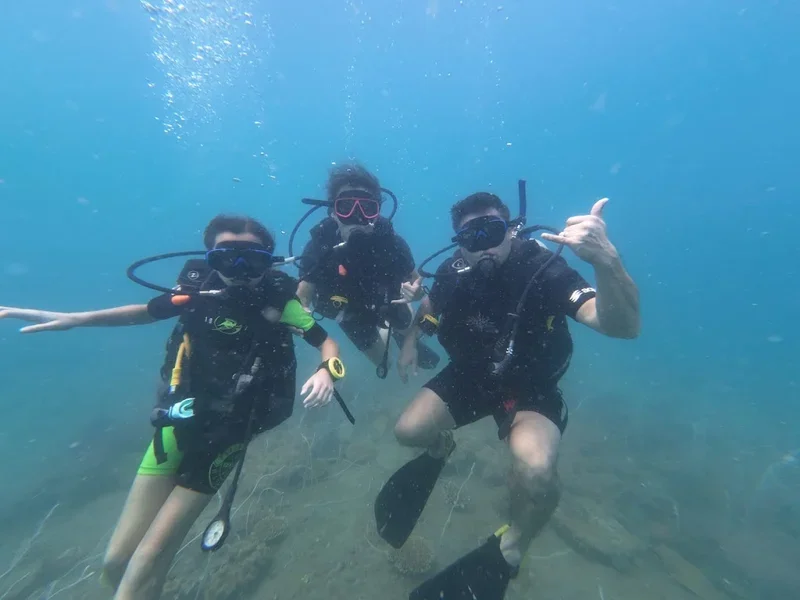
Today: 11:00 - 18:00

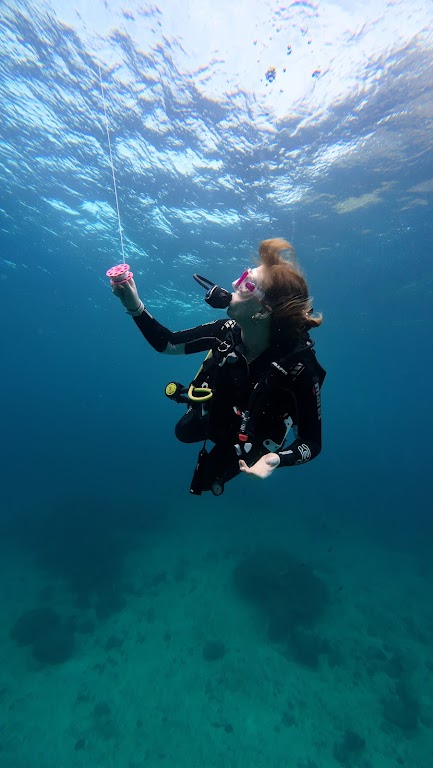


Nearest Airports
Nearest airports to help plan travel to this dive area.
Search Flights
Check available flights and routes on Expedia, using the nearby airports listed in this section.
Search Flights on ExpediaFrequently Asked Questions
What is the typical depth range for diving at Koh Haa?
Koh Haa dive sites offer a range of depths suitable for various diver levels. While the shallow lagoon is excellent for beginners at around 0-5 m (0-16 ft), other sites around the islands can reach depths of approximately 30 m (100 ft) along walls and pinnacles.
What is the best time of year to dive Koh Haa?
The optimal diving season runs from mid-October to mid-May, offering excellent dive scores and stable conditions. During these months, particularly from November to April, you'll find minimal rainfall, calm seas, and the best chances to encounter whale sharks.
Is Koh Haa suitable for beginner divers?
Yes, Koh Haa is highly suitable for all diving levels, including beginners. The calm, shallow waters of the Koh Haa Lagoon are perfect for introductory dives, check dives, and open water diver courses. It also provides excellent spots for practicing buoyancy.
What kind of marine life can I expect to see at Koh Haa?
Koh Haa boasts a rich diversity of marine life, including healthy coral reefs, numerous reef fish like parrotfish and angelfish, and various species of moray eels, turtles, and rays. Larger sightings include schools of barracudas, trevallies, and frequently, whale sharks during the high season.
Are there currents at Koh Haa, and how do they affect diving?
Currents at Koh Haa are generally low, making for relaxed diving. However, they can strengthen around lunar cycles (full and new moon), or sometimes within the lagoon. These stronger currents can create exciting drift dive opportunities for suitably experienced divers.
What are the guidelines for responsible diving at Koh Haa?
Divers are expected to follow strict guidelines to protect the marine environment. This includes maintaining excellent buoyancy to avoid coral contact, refraining from touching or collecting marine life, properly disposing of all waste ashore, and using reef-safe sunblock.
How do I get to Koh Haa for diving?
Koh Haa is easily accessible via speedboat trips typically departing from Koh Lanta. Dive operators run daily trips during the high season, usually offering two dives per day and returning in the early afternoon.
Planning to dive Koh Haa?
Send one inquiry and receive offers directly from the best verified local dive operators.
Conditions are Good
Optimal conditions expected
Current conditions near Koh Haa show 27° air, 30° sea temperature, 0.6 m waves, and 30 km/h wind. Forecast data is refreshed regularly to ensure accuracy.