
Diving at Arhf Juno Beach 2 (United States)
Visibility at ARHF Juno Beach 2 often extends to impressive distances, a direct benefit of the Gulf Stream's proximity to the U.S. East Coast here. Divers frequently report clear blue conditions, allowing detailed views of the reef from 15 m (50 ft) away. This clarity enhances the experience of observing the site's distinct ledges and abundant marine life that thrives in these well-flushed waters.
Tonight's objective overview for Arhf Juno Beach 2 shows an air temperature of 26°C. The measured surface conditions include wave heights around 1.3 m. This environmental data is logged for the close of the day.
Dive Site Location & Key Facts
Dive Site Overview
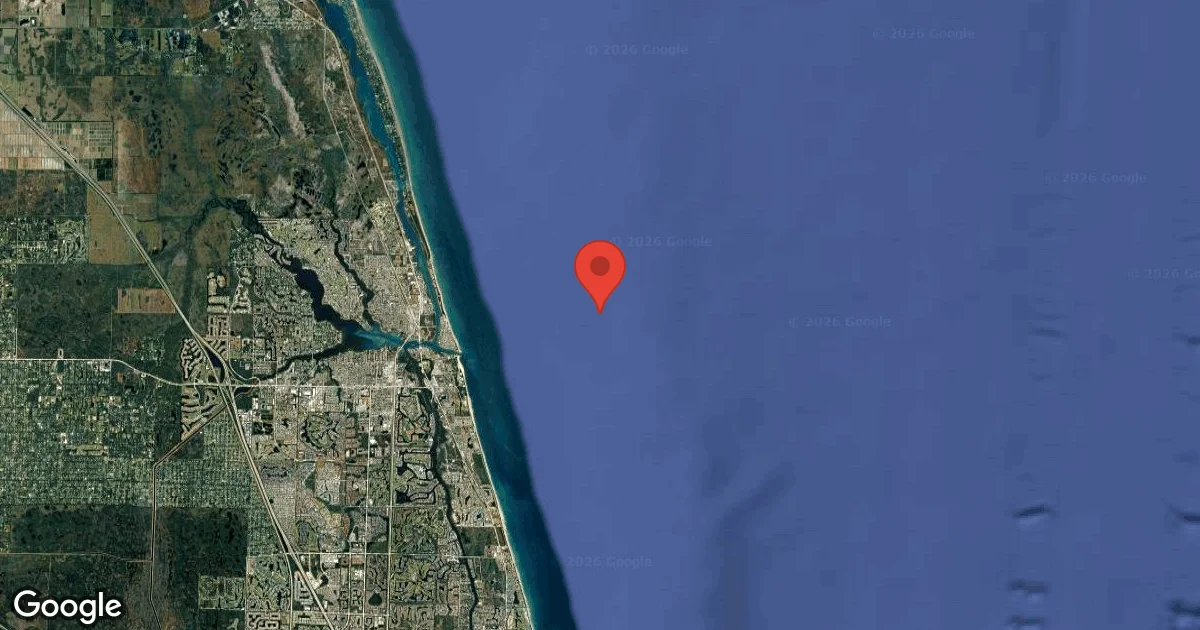
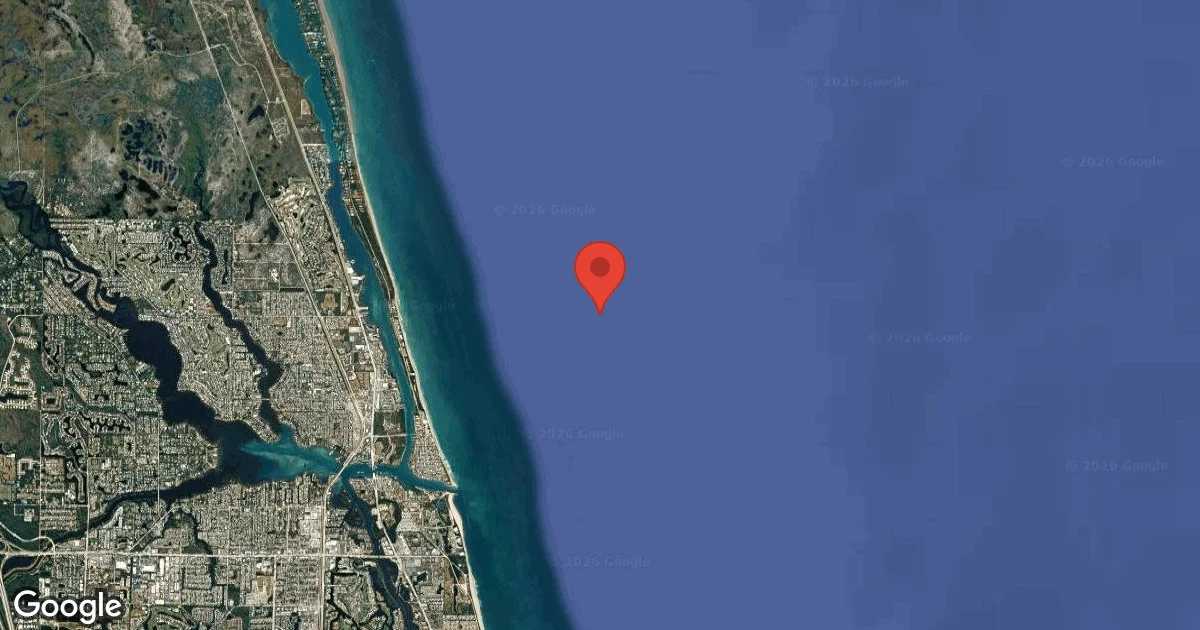
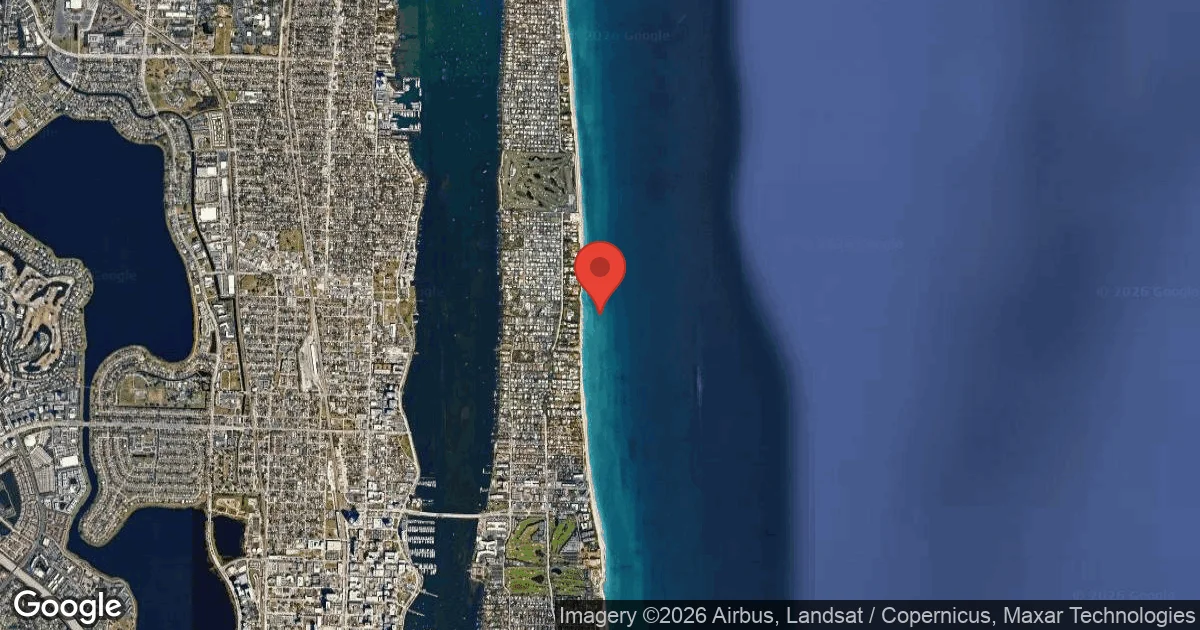
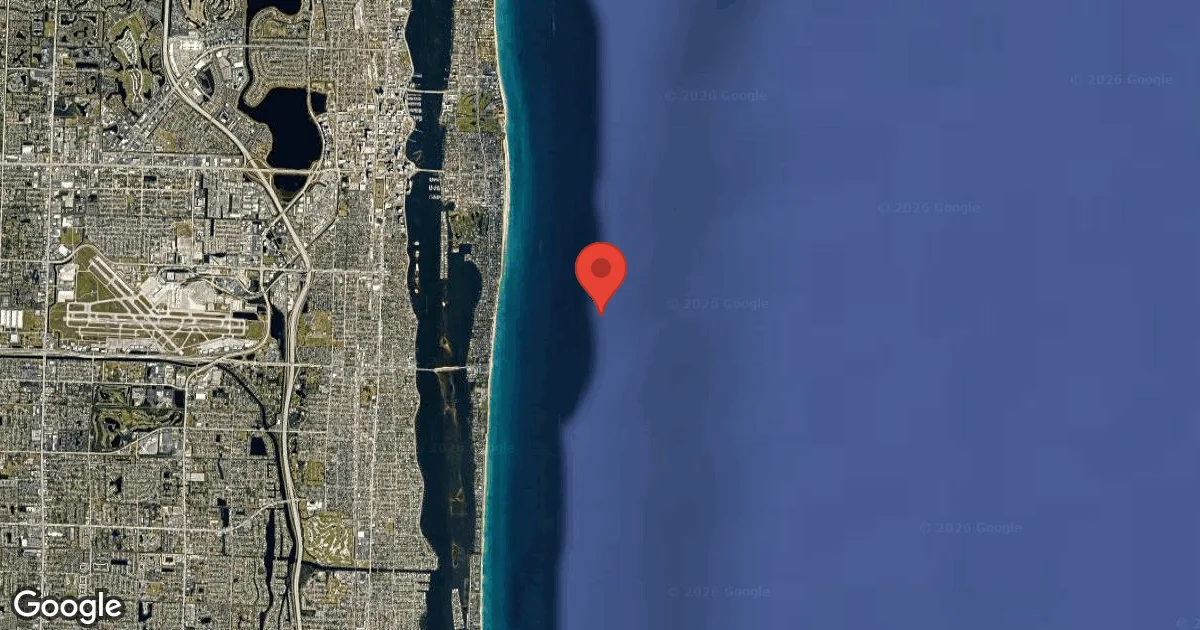
Descend onto Juno Ledges, a site defined by its impressive vertical reef face and distinctive mini canyons, offering a unique topography within the Palm Beach area's three parallel reef systems. This wilderness diving location, situated a few miles north of Palm Beach Inlet, features a deeper ledge dropping from 21 m (70 ft) down to 27 m (90 ft), alongside a shallower top ledge in the 20-21 m (65-70 ft) range.
Unlike most local reefs, Juno's main ledge faces west, creating unique current patterns and sheltered areas where schooling grunts and snapper often seek refuge. Deep water close to land allows the Gulf Stream to flow nearer to shore, contributing to both excellent water clarity and vibrant reef growth. Divers here typically experience drift dives, enabling coverage of extensive reef sections with minimal effort.
Long stretches of reef observation become possible. The layout of the reef with its many high-profile ledges ensures current is less of a concern than it might seem, often providing an enjoyable underwater "magic carpet ride" experience.
Conditions are Good
Optimal conditions expected
Current conditions near Arhf Juno Beach 2 show 26° air, 31° sea temperature, 0.9 m waves, and 15 km/h wind. Forecast data is refreshed regularly to ensure accuracy.
Best Time to Dive
May through August generally presents some of the most favorable conditions for diving ARHF Juno Beach 2, aligning with consistently high dive scores. During these months, average air temperatures range from 26-28°C (79-82°F), creating comfortable topside conditions. While rain incidence can be higher in late summer, the influence of the Gulf Stream typically maintains good water clarity. Wave heights during this period also tend to be lower, averaging 0.5-0.9 meters (1.6-3.0 ft), which can translate to smoother boat rides and potentially better underwater visibility. Conversely, October, April, and December show moderate dive scores, with increased wave heights of 1.2-1.7 meters (3.9-5.6 ft). Divers planning trips outside the peak summer months should anticipate these varying surface conditions.
PEAK SEASON SCORE
Scores combine air & water temps, waves, wind & rainfall for overall conditions.
BEST MONTHS TO DIVE
Monthly records compiled from satellite and marine observation nodes over the last 3 years. Data provided by Open-Meteo and MET Norway.
Dive Experience & Conditions
Entering the water at Juno Ledges typically involves a drift dive, as the currents here are a defining feature. While a brisk current is often present, the reef's extensive high-profile ledges provide natural breaks and sheltered spots, mitigating its impact on the dive. Water temperatures often hover around 25-27°C (77-81°F) during warmer months, dropping to about 22°C (72°F) in cooler periods. Visibility often ranges from 12-15 m (40-50 ft), but the Gulf Stream's influence can push it beyond 30 m (100 ft) on exceptional days. The site's 'hills and valley' topography makes navigation straightforward even with current. This environment supports observing marine life nestled within the contours of the reef.
Dive Difficulty & Safety Guidelines
Navigating the currents at ARHF Juno Beach 2 is a key aspect of diving this site. While these currents enable effortless drift diving over long reef sections, they necessitate careful dive planning and good buoyancy control. Divers should remain aware of their position relative to the reef structure, utilizing ledges and mini canyons for momentary shelter if needed.
Always dive with a surface marker buoy (SMB) to ensure visibility to the boat crew upon ascent. Due to the potential for deeper sections and the constant current, sound training in drift diving is advisable. Maintaining contact with your buddy and the dive group is also crucial.
Recommended Equipment
- Dive Computer
This gear list is based on verified equipment signals for Arhf Juno Beach 2, United States. Always confirm final gear choices with your dive operator, guide, or liveaboard.
Recommended Dive Suit
Thermal protection such as dive skin or rash guard is commonly used for water temperatures in this range. A hood or vest is suggested for sensitive divers due to surface winds.
Current readings at Arhf Juno Beach 2 show water temperatures near 31°C (87°F). Surface air temperatures are resting at 26°C (79°F).
Current forecasts indicate relatively stable conditions for the coming days.
Emergency & Medical Support
Essential information to help you plan your dive trip to ARHF Juno Beach 2.

Hyperbaric chambers are a critical part of dive safety infrastructure. Availability varies significantly by region, and not all dive areas have immediate access.
Before diving, it's recommended to:
- confirm nearest medical facilities
- check emergency procedures with local dive operators
- ensure dive insurance covers evacuation if required
Divers Alert Network
Diving emergency assistance available through DAN World.
+1-919-684-9111- 24/7 emergency hotline
- Diving medical assistance
- Evacuation coordination
Emergency contacts are provided for reference. Always verify local emergency services before diving.
Marine Life at Arhf Juno Beach 2
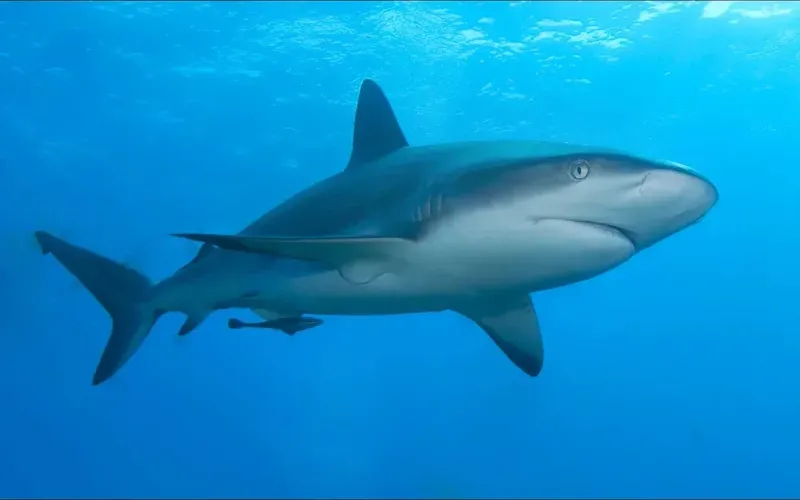
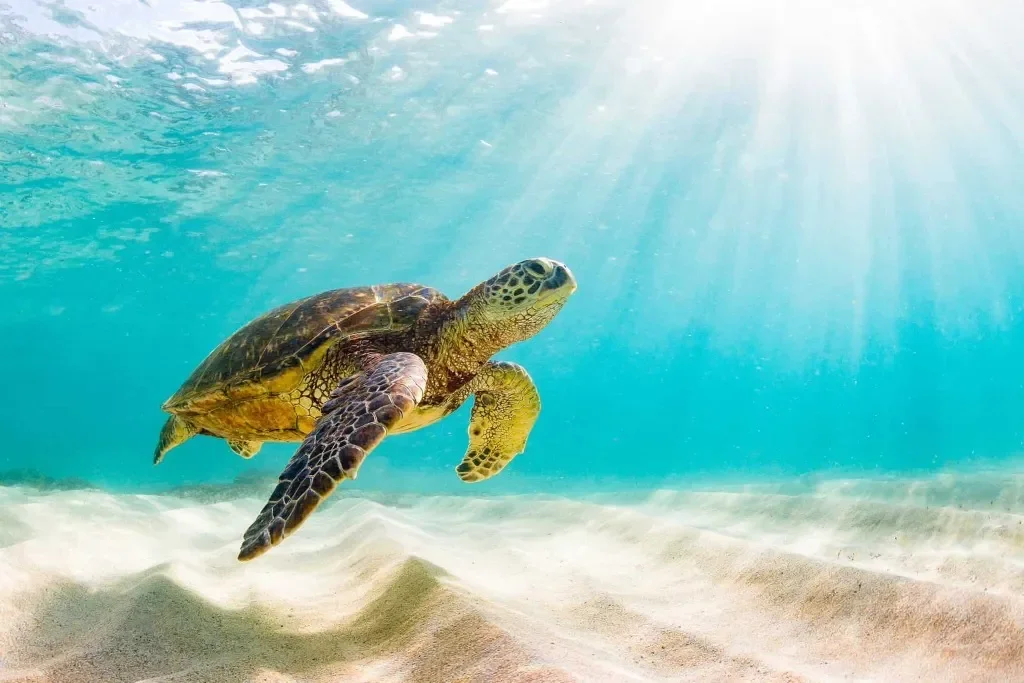
Upon descent, one of the first things divers often notice are the Caribbean reef sharks, which frequently zip in and out of view across the reef. Loggerhead sea turtles are commonly observed napping under ledges, while smaller hawksbill and green sea turtles might be seen actively foraging.
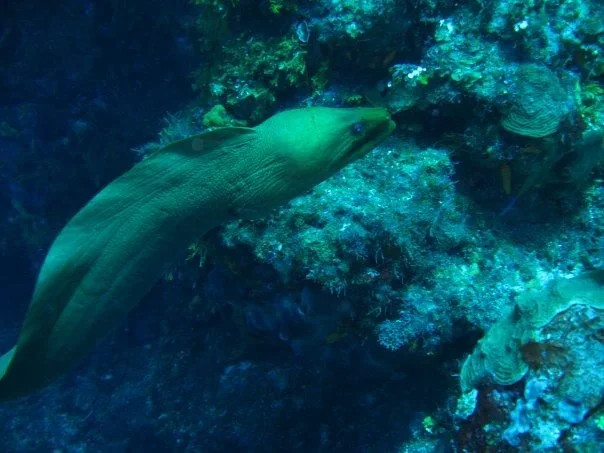
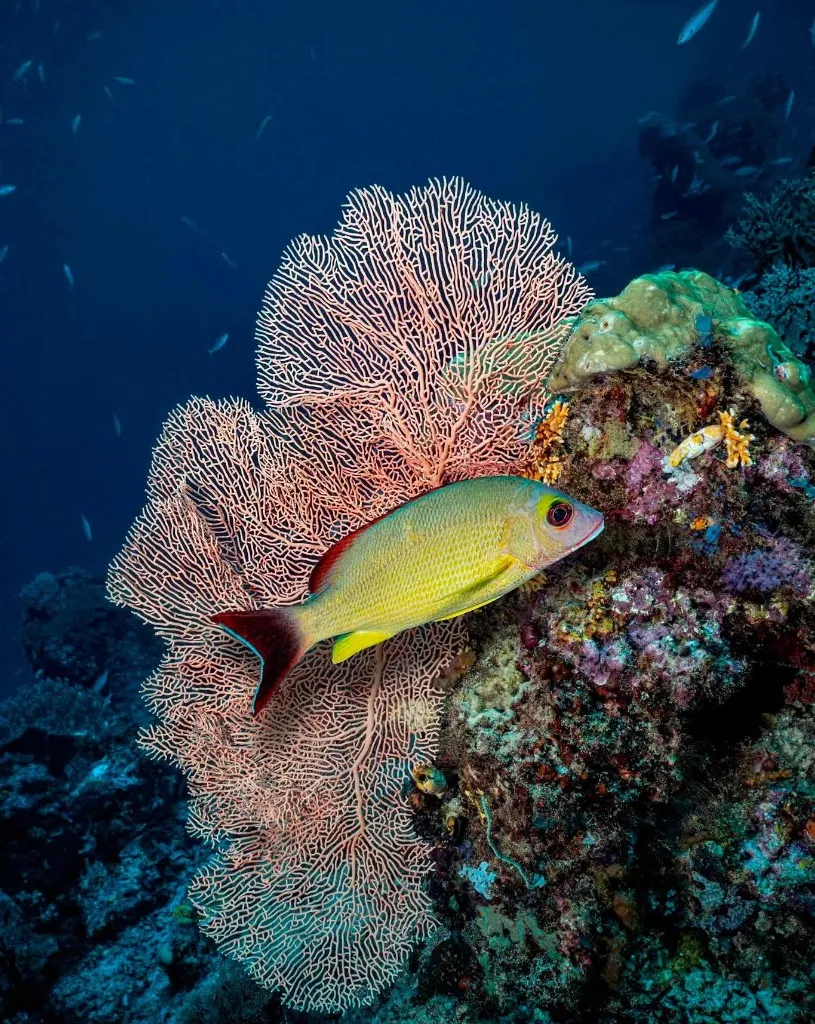
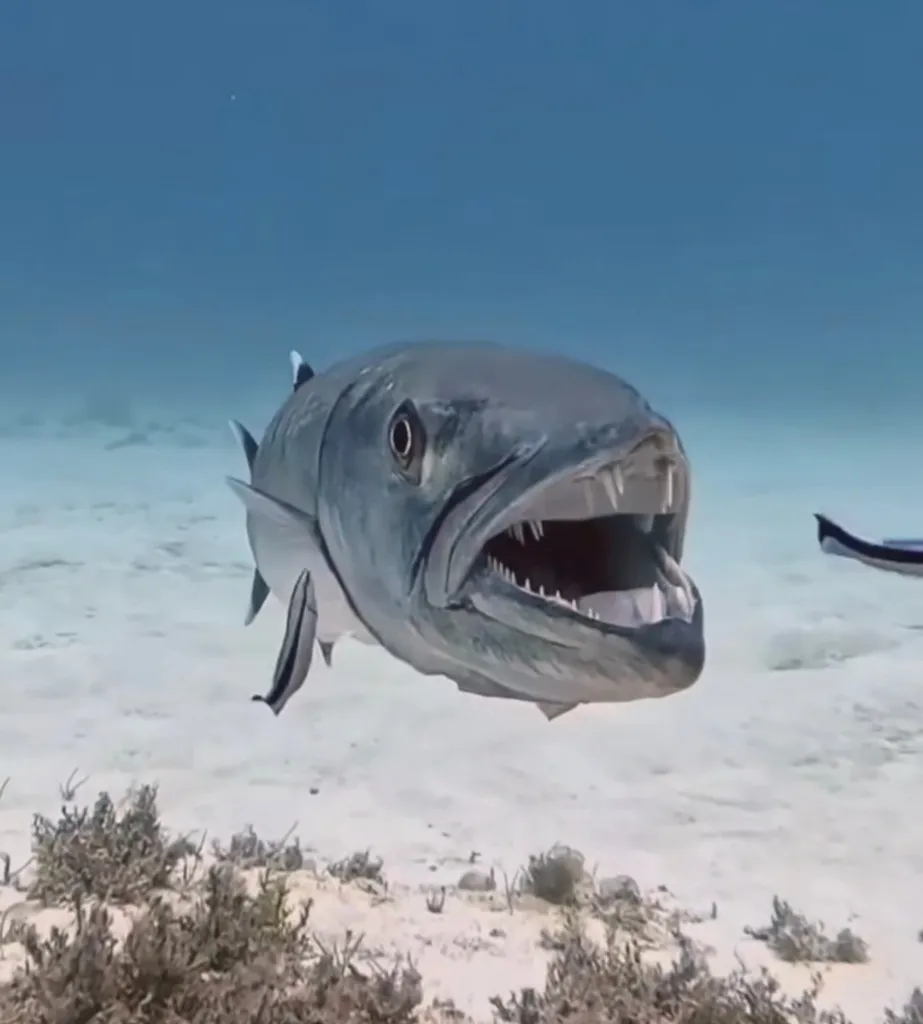
The site's mini canyons and ledges stack with schooling grunts and snapper. Divers might also spot enormous morays and barracuda patrolling the deeper sections. Encounters with various coral and sponge species covering the reef structure are constant.
Dive Sites Near Arhf Juno Beach 2
View all dive sites in United StatesDiscover more underwater gems in this area.
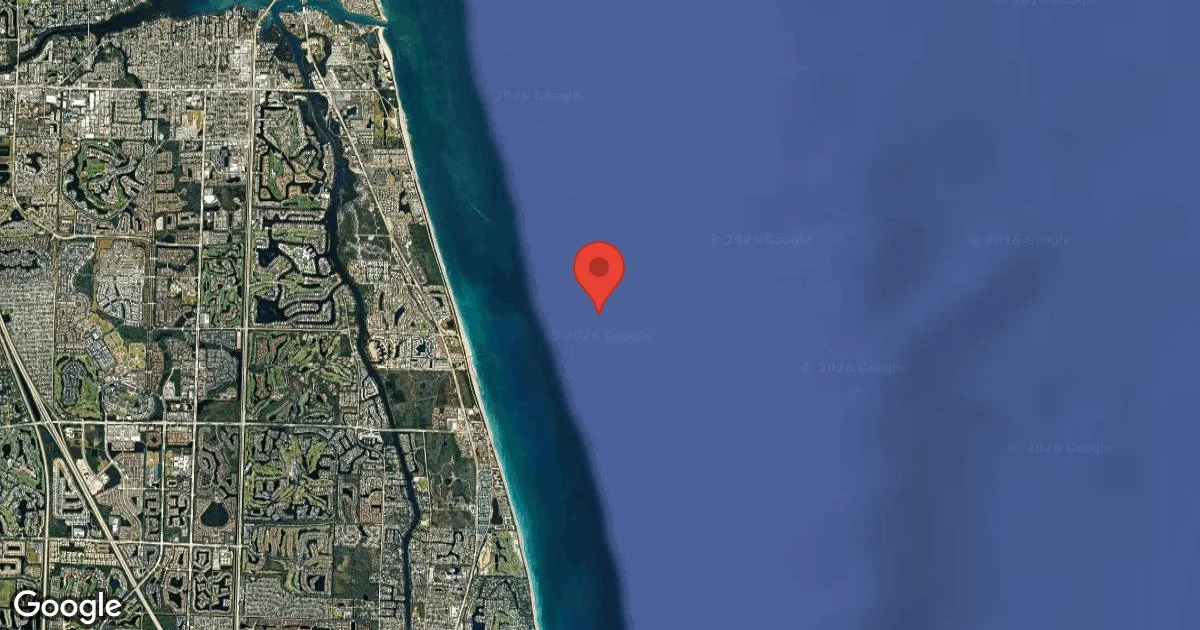
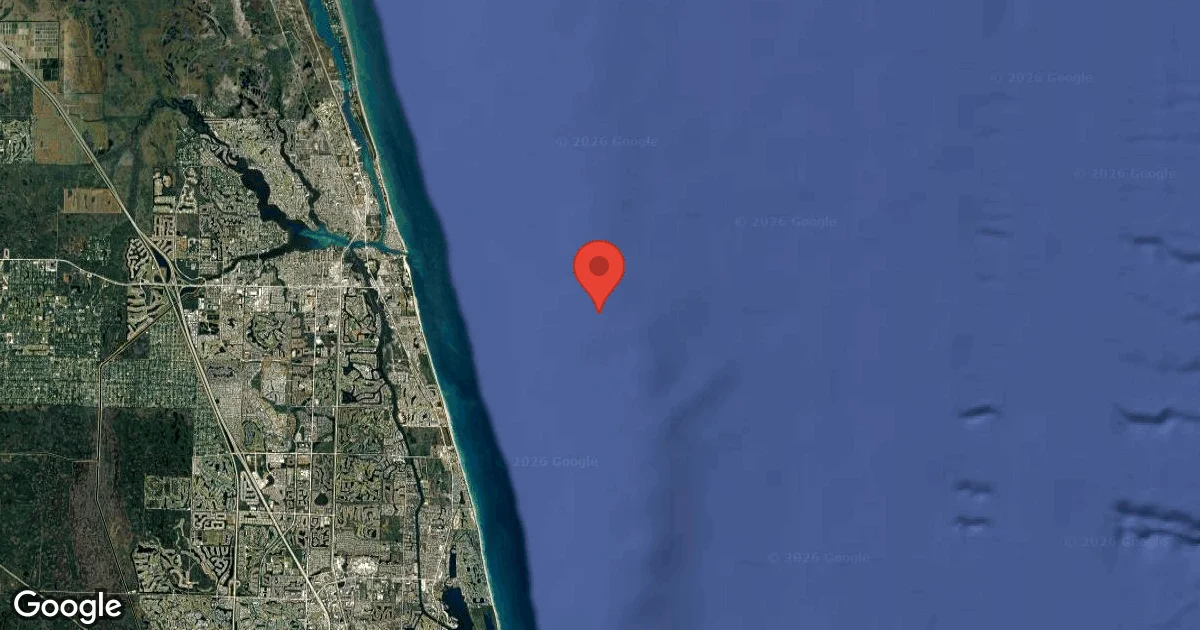
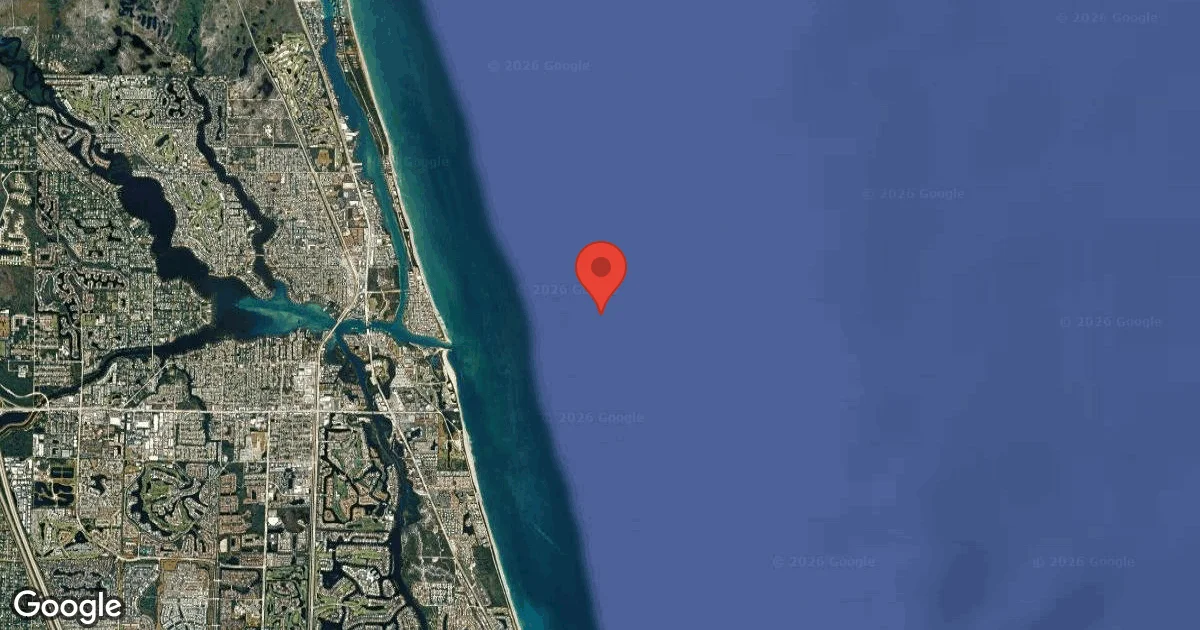
Dive Centers Near Arhf Juno Beach 2
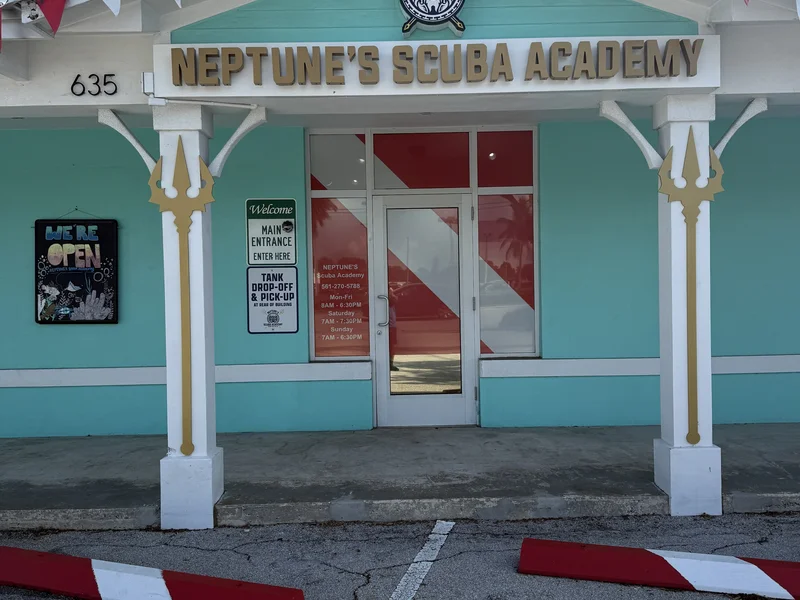
Today: 08:00 - 18:00
Nearest Airports
Nearest airports to help plan travel to this dive area.
Search Flights
Check available flights and routes on Expedia, using the nearby airports listed in this section.
Search Flights on Expedia
Plan Your Stay
Looking for a place to stay for your dive trip? Explore hotels, stays, and vacation rentals for dive groups near Juno Beach.
Dive Navigator may earn a commission from these links at no extra cost to you.
Frequently Asked Questions
What type of diving is typical at ARHF Juno Beach 2?
Drift diving is the primary method here. The consistent currents allow divers to cover extensive reef sections with minimal effort, providing a dynamic experience as you move along the site's unique topography.
What are the typical depths at Juno Ledges?
The site features a deeper ledge dropping from 21 m (70 ft) down to 27 m (90 ft). There is also a shallower top ledge in the 20-21 m (65-70 ft) range, providing options for different experience levels.
What water temperatures can be expected?
Water temperatures typically range from 25-27°C (77-81°F) during the warmer summer months. In cooler periods, divers can expect temperatures to be around 22°C (72°F).
How good is the visibility at this dive site?
Visibility often ranges from 12-15 m (40-50 ft). However, due to the influence of the Gulf Stream, exceptional days can see visibility extending beyond 30 m (100 ft), offering clear views of the reef structure.
Are shark encounters common here?
Yes, Caribbean reef sharks are frequently observed at ARHF Juno Beach 2. They are often seen zipping in and out of view, adding an exciting element to the dive experience.
How challenging are the currents?
Currents are a consistent feature of diving Juno Ledges. While often brisk, the reef's extensive high-profile ledges and mini canyons provide natural shelter and breaks, making the drift manageable for experienced divers.
Planning to dive Arhf Juno Beach 2?
Send one inquiry and receive offers directly from the best verified local dive operators.
Conditions are Good
Optimal conditions expected
Current conditions near Arhf Juno Beach 2 show 26° air, 31° sea temperature, 0.9 m waves, and 15 km/h wind. Forecast data is refreshed regularly to ensure accuracy.