
Diving at Concrete Pipe (United States)
Originally conceived as a storm water conduit, the Concrete Pipe on Oahu, Hawaii, now serves as an intriguing artificial reef. This structure, lying just a quarter-mile offshore from Kewalo boat basin, evolved from its practical origins into a focal point for local diving. Divers explore its length, finding a unique blend of man-made structure and marine habitation. It transitioned from utility to undersea attraction for recreational divers.
Current morning readings from Concrete Pipe indicate an air temperature of 25.5°C. Surface wave heights are averaging around 0.5 m at this time. These local measurements provide a baseline for your daily dive planning.
Dive Site Location & Key Facts
Dive Site Overview
The Concrete Pipe forms a linear artificial reef structure, stretching from the shoreline seaward to a maximum depth of approximately 20 m (65 ft). Recreational divers typically explore the pipe's full range of recreational depths along its length.
This old storm drain, repurposed by nature, provides habitat for a variety of marine organisms, transforming its industrial design into a vibrant ecosystem. Descending onto the pipe, divers will encounter a long, submerged conduit offering shelter and anchorage for various sea creatures. Surrounding the main pipe structure are natural coral reefs, which divers can explore by heading east or west once reaching its mid-depth sections.
Beyond the pipe itself, these adjacent reef sections offer additional exploration opportunities, including what's described as a "weird concrete box" on the west side. Accessing the site generally involves a boat departure from the Kewalo boat basin, positioning divers optimally for exploring the pipe and its flanking reefs.
While possible to shore dive, the significant surface boat traffic in this area makes boat access the preferred and safer method for navigating to and from the site. Diving here provides a distinct experience, blending structural elements with natural reef exploration.
Conditions are Good
07:00 - 14:00
Optimal conditions expected
Current conditions near Concrete Pipe show 26° air, 31° sea temperature, 0.5 m waves, and 17 km/h wind. Forecast data is refreshed regularly to ensure accuracy.
Best Time to Dive
Considering conditions for diving at Concrete Pipe, July often presents the most favorable environment, boasting an 'Excellent' dive score. Air temperatures during this peak month average around 28°C (82°F), with minimal wave heights and moderate winds. Overall, the climate data indicates 'Good' to 'Excellent' dive scores across all months, showing consistent opportunities for exploration. While the pipe is accessible year-round, conditions vary seasonally; wind speeds and wave heights tend to be slightly higher in winter months like December and January, averaging over 0.9 m (3 ft) waves and 18 km/h (11 mph) winds. During the period from January to late May, divers may also encounter the unique experience of hearing whales vocalizing underwater. Rainfall is generally light throughout the year, with slightly increased precipitation noted in June and September, but this rarely impacts overall dive conditions significantly. May, for instance, offers lower wave heights around 0.6 m (2.0 ft), combining with rising air temperatures to create comfortable diving prospects.
PEAK SEASON SCORE
Scores combine air & water temps, waves, wind & rainfall for overall conditions.
BEST MONTHS TO DIVE
Monthly records compiled from satellite and marine observation nodes over the last 3 years. Data provided by Open-Meteo and MET Norway.
Dive Experience & Conditions
For divers new to the area or those with limited experience, the Concrete Pipe offers a generally accessible and enjoyable recreational dive. This site's depth profile places it well within beginner and novice certification limits. Visibility here is typically good, facilitating underwater photography and general observation of marine life along the structure. Water temperatures are not consistently reported for this specific site, but typically remain warm year-round in Hawaii, suggesting comfortable diving without excessive thermal protection. However, a key navigational consideration is the persistent surface boat traffic around the Kewalo boat channel. Staying submerged throughout the dive is crucial, minimizing ascent to the surface until safely clear of the main boat lanes. Divers should also monitor their air supply, planning for a safe return to the descent line at approximately 1000 PSI to avoid premature surfacing in busy areas.
Dive Difficulty & Safety Guidelines
Navigating the Concrete Pipe requires careful attention to specific safety protocols, primarily due to the active boat channel nearby. Maintaining submersion throughout the entire dive is a critical guideline, as boats frequently traverse the area, posing a significant surface hazard. Divers must avoid popping up unexpectedly to adjust gear or for any other reason.
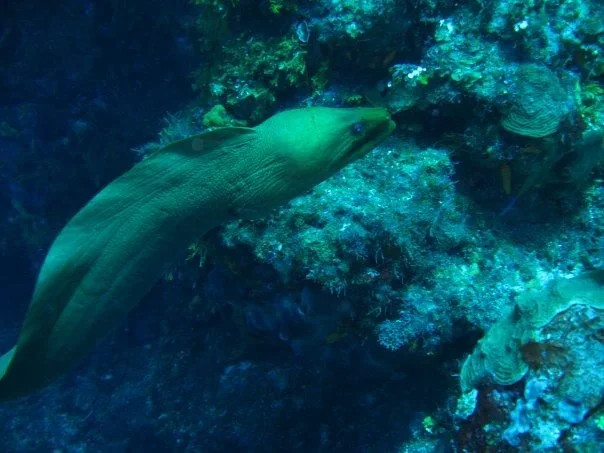
While the pipe itself provides an interesting artificial reef, exploring its interior is strongly discouraged; there are considerable risks of entrapment or getting disoriented within the narrow, dark spaces. Large marine life, including species like the tiger shark and dragon moray eels, have been observed here.
Divers should maintain a respectful distance from all marine creatures, observing without disturbing. Always dive with a buddy and ensure your dive plan accounts for the boat traffic and depth considerations.
Recommended Equipment
- Dive Computer
This gear list is based on verified equipment signals for Concrete Pipe, United States. Always confirm final gear choices with your dive operator, guide, or liveaboard.
Recommended Dive Suit
Dive skin or rash guard is frequently recommended by dive operators for conditions like these. A hood or vest is suggested for sensitive divers due to surface winds. Those diving at Concrete Pipe today will likely encounter water temperatures in the region of 31°C (87°F). Surface air temperatures are resting at 26°C (78°F).
Forecast trends indicate little change in overall diving conditions during the next few days.
Even small thermoclines can occasionally cause noticeable changes in water temperature.
Emergency & Medical Support
Essential information to help you plan your dive trip to Concrete Pipe.

Hyperbaric chambers are a critical part of dive safety infrastructure. Availability varies significantly by region, and not all dive areas have immediate access.
Before diving, it's recommended to:
- confirm nearest medical facilities
- check emergency procedures with local dive operators
- ensure dive insurance covers evacuation if required
Divers Alert Network
Diving emergency assistance available through DAN World.
+1-919-684-9111- 24/7 emergency hotline
- Diving medical assistance
- Evacuation coordination
Emergency contacts are provided for reference. Always verify local emergency services before diving.
Marine Life at Concrete Pipe
Explorers of the Concrete Pipe regularly observe a diverse range of Hawaiian reef fish inhabiting the structure and adjacent reefs. Many cool eels, including occasional dragon moray eels with their distinctive features, find refuge within the pipe’s crevices.
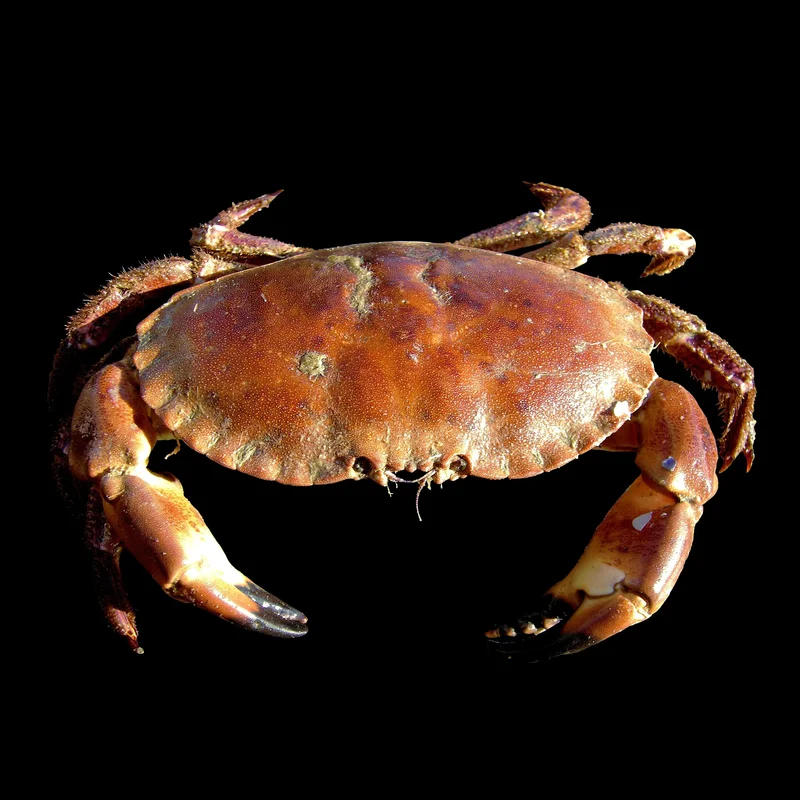
Various crabs are also frequently seen nestled in the corals that colonize the pipe. Although not a primary turtle habitat, one or two might pass through the area.
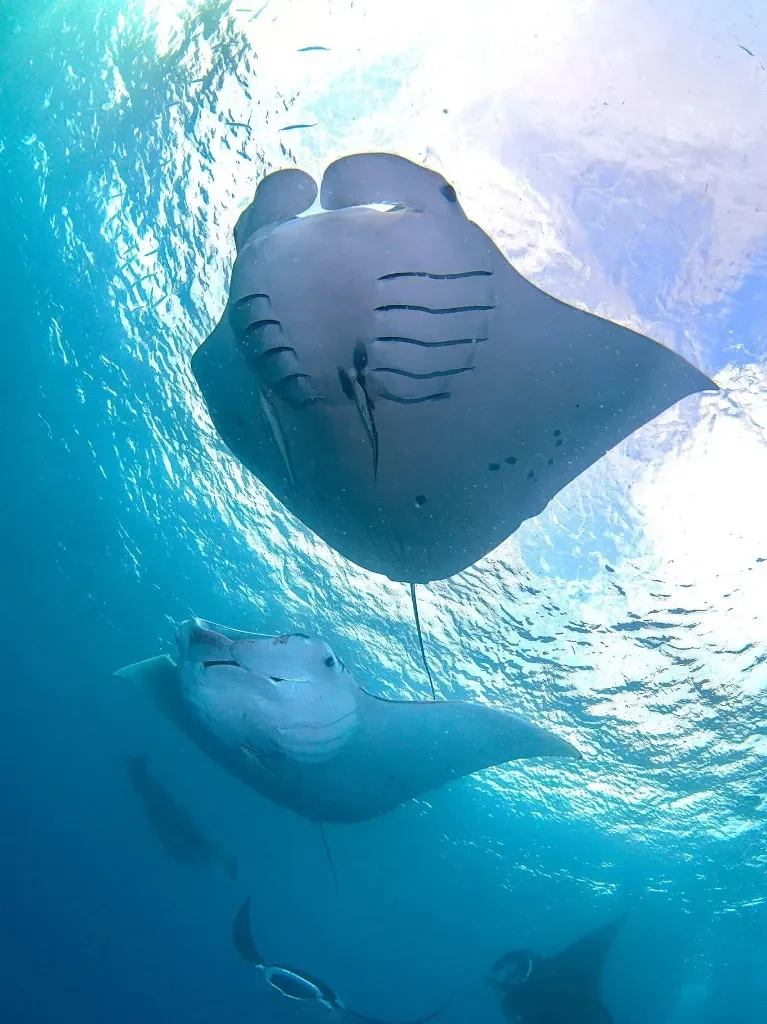
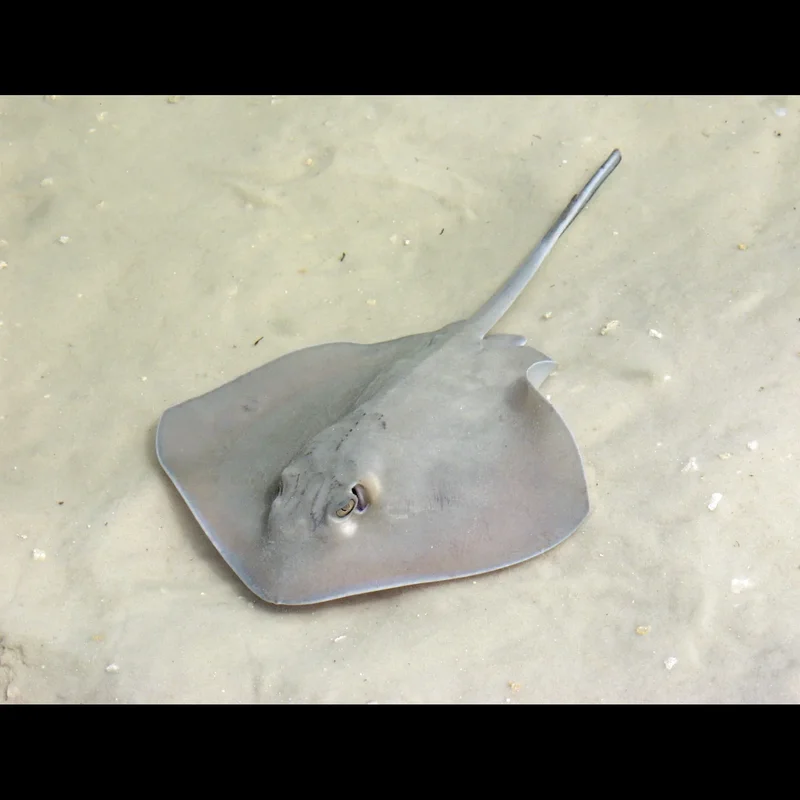
Larger pelagic encounters are possible; manta rays and interesting stingrays are often sighted, and one report even noted a tiger shark. During whale season from January to late May, divers sometimes hear whale vocalizations from below the surface.

Dive Sites Near Concrete Pipe
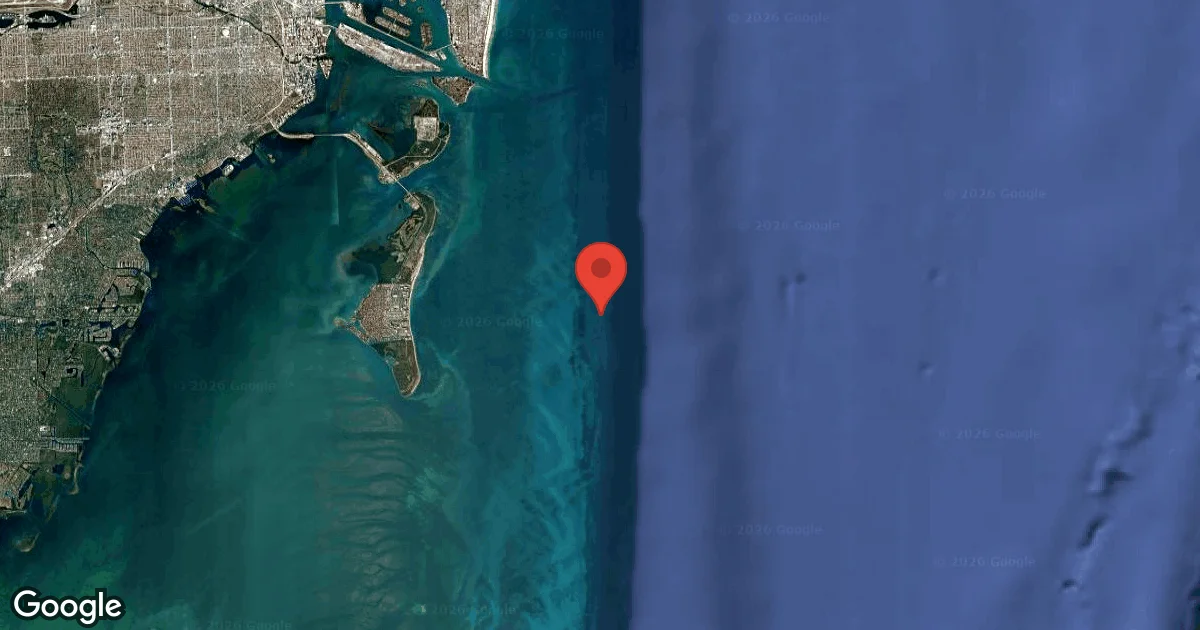
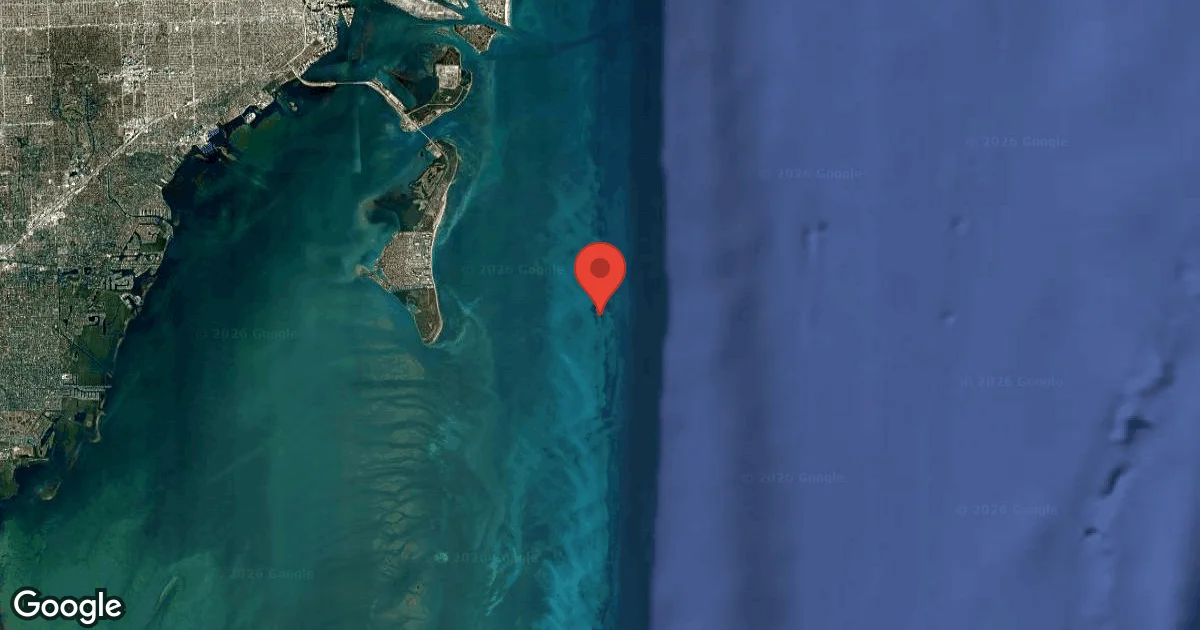
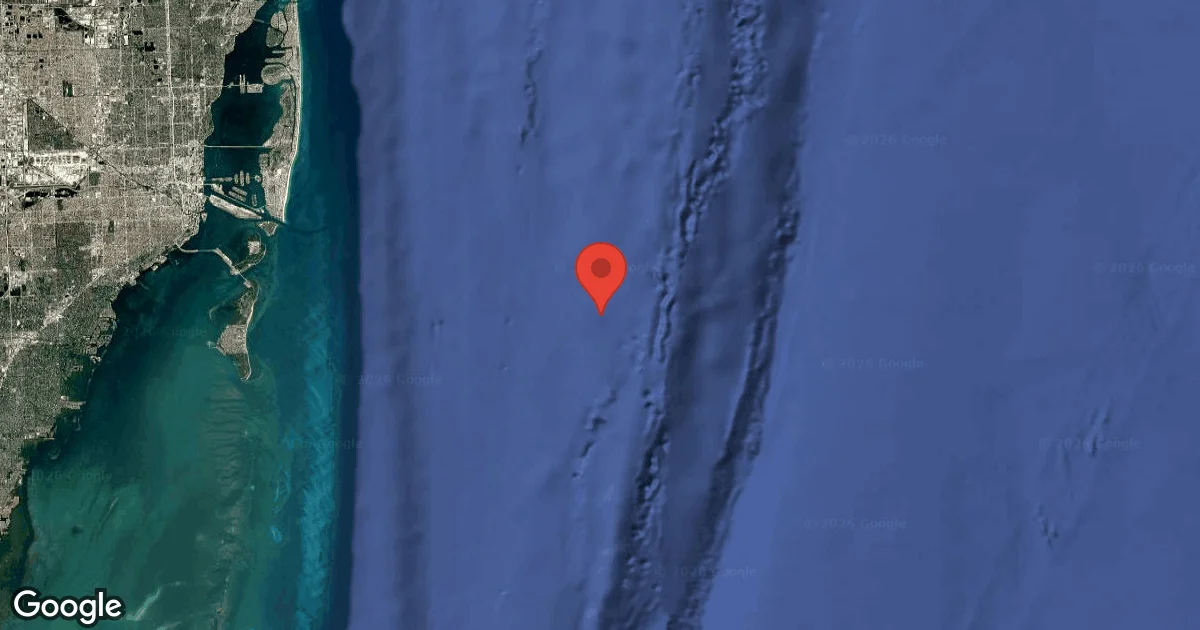
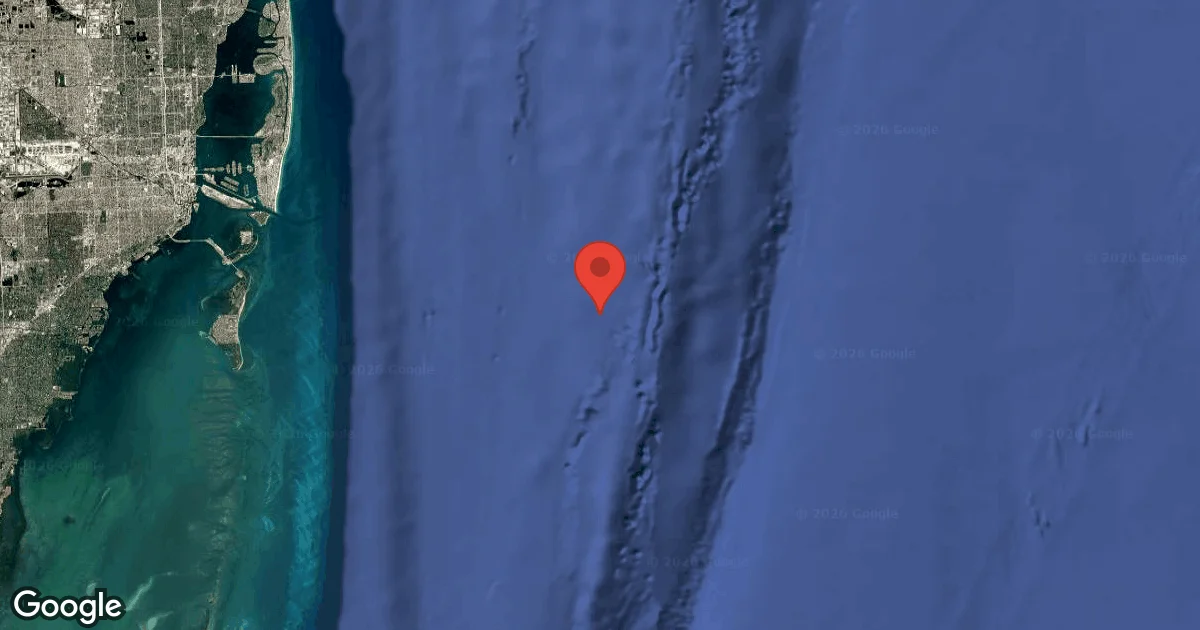
View all dive sites in United StatesDiscover more underwater gems in this area.
Dive Centers Near Concrete Pipe
Today: 08:00 - 17:00
Nearest Airports
Nearest airports to help plan travel to this dive area.
Search Flights
Check available flights and routes on Expedia, using the nearby airports listed in this section.
Search Flights on Expedia
Plan Your Stay
Looking for a place to stay for your dive trip? Explore hotels, stays, and vacation rentals for dive groups near Surfside.
Dive Navigator may earn a commission from these links at no extra cost to you.
Frequently Asked Questions
What is the typical depth range at the Concrete Pipe?
The Concrete Pipe dive site is within typical recreational limits, ranging from approximately 14 m (45 ft) to a maximum depth of 20 m (65 ft). It offers a good profile for certified divers.
Is the Concrete Pipe suitable for beginner divers?
Yes, this site is considered a semi-beginner to novice dive. Its manageable depth and generally calm conditions make it accessible for those with less experience.
How is the Concrete Pipe dive site accessed?
The site is best accessed via a boat dive, typically departing from the Kewalo boat basin. Shore diving is possible but discouraged due to heavy surface boat traffic in the area.
What kind of marine life can divers expect to see?
Divers can expect to see various Hawaiian reef fish, eels (including dragon moray eels), crabs, and occasional turtles. Manta rays, stingrays, and even rare tiger shark sightings have been reported, with whales audible during seasonal migrations.
Are there any specific safety hazards at this dive site?
Primary hazards include significant boat traffic at the surface, requiring divers to remain submerged throughout the dive. Entering the pipe structure is also strongly discouraged due to entrapment risks. Divers should also maintain respectful distances from all marine life.
When is the best time of year to dive the Concrete Pipe?
The Concrete Pipe offers good to excellent diving conditions year-round. July often has the best overall scores, but whale season from January to May adds a unique element to winter and spring dives.
What was the original purpose of the Concrete Pipe structure?
The pipe was originally an old storm drain. It has since ceased its functional use and has been repurposed by nature into a thriving artificial reef habitat.
Planning to dive Concrete Pipe?
Send one inquiry and receive offers directly from the best verified local dive operators.
Conditions are Good
07:00 - 14:00
Optimal conditions expected
Current conditions near Concrete Pipe show 26° air, 31° sea temperature, 0.5 m waves, and 17 km/h wind. Forecast data is refreshed regularly to ensure accuracy.