
Diving at Rodeo Site - Jay Dorman (United States)
Diving the Rodeo Site - Jay Dorman unveils a thriving underwater world, where marine life has claimed artificial reef structures as its home. Encounters range from schools of jacks and barracuda patrolling wreck exteriors to larger residents like goliath groupers, nurse sharks, and sea turtles often seen navigating the currents. This diverse habitat, composed largely of historic wrecks, provides shelter and sustenance, making each descent a discovery of vibrant ecosystems within the site's rich environment.
As evening covers Rodeo Site - Jay Dorman, the local air temperature is measured at 24.5°C. The current wave height at the surface is recorded at 0.9 m. These late-day readings characterize the surface conditions for the night.
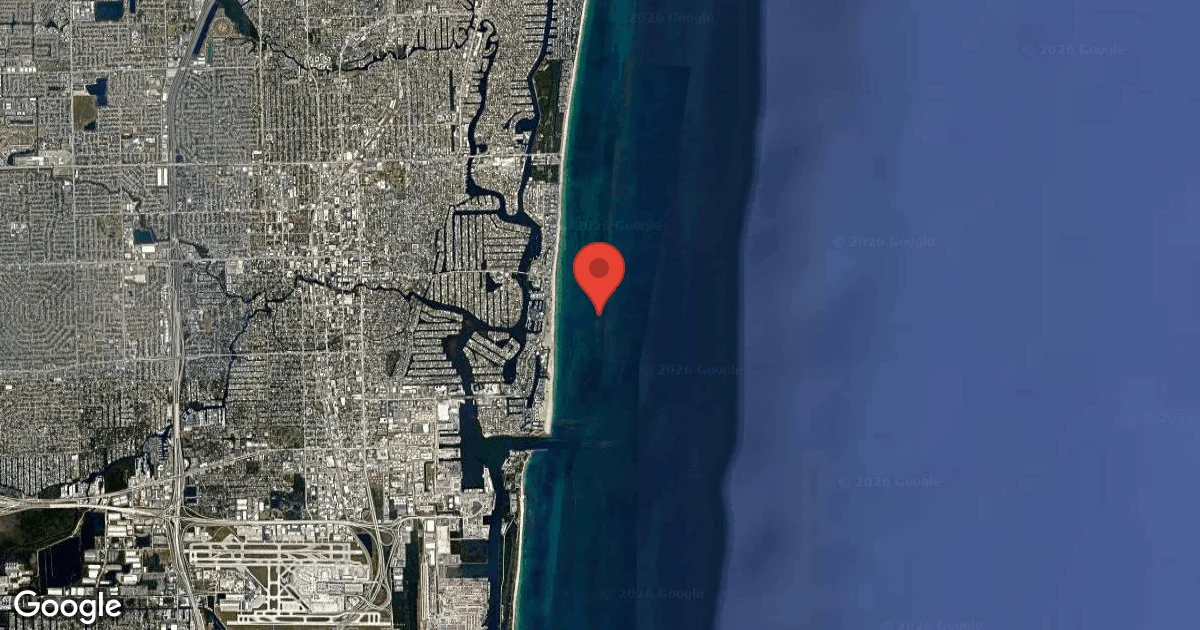
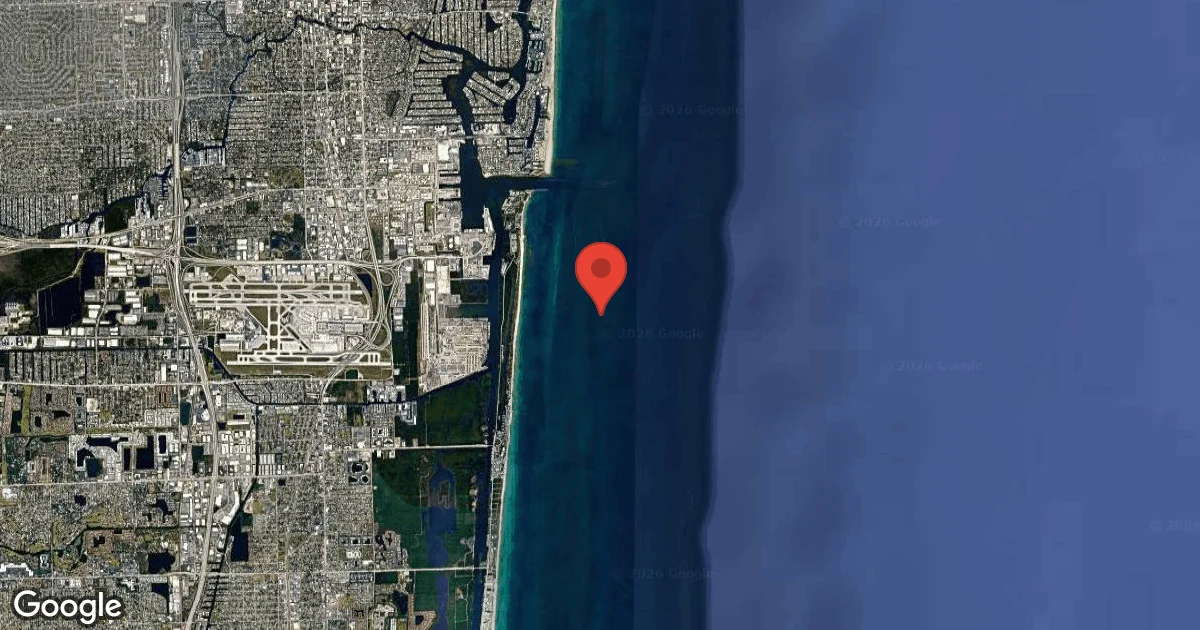
Dive Site Location & Key Facts
Dive Site Overview
Encompassing a series of compelling wrecks, the dive site offers a diverse range of experiences for certified divers exploring Florida's coastline. Many of these wrecks were purposely scuttled, transforming vessels like the 232’ Deep Freeze and the 210’ Ophelia Brian into complex artificial reefs.
The Deep Freeze, for instance, a freighter consumed by fire in 1972, was sunk in 1976 and now rests at 135’ (41 m) with her top deck reached at 110’ (34 m), a testament to time and marine reclamation. Close by, the Ophelia Brian, a sister ship to other local favorites, was sunk in 110’ (34 m) of water in 2009 by the Miami-Dade Reef Guard Association, specifically to boost the local marine ecosystem and create new habitats.
Across the entire region, divers find a variety of wrecks across a significant depth range, from 70 to 150 feet (21 to 46 m), including structures like the Princess Anne ferry and various freighters involved in the Jupiter and Neptune Wreck Treks. Some wrecks, like the Eagle, were broken apart by hurricanes, adding to their intricate profiles.
These submerged landscapes provide habitat for numerous species and offer intricate pathways for exploration. It's a setting that encourages detailed observation, especially given the site's history and the dynamic conditions often present.
Conditions are Good
Optimal conditions expected
Current conditions near Rodeo Site - Jay Dorman show 25° air, 31° sea temperature, 1.1 m waves, and 22 km/h wind. Forecast data is refreshed regularly to ensure accuracy.
Best Time to Dive
Optimizing visibility for your dive at the Rodeo Site - Jay Dorman often aligns with periods of calmer seas and reduced rainfall. The months of May through August, as well as July, typically present the lowest average wave heights, ranging from 0.5 to 0.8 meters, and decreased wind speeds. These conditions generally contribute to clearer water. While specific water temperature data isn't consistently reported, average air temperatures during these months are warm, peaking around 28°C (82°F), making surface intervals comfortable. Rainfall is relatively lower in January (1.9 mm), February (1.7 mm), and November (3.3 mm), which can also contribute to better underwater clarity. For instance, in February, air temperatures average 20°C (68°F), presenting a good balance of mild weather and lower precipitation. During spring, March and April see moderate dive scores, with slightly higher rain and wind, while later in the year, September through December often maintains good dive scores with average air temperatures from 21.5°C (71°F) to 26.5°C (80°F). Planning your visit during the months with minimal wave activity and lower rain generally enhances the diving experience.
PEAK SEASON SCORE
Scores combine air & water temps, waves, wind & rainfall for overall conditions.
BEST MONTHS TO DIVE
Monthly records compiled from satellite and marine observation nodes over the last 3 years. Data provided by Open-Meteo and MET Norway.
Dive Experience & Conditions
Currents are a defining characteristic of diving in this area, frequently ranging from common to fairly strong, requiring careful planning and execution. Divers should anticipate a consistent northbound drift, especially when navigating multi-wreck treks like those found in the Jupiter or Neptune regions. Descending directly on mooring lines is often recommended to manage these currents effectively and prevent being swept away from the target structure. Most dives here take place within recreational depth limits, but numerous sites, such as the Deep Freeze at 135 feet (41 m) and sections of the Operation Riverwalk Wreck Trek nearing 150 feet (46 m), push into advanced and technical diving ranges. Visibility is generally reported as good across many of the wrecks, providing clear views of the structures and their marine inhabitants despite the deeper profiles. Managing buoyancy control becomes crucial, particularly around areas with heavy silt buildup, to maintain clear sightlines and avoid disturbing the environment.
Dive Difficulty & Safety Guidelines
Diving at this site presents challenges that necessitate appropriate training and equipment, framing it as an undertaking for experienced divers. Many of the wrecks require advanced or technical dive training due to their significant depths and prevailing currents. The maximum depth for recreational divers often reaches 40 m (130 ft), with some areas extending deeper.
One significant hazard is the presence of monofilament fishing lines, often reported on wrecks like the Deep Freeze. Divers must carry a dive knife to address potential entanglement risks.
Furthermore, a heavy buildup of silt on some wrecks demands excellent buoyancy control to prevent reduced visibility. Always plan your dive profile conservatively, accounting for currents and potential deco requirements for deeper excursions.
Adhering to these guidelines ensures a safer and more enjoyable exploration of these captivating wreck sites.
Recommended Equipment
- Dive Computer
This gear list is based on verified equipment signals for Rodeo Site - Jay Dorman, United States. Always confirm final gear choices with your dive operator, guide, or liveaboard.
Recommended Dive Suit
Divers planning relaxed exploration may appreciate the warmth of dive skin or rash guard. Divers often notice that perceived temperature can feel cooler during deeper or longer dives.
The waters surrounding Rodeo Site - Jay Dorman are currently maintaining temperatures close to 31°C (87°F). Surface air temperatures are resting at 25°C (76°F).
Weather projections show fairly stable environmental conditions ahead.
Emergency & Medical Support
Essential information to help you plan your dive trip to Rodeo Site - Jay Dorman.

Hyperbaric chambers are a critical part of dive safety infrastructure. Availability varies significantly by region, and not all dive areas have immediate access.
Before diving, it's recommended to:
- confirm nearest medical facilities
- check emergency procedures with local dive operators
- ensure dive insurance covers evacuation if required
Divers Alert Network
Diving emergency assistance available through DAN World.
+1-919-684-9111- 24/7 emergency hotline
- Diving medical assistance
- Evacuation coordination
Emergency contacts are provided for reference. Always verify local emergency services before diving.
Marine Life at Rodeo Site - Jay Dorman
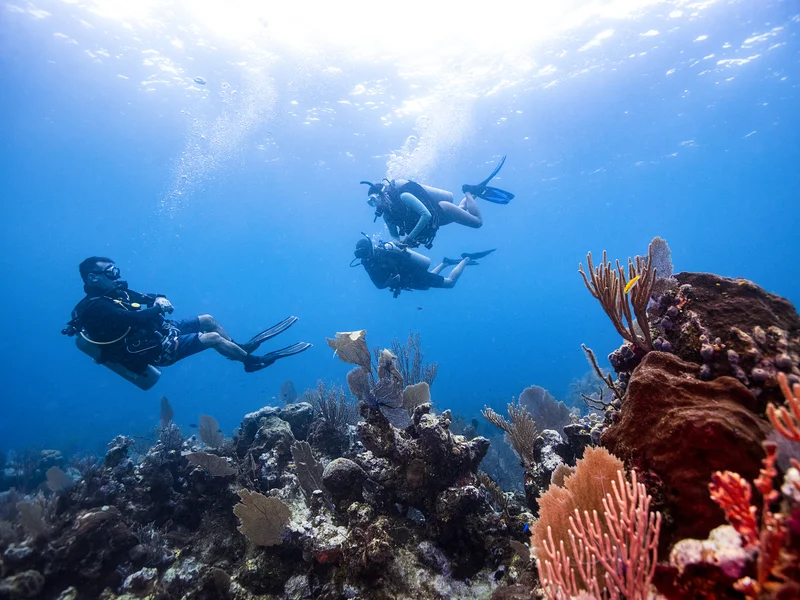
Underwater, a landscape predominantly shaped by scuttled vessels provides a rich tableau for marine life observations. Wreck structures have become integrated into the reef system, serving as foundational habitats.
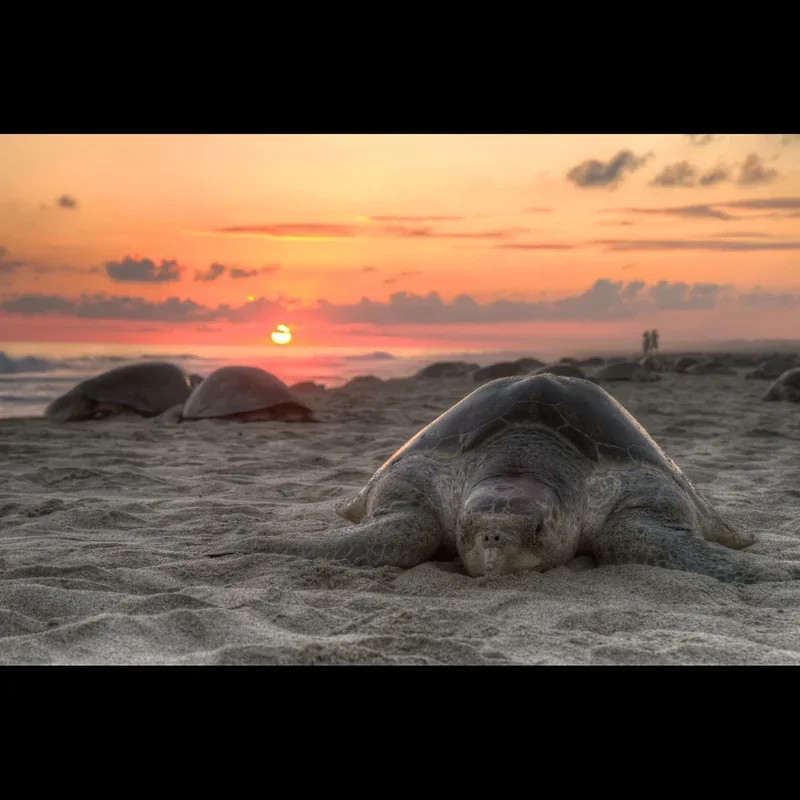
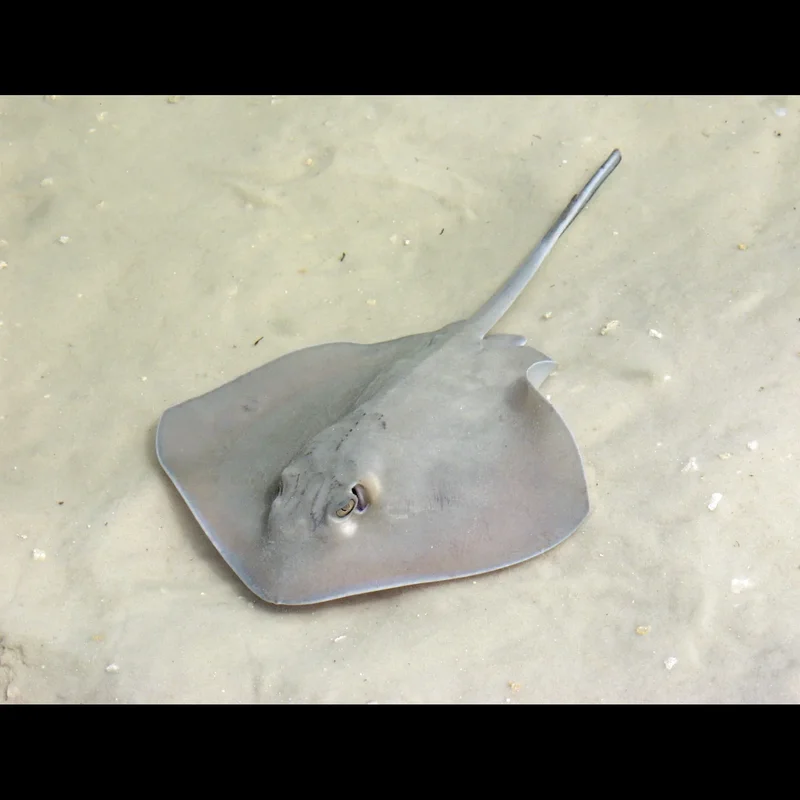
Explorers frequently encounter massive goliath groupers, often lurking within the ship's framework, alongside passing sea turtles and stingrays observed gliding across the surrounding seafloor. Schools of jacks and barracuda routinely patrol the exterior of these submerged hulks.
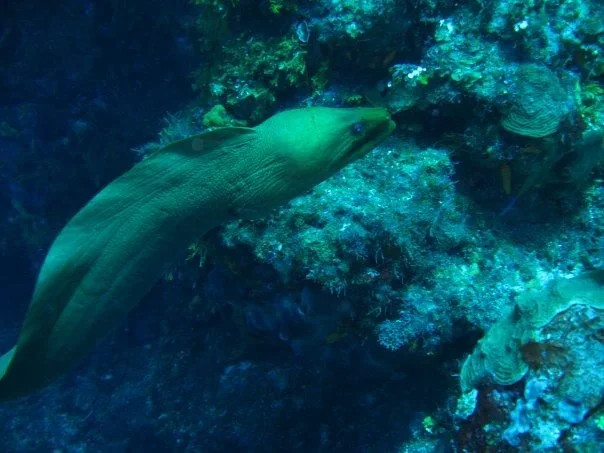
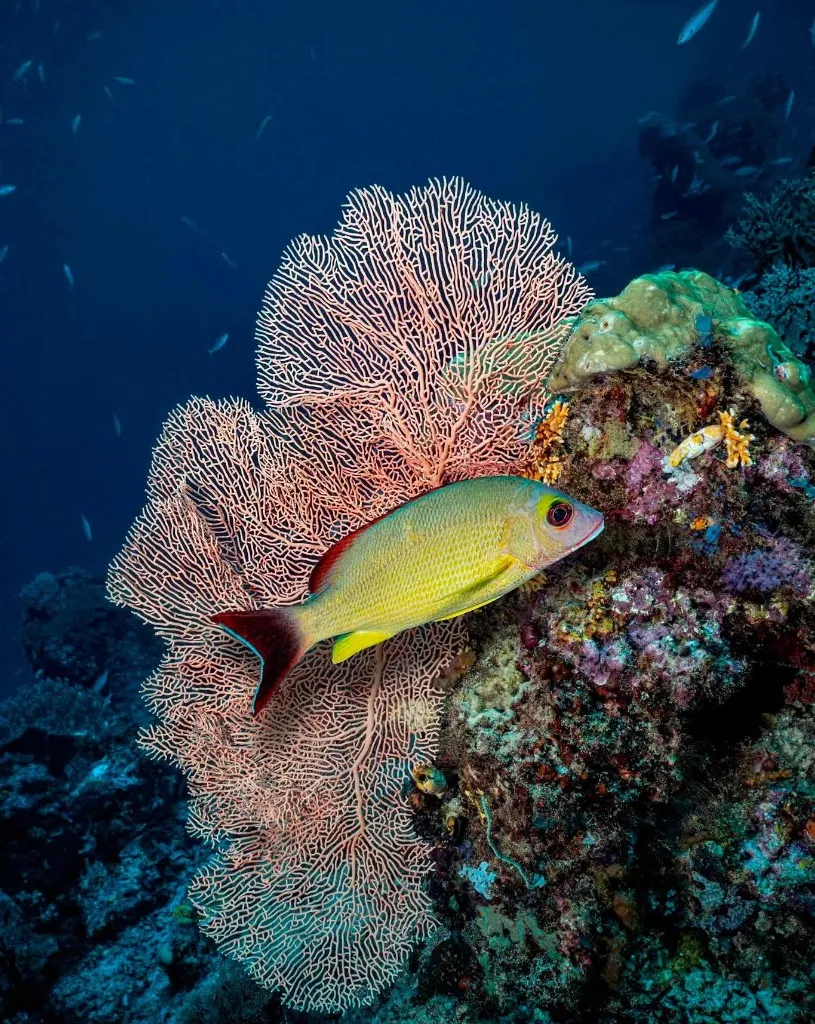
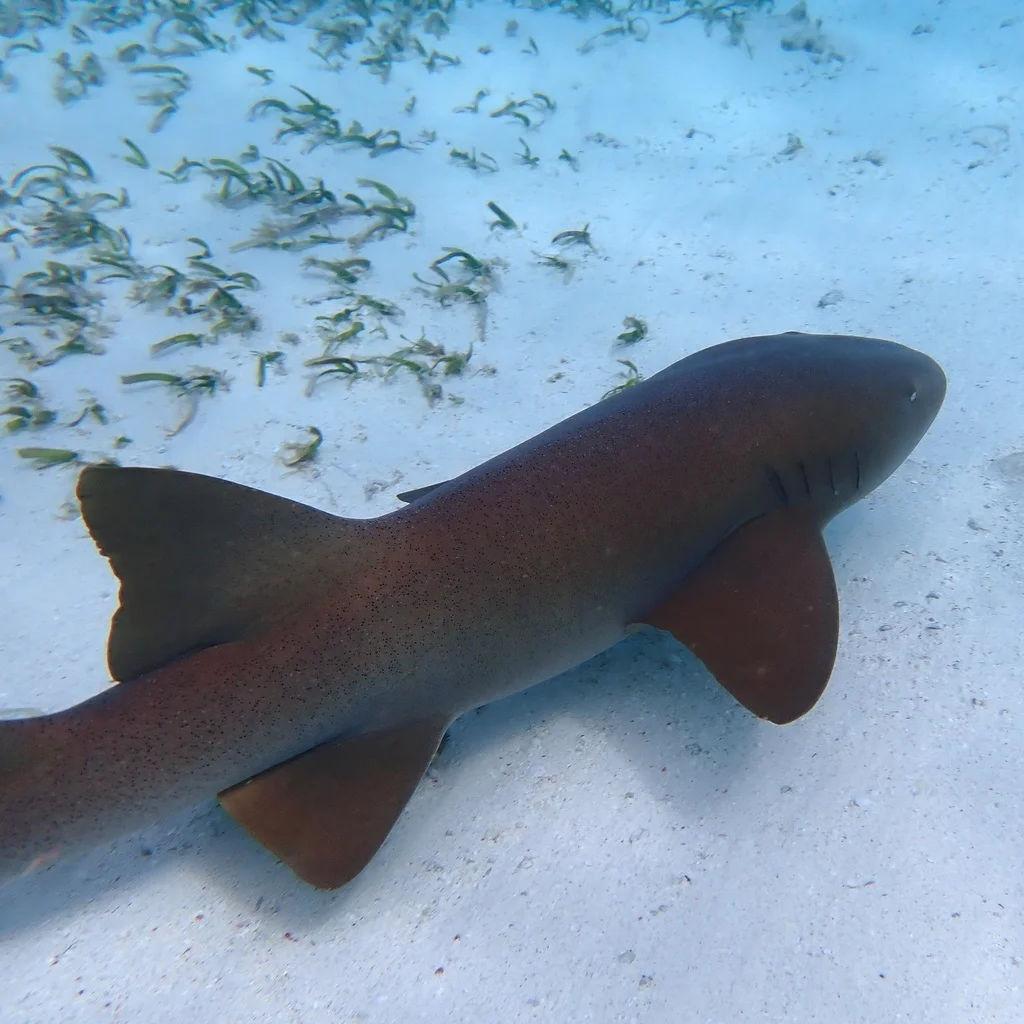
Closer inspections of the wrecks reveal a bustling community of smaller species like moray eels, nurse sharks, and various tropical fish finding shelter within crevices. Adorning the structures themselves are healthy collections of sea fans, sea whips, brain coral, sponges, and fire coral, indicating a well-established and diverse ecosystem.
This blend of metal and marine growth creates compelling visual interest, attracting creatures from glassy sweepers and snapper to lobster, grouper, and hogfish.
Dive Sites Near Rodeo Site - Jay Dorman
View all dive sites in United StatesDiscover more underwater gems in this area.
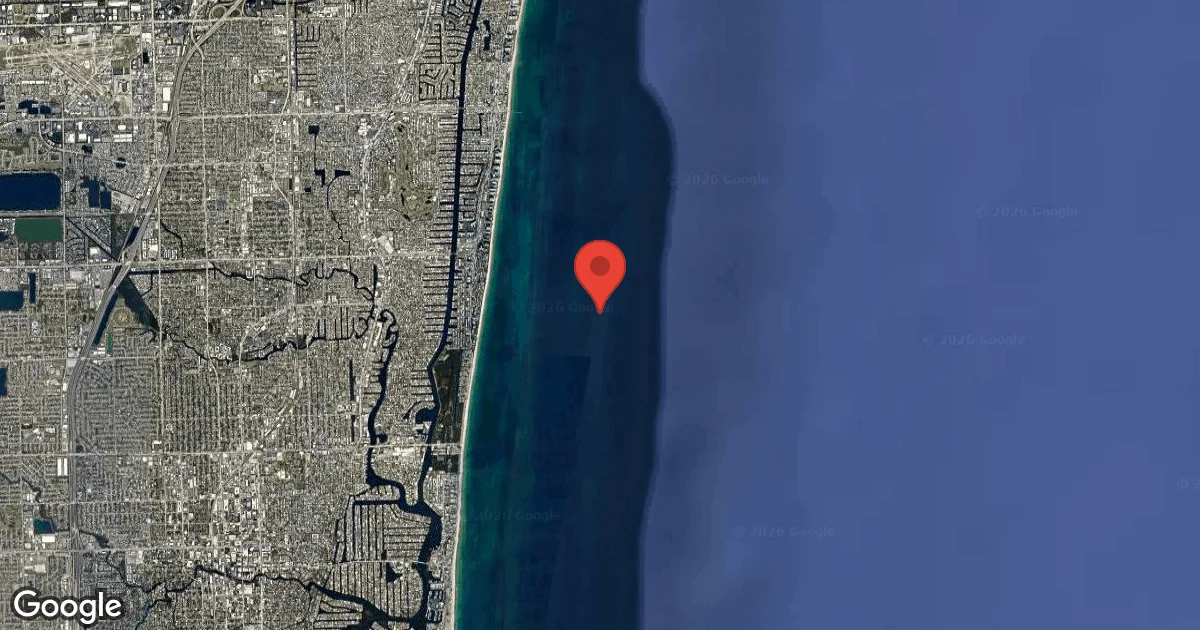
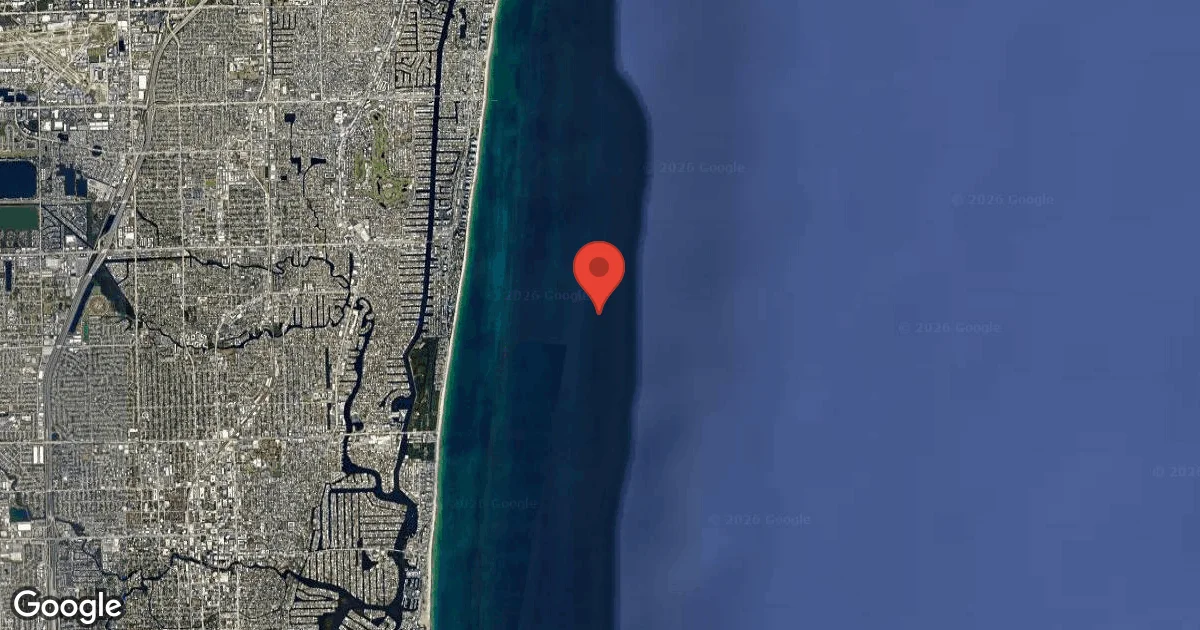
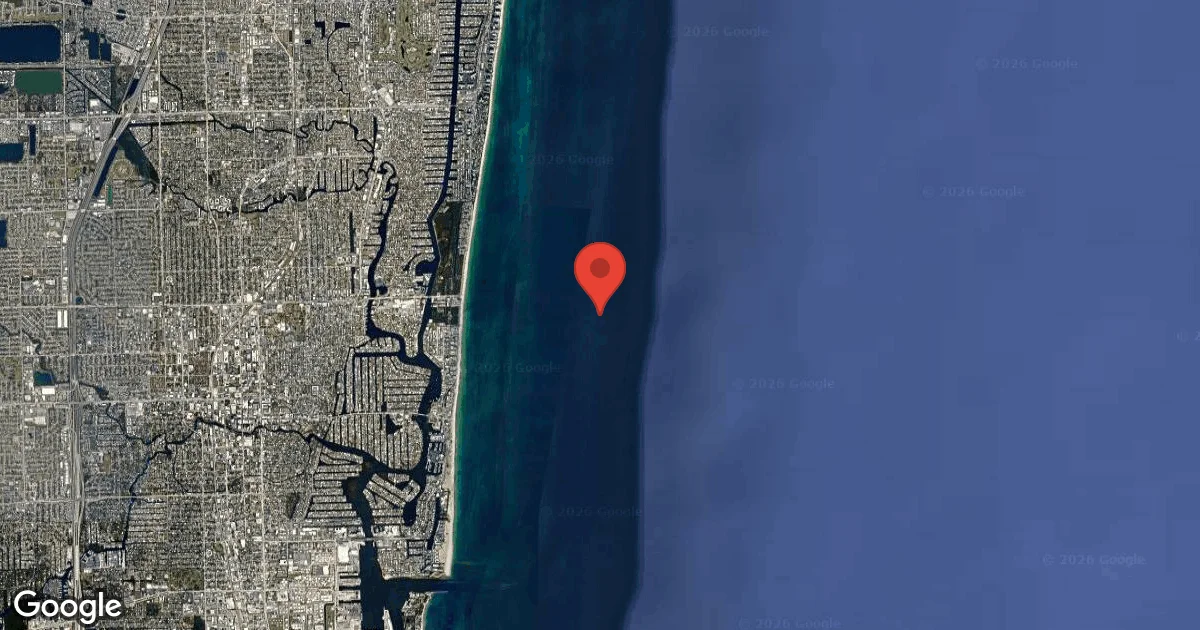
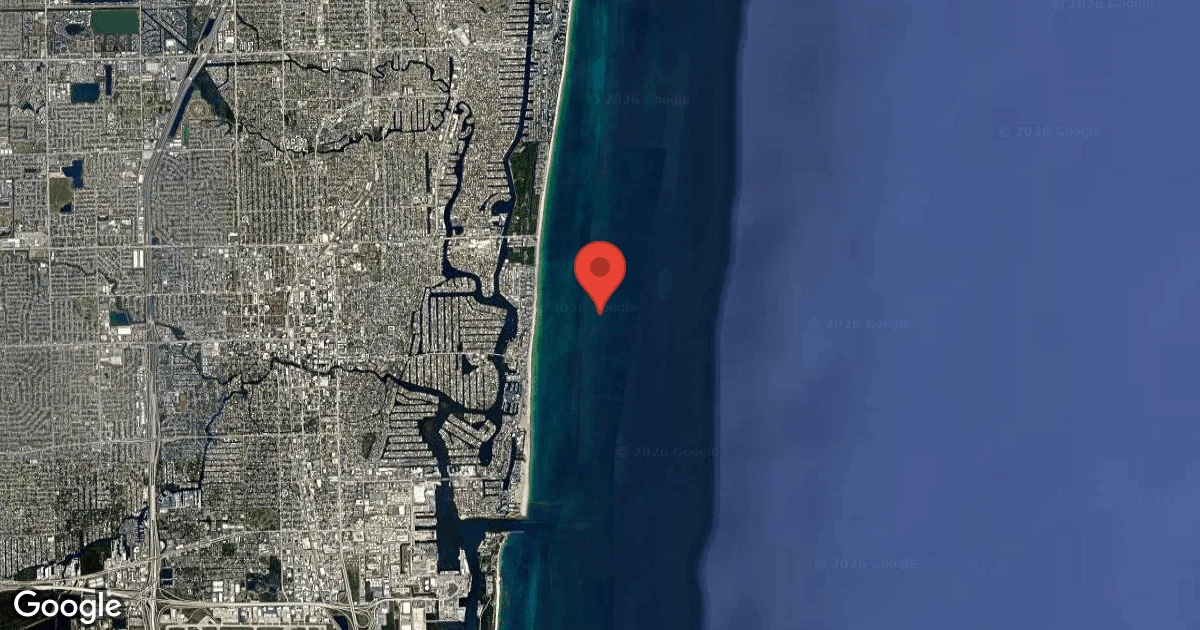
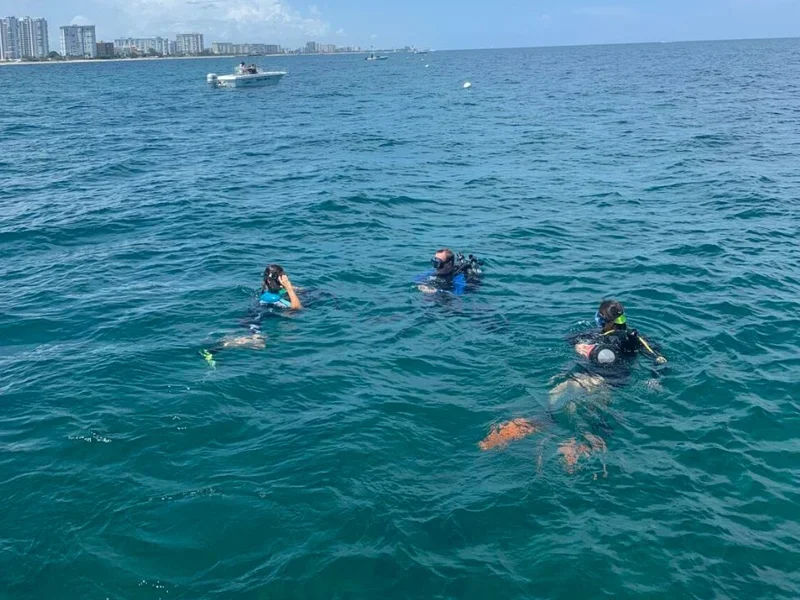
Dive Centers Near Rodeo Site - Jay Dorman
Today: 07:30 - 17:00
Nearest Airports
Nearest airports to help plan travel to this dive area.
Search Flights
Check available flights and routes on Expedia, using the nearby airports listed in this section.
Search Flights on Expedia
Plan Your Stay
Looking for a place to stay for your dive trip? Explore hotels, stays, and vacation rentals for dive groups near Terra Mar.
Dive Navigator may earn a commission from these links at no extra cost to you.
Frequently Asked Questions
What is the typical depth range for dives at this location?
Dive depths across the various sites range significantly, generally from 21 m (70 ft) up to 46 m (150 ft). Many popular wrecks like the Deep Freeze and Ophelia Brian are found around 34-41 m (110-135 ft).
Are strong currents common at these dive sites?
Yes, fairly strong currents are the norm in this area. Divers should be prepared for a consistent northbound drift and plan descents using mooring lines to manage these conditions effectively.
What kind of marine life can be expected?
Divers can expect a rich variety of marine life, including large goliath groupers, sea turtles, stingrays, and various shark species. Smaller inhabitants such as moray eels, nurse sharks, schools of jacks, barracuda, and tropical fish are also commonly observed around the wreck structures.
Is this dive site suitable for beginner divers?
No, many of the sites within this region require advanced or technical dive training due to the significant depths and challenging current conditions. It is primarily recommended for experienced and adequately certified divers.
What are the key safety considerations for diving here?
Primary safety concerns include strong currents, deep profiles, and the presence of monofilament fishing lines on wrecks. Divers must carry a dive knife and maintain excellent buoyancy control to avoid disturbing silt and ensure clear visibility.
How many wrecks are located in the vicinity?
The area is home to numerous wrecks, many of which are part of interconnected dive plans like the Jupiter Wreck Trek and Neptune Wreck Trek. These multi-wreck systems offer extensive exploration opportunities over several dives.
What are the typical water temperatures at these sites?
Specific water temperature data is not consistently reported for this location. However, average air temperatures range from 19.5-28°C (67-82°F) throughout the year, suggesting generally warm conditions suitable for various exposure suit thicknesses.
Planning to dive Rodeo Site - Jay Dorman?
Send one inquiry and receive offers directly from the best verified local dive operators.
Conditions are Good
Optimal conditions expected
Current conditions near Rodeo Site - Jay Dorman show 25° air, 31° sea temperature, 1.1 m waves, and 22 km/h wind. Forecast data is refreshed regularly to ensure accuracy.