
Diving at Rodeo Site - Johnny Morris (United States)
Navigating the Rodeo Site - Johnny Morris presents a significant challenge, requiring technical dive training due to its considerable depth and the consistent presence of strong currents. Resting at 65.5 m (214.9 ft), this site demands meticulous dive planning and execution. Divers must also be aware of pervasive monofilament lines, a common hazard on this artificial reef, making proper entanglement protocols essential.
As evening covers Rodeo Site - Johnny Morris, the local air temperature is measured at 26.5°C. The current wave height at the surface is recorded at 1 m. These late-day readings characterize the surface conditions for the night.
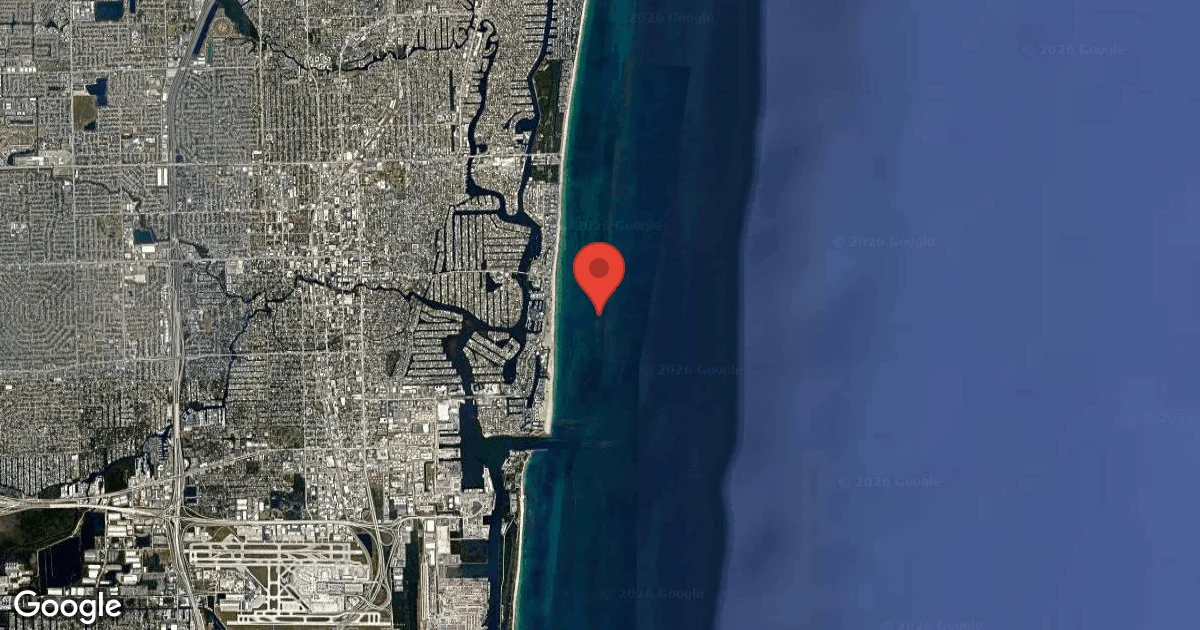
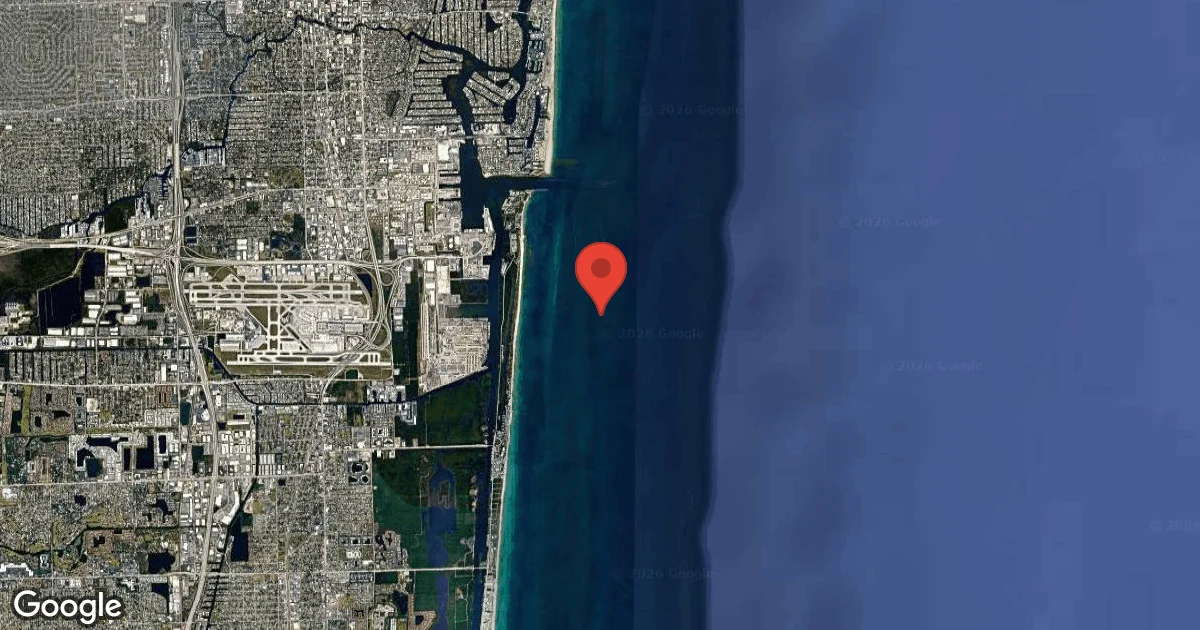
Dive Site Location & Key Facts
Dive Site Overview
This dive site centers around the M/V Sucre, also known as Johnny Morris, a 237-foot (72 m) steel ship with a rich history. Built in Germany in 1957, the vessel was later intentionally sunk off Broward in April 1996, transforming it into a prominent artificial reef and fishing spot.
It now rests upright on a slope, oriented south, providing a substantial structure for marine life to colonize. Sponsored by the Pompano Fishing Rodeo, the M/V Sucre’s presence enhances the local underwater landscape. Diving this wreck offers an encounter with a well-preserved, though storm-affected, piece of maritime heritage.
While its stern was reportedly separated by Hurricane Andrew for a nearby wreck, the Sucre itself sits largely intact, having settled at its current maximum depth of 65.5 m (214.9 ft). Exploring this artificial reef means navigating around the structure, which also attracts a variety of fish, contributing to its reputation as a productive fishing ground.
Conditions are Good
Optimal conditions expected
Current conditions near Rodeo Site - Johnny Morris show 27° air, 31° sea temperature, 0.8 m waves, and 23 km/h wind. Forecast data is refreshed regularly to ensure accuracy.
Best Time to Dive
For an optimal dive experience at Rodeo Site - Johnny Morris, planning visits between May and August is generally favorable. These months consistently show 'Good' dive scores, indicating more agreeable conditions. Air temperatures during this period are quite warm, often ranging from 26.5°C to 28°C (80-82°F), making surface intervals comfortable. Rainfall tends to be higher in September, averaging around 9.5 mm, so divers might encounter reduced visibility or choppier surface conditions then. Earlier in the year, particularly March and April, conditions are often rated 'Moderate', with air temperatures between 23°C and 24°C (73-75°F) and slightly higher wind speeds. For the best chances of smooth logistics and pleasant topside weather, the late spring and summer months are generally preferred.
PEAK SEASON SCORE
Scores combine air & water temps, waves, wind & rainfall for overall conditions.
BEST MONTHS TO DIVE
Monthly records compiled from satellite and marine observation nodes over the last 3 years. Data provided by Open-Meteo and MET Norway.
Dive Experience & Conditions
Descending upon the M/V Sucre at Rodeo Site brings divers to a substantial steel wreck, resting upright on a sloped bottom. With maximum depth reaching 65.5 m (214.9 ft), this is distinctly a technical dive profile requiring careful planning for bottom time and decompression. Currents are a common feature of the site, often presenting as fairly strong, which can influence descent and ascent strategies, as well as underwater navigation. Visibility at the site is generally reported as good, allowing for clear views of the 237-foot (72 m) vessel from a distance. However, a heavy buildup of silt is present on the wreck itself, demanding meticulous buoyancy control to prevent reduced visibility during closer exploration. Exploring the various sections of the ship involves skillfully managing these environmental factors, making for a challenging yet rewarding dive experience.
Dive Difficulty & Safety Guidelines
Diving the Rodeo Site - Johnny Morris strictly requires technical dive training due to its substantial depth and the complexities of wreck penetration. Recreational advanced open water certification is insufficient for this profile. Divers should prepare for fairly strong currents, which are a norm here and can complicate positioning and ascent planning.
A significant safety consideration is the presence of monofilament fishing lines on the wreck. These lines pose an entanglement risk, making it imperative for divers to carry and be proficient with a dive knife.
Additionally, the heavy buildup of silt demands excellent buoyancy control; disturbing the silt can severely reduce visibility and create disorientation, particularly in deeper sections.
Recommended Equipment
- Dive Computer
This gear list is based on verified equipment signals for Rodeo Site - Johnny Morris, United States. Always confirm final gear choices with your dive operator, guide, or liveaboard.
Recommended Dive Suit
Forecast trends indicate similar diving conditions over the next few days.
Many experienced divers would consider dive skin or rash guard an appropriate choice here. A hood or vest is suggested for sensitive divers due to surface winds.
Recent environmental data from Rodeo Site - Johnny Morris indicates water temperatures near 31°C (87°F). Surface air temperatures are resting at 27°C (80°F).
Due to technical issues with our weather providers, live updates are temporarily delayed. The data above reflects the conditions at the time of the last successful fetch.
Emergency & Medical Support
Essential information to help you plan your dive trip to Rodeo Site - Johnny Morris.

Hyperbaric chambers are a critical part of dive safety infrastructure. Availability varies significantly by region, and not all dive areas have immediate access.
Before diving, it's recommended to:
- confirm nearest medical facilities
- check emergency procedures with local dive operators
- ensure dive insurance covers evacuation if required
Divers Alert Network
Diving emergency assistance available through DAN World.
+1-919-684-9111- 24/7 emergency hotline
- Diving medical assistance
- Evacuation coordination
Emergency contacts are provided for reference. Always verify local emergency services before diving.
Marine Life at Rodeo Site - Johnny Morris
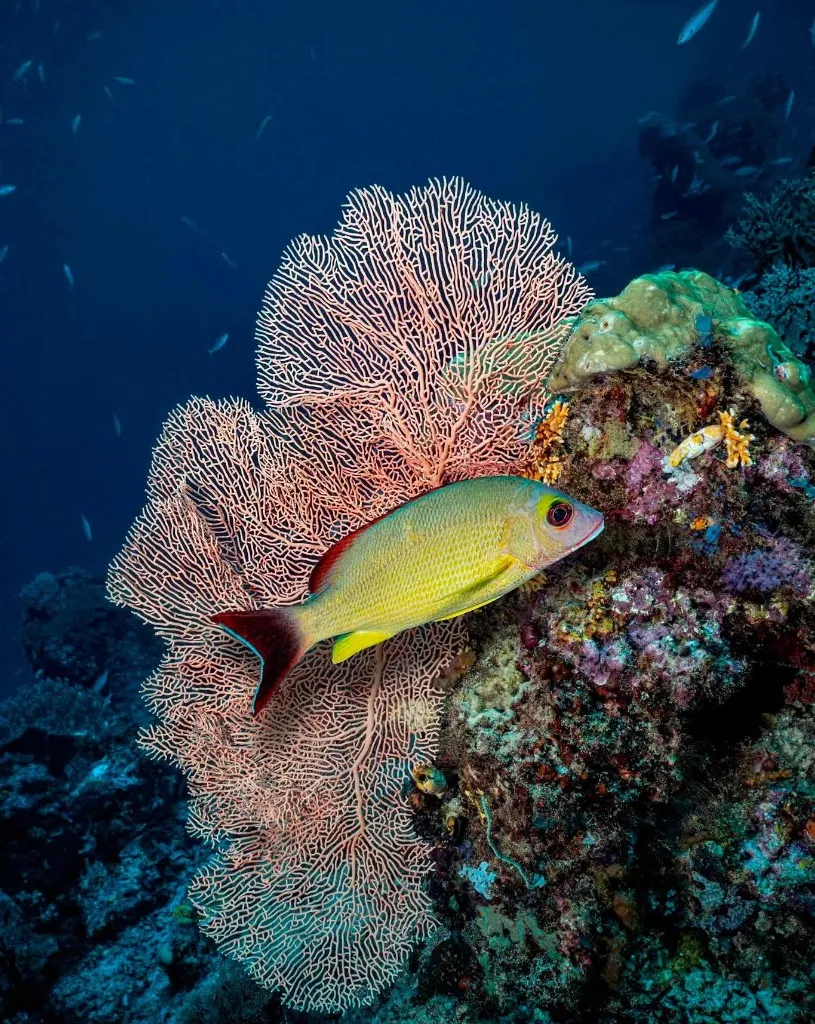
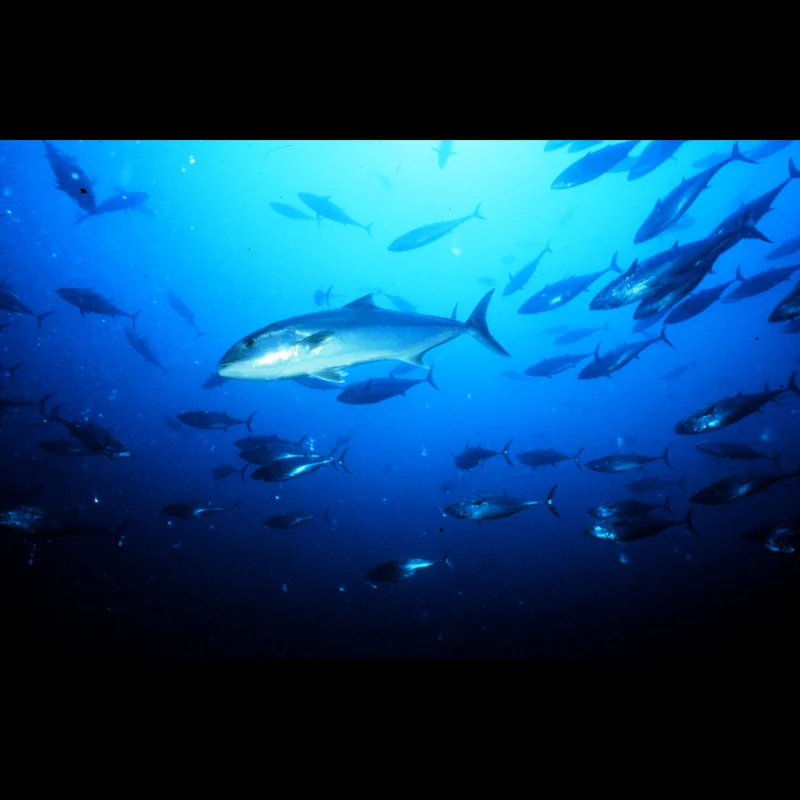
Around the M/V Sucre, divers often first observe the diverse fish species that have made this artificial reef their home. Florida pompano, great barracuda, and greater amberjack are commonly sighted, making their way through the wreck's structure.
Other inhabitants include various snappers, such as red and vermilion, alongside little tunny and wahoo, all attracted to this established fishing spot. The wreck acts as a focal point for the local ecosystem, providing shelter and feeding grounds.
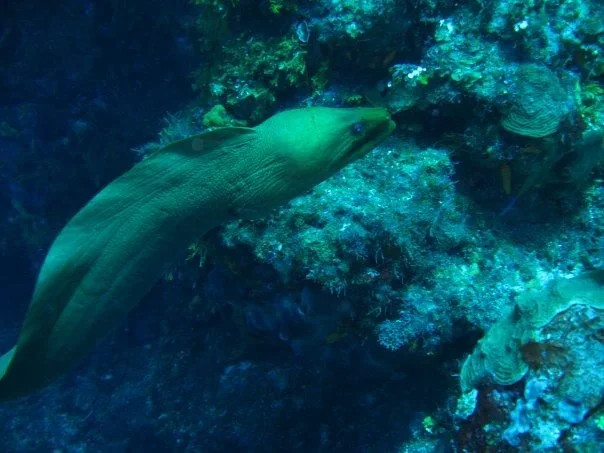
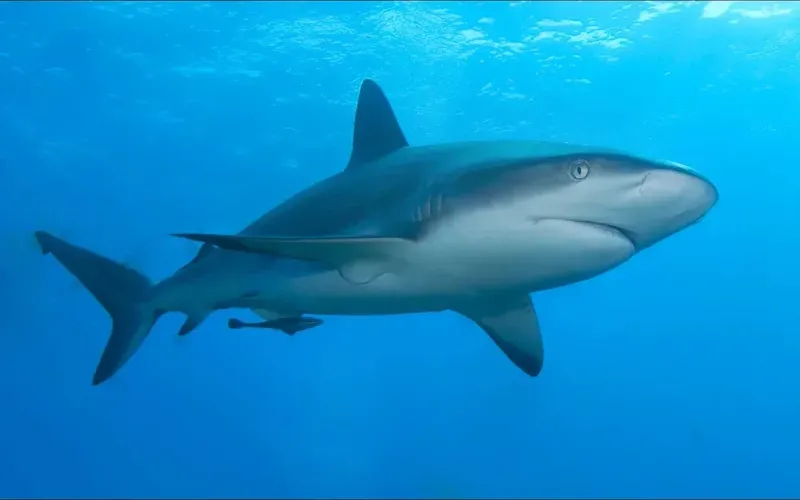
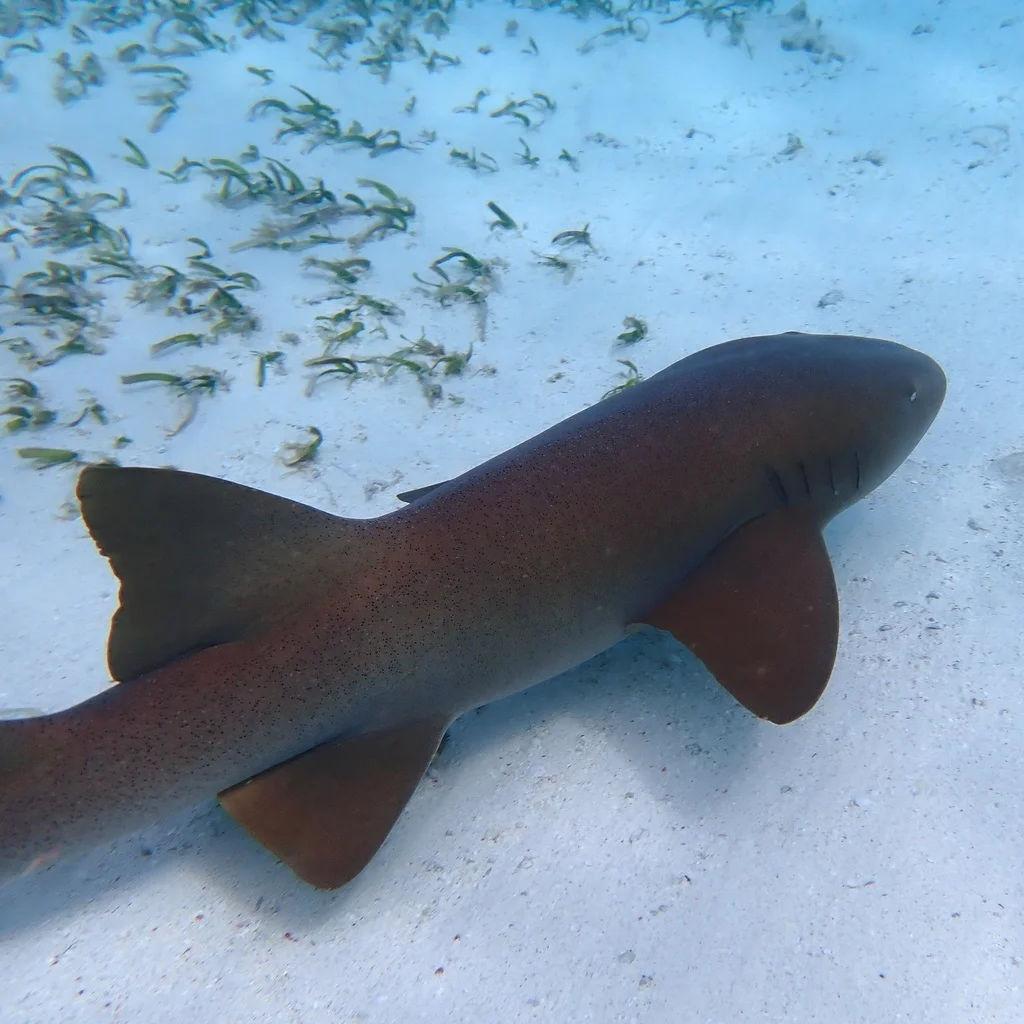
While not consistently reported for this specific wreck, nearby artificial reefs in the region often host moray eels, nurse sharks, and even the occasional reef shark, adding to the potential for exciting encounters.
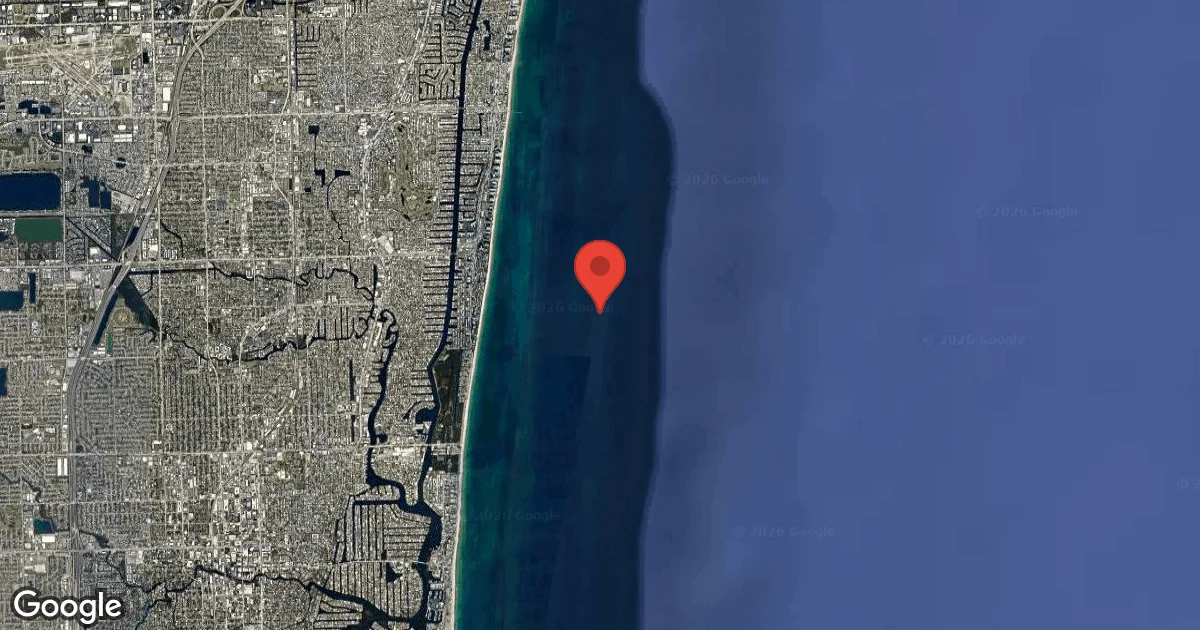
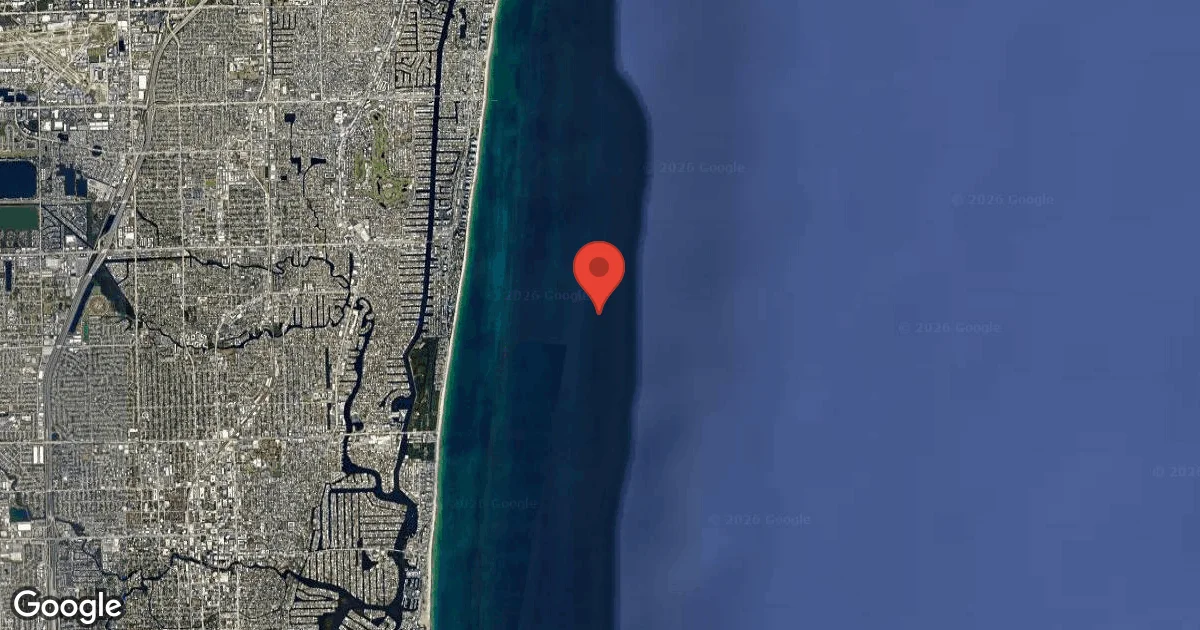
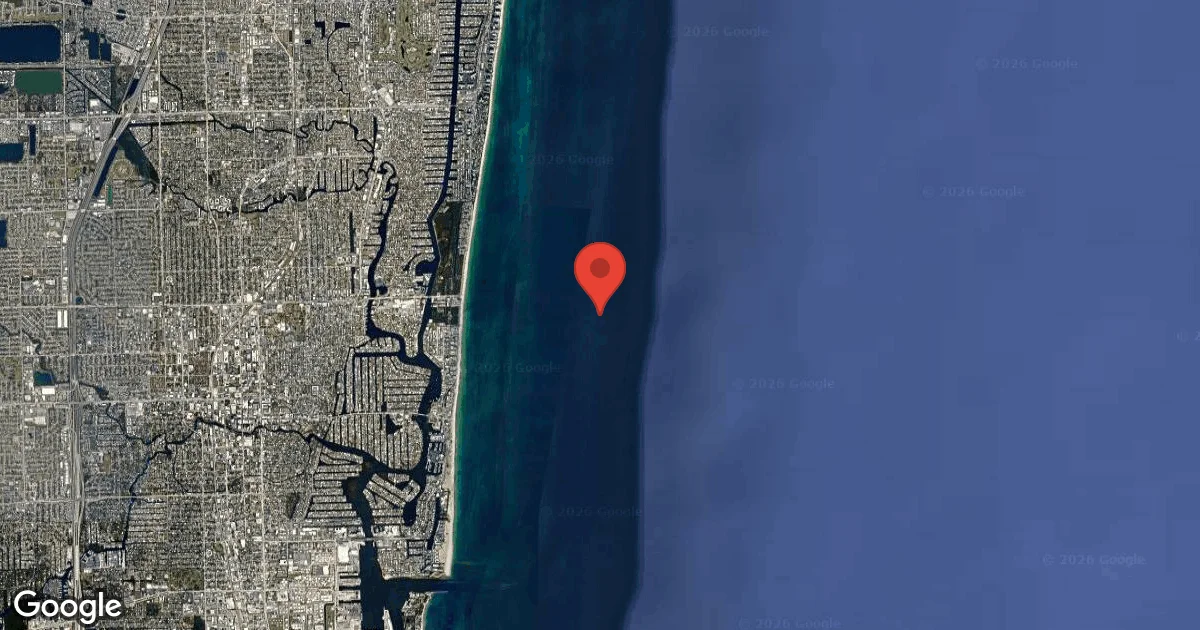
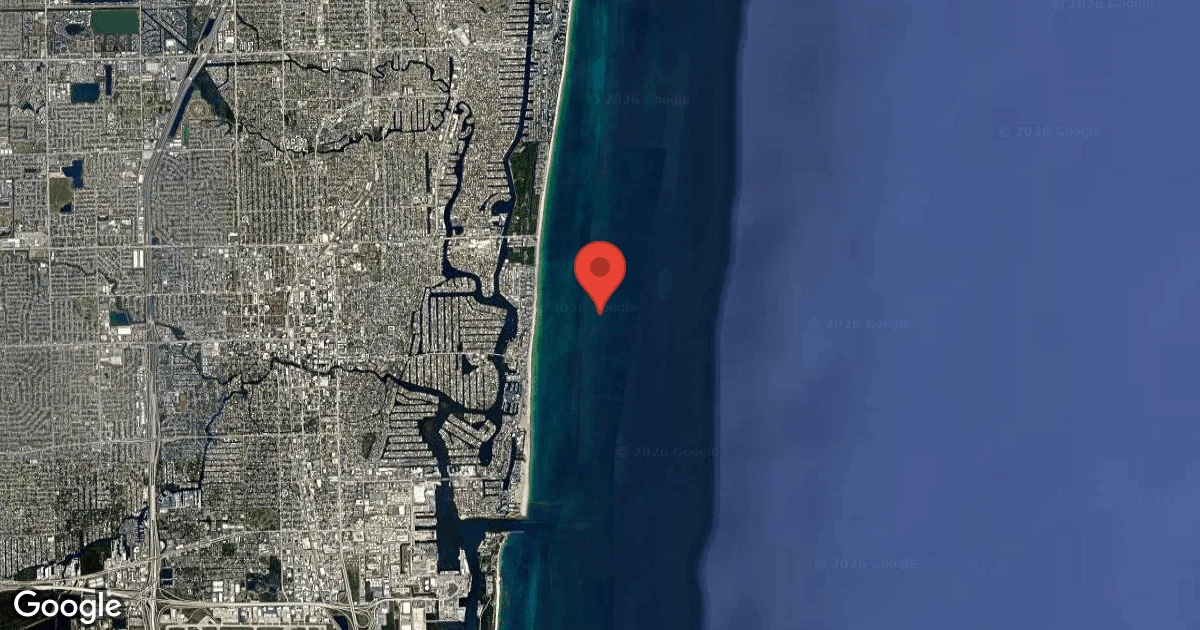
Dive Sites Near Rodeo Site - Johnny Morris
View all dive sites in United StatesDiscover more underwater gems in this area.
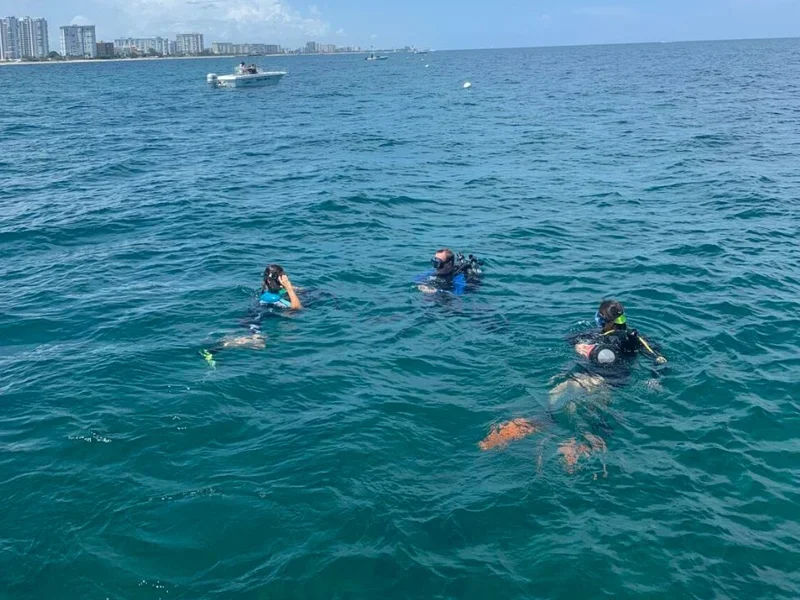
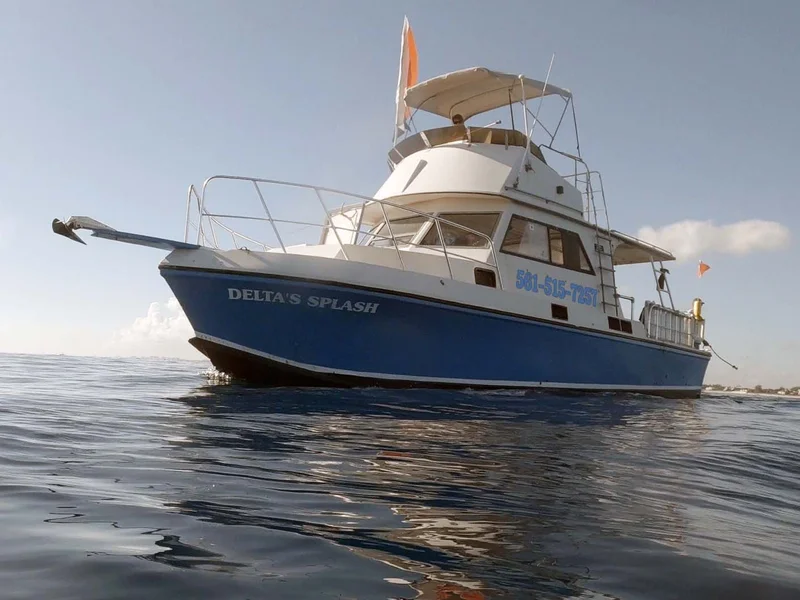
Dive Centers Near Rodeo Site - Johnny Morris
Today: 07:30 - 17:00
Nearest Airports
Nearest airports to help plan travel to this dive area.
Search Flights
Check available flights and routes on Expedia, using the nearby airports listed in this section.
Search Flights on Expedia
Plan Your Stay
Looking for a place to stay for your dive trip? Explore hotels, stays, and vacation rentals for dive groups near Terra Mar.
Dive Navigator may earn a commission from these links at no extra cost to you.
Frequently Asked Questions
What type of dive is Rodeo Site - Johnny Morris?
This site is classified as a technical wreck dive. Its depth and ambient conditions necessitate specialized training beyond standard recreational certifications. Divers should possess the appropriate technical certifications for safe exploration.
What is the maximum depth of the M/V Sucre wreck?
At Rodeo Site, the M/V Sucre reaches a maximum depth of 65.5 meters (214.9 ft). Such a deep profile is a primary factor for requiring technical dive training. Shallower sections exist on the top decks, yet the overall depth remains significant.
What is the history of the M/V Sucre?
The M/V Sucre, also known as Johnny Morris, was a 237-foot (72 m) steel ship built in Germany in 1957. It was intentionally sunk in April 1996 as an artificial reef. The wreck now serves as a vibrant underwater habitat and fishing attraction.
Are strong currents common at this dive site?
Yes, fairly strong currents are a consistent feature at Rodeo Site - Johnny Morris. Divers should be prepared for these conditions, which can affect descent, ascent, and navigating around the wreck. Dive planning should account for drift.
What marine life can divers expect to see?
Divers commonly encounter Florida pompano, great barracuda, greater amberjack, and various snappers. The wreck also attracts little tunny and wahoo. It functions as a robust artificial reef ecosystem, drawing a range of predatory and schooling fish.
Is any specific equipment recommended for this dive?
Bringing a dive knife is strongly recommended. The wreck is known to have monofilament fishing lines present, which pose a significant entanglement risk. A knife is crucial for safety and self-rescue in such situations.
What are the best months to dive Rodeo Site - Johnny Morris?
The best months for diving are typically from May through August, which generally offer 'Good' dive scores. These periods tend to have warmer air temperatures and more favorable weather conditions, enhancing the overall dive experience.
Is this dive site suitable for beginner divers?
No, this dive site is not suitable for beginner divers. Due to its significant depth, strong currents, and potential hazards like monofilament lines, it is strictly recommended for advanced and technically trained divers. The site demands extensive experience.
Planning to dive Rodeo Site - Johnny Morris?
Send one inquiry and receive offers directly from the best verified local dive operators.
Conditions are Good
Optimal conditions expected
Current conditions near Rodeo Site - Johnny Morris show 27° air, 31° sea temperature, 0.8 m waves, and 23 km/h wind. Forecast data is refreshed regularly to ensure accuracy.