
Diving at Shirley Reef (United States)
Navigating the Capt. Shirley Brown Memorial Reef requires a readiness for mid-depth wreck diving in the Gulf of Mexico. This artificial reef, designed for ecological restoration, sits off the coast of Alabama, presenting a unique intermediate-level challenge. Divers should be prepared for its depths and the particular characteristics of a deployed wreck structure.
As evening covers Shirley Reef, the local air temperature is measured at 25°C. The current wave height at the surface is recorded at 0.8 m. These late-day readings characterize the surface conditions for the night.
Dive Site Location & Key Facts
Dive Site Overview
Divers exploring the Capt. Shirley Brown Memorial Reef connect directly with Alabama's artificial reef initiatives.
This site, deployed as the second vessel by the Alabama Gulf Coast Reef & Restoration Foundation, forms a critical part of a broader regional effort to enhance marine habitats. About 13 nautical miles south of Perdido Pass, it serves as a significant underwater landmark for recreational divers. The wreck itself rests in about 25 m (85 ft) of water, with its top deck ascending to approximately 22 m (75 ft) below the surface.
With its upper deck at 22 m (75 ft) and the main structure at 25 m (85 ft), the site provides a compelling mid-depth wreck dive. While specific community dive logs for this particular site are not consistently reported, its status as an artificial reef implies a dynamic environment, constantly evolving with marine growth and new species recruitment.
Visiting here means experiencing an active conservation effort firsthand, providing a distinct and evolving diving narrative.
Conditions are Excellent
07:00 - 14:00
Optimal conditions expected
Current conditions near Shirley Reef show 25° air, 30° sea temperature, 0.8 m waves, and 13 km/h wind. Forecast data is refreshed regularly to ensure accuracy.
Best Time to Dive
Maximizing visibility at Shirley Reef often aligns with the calmer summer months, though year-round conditions can support diving. Air temperatures in the region show a clear seasonal shift, ranging from a cooler 18.5°C (65°F) in January to a warmer 28°C (82°F) in August. Rainfall is generally minimal, averaging just 1.38 mm (0.05 inches) in January but peaking around 7.98 mm (0.31 inches) in September. Dive scores are consistently rated 'Good' from May through September, often reflecting improved surface conditions with average wave heights dropping to as low as 0.5 m (1.6 ft) in July. Moderate conditions are more common in April and October, potentially due to higher wave activity or increased wind speeds. Planning a dive outside the summer peak might encounter more variable sea states.
PEAK SEASON SCORE
Scores combine air & water temps, waves, wind & rainfall for overall conditions.
BEST MONTHS TO DIVE
Monthly records compiled from satellite and marine observation nodes over the last 3 years. Data provided by Open-Meteo and MET Norway.
Dive Experience & Conditions
Beginning your descent to the Capt. Shirley Brown Memorial Reef typically places you on a mid-depth artificial structure, making it best suited for intermediate divers. Descending, the top deck of the wreck reaches around 22 m (75 ft) below the surface, providing an initial point of exploration. Continuing deeper, the wreck ultimately rests at a maximum depth of 25 m (85 ft). Visibility here can vary depending on local weather and sea states, as detailed site-specific reports are limited. Without consistent community logs, divers should anticipate a range of underwater clarity and be prepared for potential currents that are typical in open Gulf waters. The site's exposure profile suggests varied conditions influenced by incoming swell, requiring attentive pre-dive planning.
Dive Difficulty & Safety Guidelines
Approaching Shirley Reef responsibly means recognizing its profile as an intermediate wreck dive, necessitating an advanced diver certification. Its depth range, reaching 25 m (85 ft), requires careful adherence to no-decompression limits and diligent gas management practices. As an artificial reef wreck, potential hazards include entanglement points from structural integrity or marine growth, which demand proficient buoyancy control and situational awareness.
Divers should always plan their boat entry and exit meticulously, given the offshore location south of Perdido Pass. Without specific reported hazards, general wreck diving best practices are paramount.
This includes carrying appropriate signaling devices and ensuring all equipment is well-maintained for an offshore environment.
Recommended Equipment
- Dive Computer
This gear list is based on verified equipment signals for Shirley Reef, United States. Always confirm final gear choices with your dive operator, guide, or liveaboard.
Recommended Dive Suit
Forecast trends indicate little change in overall diving conditions during the next few days.
Two divers in the same water temperature may experience very different comfort levels.
Many divers find that dive skin or rash guard offers the right level of insulation for conditions like these. The surrounding waters at Shirley Reef are currently registering temperatures of roughly 30°C (86°F). Surface air temperatures are resting at 25°C (77°F).
Emergency & Medical Support
Essential information to help you plan your dive trip to Shirley Reef.

Hyperbaric chambers are a critical part of dive safety infrastructure. Availability varies significantly by region, and not all dive areas have immediate access.
Before diving, it's recommended to:
- confirm nearest medical facilities
- check emergency procedures with local dive operators
- ensure dive insurance covers evacuation if required
Divers Alert Network
Diving emergency assistance available through DAN World.
+1-919-684-9111- 24/7 emergency hotline
- Diving medical assistance
- Evacuation coordination
Emergency contacts are provided for reference. Always verify local emergency services before diving.
Marine Life at Shirley Reef
Focusing on the marine life at this artificial reef means observing what colonizes new structures. As the Capt.
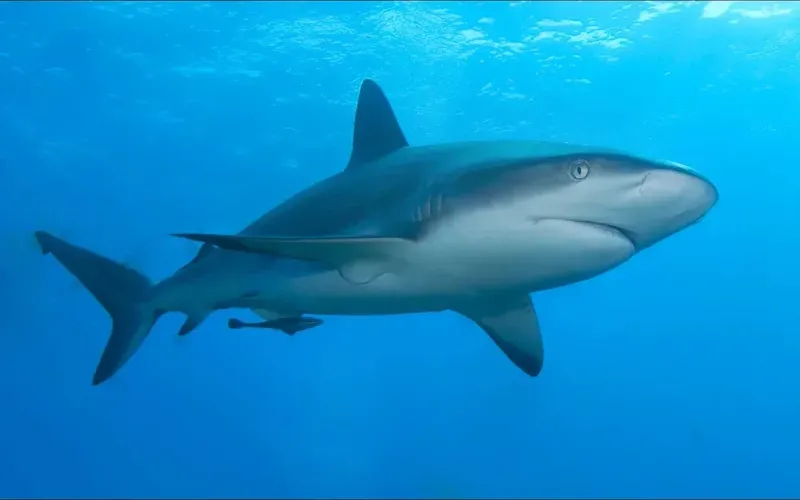
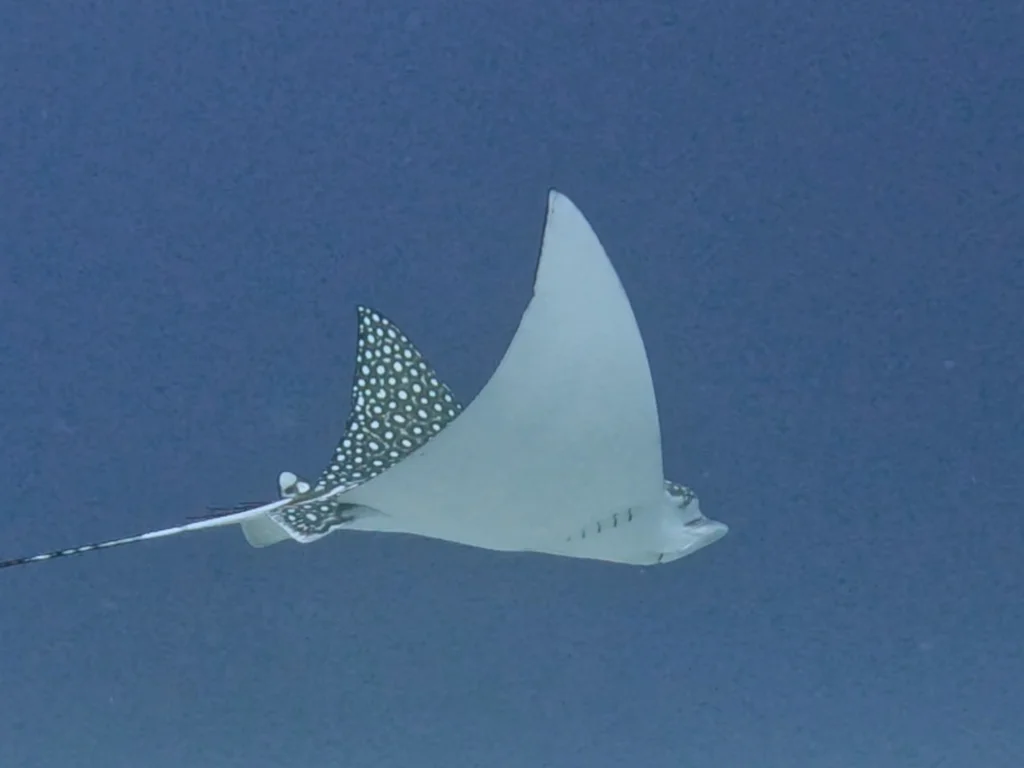
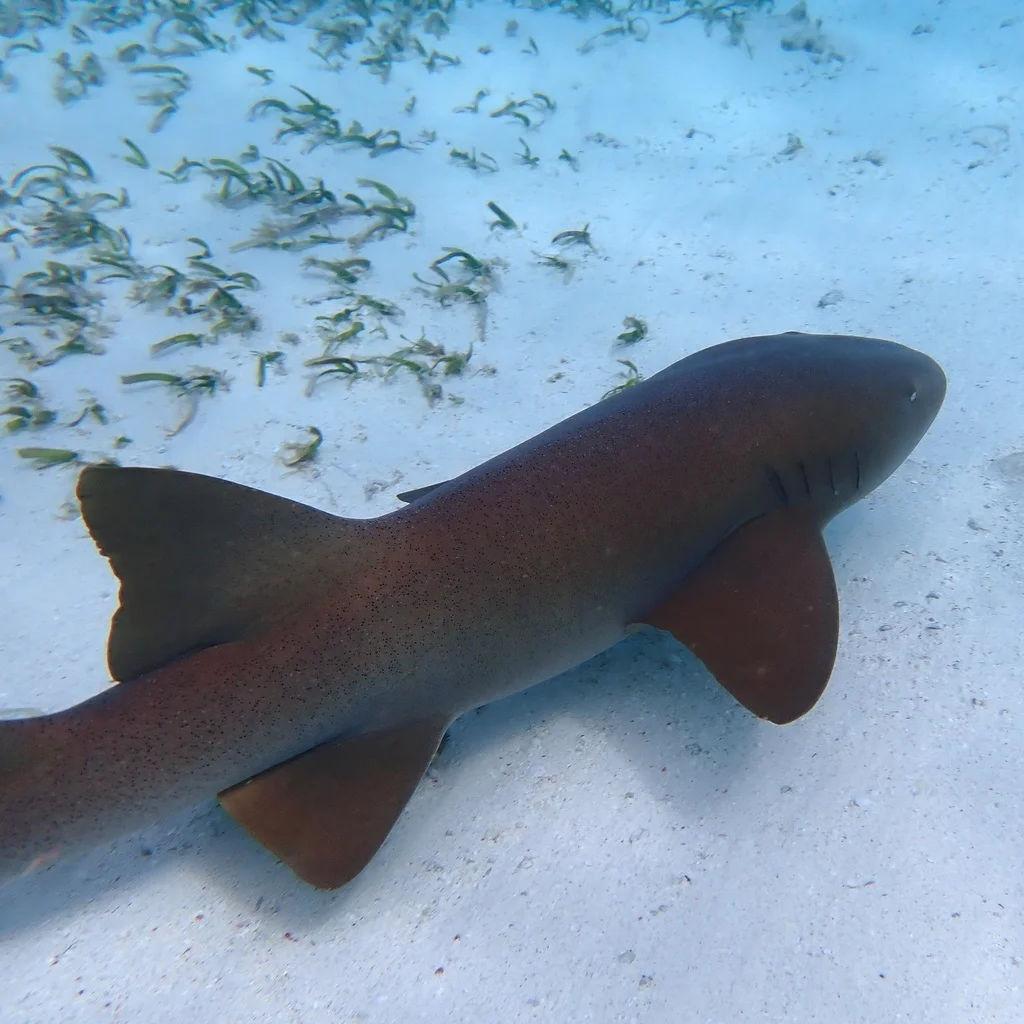
Shirley Brown Memorial Reef matures, it acts as a magnet for various species. While specific creatures for this site aren't yet consistently reported, nearby dive sites in the region frequently encounter Caribbean reef sharks, nurse sharks, and spotted eagle rays.
Divers might also observe numerous smaller reef fish establishing territories around the wreck. Expect the gradual establishment of various corals, sponges, sea rods, and sea fans, transforming the artificial structure into a vibrant ecosystem over time.
This dynamic environment supports a diverse range of marine inhabitants, reflecting the success of artificial reef programs.
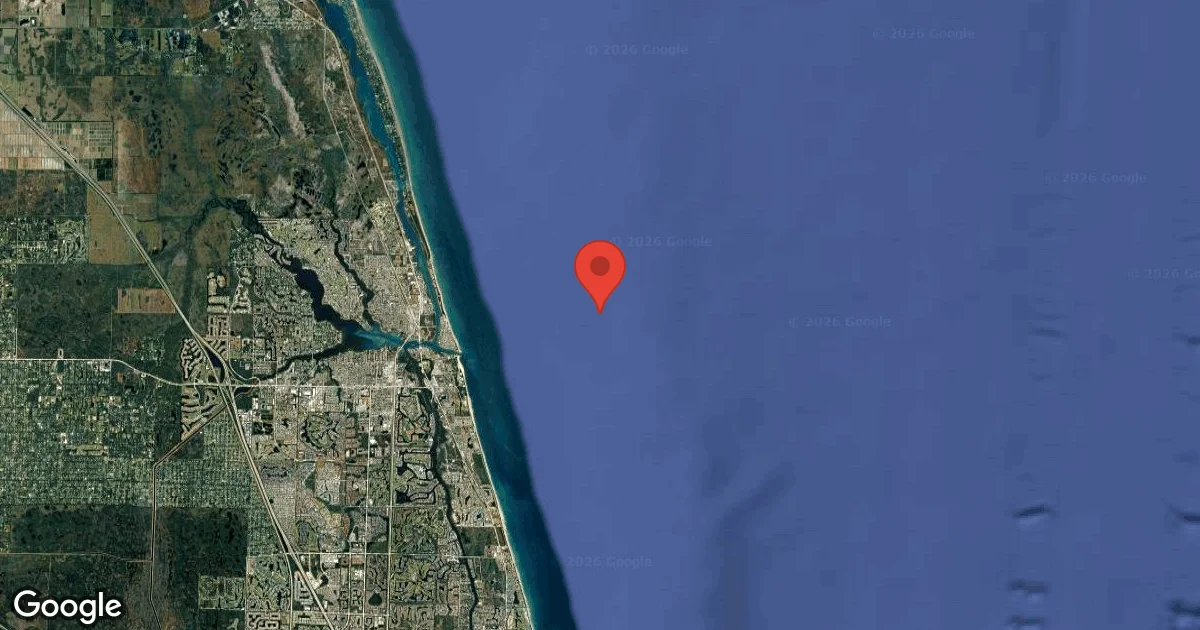
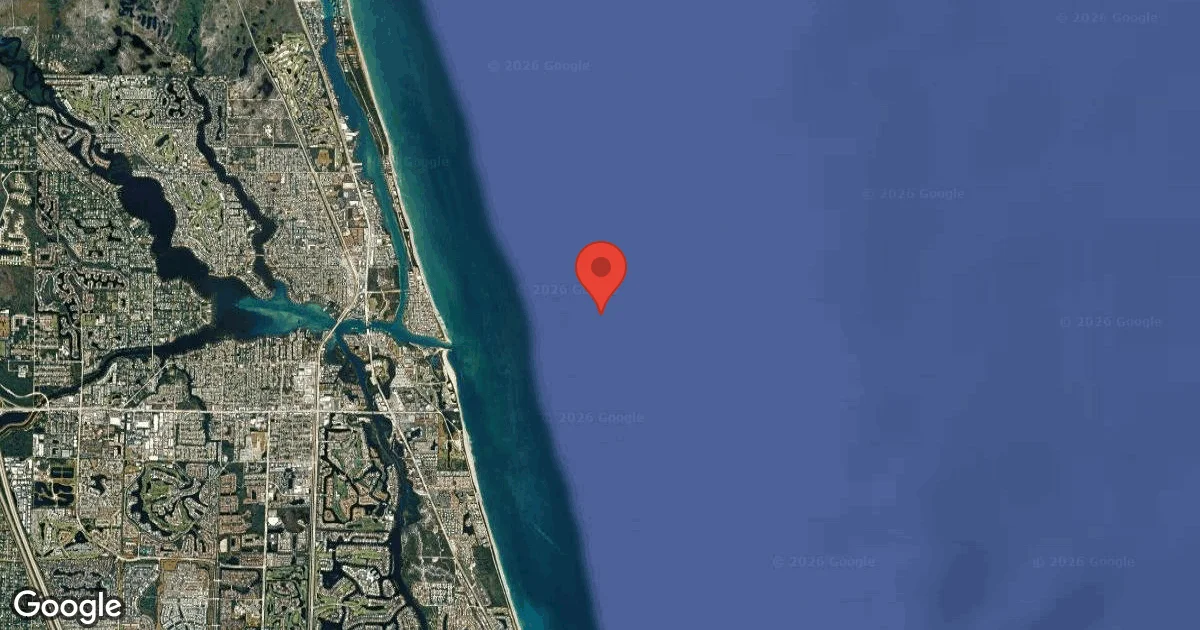
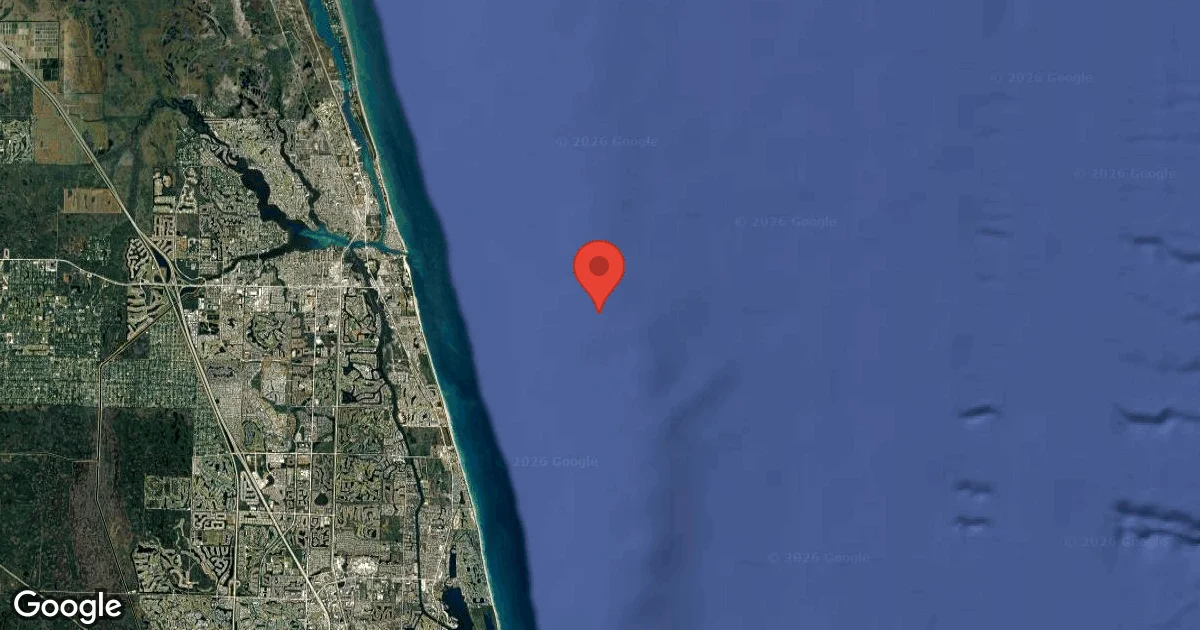
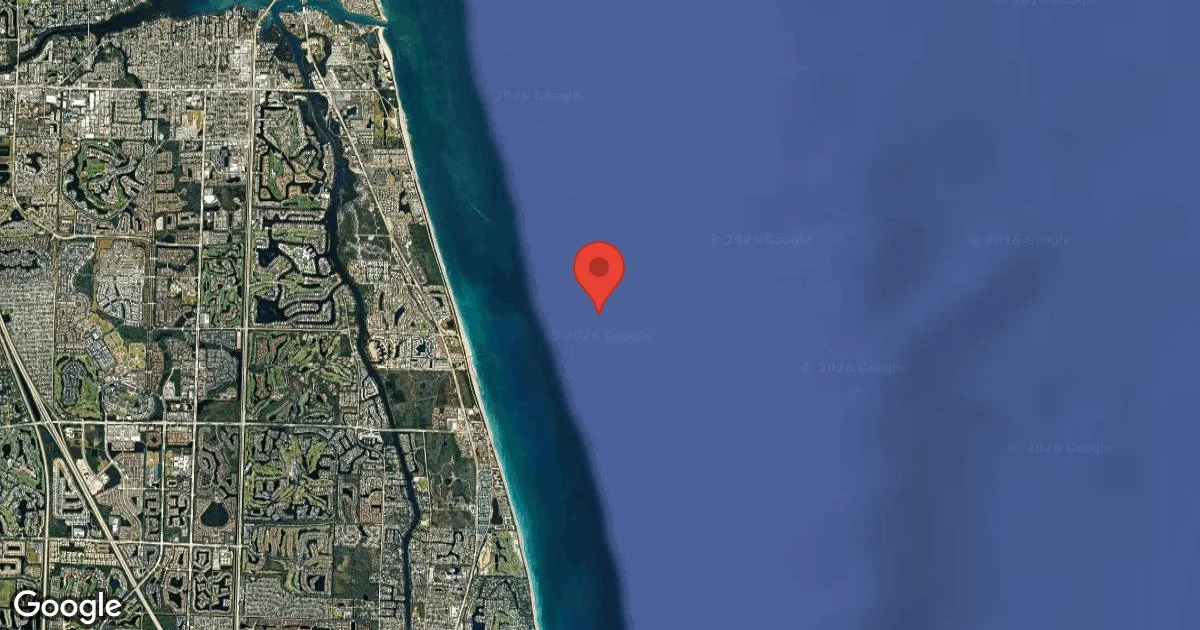
Dive Sites Near Shirley Reef
View all dive sites in United StatesDiscover more underwater gems in this area.
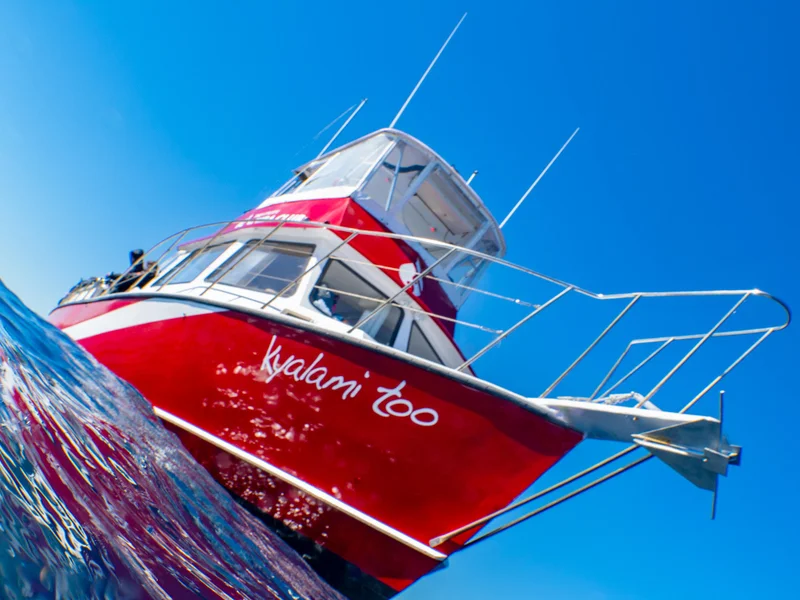
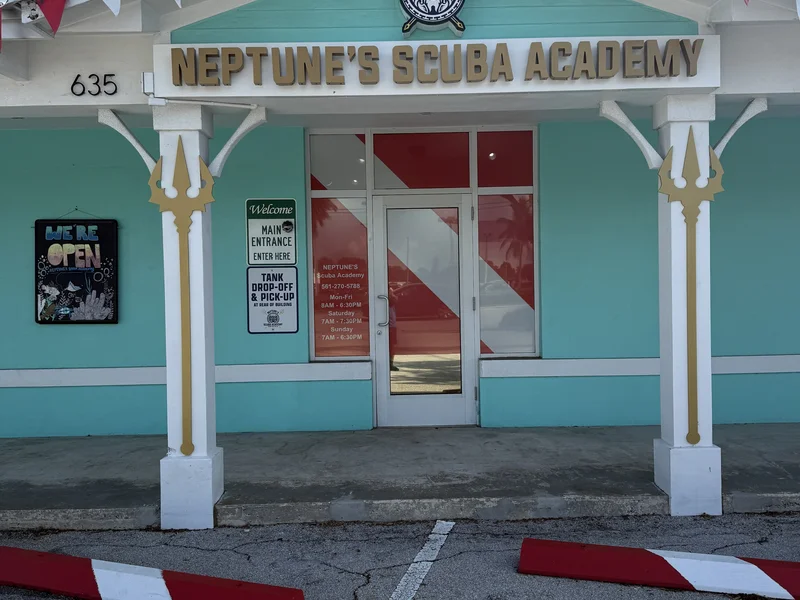
Dive Centers Near Shirley Reef
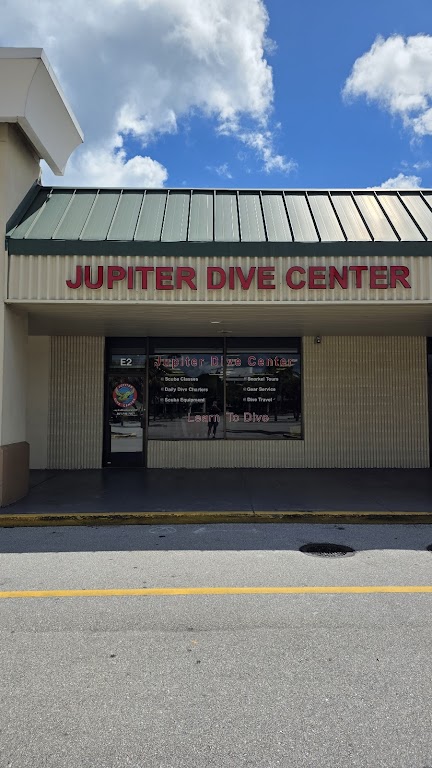
Today: 10:00 - 18:00
Nearest Airports
Nearest airports to help plan travel to this dive area.
Search Flights
Check available flights and routes on Expedia, using the nearby airports listed in this section.
Search Flights on Expedia
Plan Your Stay
Looking for a place to stay for your dive trip? Explore hotels, stays, and vacation rentals for dive groups near Jupiter Island.
Dive Navigator may earn a commission from these links at no extra cost to you.
Frequently Asked Questions
What type of dive site is the Capt. Shirley Brown Memorial Reef?
An artificial-reef wreck, it was deployed as the second vessel by the Alabama Gulf Coast Reef & Restoration Foundation to create new marine habitats.
What is the maximum depth at Shirley Reef?
The wreck rests in approximately 25 m (85 ft) of water. Its top deck is around 22 m (75 ft) below the surface, qualifying it as a mid-depth dive.
What skill level is required for this dive?
Shirley Reef is considered best for intermediate divers due to its depth and the nature of wreck diving. An advanced certification is recommended.
Where is Shirley Reef located?
The Capt. Shirley Brown Memorial Reef lies about 13 nautical miles south of Perdido Pass, off the coast of Alabama in the United States.
What marine life can divers expect to see?
While specific sightings are not consistently reported for this new reef, artificial reefs generally attract diverse marine life. Divers might encounter various reef fish, and nearby sites report Caribbean reef sharks, nurse sharks, and spotted eagle rays.
What are the typical water conditions?
Specific water temperature data is not available. Air temperatures range from 18.5°C (65°F) in winter to 28°C (82°F) in summer. Visibility can vary, and divers should be prepared for potential currents.
Planning to dive Shirley Reef?
Send one inquiry and receive offers directly from the best verified local dive operators.
Conditions are Excellent
07:00 - 14:00
Optimal conditions expected
Current conditions near Shirley Reef show 25° air, 30° sea temperature, 0.8 m waves, and 13 km/h wind. Forecast data is refreshed regularly to ensure accuracy.