
Diving at Tenneco Towers Deep (United States)
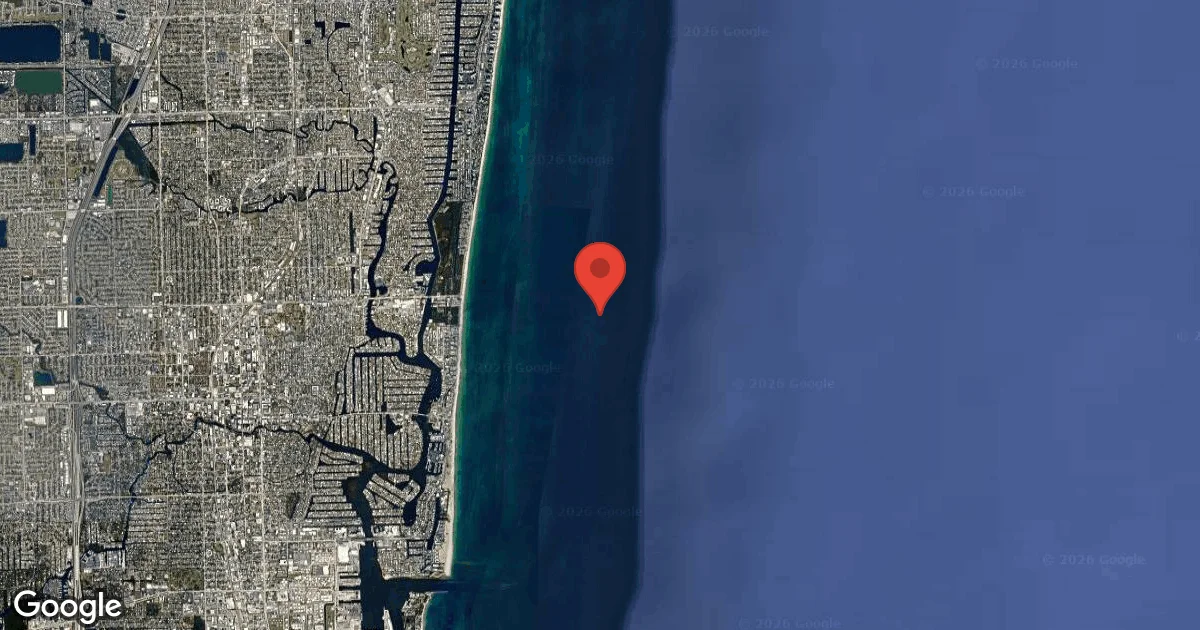
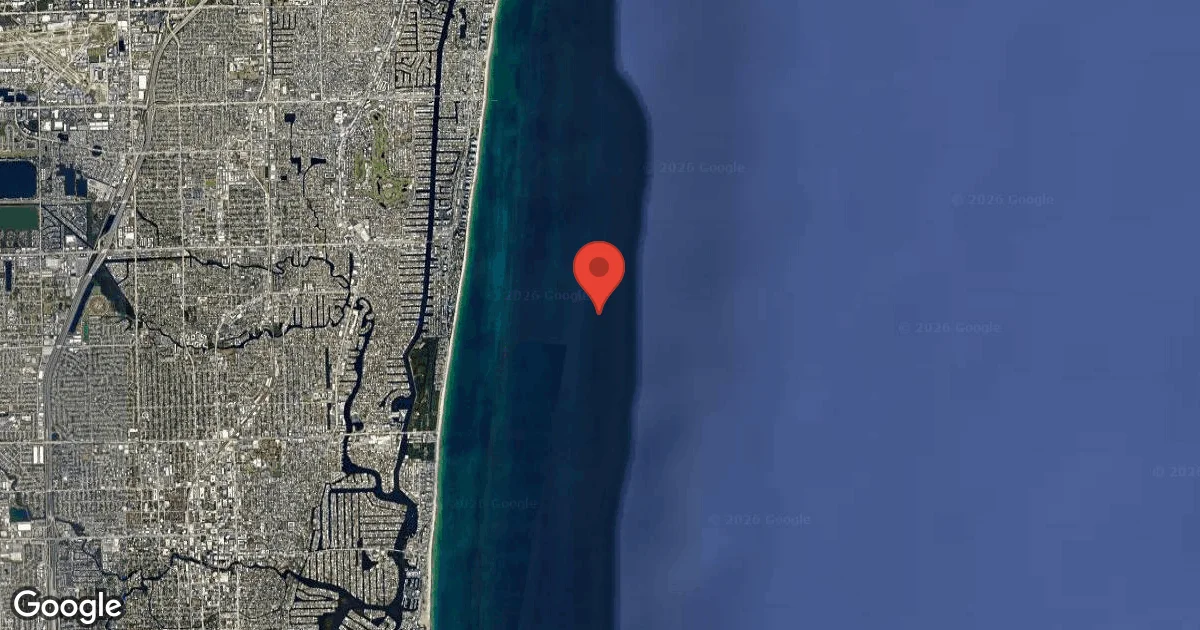
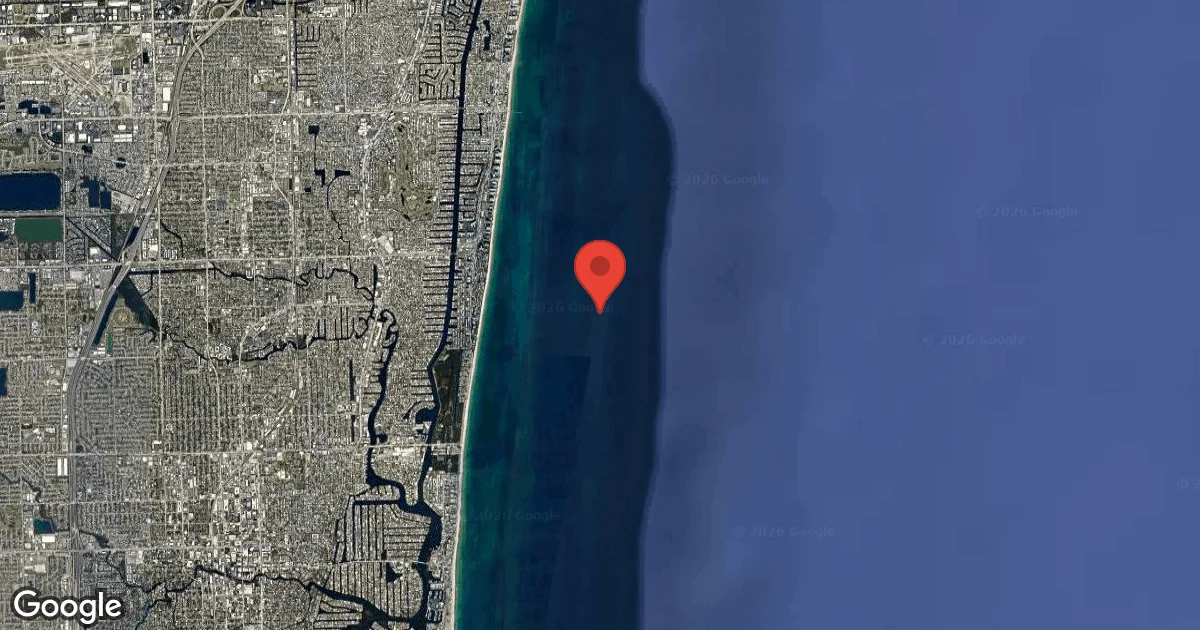
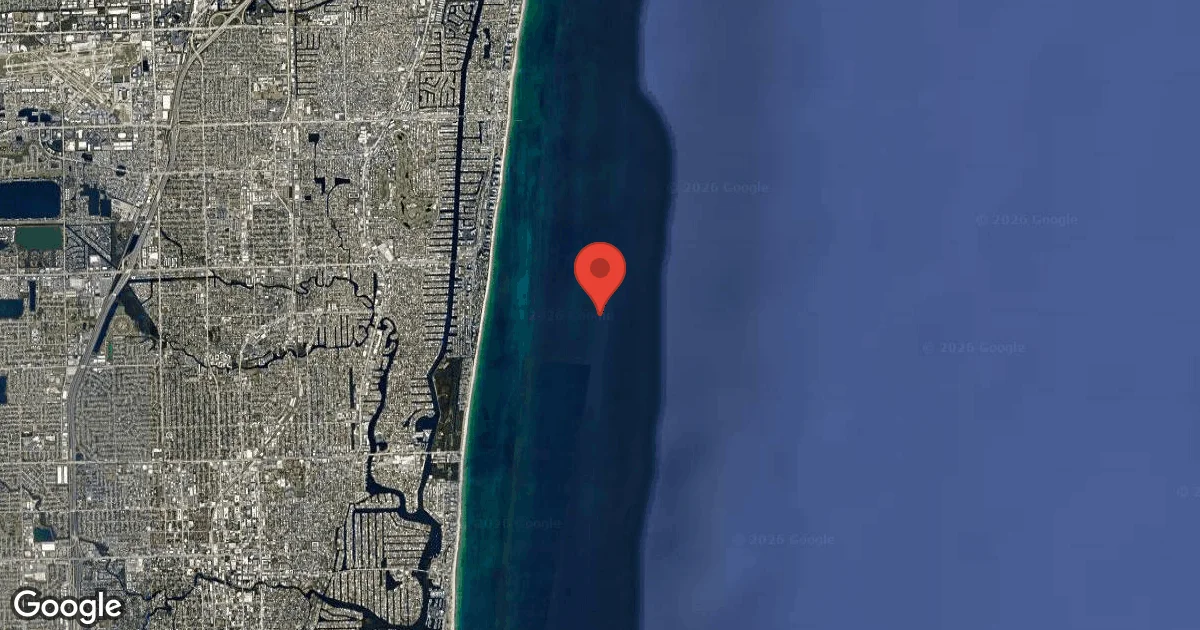
Tenneco Towers, once Gulf of Mexico oil and gas exploration platforms, found new purpose when intentionally sunk offshore South Florida in 1985. Donated by Tenneco Oil Company, these structures became a key component of the Broward County Artificial Reef Program. This conversion transformed industrial remnants into a thriving underwater habitat, establishing them as a popular dive destination on Florida's southeast coast. Divers now explore these towering constructions, observing their evolution into a vibrant artificial reef ecosystem.
Evening condition tracking at Tenneco Towers Deep features an air temperature of 27.5°C. We have recorded wave heights measuring 0.6 m during this period. These figures outline the environmental parameters currently present.
Dive Site Location & Key Facts
Dive Site Overview
Comprising five decommissioned oil platforms, the Tenneco Towers form an extensive artificial reef system with varying depths, inviting exploration by divers of different skill levels. Three of these structures feature top decks accessible within recreational diving limits, presenting depths from 18 m (60 ft) to 30 m (100 ft).
These substantial structures provide a multi-level experience, with their intricate metalwork now serving as the foundation for diverse marine habitats. The remaining two rigs extend significantly deeper, reaching depths of up to 60 m (200 ft), primarily catering to technical diving and fishery interests, offering a more advanced challenge.
Characterized by wreck elements resting on a sandy bottom, navigating its complex submerged constructions requires careful buoyancy control and an understanding of the site's layout. Divers will observe how soft corals and sponges have extensively colonized the platforms, creating an almost carpet-like covering across the aged metal, transforming industrial remnants into a vibrant living reef.
It's an immersive experience for those interested in industrial heritage repurposed for marine life. Entry to these structures is exclusively by boat, typically departing from Port Everglades, and the site is recognized for its extensive wreck diving opportunities.
Conditions are Excellent
07:00 - 14:00
Optimal conditions expected
Current conditions near Tenneco Towers Deep show 27° air, 31° sea temperature, 0.6 m waves, and 12 km/h wind. Forecast data is refreshed regularly to ensure accuracy.
Best Time to Dive
Optimizing visibility is a key consideration when planning a dive at Tenneco Towers, which can generally extend up to 25 m (80 ft). The months from June to September often provide the warmest water temperatures, averaging 27-29°C (80-84°F), alongside average air temperatures between 27°C (81°F) and 28°C (82°F). During this period, wave heights tend to be lower, generally around 0.4-0.7 meters, which can contribute to better surface conditions and potentially clearer waters. However, divers should be mindful of the increased likelihood of frequent thunderstorms, which, while usually brief, can impact surface conditions and boat schedules. The colder and drier season, spanning December to February, sees air temperatures averaging 19.5°C (67°F) to 20°C (68°F). While less prone to thunderstorms, wave heights can be slightly higher, around 0.9-1.0 meters, which might affect visibility and dive comfort. Overall, consistent good dive scores are reported throughout most of the year, but July often stands out with an 'Excellent' dive score, indicating favorable conditions.
PEAK SEASON SCORE
Scores combine air & water temps, waves, wind & rainfall for overall conditions.
BEST MONTHS TO DIVE
Monthly records compiled from satellite and marine observation nodes over the last 3 years. Data provided by Open-Meteo and MET Norway.
Dive Experience & Conditions
The depth profile at Tenneco Towers provides a range of experiences, primarily appealing to advanced divers due to the structures' considerable depths. Recreational divers typically explore the shallower sections, where top decks of the platforms are found at around 18 m (60 ft) to 30 m (100 ft). For those with Advanced Open Water certification and Deep Diver Specialist training, descending to the maximum recreational depth of around 36-40 m (120-130 ft) allows for more extensive exploration. Technical divers, particularly PADI Tec 40 certified individuals, can venture beyond recreational limits to other rigs situated at deeper levels, reaching up to 60 m (200 ft). The water here is consistently saltwater, and conditions can vary, though generally moderate. Surface access is exclusively via boat, requiring divers to be comfortable with open water entries and exits. While the shallower depths are a good starting point for moderately experienced divers, deeper sections demand precise buoyancy control and careful dive planning given the potential for current variations not consistently reported.
Dive Difficulty & Safety Guidelines
Diving at Tenneco Towers necessitates adherence to advanced safety protocols, particularly given its depth and wreck environment. There are no specific hazards reported for this site, but general deep diving considerations apply. Divers must possess at least an Advanced Open Water certification, with Deep Diver Specialist training strongly recommended for accessing the deeper sections.
Proper gas planning, including consideration for Nitrox for extended bottom times at certain depths, is crucial. Maintaining appropriate buoyancy control around the intricate platform structures helps prevent accidental entanglement or disturbance of the delicate reef growth.
Always listen to your dive brief and follow the instructions of the dive operator. Being prepared for varying currents, which can occur on offshore sites, is also advisable.
Recommended Equipment
- Dive Computer
This gear list is based on verified equipment signals for Tenneco Towers Deep, United States. Always confirm final gear choices with your dive operator, guide, or liveaboard.
Recommended Dive Suit
Forecasts suggest a slight cooling pattern in the days ahead. Cooler days are ahead; you might want a warmer option for later in the week. Divers planning multiple dives may appreciate having a warmer option available.
Factors such as dive duration, depth, and activity level can influence how warm a diver feels underwater.
Dive skin or rash guard typically balances flexibility and thermal protection in these temperatures. The latest environmental readings for Tenneco Towers Deep suggest water temperatures around 31°C (88°F). Surface air temperatures are resting at 27°C (81°F).
Emergency & Medical Support
Essential information to help you plan your dive trip to Tenneco Towers Deep.

Hyperbaric chambers are a critical part of dive safety infrastructure. Availability varies significantly by region, and not all dive areas have immediate access.
Before diving, it's recommended to:
- confirm nearest medical facilities
- check emergency procedures with local dive operators
- ensure dive insurance covers evacuation if required
Divers Alert Network
Diving emergency assistance available through DAN World.
+1-919-684-9111- 24/7 emergency hotline
- Diving medical assistance
- Evacuation coordination
Emergency contacts are provided for reference. Always verify local emergency services before diving.
Marine Life at Tenneco Towers Deep
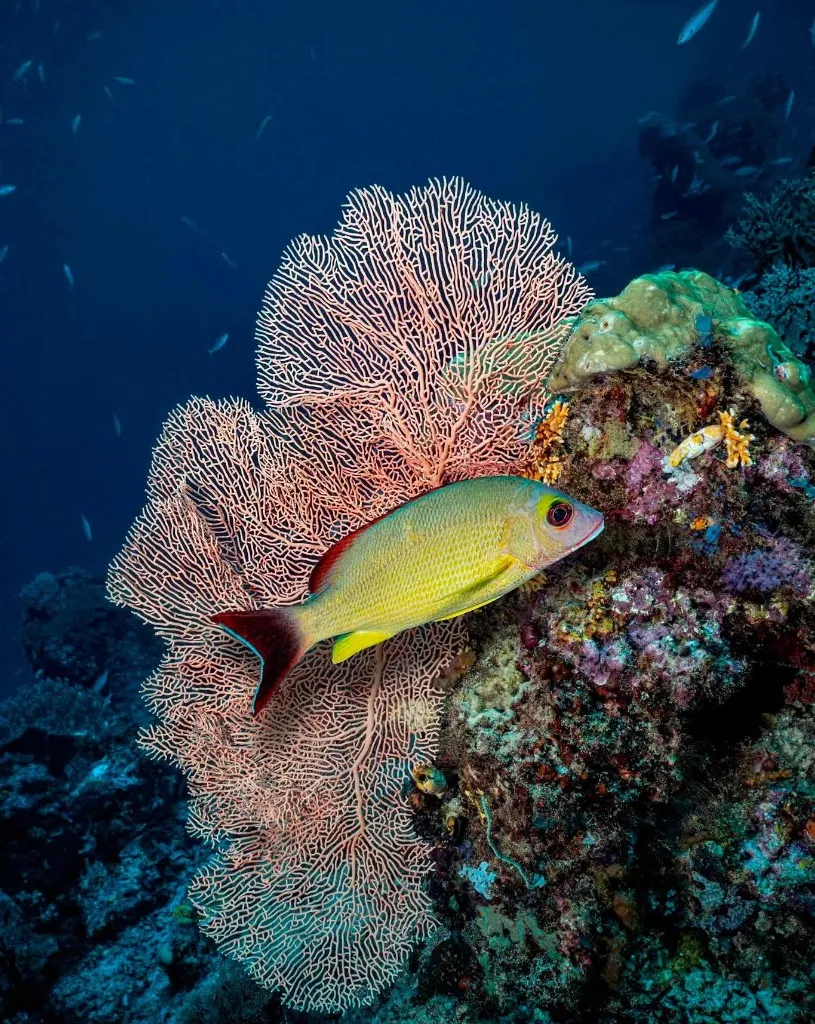
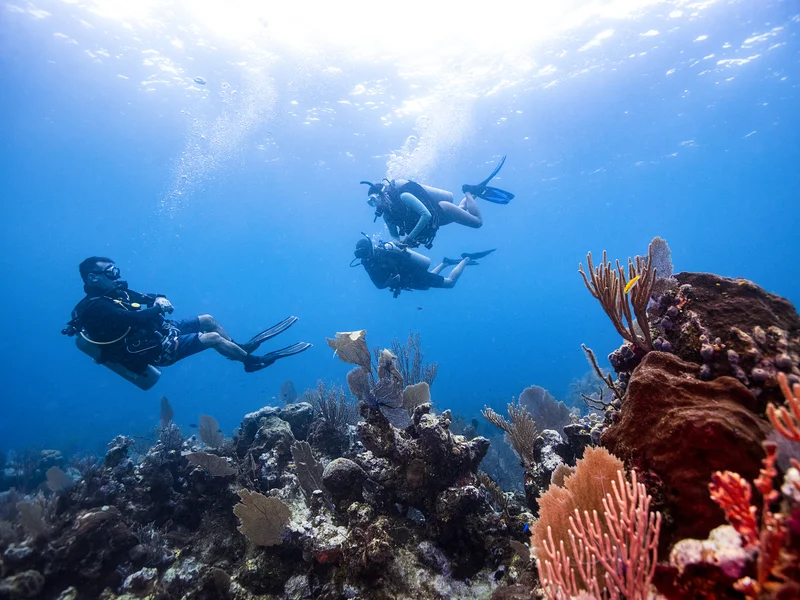
Upon descending into the Tenneco Towers, divers often first notice the extensive colonization of soft corals and various sponges that carpet the platforms' metallic surfaces. The artificial reef pulses with life.
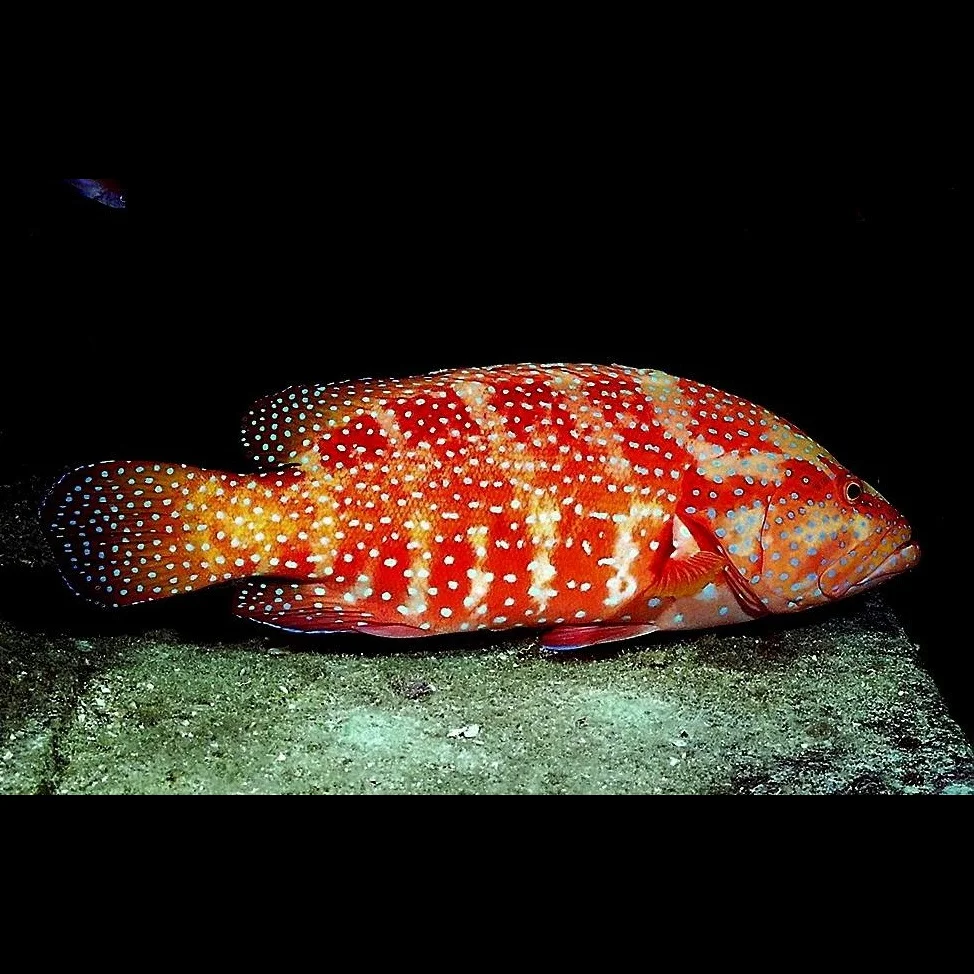
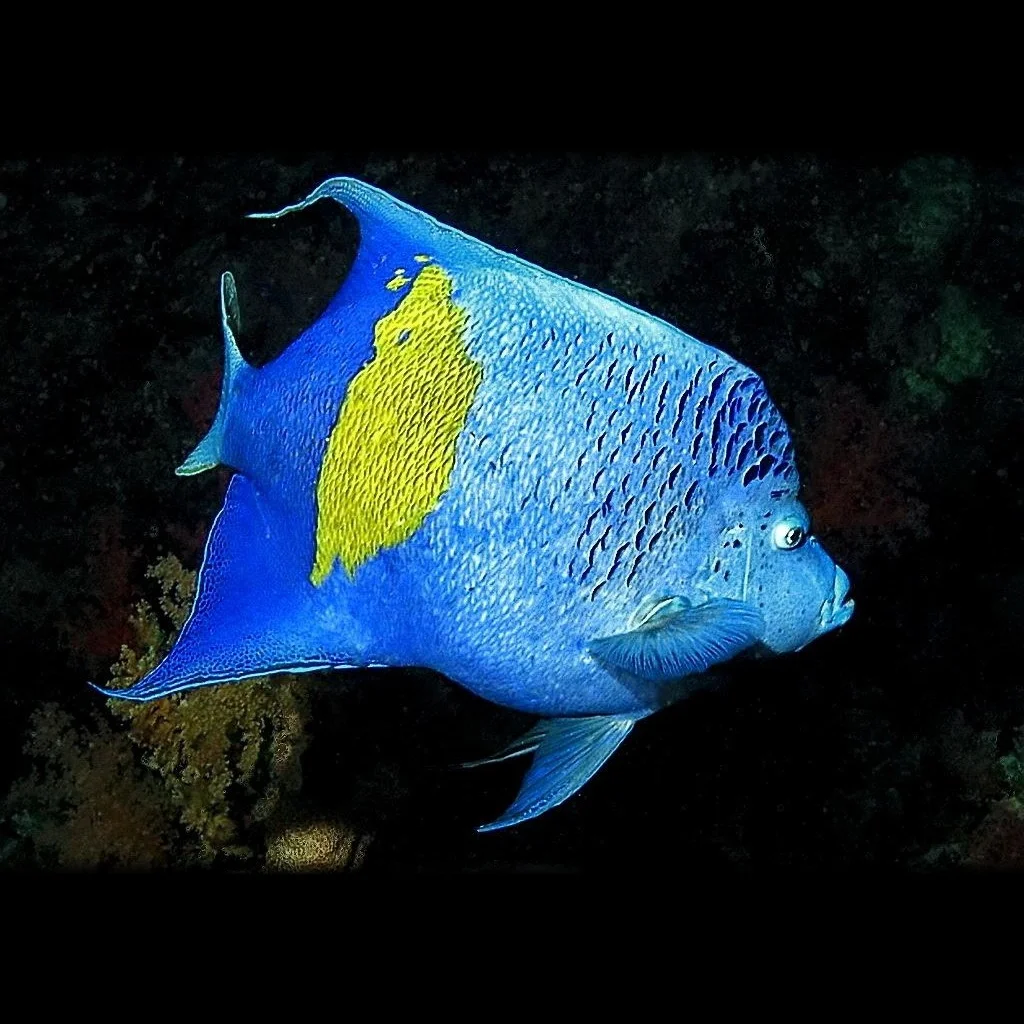
Many reef fish, including angelfish, hogfish, groupers, snappers, and jacks, are commonly observed navigating the structures. Keep an eye out for green turtles as they glide past.
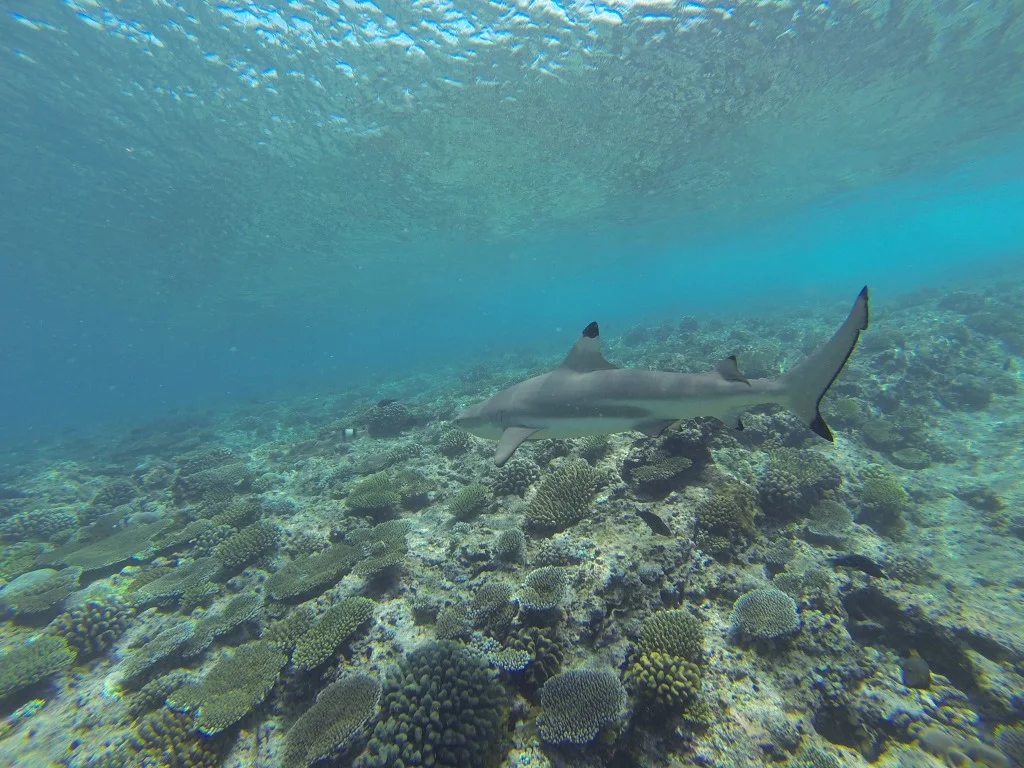
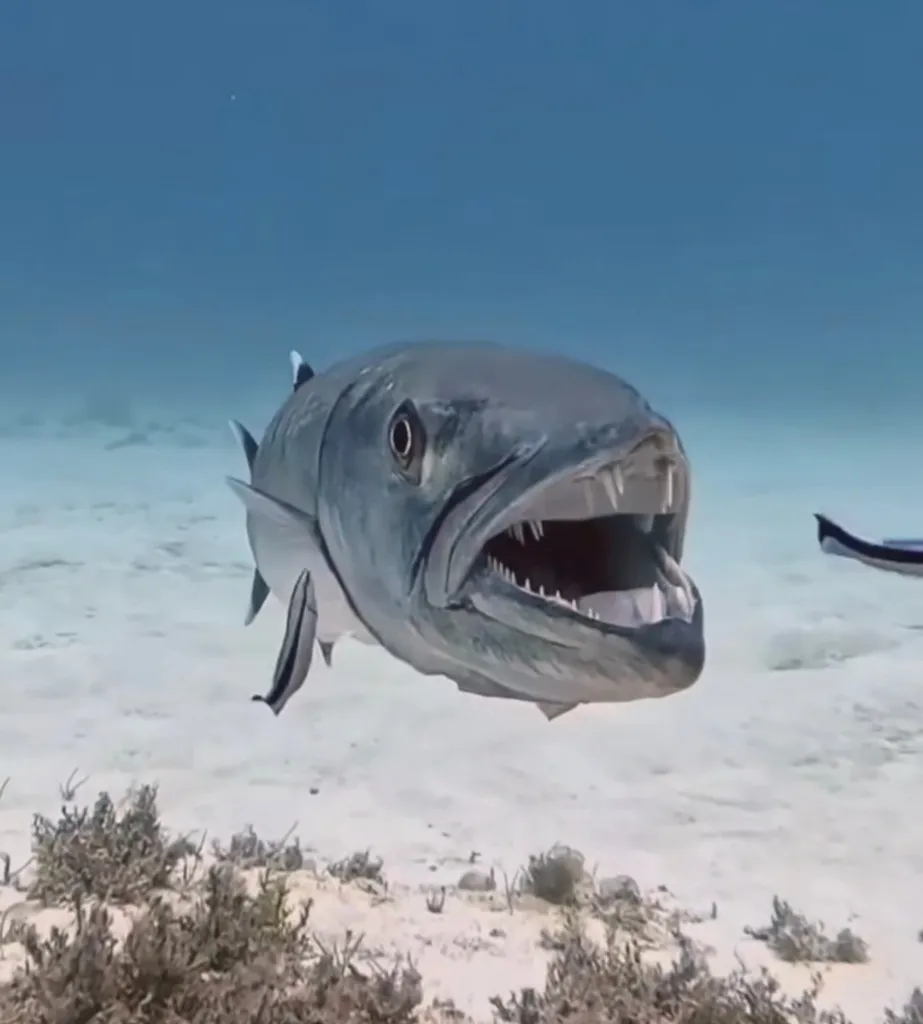
Pelagic species like barracudas, tunas, and various sharks also patrol the periphery, adding an element of excitement to the dive. An unusual sensory highlight is the subtle yet distinct sounds produced by the multitude of crustaceans living within the wreck.
Dive Sites Near Tenneco Towers Deep
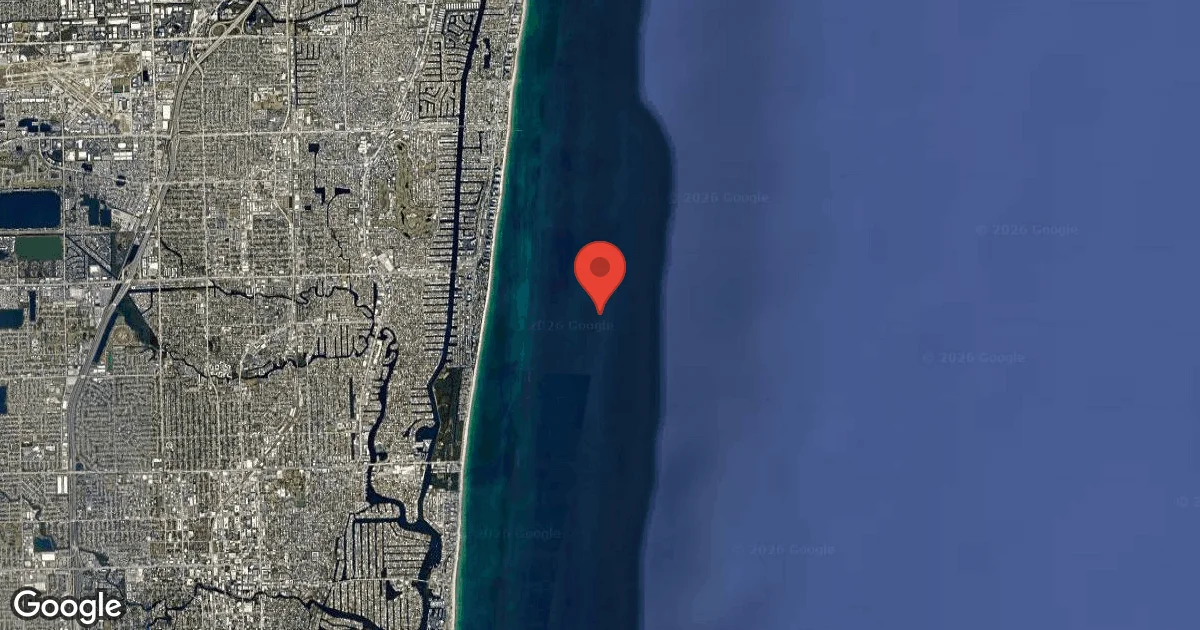
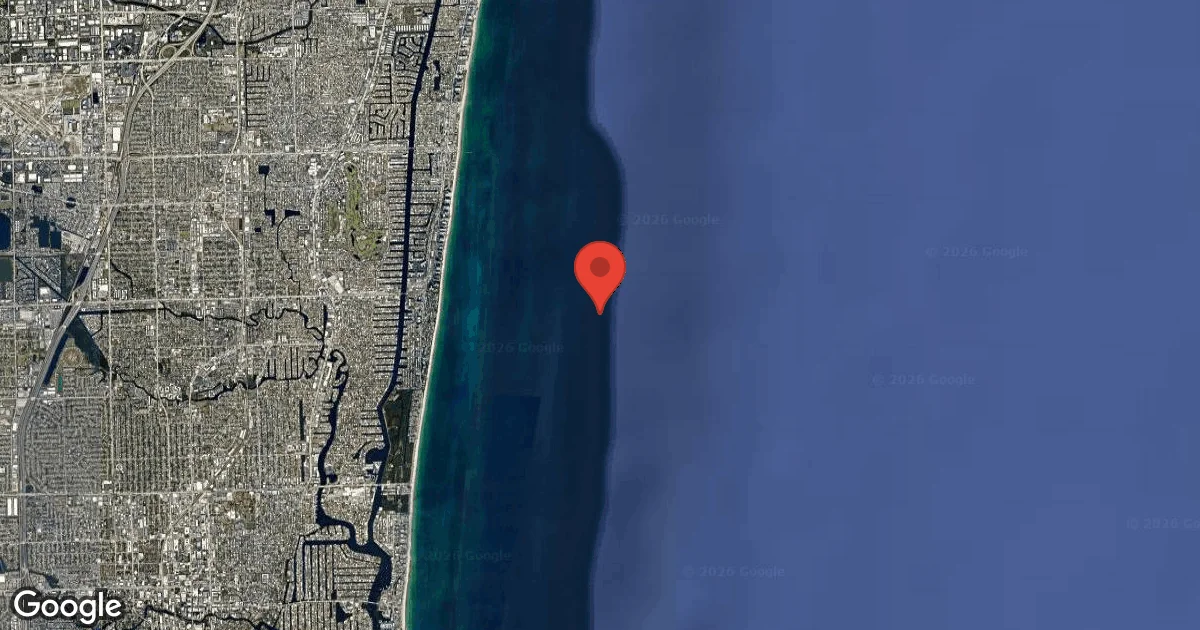
View all dive sites in United StatesDiscover more underwater gems in this area.
Dive Centers Near Tenneco Towers Deep
Today: 09:00 - 17:00
Nearest Airports
Nearest airports to help plan travel to this dive area.
Search Flights
Check available flights and routes on Expedia, using the nearby airports listed in this section.
Search Flights on Expedia
Plan Your Stay
Looking for a place to stay for your dive trip? Explore hotels, stays, and vacation rentals for dive groups near Golden Beach.
Dive Navigator may earn a commission from these links at no extra cost to you.
Frequently Asked Questions
What is the Tenneco Towers dive site?
A series of five decommissioned oil platforms, the Tenneco Towers were intentionally sunk in 1985 to create an artificial reef off the South Florida coast. They serve as a popular dive destination, offering extensive wreck exploration opportunities.
What are the typical depths for diving at Tenneco Towers?
Recreational divers can explore top decks ranging from 18 m (60 ft) to 30 m (100 ft), with maximum recreational depths reaching 36-40 m (120-130 ft). Technical divers can access deeper structures down to 60 m (200 ft).
What kind of marine life can I expect to see?
A rich variety of marine life inhabits the towers, including extensive soft corals and sponges, reef fish like angelfish and hogfish, and larger pelagics such as barracudas, tunas, and sharks. Green turtles are also common sightings.
What certification level is required for Tenneco Towers?
An Advanced Open Water Diver certification is generally required due to the depth. For deeper sections, a Deep Diver Specialist certification or PADI Tec 40 certification is recommended or necessary.
What are the best months for diving this site?
Diving is good year-round, but June to September offers the warmest water temperatures and generally lower waves. July often has excellent conditions, though thunderstorms are more frequent in summer.
Is Nitrox recommended for diving Tenneco Towers?
Yes, Nitrox is highly recommended, especially for divers planning to explore the deeper sections or seeking extended bottom times at various depths. It aids in maximizing non-decompression limits.
How do divers access the Tenneco Towers?
Access to the Tenneco Towers is exclusively by boat. Dive charters typically depart from local marinas, such as those in Port Everglades.
Planning to dive Tenneco Towers Deep?
Send one inquiry and receive offers directly from the best verified local dive operators.
Conditions are Excellent
07:00 - 14:00
Optimal conditions expected
Current conditions near Tenneco Towers Deep show 27° air, 31° sea temperature, 0.6 m waves, and 12 km/h wind. Forecast data is refreshed regularly to ensure accuracy.