
Diving at Cave Bay (New Zealand)
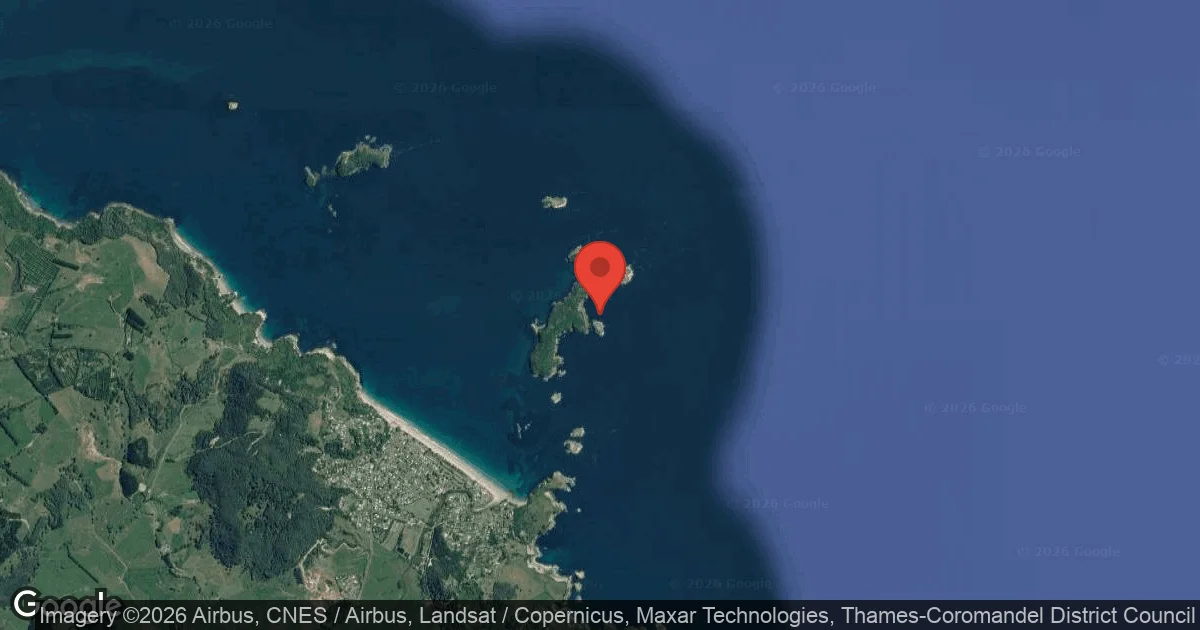
Cave Bay, positioned on the east side of New Zealand's Poor Knights Islands, presents a varied underwater structure. This site descends over large boulders, gradually tapering from a shallow 5 m (16 ft) at its rear to deeper sections approaching 60-70 m (197-230 ft) towards the open ocean. A distinct side gut on the left narrows as it extends inward, featuring a finger of rock that descends about 10 meters underwater. On the right, a sheer rock wall runs alongside a sandy strip at its base.
Evening condition tracking at Cave Bay features an air temperature of 16.5°C. We have recorded wave heights measuring 0.9 m during this period. These figures outline the environmental parameters currently present.
Dive Site Location & Key Facts
Dive Site Overview
Exploring Cave Bay reveals a dive site characterized by its prominent boulders and expansive kelp forests, offering an immersive experience for various certification levels. Divers can navigate a broad spectrum of depths, from just 5 m (16 ft) in the sheltered inner bay to recreational depths averaging 23 m (75 ft), with extended excursions reaching 60-70 m (197-230 ft) suitable for technical divers.
Access to the site is exclusively by boat, typically encountering average water temperatures between 14-19°C (57-66°F). Visibility varies depending on conditions, often observed between 10 m (33 ft) and 25 m (82 ft). Current activity here is typically moderate, around 1 knot, though it can intensify, particularly during easterly sea conditions which may affect site accessibility.
Divers will find the bay narrowing towards the back, where a distinct gut creates a unique pooling area for schooling fish. Throughout the dive, the blend of rocky terrain and kelp offers abundant opportunities for discovery.
Conditions are Moderate
High Wind Advisory (49km/h). Unsafe surface.
Current conditions near Cave Bay show 17° air, 16° sea temperature, 0.9 m waves, and 49 km/h wind. Forecast data is refreshed regularly to ensure accuracy.
Best Time to Dive
Optimal diving conditions at Cave Bay are frequently experienced during the warmer months, generally from January through March, and then again from August to December. During January, air temperatures average around 19.5°C (67°F), with February and March also seeing comfortable averages near 19.5°C (67°F) and 17°C (63°F) respectively. Rainfall during these months is generally low, ranging from 2-7mm, contributing to stable conditions. While the period from April to July often presents moderate dive scores due to cooler air temperatures, typically between 11-17°C (51.8-62.6°F), diving remains viable. Visitation to the bay can be influenced by easterly sea conditions, which may occasionally reduce accessibility. Divers planning trips in September and November might encounter more variable visibility, sometimes reported around 10 m (33 ft), while January, June, and July have reported excellent visibility up to 25 m (82 ft).
PEAK SEASON SCORE
Scores combine air & water temps, waves, wind & rainfall for overall conditions.
BEST MONTHS TO DIVE
Monthly records compiled from satellite and marine observation nodes over the last 3 years. Data provided by Open-Meteo and MET Norway.
Dive Experience & Conditions
Cave Bay offers a wide range of depths suitable for divers of all experience levels, from initial training dives in shallow areas to advanced technical explorations. Recreational divers commonly explore depths ranging from 5 m (16 ft) to 20-30 m (66-98 ft), though the site technically drops to 60-70 m (197-230 ft). The underwater landscape is dominated by large boulders and thriving kelp forests, particularly featuring Ecklonia kelp and seasonal sea lettuce. This environment creates numerous crevices and hiding spots for marine life. A notable feature is the narrow side gut, approximately 5 meters across at its front, which serves as a gathering point for schooling fish like Demoiselles and Blue Maomao. Throughout the bay, currents can vary, with reports indicating potential for strong surges, especially when exposed to easterly sea conditions. Visibility is not consistently reported but generally ranges between 10 m (33 ft) and 25 m (82 ft), influenced by seasonal factors. Water temperatures typically range from 14-19°C (57-66°F).
Dive Difficulty & Safety Guidelines
Divers approaching Cave Bay should be aware of the site's exposure to easterly sea conditions, which can lead to significant waves and strong surge. While typical currents are around 1 knot, conditions can intensify, making careful dive planning essential. Access is via boat only, so ensure your vessel is suitable for the prevailing sea state.
Always confirm local conditions with dive operators before entering the water, as the site is less frequently dived due to these variable factors. Pay close attention to current strength, especially when navigating the outer sections of the bay.
Consider the experience level of your dive group; while the site accommodates beginners in shallower zones, deeper areas and strong currents require experienced handling.
Recommended Equipment
Overhead environment. Do not enter beyond training and gas planning limits.
- Dive Computer
- DSMB
- Primary & Backup Lights
- Reel / Spool
- Cutting Tool
This gear list is based on verified equipment signals for Cave Bay, New Zealand. Always confirm final gear choices with your dive operator, guide, or liveaboard.
Recommended Dive Suit
5-7mm wetsuit is often considered an appropriate level of exposure protection for conditions like these. Consider warmer surface protection (like a boat coat) due to brisk winds. A thermal robe or jacket is recommended between dives.
Divers planning a dive at Cave Bay today will likely encounter water temperatures close to 16°C (60°F). Surface air temperatures are resting at 17°C (62°F).
Weather models indicate a small drop in surface temperatures later this week. A significant temperature drop is forecast; strongly suggest bringing a backup warmer suit option. Having a second exposure option available is often a good precaution.
Emergency & Medical Support
Essential information to help you plan your dive trip to Cave Bay.

Hyperbaric chambers are a critical part of dive safety infrastructure. Availability varies significantly by region, and not all dive areas have immediate access.
Before diving, it's recommended to:
- confirm nearest medical facilities
- check emergency procedures with local dive operators
- ensure dive insurance covers evacuation if required
Divers Alert Network
Diving emergency assistance available through DAN World.
+1-919-684-9111- 24/7 emergency hotline
- Diving medical assistance
- Evacuation coordination
Emergency contacts are provided for reference. Always verify local emergency services before diving.
Marine Life at Cave Bay
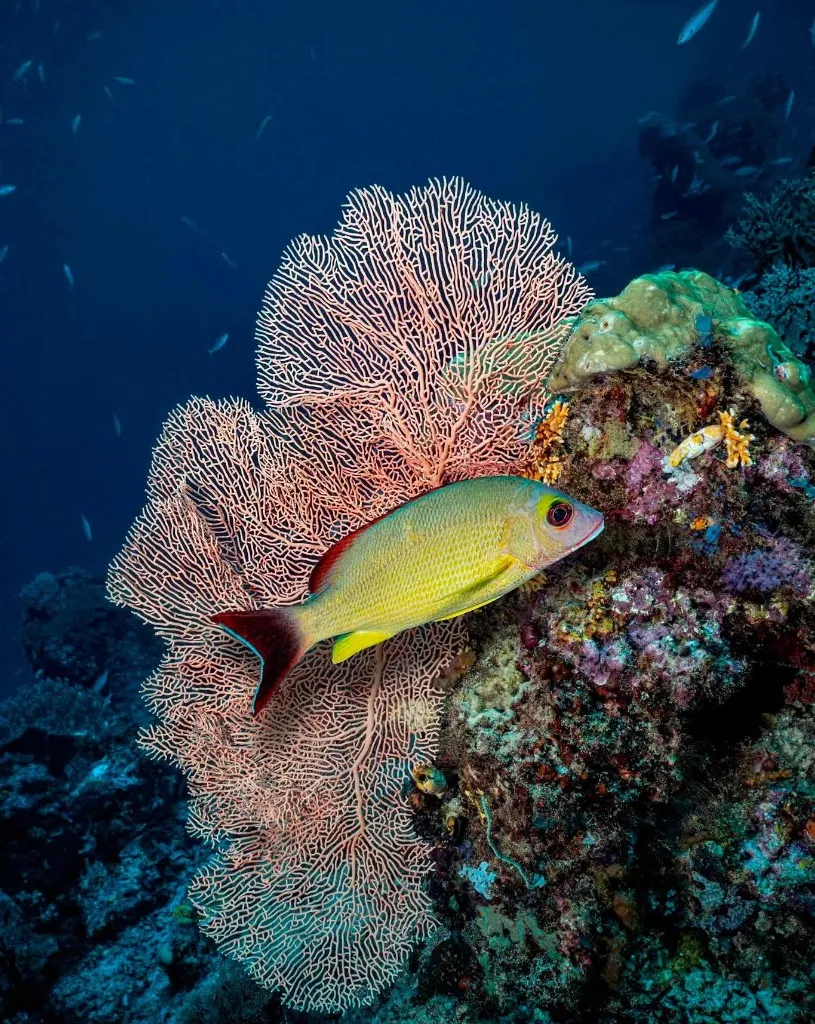
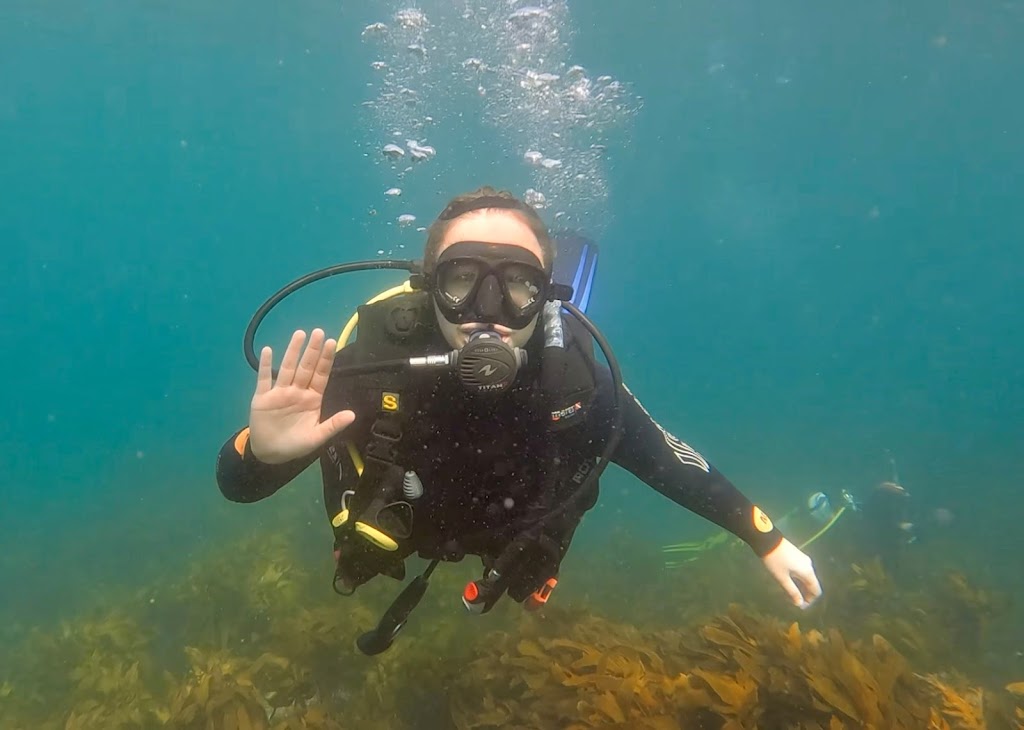
The underwater landscape of Cave Bay, characterized by its large boulders, dense Ecklonia kelp, and seasonal sea lettuce, provides a rich habitat for a variety of marine species. Divers will frequently encounter Snapper and observe schooling fish such as Demoiselles and Blue Maomao.
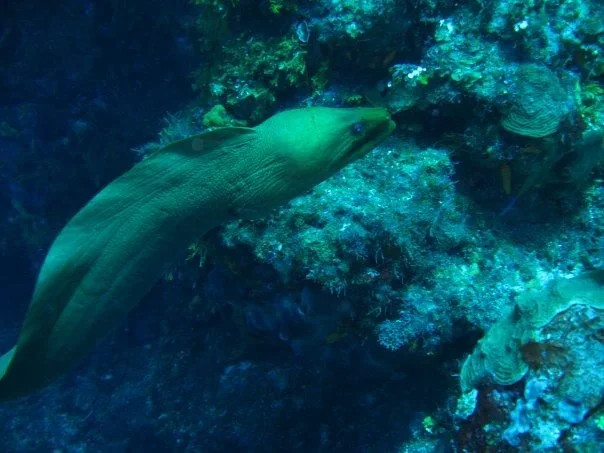
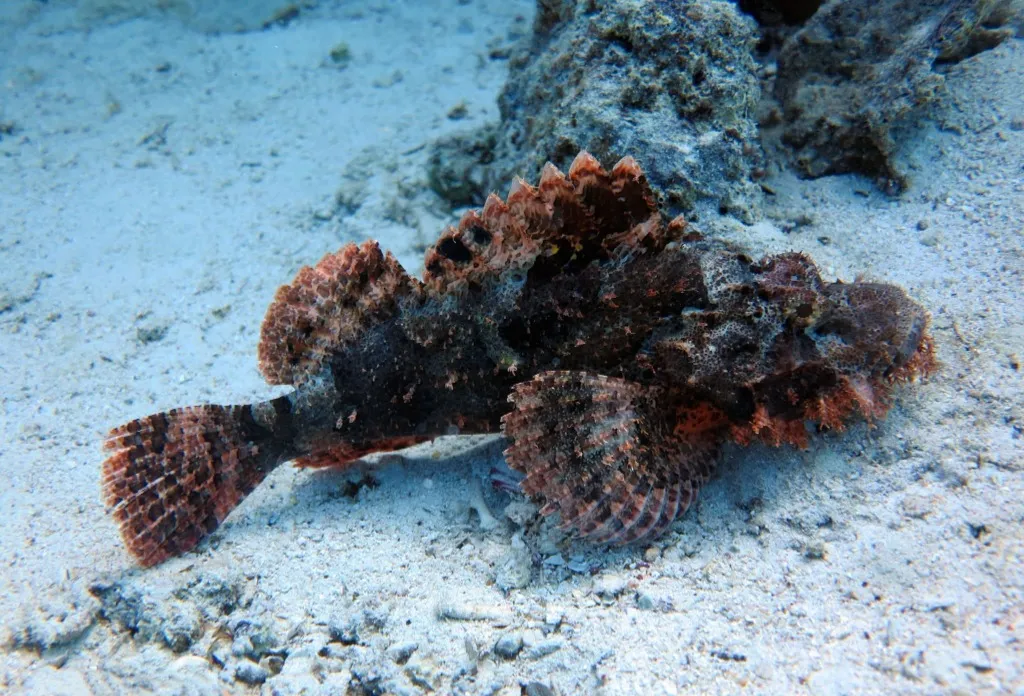
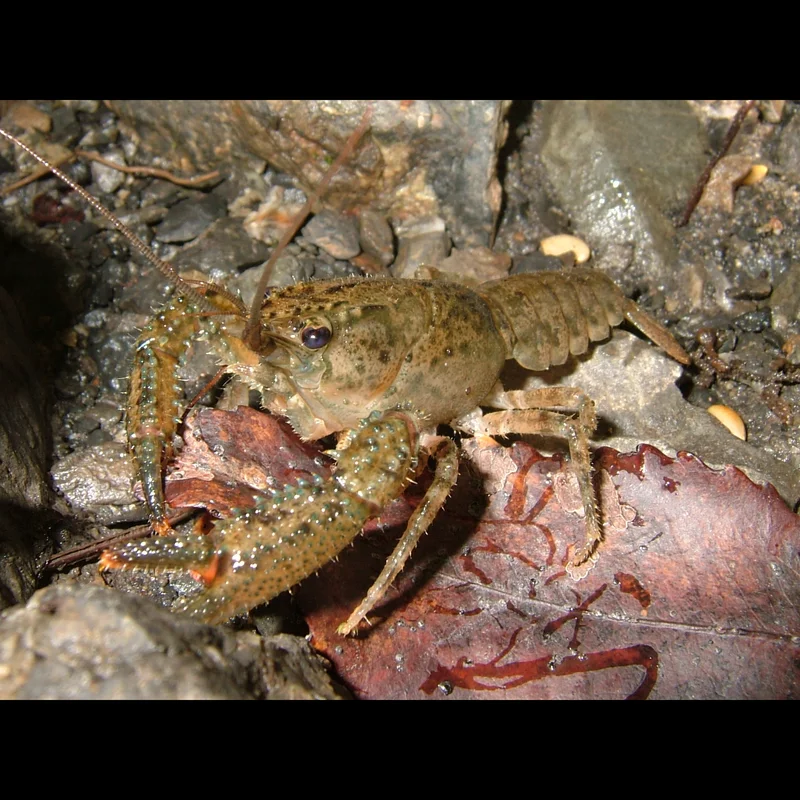
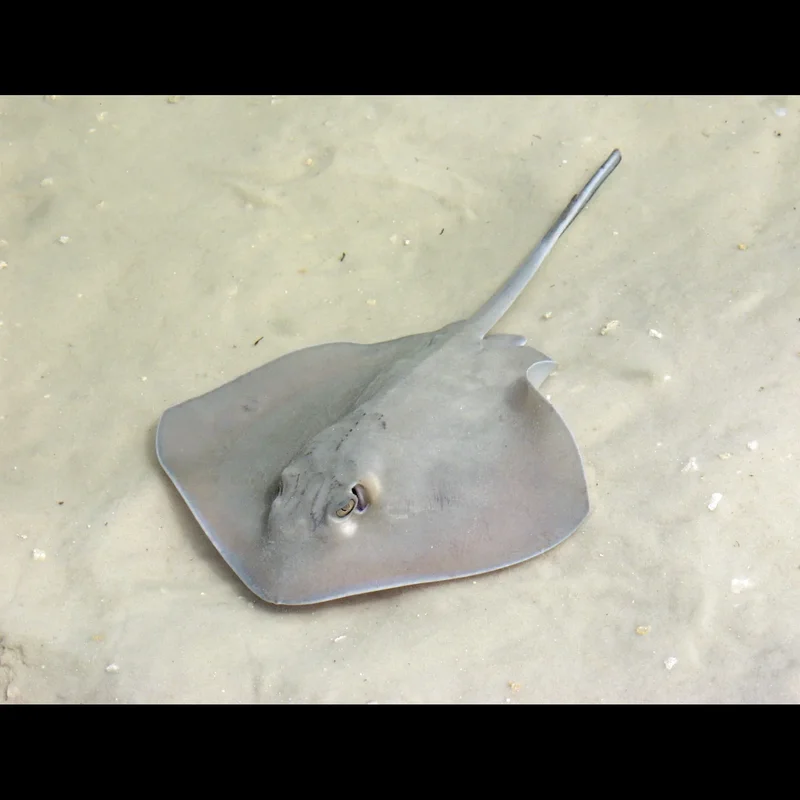
Exploring the rocky bottom may reveal Stingrays nestled in sandy strips, along with Crayfish, Scorpionfish, and various Eels, including Moray Eels. Firebrick starfish and species like Butterfish and Black Angelfish also inhabit the area.
Look up to spot schools of Koheru and the occasional hunting Kingfish, adding an active pelagic element to the dive experience. Wrasses and Porae are common companions throughout the bay.
Dive Sites Near Cave Bay
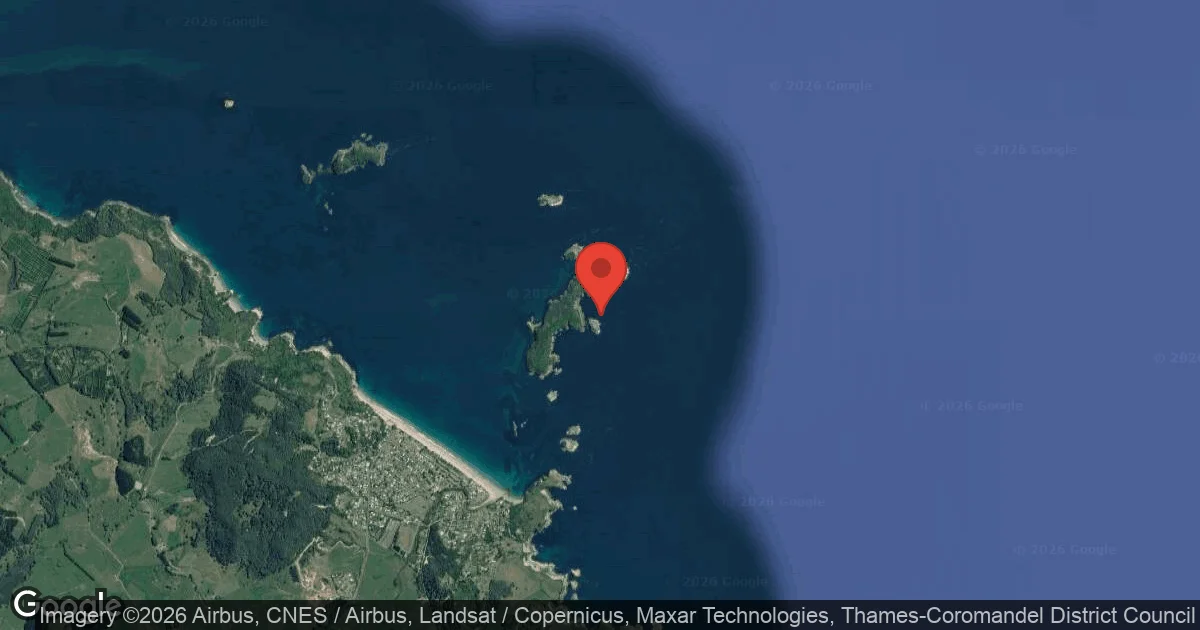
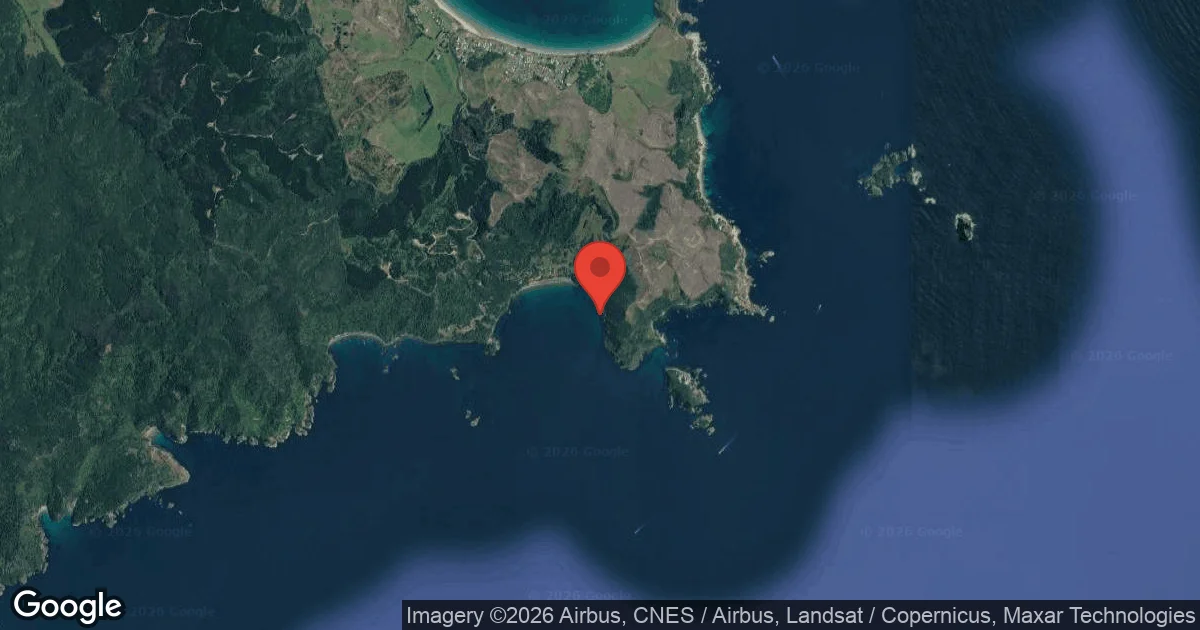
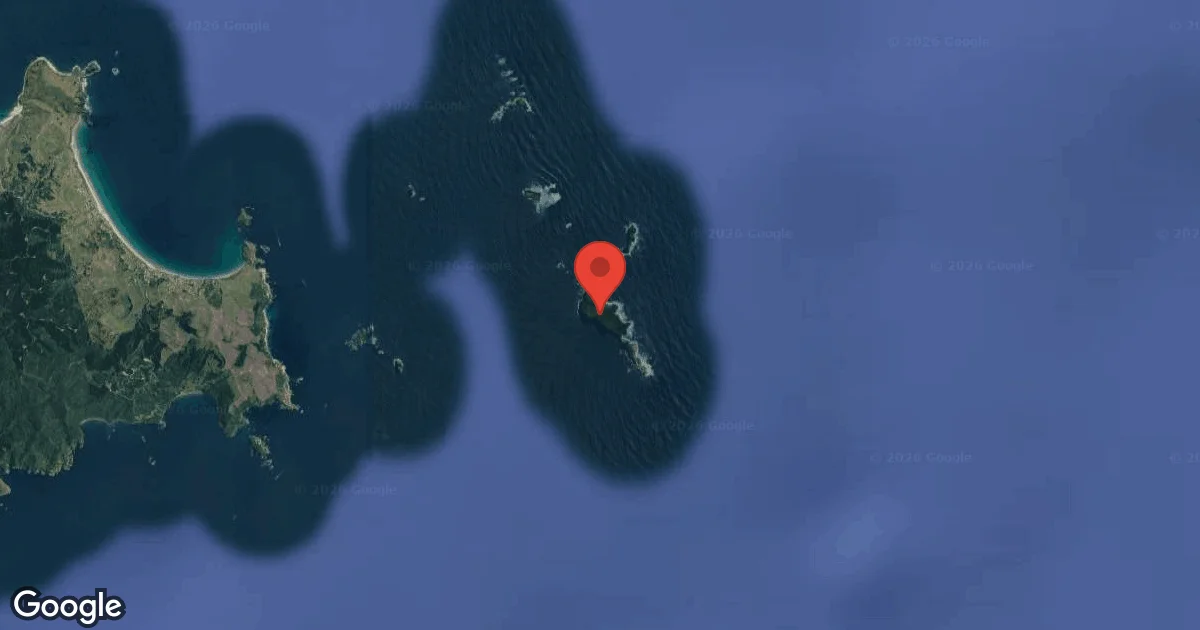
View all dive sites in New ZealandDiscover more underwater gems in this area.
Dive Centers Near Cave Bay
Nearest Airports
Nearest airports to help plan travel to this dive area.
Search Flights
Check available flights and routes on Expedia, using the nearby airports listed in this section.
Search Flights on ExpediaFrequently Asked Questions
What is the typical depth range at Cave Bay?
Cave Bay offers a broad depth profile, ranging from a shallow 5 m (16 ft) at the back of the bay to deeper sections that descend 60-70 m (197-230 ft) towards the open ocean. This makes it suitable for divers across all certification levels, from beginner to technical.
What are the usual water temperatures experienced at this dive site?
Water temperatures at Cave Bay typically fluctuate between 14°C (57°F) and 19°C (66°F). Conditions can vary seasonally, with warmer temperatures generally observed during the summer months.
Is Cave Bay suitable for novice divers?
Yes, Cave Bay accommodates divers of all experience levels. While deeper areas are available for technical diving, the shallower sections, starting at 5 meters, provide an excellent environment for less experienced divers or those undergoing training.
What type of marine life can divers expect to see?
Divers at Cave Bay often encounter Snapper, Moray Eels, and various schooling fish like Demoiselles and Blue Maomao. The site is also home to Stingrays, Crayfish, Scorpionfish, Black Angelfish, and occasionally Kingfish, amidst its rocky and kelp-filled environment.
How strong are the currents at Cave Bay?
Currents at Cave Bay are generally moderate, averaging around 1 knot. However, strong currents and surge can occur, particularly when the site is exposed to easterly sea conditions. Divers should always assess current strength before entering the water.
What is the primary access method for diving Cave Bay?
Access to Cave Bay is exclusively by boat. There are no shore-based entry points, requiring divers to arrange transport with local dive operators to reach the site.
What is the typical visibility at Cave Bay?
Visibility at Cave Bay is not consistently reported but has been observed to range from 10 m (33 ft) to 25 m (82 ft). Conditions can vary based on season and recent weather patterns, including sea state and rainfall.
Planning to dive Cave Bay?
Send one inquiry and receive offers directly from the best verified local dive operators.
Conditions are Moderate
High Wind Advisory (49km/h). Unsafe surface.
Current conditions near Cave Bay show 17° air, 16° sea temperature, 0.9 m waves, and 49 km/h wind. Forecast data is refreshed regularly to ensure accuracy.