
Diving at Mahurangi Island (New Zealand)
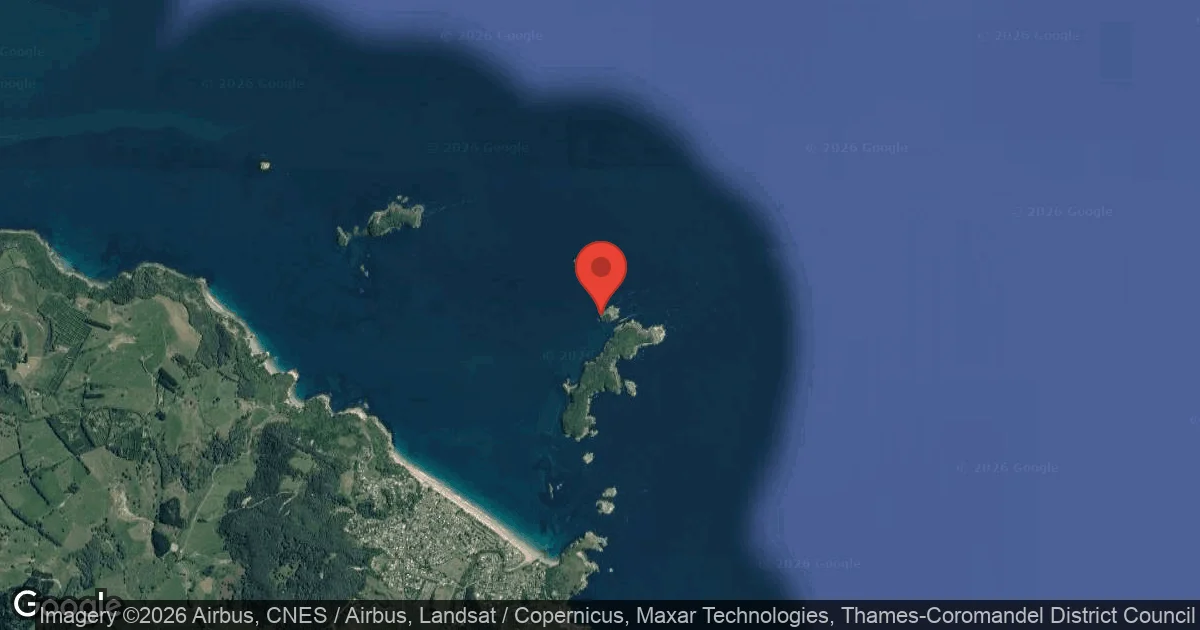
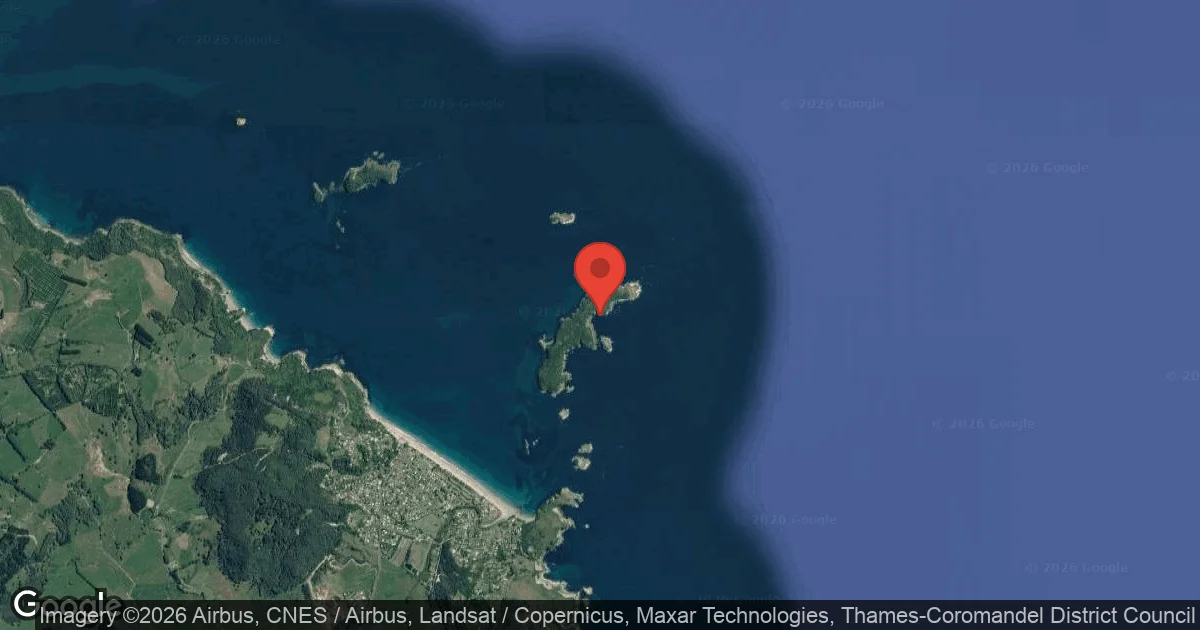
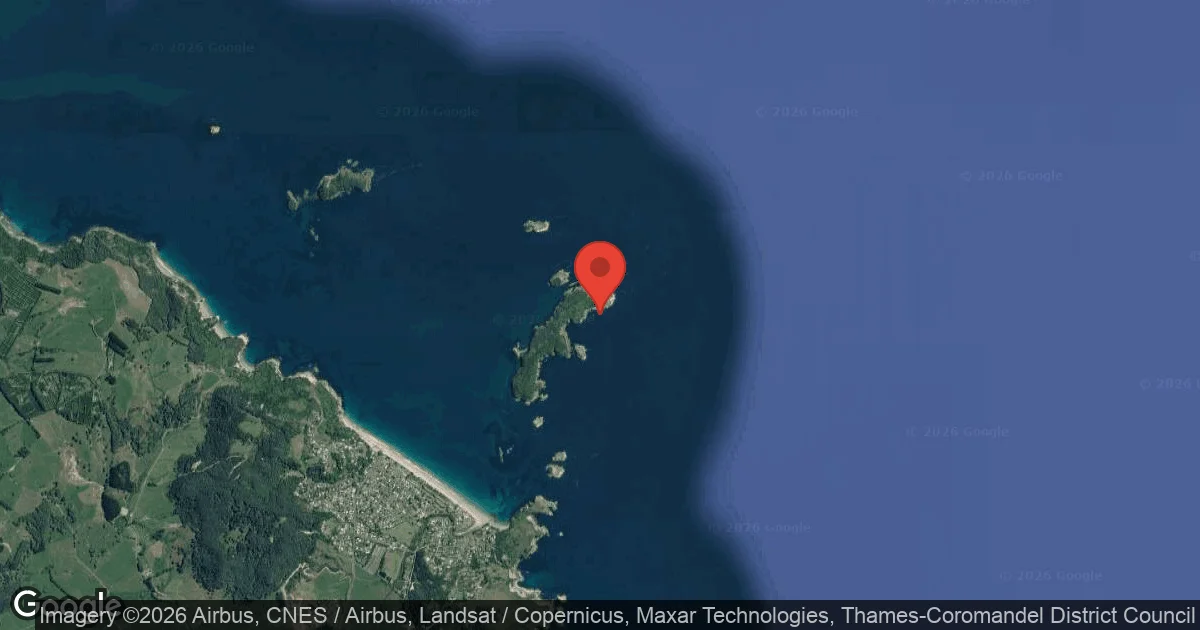
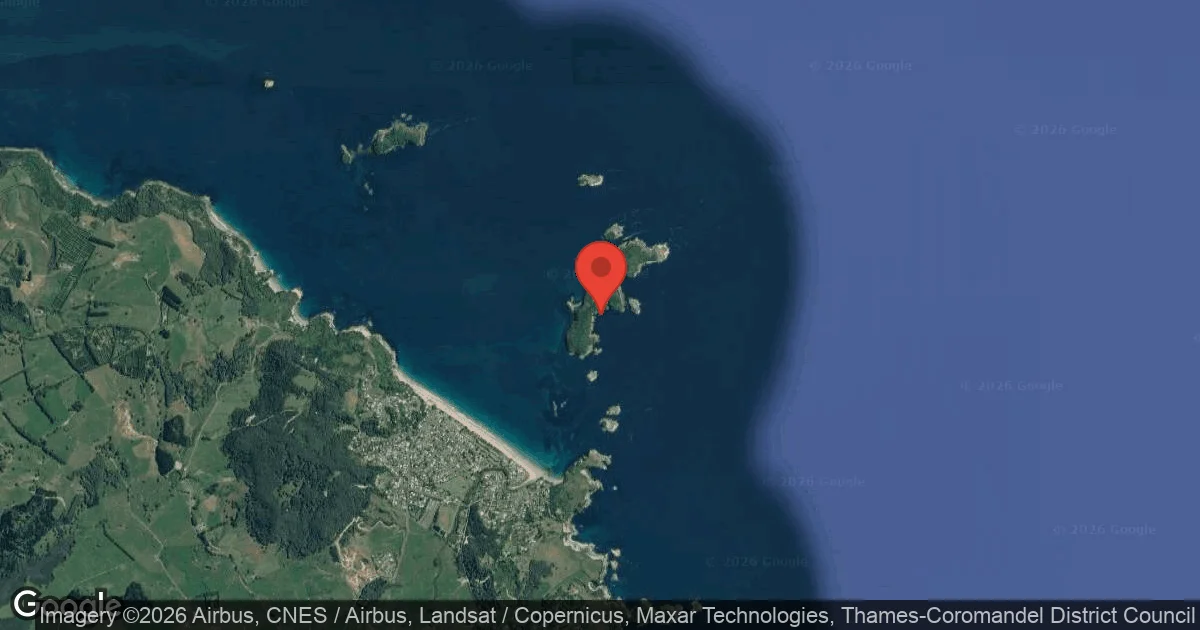
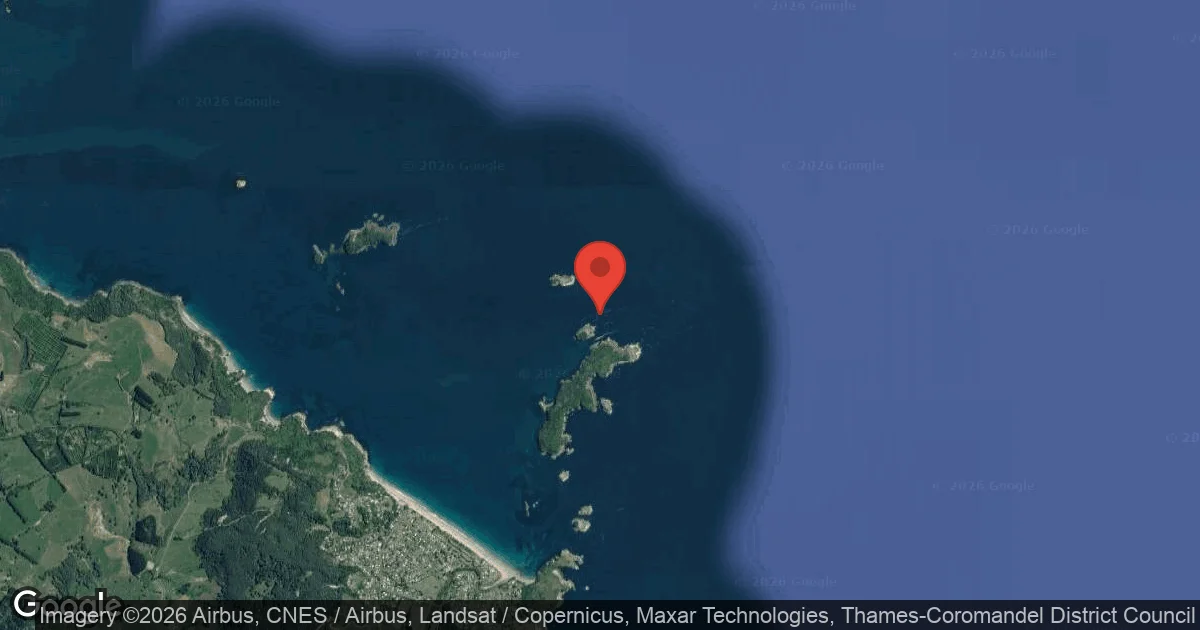
Descending into the waters around Mahurangi Island reveals a striking contrast of marine environments, from shallow, kelp-fringed shores to dramatic drop-offs and intriguing sandy expanses. Mahurangi Island's dive destination, situated on the edge of the Te-Whanganui-A-Hei Marine Reserve, offers a maximum depth of 18 m (59 ft). Divers can explore varied topography that seamlessly transitions between vibrant reef structures and soft, sandy bottoms.
Tonight's objective overview for Mahurangi Island shows an air temperature of 16.5°C. The measured surface conditions include wave heights around 0.9 m. This environmental data is logged for the close of the day.
Dive Site Location & Key Facts
Dive Site Overview
Underwater topography surrounding Mahurangi Island provides a diverse array of dive experiences, catering to various interests. Southern side of the island features sites like Spectacle Reef, where dives typically begin in shallow water before navigating the reef heading south, reaching depths of 18-20 m (59-66 ft) with clear conditions.
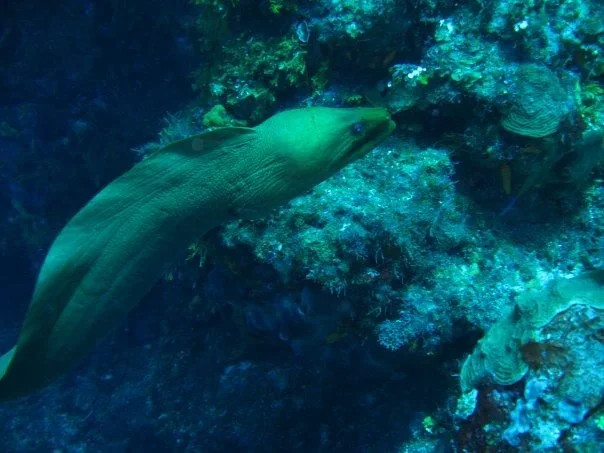
Russ's Revine, found on the southern side of Mahurangi Island and adjoining Te Tio Island, boasts a notable swim-through around 28 m (92 ft) deep, its walls covered in colorful jewel anemones, with a pinnacle rising to 5 m (16 ft). For those who appreciate wall diving, this site is particularly engaging. Nearby, Tractor Bay, just outside the reserve boundary, is distinctive for two tractors that have rested on the sand since 1985, creating homes for moray and conger eels.
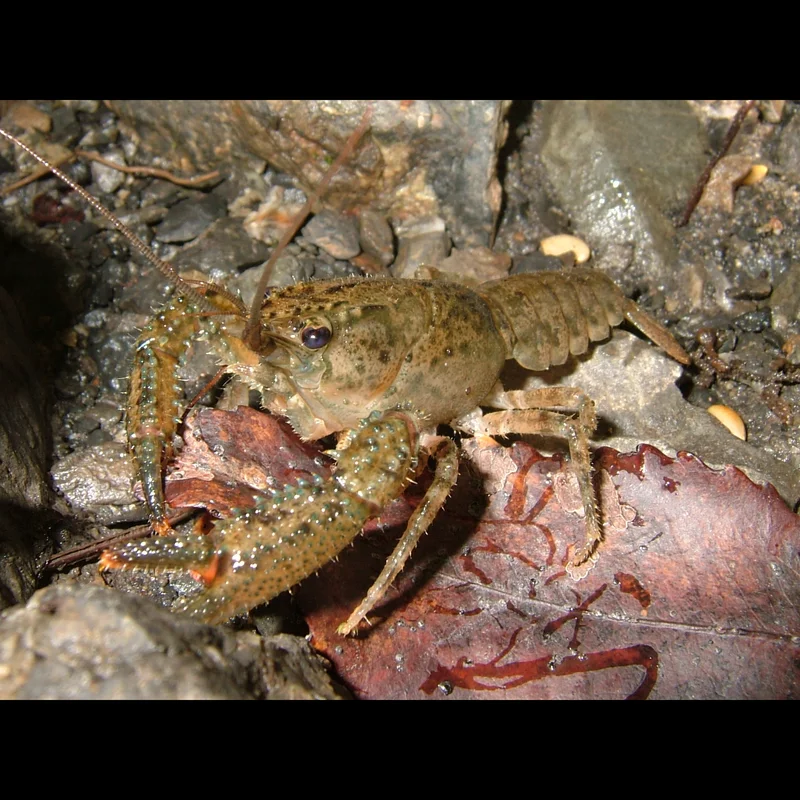
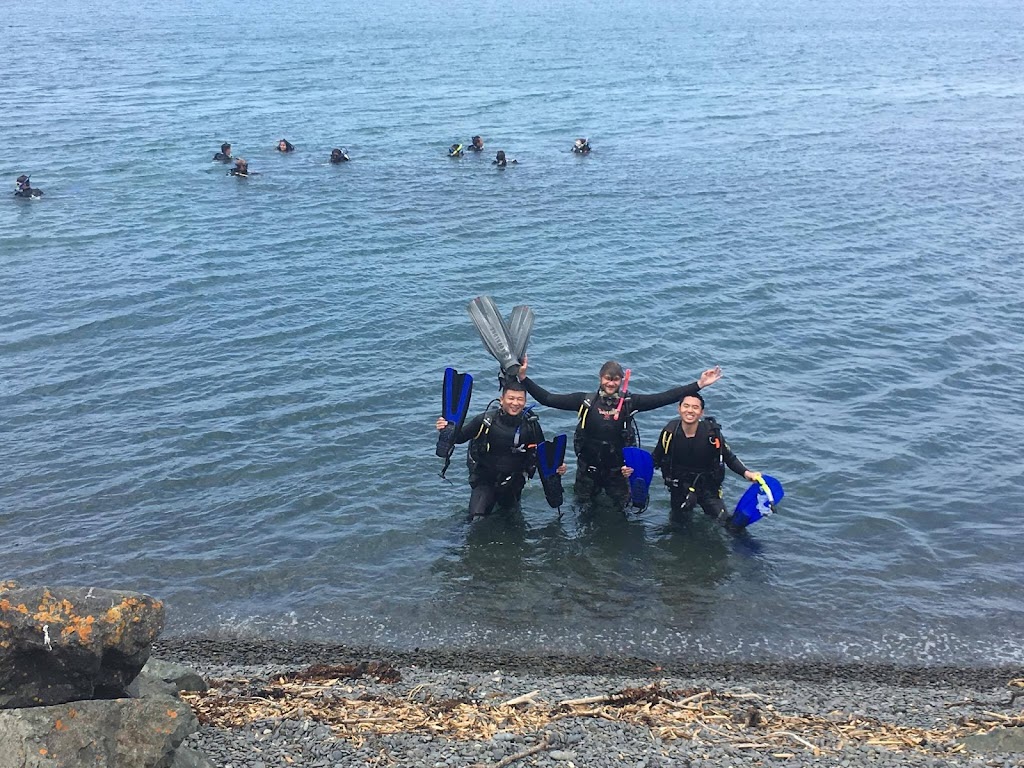
A shallow edge of Tractor Bay is excellent for exploring kelp beds and searching for crayfish, making it a common area for Open Water training.
Conditions are Moderate
High Wind Advisory (49km/h). Unsafe surface.
Current conditions near Mahurangi Island show 17° air, 16° sea temperature, 0.9 m waves, and 49 km/h wind. Forecast data is refreshed regularly to ensure accuracy.
Best Time to Dive
Optimizing your dive experience at Mahurangi Island often centers on conditions that enhance visibility. Months of February and March typically offer the highest dive scores, aligning with the end of summer when water clarity is generally at its best. During these periods, average air temperatures hover around 18-20°C (64-68°F), with February seeing particularly low rainfall around 2.09 mm. Generally good conditions extend through January, August, September, October, November, and December, characterized by moderate to low wave heights and air temperatures ranging from 11-20°C (52-68°F). Summer months are particularly noted for clearer water at sites like Spectacle Reef and increased sightings of rays in shallower areas. While diving is possible year-round, conditions can vary, with April through July often classified as moderate due to slightly higher wave heights and rainfall.
PEAK SEASON SCORE
Scores combine air & water temps, waves, wind & rainfall for overall conditions.
BEST MONTHS TO DIVE
Monthly records compiled from satellite and marine observation nodes over the last 3 years. Data provided by Open-Meteo and MET Norway.
Dive Experience & Conditions
Depth profiles around Mahurangi Island accommodate a range of diving preferences, from shallower training grounds to deeper exploratory sites. Most dives are conducted via boat entry, accessing various locations around the island. Tractor Bay, for instance, provides extensive shallow areas perfect for Open Water training or leisurely explorations for crayfish among the kelp. Russ's Revine offers deeper wall diving with its pinnacle rising to 5 m (16 ft) and ample opportunity to spend time at depths less than 18 m (59 ft), in a bay that provides shelter from north and west winds. Water is consistently saltwater, though specific temperature ranges are not consistently reported, they will vary seasonally, generally feeling cooler outside the peak summer months. Buoyancy control is always important to prevent disturbing bottom topography, especially in areas with finer sediment.
Dive Difficulty & Safety Guidelines
Approaching dives at Mahurangi Island requires adherence to established safety protocols and a clear understanding of the local environment. Always follow PADI Standard Safe Diving Practices. Consulting a local dive professional who is familiar with the site and its current conditions is strongly recommended before any dive.
Portions of Mahurangi Island lie within the Te-Whanganui-A-Hei Marine Reserve, meaning specific regulations apply to protect marine life. It's important to be aware of reserve boundaries, as certain activities like hunting are restricted within these protected areas.
Divers should remain attentive to boat traffic and current conditions, as these can influence the dive plan and entry/exit points.
Recommended Equipment
- Dive Computer
- DSMB
This gear list is based on verified equipment signals for Mahurangi Island, New Zealand. Always confirm final gear choices with your dive operator, guide, or liveaboard.
Recommended Dive Suit
In conditions like these, many divers prefer diving with 5-7mm wetsuit. Consider warmer surface protection (like a boat coat) due to brisk winds. A thermal robe or jacket is recommended between dives.
Current readings at Mahurangi Island show water temperatures near 16°C (60°F). Surface air temperatures are resting at 17°C (62°F).
A modest cooling trend is expected in the upcoming forecast. A significant temperature drop is forecast; strongly suggest bringing a backup warmer suit option. Having a second exposure option available is often a good precaution.
Emergency & Medical Support
Essential information to help you plan your dive trip to Mahurangi Island.

Hyperbaric chambers are a critical part of dive safety infrastructure. Availability varies significantly by region, and not all dive areas have immediate access.
Before diving, it's recommended to:
- confirm nearest medical facilities
- check emergency procedures with local dive operators
- ensure dive insurance covers evacuation if required
Divers Alert Network
Diving emergency assistance available through DAN World.
+1-919-684-9111- 24/7 emergency hotline
- Diving medical assistance
- Evacuation coordination
Emergency contacts are provided for reference. Always verify local emergency services before diving.
Marine Life at Mahurangi Island
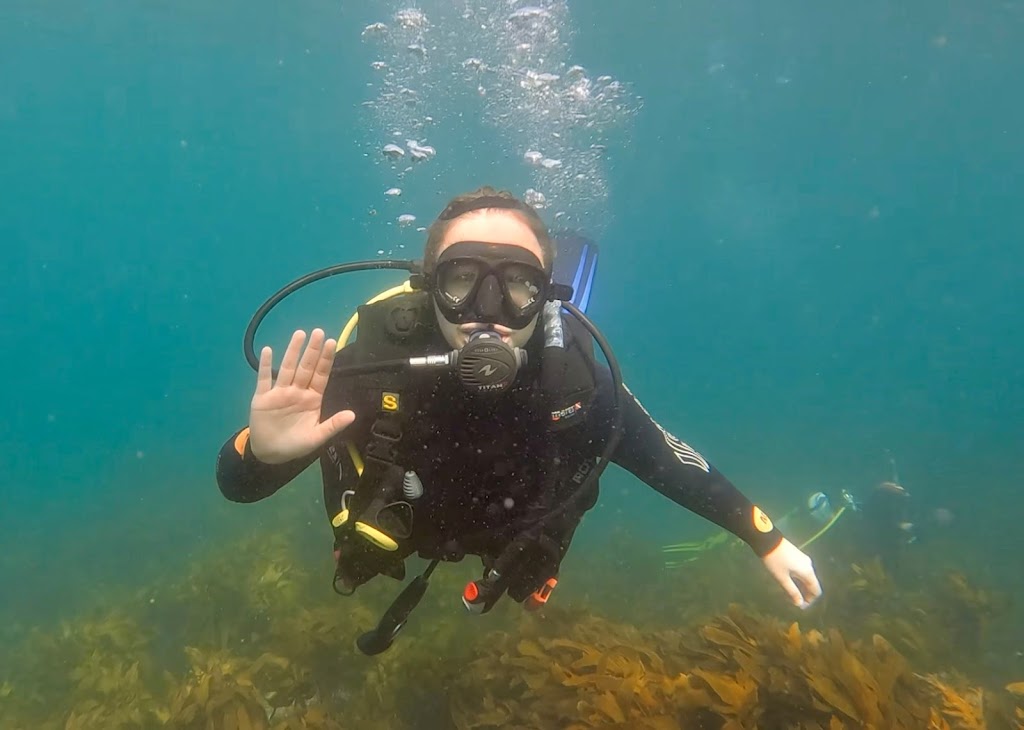
Entering the water at Mahurangi Island, divers frequently observe an impressive array of marine life, many of which are quite accustomed to human presence within the reserve. Crayfish are commonly seen, particularly in the kelp-filled shallows of Tractor Bay.
Moray eels are also residents, often found making homes within the tractors or other reef crevices. Expect to see permanent sand dagger, moki, and brilliant blue maomao, alongside red mullet.
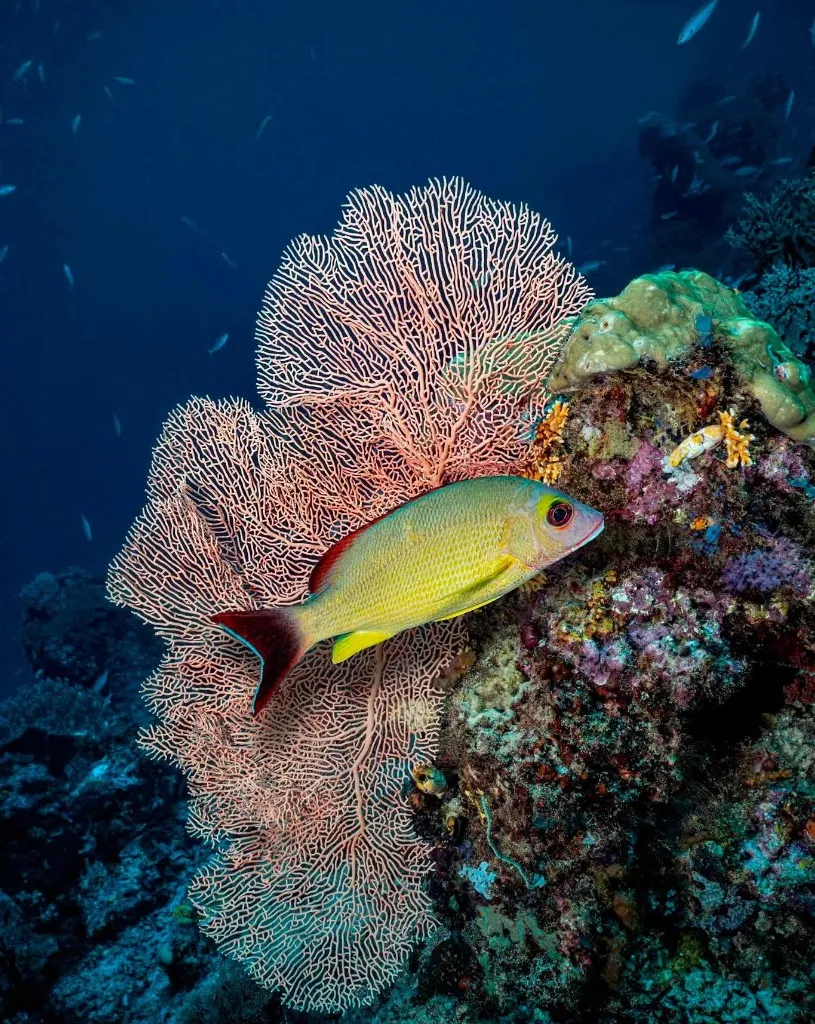
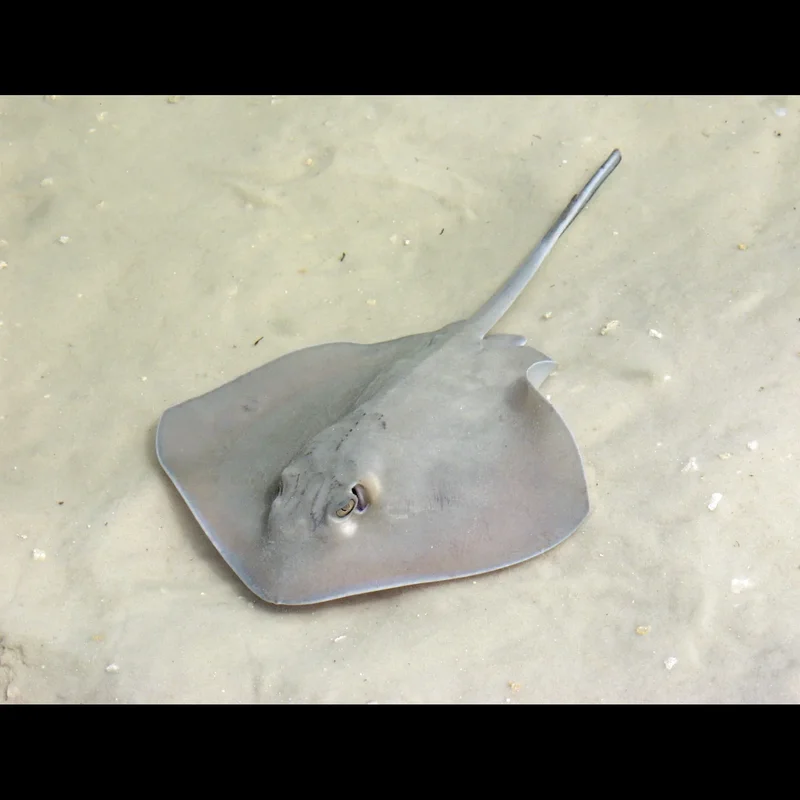
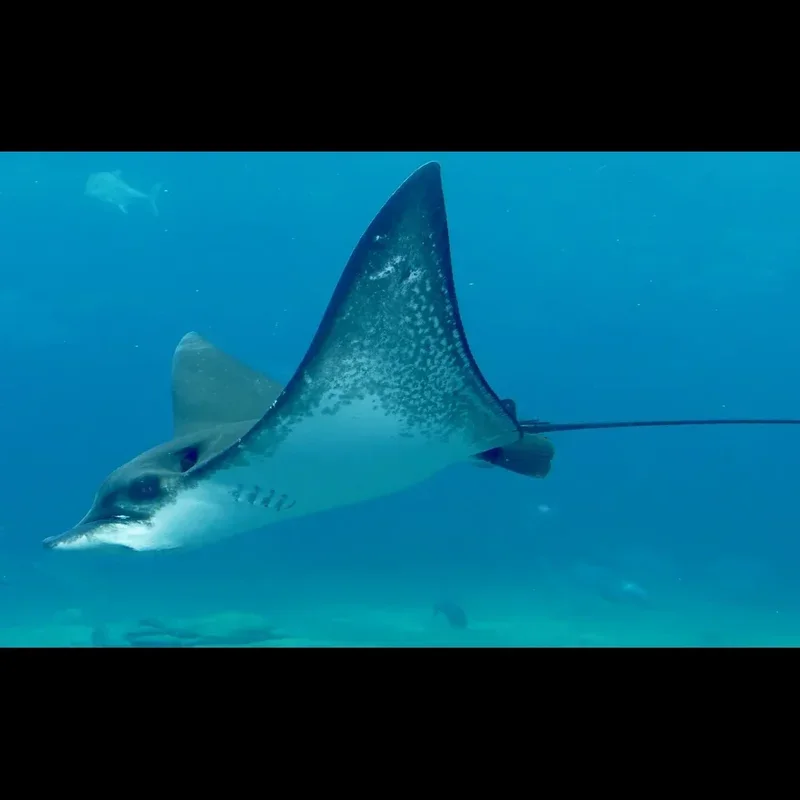
In summer, schools of mackerel, kahawai, kingfish, and koheru frequent the area. A protected environment of the marine reserve means fish, including large snapper, are often unafraid of divers. Stingrays and large eagle rays are common sightings during the warmer summer months, especially in shallower waters, while sites like Spectacle Reef host colorful sponges and Jason's nudibranchs.
Dive Sites Near Mahurangi Island
View all dive sites in New ZealandDiscover more underwater gems in this area.
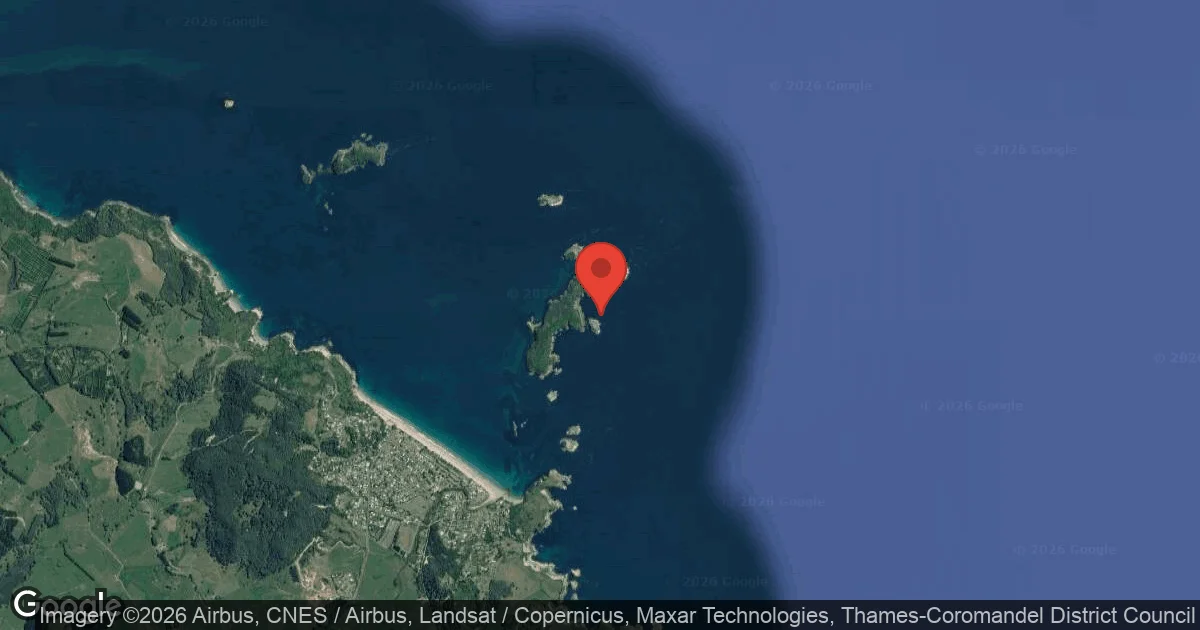
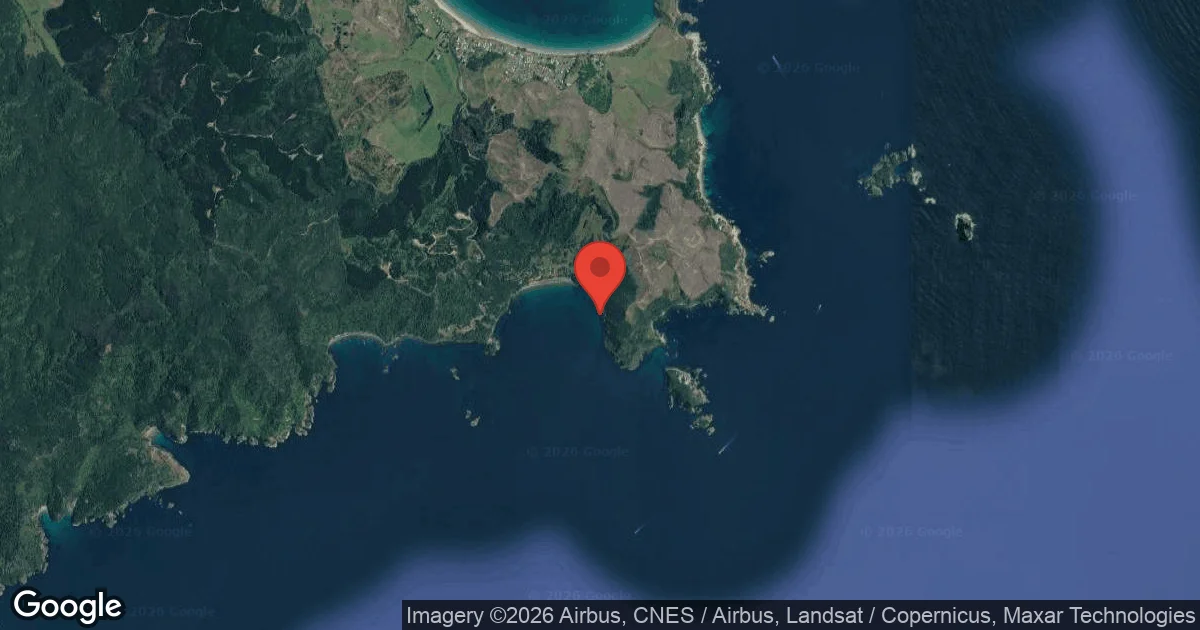
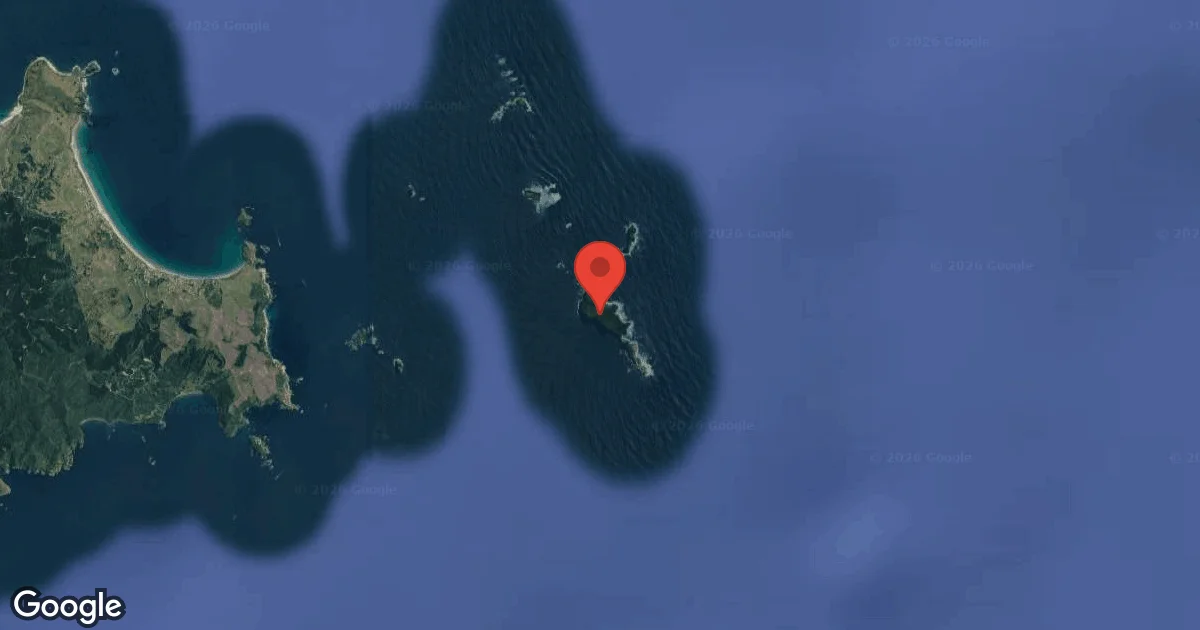
Dive Centers Near Mahurangi Island
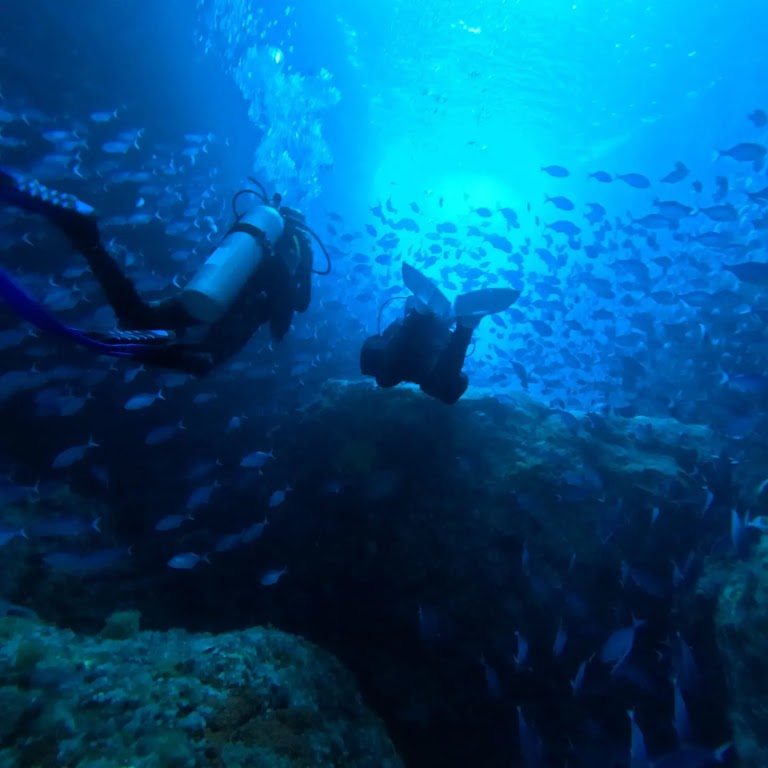
Nearest Airports
Nearest airports to help plan travel to this dive area.
Search Flights
Check available flights and routes on Expedia, using the nearby airports listed in this section.
Search Flights on ExpediaFrequently Asked Questions
What is the maximum dive depth around Mahurangi Island?
Dives around Mahurangi Island offer a variety of depths. While the island itself has a maximum depth of 18 m (59 ft), specific sites like Russ's Revine include a swim-through around 28 m (92 ft) deep. Most dives are suitable for various experience levels.
Are there any specific regulations for diving at Mahurangi Island?
Yes, portions of Mahurangi Island are within the Te-Whanganui-A-Hei Marine Reserve. Divers must be aware of reserve boundaries and adhere to regulations, which restrict activities like hunting to protect marine life. Always follow PADI Standard Safe Diving Practices.
When is the best time to dive Mahurangi Island for optimal visibility?
February and March generally offer the highest dive scores due to clearer water, aligning with the end of summer. Good conditions also extend through January, August, September, October, November, and December, often with moderate to low wave heights.
What unique features do dive sites around Mahurangi Island offer?
Russ's Revine features a deep swim-through around 28 m (92 ft) with walls covered in jewel anemones. Tractor Bay is distinctive for two sunken tractors, providing habitat for eels and excellent kelp beds in shallower areas for training.
What marine life can divers expect to see?
Divers commonly encounter crayfish, moray eels, permanent sand daggers, moki, and blue maomao. During summer, schools of mackerel, kahawai, kingfish, and koheru are present, with stingrays and large eagle rays frequenting shallower waters.
How are dives typically conducted at Mahurangi Island?
Most dives are accessed via boat entry, allowing divers to reach various locations around the island. Boat entry facilitates exploration of sites with diverse topography, from shallow kelp beds to deeper wall dives.
What are the typical water temperatures?
Specific water temperature ranges are not consistently reported for Mahurangi Island but vary seasonally. Generally, waters will feel cooler outside the peak summer months, with air temperatures in good dive conditions ranging from 11-20°C (52-68°F).
Planning to dive Mahurangi Island?
Send one inquiry and receive offers directly from the best verified local dive operators.
Conditions are Moderate
High Wind Advisory (49km/h). Unsafe surface.
Current conditions near Mahurangi Island show 17° air, 16° sea temperature, 0.9 m waves, and 49 km/h wind. Forecast data is refreshed regularly to ensure accuracy.