
Diving at Chocolate Island (Philippines)
Approaching Chocolate Island, divers first see a solitary rock formation, partially adorned with trees and frequented by seabirds. Descending its rugged walls, the site reveals a gentle reef slope, extending to a maximum depth of approximately 16m (55 ft). This shallower profile quickly presents a vibrant soft coral environment, promising a rich experience for those keen on detailed marine observation.
Tonight's objective overview for Chocolate Island shows an air temperature of 27°C. The measured surface conditions include wave heights around 0.1 m. This environmental data is logged for the close of the day.
Dive Site Location & Key Facts
Dive Site Overview
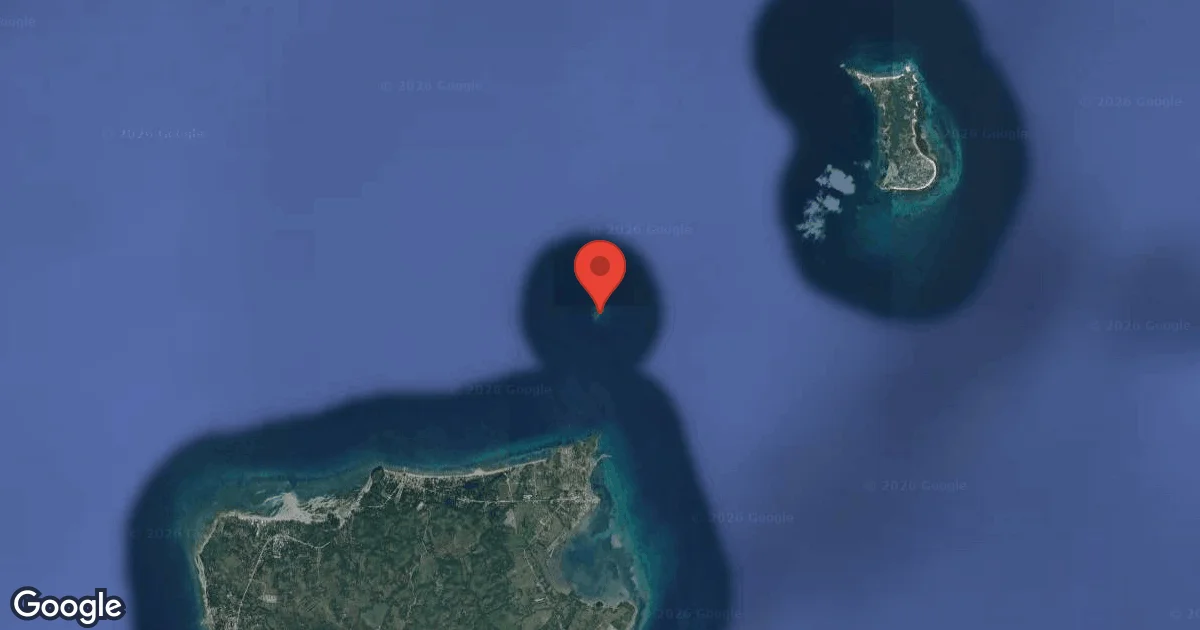
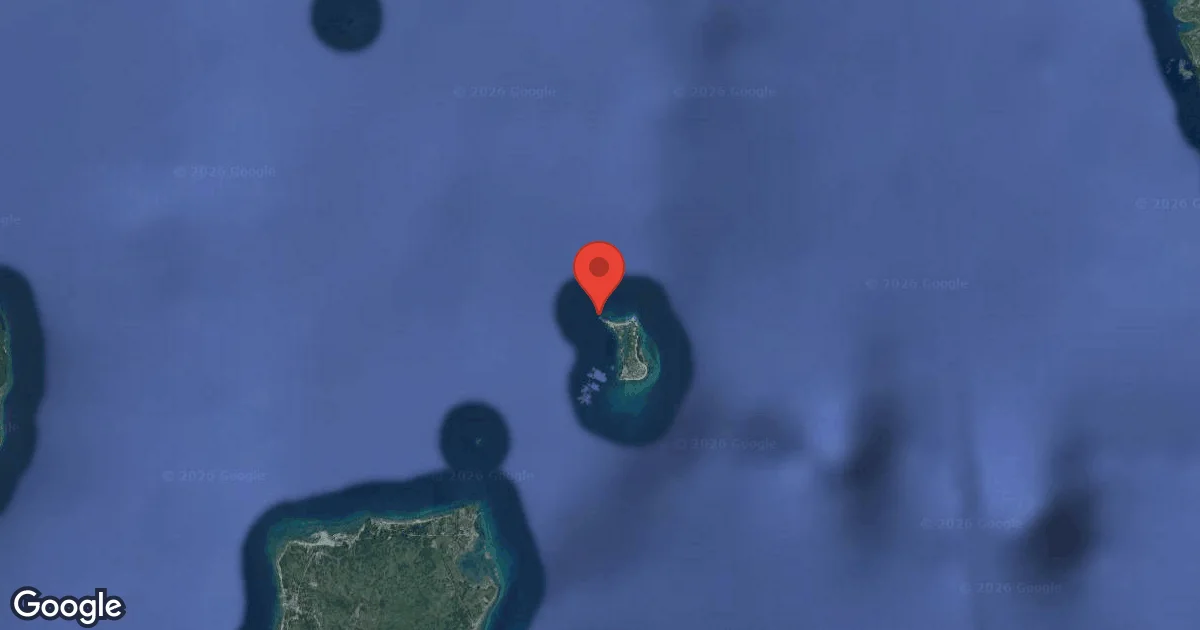
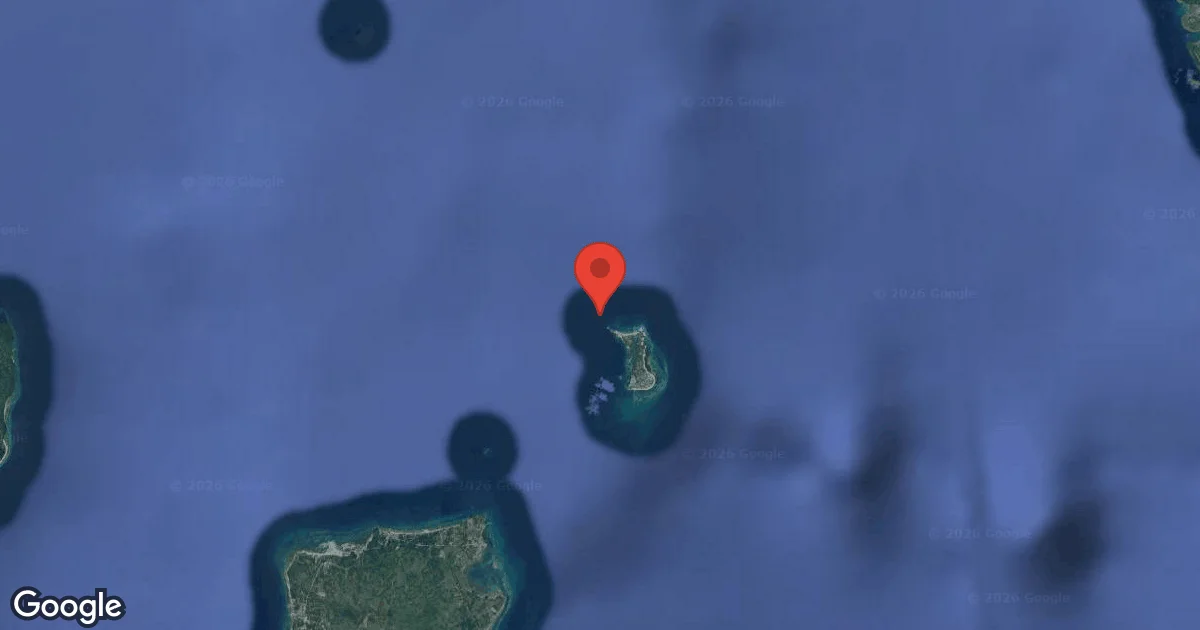
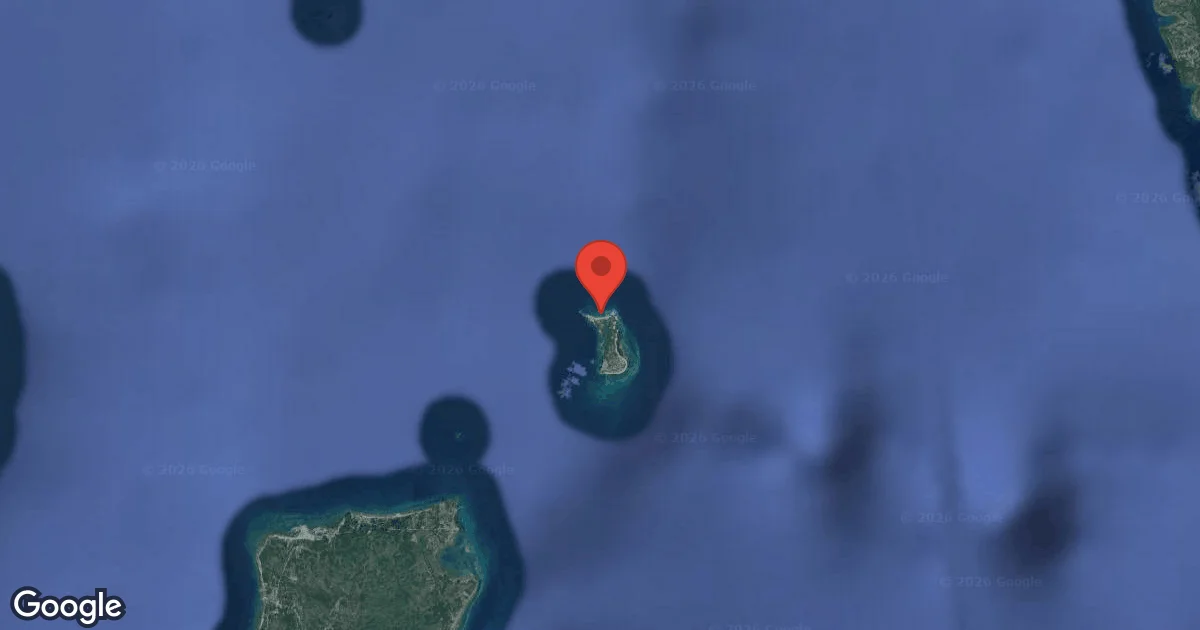
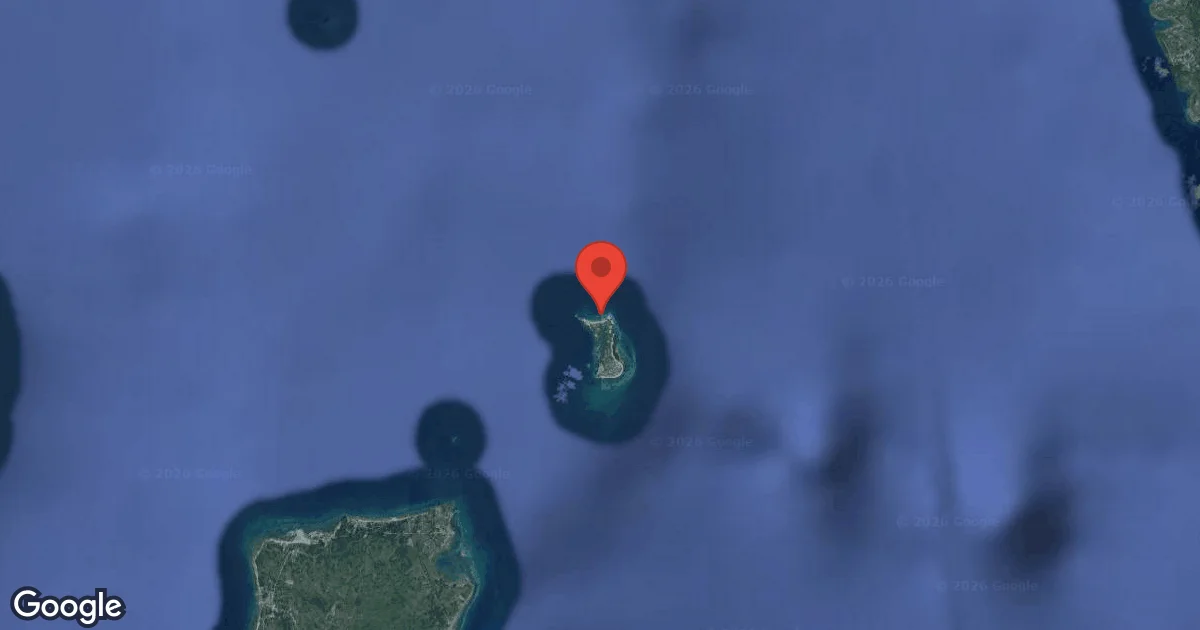
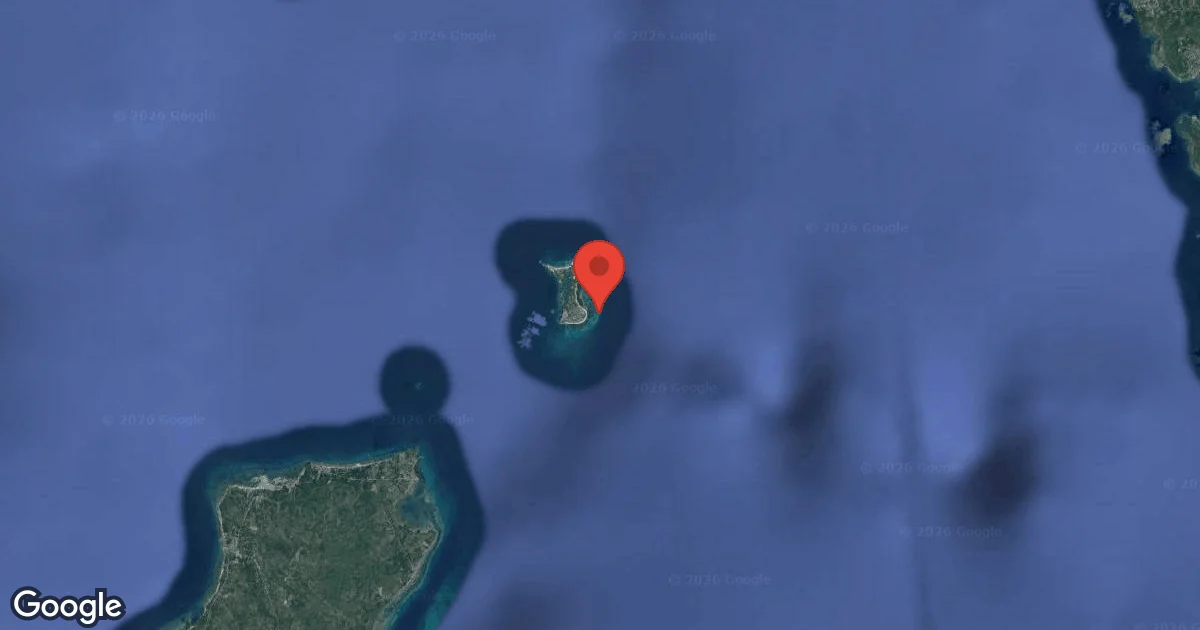
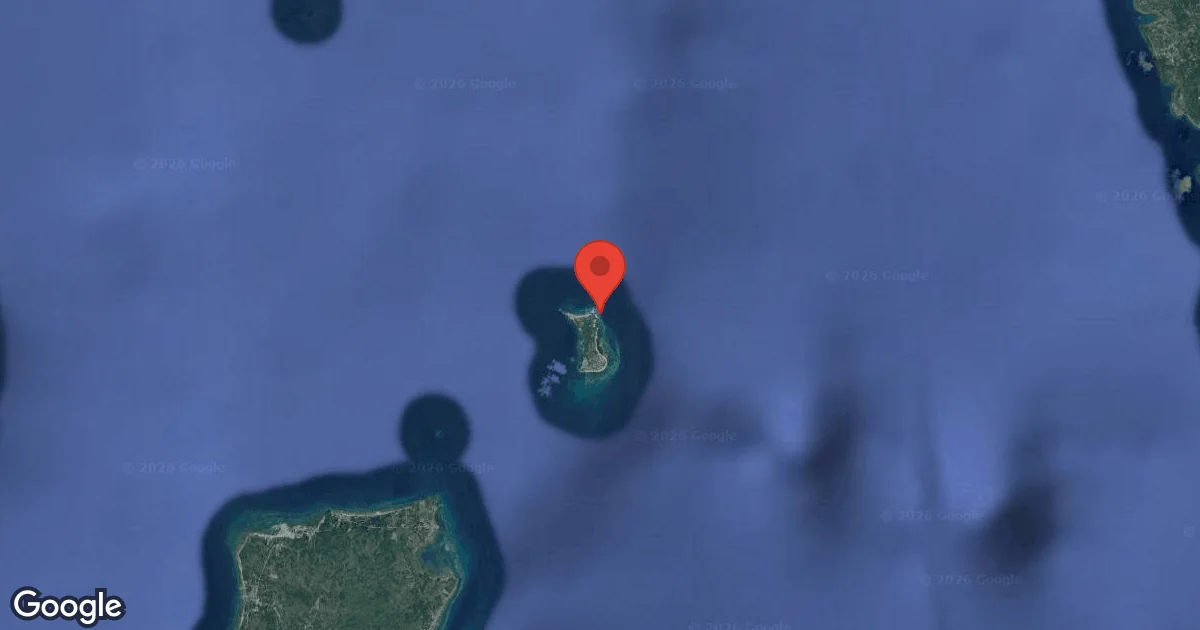
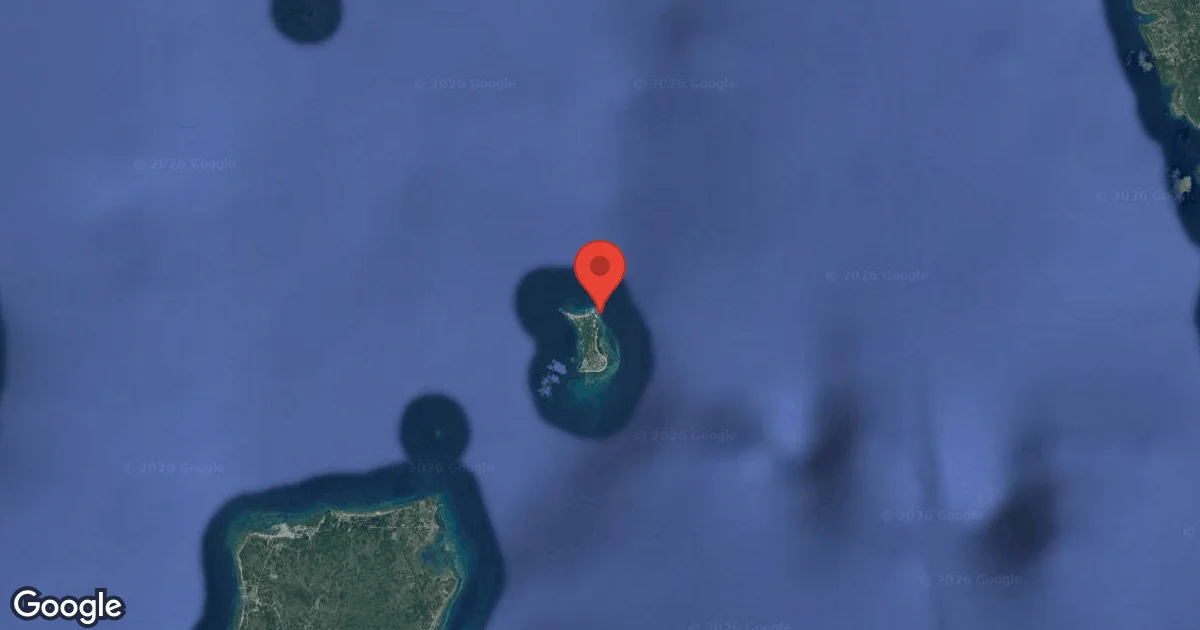
Chocolate Island emerges as a substantial rock formation, strategically positioned between Maya and Malapascua. Underwater, its structure provides a natural habitat, transitioning from steep rock walls to a gentle reef slope that extends to a maximum depth of approximately 18m (60 ft).
This accessible profile comfortably accommodates all certification levels, including Open Water divers eager to explore a vibrant shallow reef. Abundant, healthy soft coral formations distinguish the site, carpeting much of the sloping terrain and creating a complex, visually rich tapestry.
These corals are home to a myriad of smaller marine creatures, inviting detailed observation. While surface conditions often appear tranquil, currents at Chocolate Island are occasionally strong, necessitating careful dive planning for smooth descent and ascent.
Divers find the site's character strongly favors macro photography and patient exploration of its many nooks and crannies. Anticipate spending time observing intricate life patterns nestled within corals and rocky crevices, rather than searching for large pelagic encounters.
Exploring the full extent of this gentle reef slope allows for thorough immersion in its diverse, smaller-scale ecosystem.
Conditions are Good
Optimal conditions expected
Current conditions near Chocolate Island show 27° air, 30° sea temperature, 0.3 m waves, and 26 km/h wind. Forecast data is refreshed regularly to ensure accuracy.
Best Time to Dive
Optimal diving conditions at Chocolate Island generally span from March through September, offering excellent visibility and calm surface conditions. During these months, average air temperatures range pleasantly between 27°C and 29°C (81-84°F), with minimal rainfall, particularly in April when averages are around 1mm. Water temperatures consistently remain warm, typically falling within the 22-27°C (72-81°F) range throughout the year, ensuring comfortable diving without heavy thermal protection. Even during months with slightly higher rainfall, such as October and November, wave heights typically stay below 0.5 meters (1.6 ft), contributing to an overall good dive experience. The period from March to September is particularly favorable due to higher dive scores reported, indicating consistent conditions for underwater exploration.
PEAK SEASON SCORE
Scores combine air & water temps, waves, wind & rainfall for overall conditions.
BEST MONTHS TO DIVE
Monthly records compiled from satellite and marine observation nodes over the last 3 years. Data provided by Open-Meteo and MET Norway.
Dive Experience & Conditions
Beginning a dive at Chocolate Island involves a descent alongside its natural rock walls, transitioning smoothly onto a gently sloping reef. The relatively shallow maximum depth, typically not exceeding 20 meters, makes the site approachable for divers of varying experience levels. Conditions can sometimes include strong currents, which may add a dynamic element to the dive, though they vary. These currents contribute to a nutrient-rich environment, supporting the healthy soft coral growth seen across the reef. Overall, the dive offers a relaxed pace, ideal for focused observation and photography, especially for those interested in the intricacies of macro life rather than expansive underwater vistas. Visibility generally remains good, allowing for clear views of the vibrant ecosystem.
Dive Difficulty & Safety Guidelines
When diving Chocolate Island, primary consideration should be given to the potential for strong currents, which are not consistently reported but can occur. Divers should always consult with local dive operators regarding daily conditions and plan their dive profiles accordingly. Adhering to recreational depth limits and maintaining a vigilant buddy system are standard procedures here.
Given the abundance of delicate soft corals and macro life, maintaining excellent buoyancy control is crucial to avoid accidental contact with the reef. Responsible diving practices, including keeping a respectful distance from marine inhabitants, are important to preserve the site's rich biodiversity.
Recommended Equipment
- Dive Computer
- DSMB
This gear list is based on verified equipment signals for Chocolate Island, Philippines. Always confirm final gear choices with your dive operator, guide, or liveaboard.
Recommended Dive Suit
Forecast trends indicate similar diving conditions over the next few days.
Many experienced divers would consider dive skin or rash guard an appropriate choice here.
Current dive conditions indicate that water temperatures around Chocolate Island are sitting at roughly 30°C (87°F). Surface air temperatures are resting at 27°C (81°F).
Due to technical issues with our weather providers, live updates are temporarily delayed. The data above reflects the conditions at the time of the last successful fetch.
Emergency & Medical Support
Essential information to help you plan your dive trip to Chocolate Island.

Hyperbaric chambers are a critical part of dive safety infrastructure. Availability varies significantly by region, and not all dive areas have immediate access.
Before diving, it's recommended to:
- confirm nearest medical facilities
- check emergency procedures with local dive operators
- ensure dive insurance covers evacuation if required
Divers Alert Network
Diving emergency assistance available through DAN World.
+1-919-684-9111- 24/7 emergency hotline
- Diving medical assistance
- Evacuation coordination
Emergency contacts are provided for reference. Always verify local emergency services before diving.
Marine Life at Chocolate Island
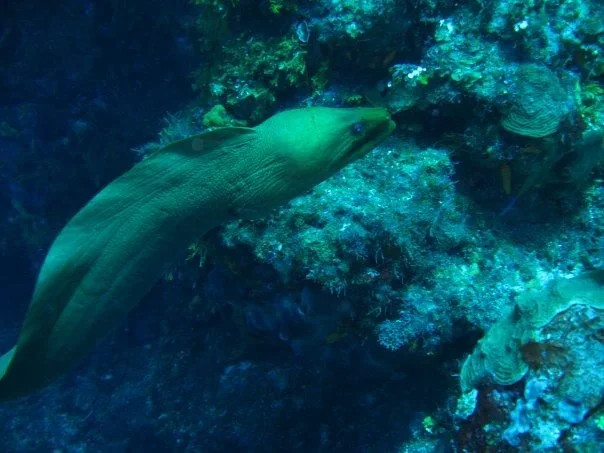
Observing the rich macro life is often the immediate highlight at Chocolate Island, where healthy soft corals serve as a bustling microcosm. Divers frequently spot a diverse array of sea snakes and various eels, including snake eels and moray eels, peeking from crevices.
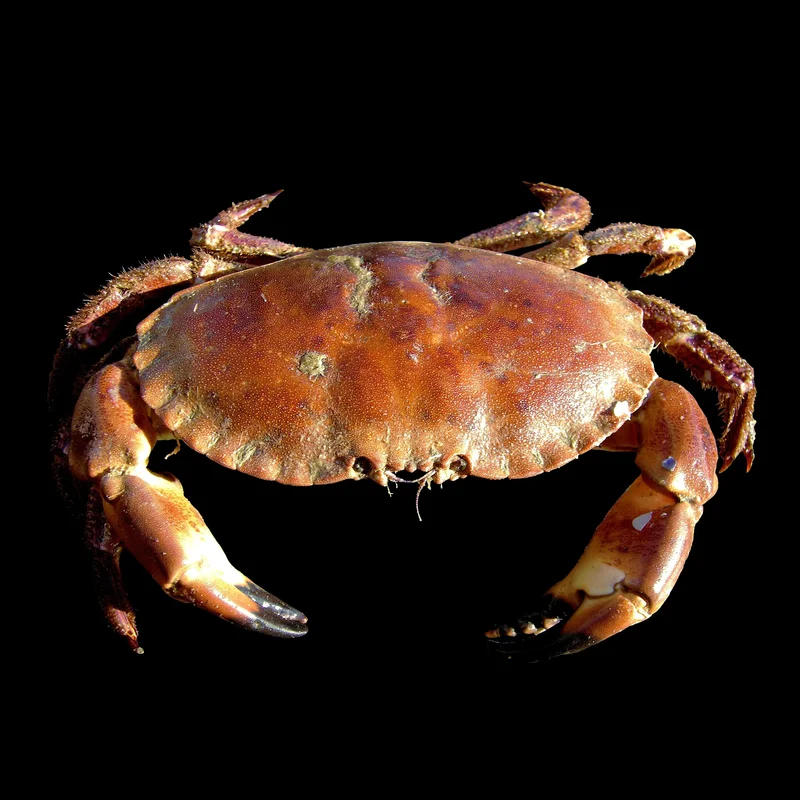
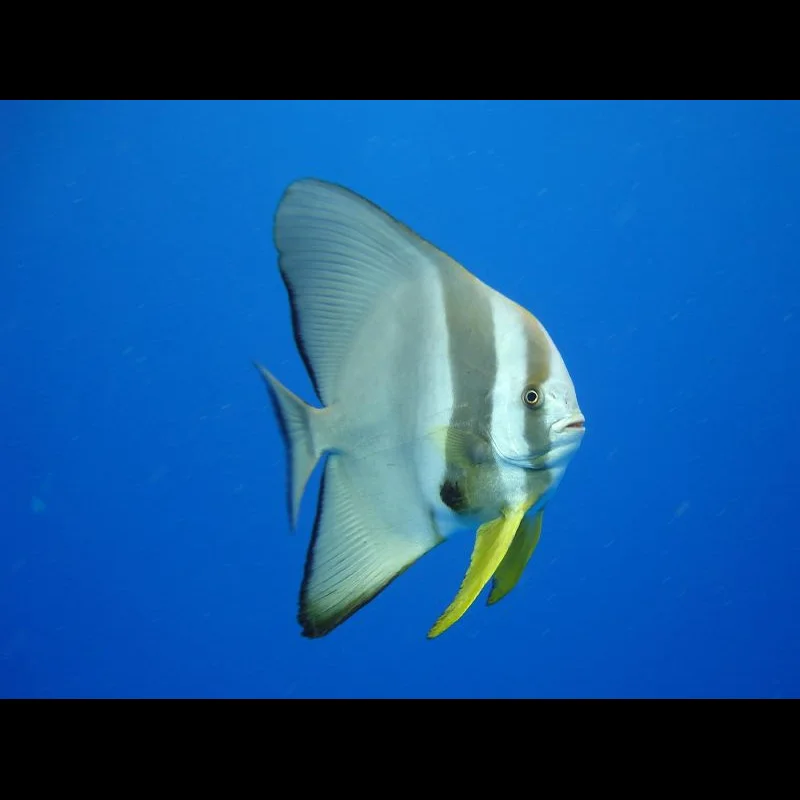
Cuttlefish are common, with sightings of flamboyant cuttlefish occasionally reported. Keep an eye out for unique creatures such as seamoths (Pegasus), large crabs, and schools of juvenile batfish.
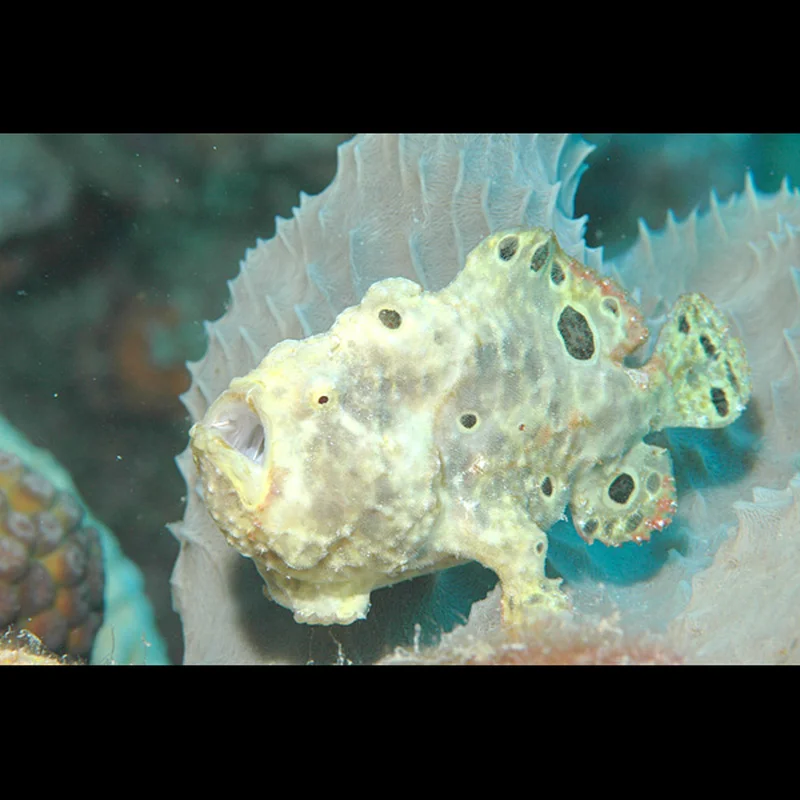
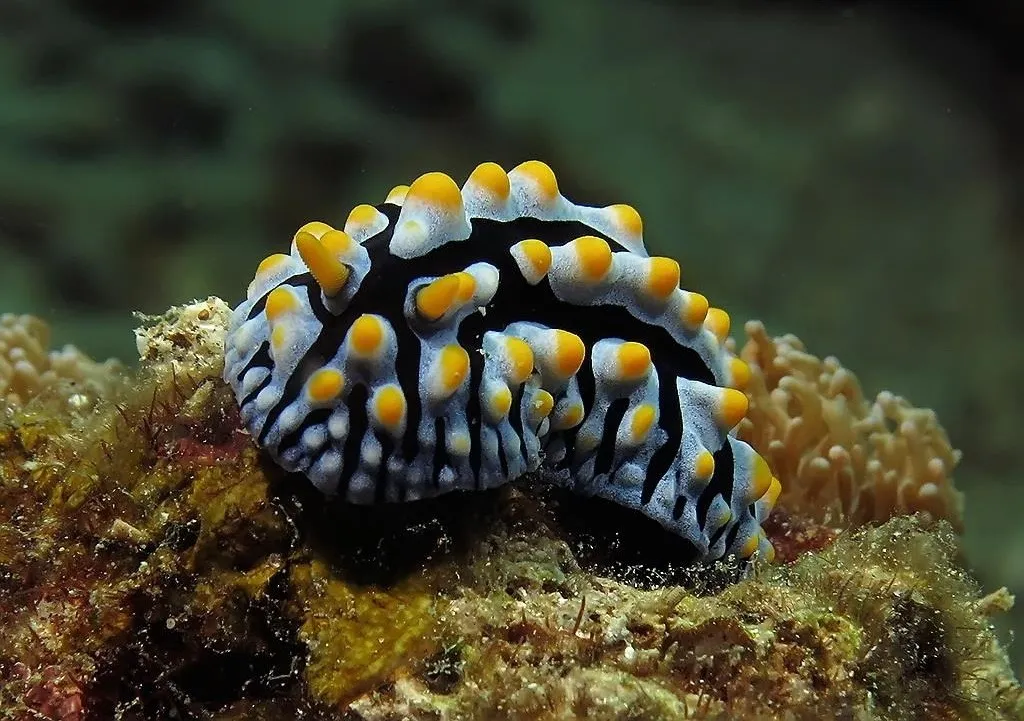
The site is particularly celebrated for its abundance of nudibranchs, flatworms (sometimes seen in their mating ritual), various shrimps, shells, and cowries, alongside the elusive frogfish, ornate ghost pipefish, blue-ringed octopus, and seahorses. New and unusual species of nudibranchs, like Melibe Viridis and Sea Hares, are also regularly encountered, underscoring the area's incredible biodiversity.
Dive Sites Near Chocolate Island
View all dive sites in PhilippinesDiscover more underwater gems in this area.
Dive Centers Near Chocolate Island
Today: 08:00 - 19:00
Nearest Airports
Nearest airports to help plan travel to this dive area.
Search Flights
Check available flights and routes on Expedia, using the nearby airports listed in this section.
Search Flights on ExpediaFrequently Asked Questions
What is the maximum depth at Chocolate Island?
The maximum depth at Chocolate Island typically ranges between 16m (55 ft) and 20m (66 ft), making it a relatively shallow dive site suitable for various skill levels.
Is Chocolate Island suitable for beginner divers?
Yes, Chocolate Island is considered a great dive site for all levels of certified divers, including Open Water divers. Its gentle slope and shallow profile contribute to its accessibility.
What kind of marine life can I expect to see?
You can expect to encounter a wide variety of macro life, including sea snakes, several types of eels, cuttlefish (flamboyant included), nudibranchs, flatworms, shrimp, and various crabs. Frogfish, ghost pipefish, and seahorses are also frequently sighted.
Are there strong currents at Chocolate Island?
Currents at Chocolate Island can sometimes be strong. It's advisable to check with local dive operators on the day of your dive for the most current conditions and to plan your dive accordingly.
Why is it called Chocolate Island?
The origin of the name 'Chocolate Island' is not consistently reported, with various local anecdotes offered. Regardless of its namesake, the island is known for its incredible macro biodiversity rather than any chocolate-related history.
Is Chocolate Island good for underwater photography?
Absolutely. Chocolate Island is widely recognized as a 'macro photographer's delight' due to its abundance and diversity of small marine creatures, making it an ideal spot for detailed close-up shots.
What is the water temperature like year-round?
Water temperatures at Chocolate Island are consistently warm, generally ranging from 22-27°C (72-81°F) throughout the year, providing comfortable diving conditions.
Planning to dive Chocolate Island?
Send one inquiry and receive offers directly from the best verified local dive operators.
Conditions are Good
Optimal conditions expected
Current conditions near Chocolate Island show 27° air, 30° sea temperature, 0.3 m waves, and 26 km/h wind. Forecast data is refreshed regularly to ensure accuracy.