Wreck Diving: Explore the World’s Most Remarkable Shipwrecks
Explore historical shipwrecks, wartime freighters, and artificial reefs across the globe.
What Is Wreck Diving?
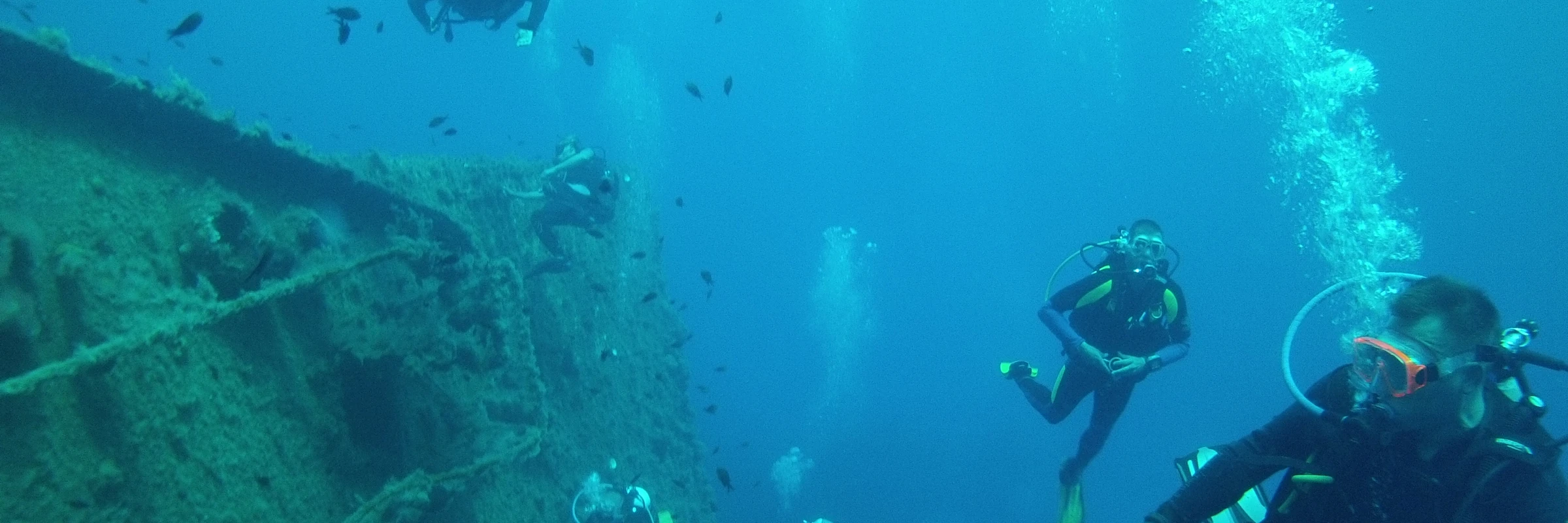
Wreck diving is the exploration of vessels, aircraft, vehicles, and other human-made structures that have come to rest underwater. Some were lost through war, storms, collision, fire, or navigation errors. Others were intentionally sunk after preparation to create artificial reefs, training sites, or new attractions for divers.
What makes a wreck different from an ordinary reef is not simply the presence of metal or machinery. A wreck has a recognisable layout, an identifiable history, and structural features that affect how the dive must be planned. Decks, holds, engines, propellers, stairways, broken hull sections, cables, and collapsed areas can create both points of interest and additional hazards.
A wreck may be a straightforward exterior dive in open water, a deep technical objective, or an overhead environment where a direct ascent is impossible. The same vessel can support several very different dive profiles depending on depth, current, visibility, structural condition, and whether the team remains outside or enters the wreck.
Exterior and Non-Penetration Wreck Diving
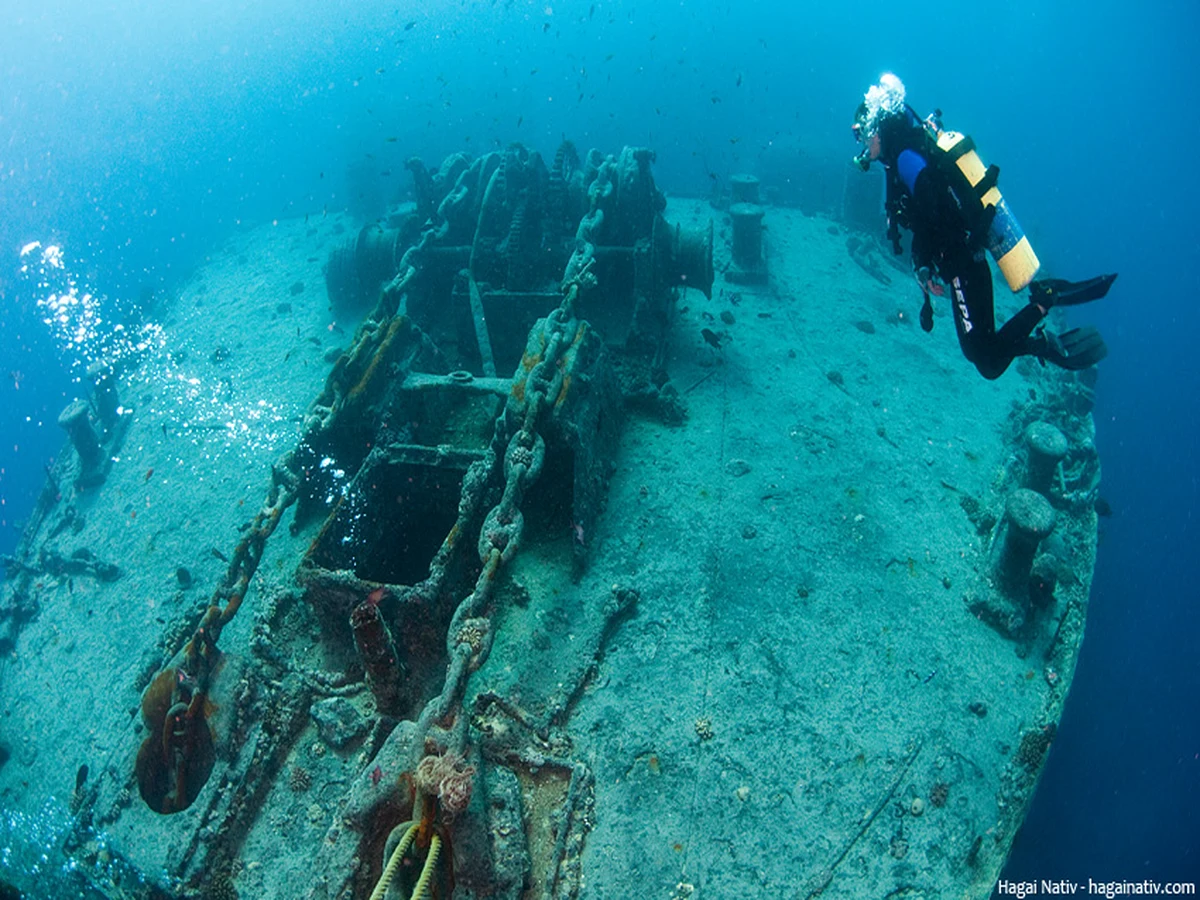
Many divers first experience a wreck by staying entirely outside the structure. An exterior route may follow the bow, deck, stern, propeller, superstructure, or a broken section of the hull while maintaining a direct path to the surface. This can still be a demanding dive. Depth can change quickly along a large vessel, currents may accelerate around the structure, and loose lines or sharp metal can create entanglement and injury risks.
An exterior wreck dive is not automatically suitable for beginners. A shallow, intact wreck in calm conditions is very different from a deep vessel in low visibility or strong current. The correct level of training and experience must be judged from the actual site and planned route rather than from the wreck category alone.
Recreational and Technical Wreck Diving
Wreck diving spans recreational and technical disciplines, but there is no single universal progression shared by every certification agency. Course names, depth limits, penetration limits, equipment standards, and prerequisites vary.
The important distinction is operational. A diver who can ascend directly to the surface is in a different risk environment from a diver who has entered a compartment, passage, or cargo hold. Once an overhead blocks direct ascent, the team must be able to preserve the route to open water and manage gas for the exit.
Historic Wrecks and Purpose-Sunk Reefs
Historic wrecks can preserve evidence of trade, migration, engineering, conflict, and everyday life at sea. Cargo, machinery, damage patterns, construction methods, and the position of a vessel on the seabed can all add context to the story of its loss. Some sites are protected archaeological resources, memorials, military graves, or legally controlled heritage locations.
Purpose-sunk vessels have a different origin. Many are cleaned and prepared before sinking, with hazardous materials removed and selected openings created to improve access or water flow. Preparation standards are not identical everywhere, and an artificial reef should not be assumed to be stable or hazard-free simply because it was intentionally sunk.
Understanding a Wreck Environment
A wreck changes over time. Corrosion weakens metal, wooden sections decay, storms move debris, fishing gear becomes trapped, and previously open routes may narrow or collapse. Fine silt can accumulate inside protected spaces and reduce visibility to almost nothing after a single misplaced fin kick. Sharp edges, cables, nets, unstable plates, and enclosed spaces may not be obvious during the initial approach.
Orientation is another challenge. A vessel may rest upright, on its side, upside down, broken into sections, or scattered across a wide debris field. Familiar architectural cues no longer behave as expected when floors become walls or passageways slope into deeper water.
Penetration and Overhead Environments
Wreck penetration means entering far enough that a direct vertical ascent to the surface is no longer available. Even a short entry changes the consequences of a lost light, silt-out, equipment failure, entanglement, separation, or loss of direction. Open doors and large cargo holds can appear simple from the outside while still creating a genuine overhead environment.
Penetration should only be undertaken within the diver’s current formal training and with equipment appropriate to the route. Procedures for guidelines, lighting, gas reserves, propulsion, team order, communication, and emergency response vary by programme and environment.
Preservation and Responsible Wreck Diving
Wrecks are finite cultural and physical resources. Removing a lamp, plate, shell casing, bottle, instrument, or fragment may destroy archaeological context even when the object appears insignificant. Local heritage law, ownership, military grave protection, marine-park regulation, customs rules, and operator policies may all apply.
Good wreck practice begins with control. Maintain neutral buoyancy, avoid contact, use established moorings where available, keep gauges and alternate air sources secured, and prevent fins from striking fragile surfaces or disturbing silt. Do not force doors, squeeze through restrictions, or move objects to create a route.
Famous Wrecks in the World
From wartime freighters and passenger liners to aircraft carriers and purpose-sunk reefs, these wrecks are among the most widely recognised names in maritime exploration.
SS Thistlegorm
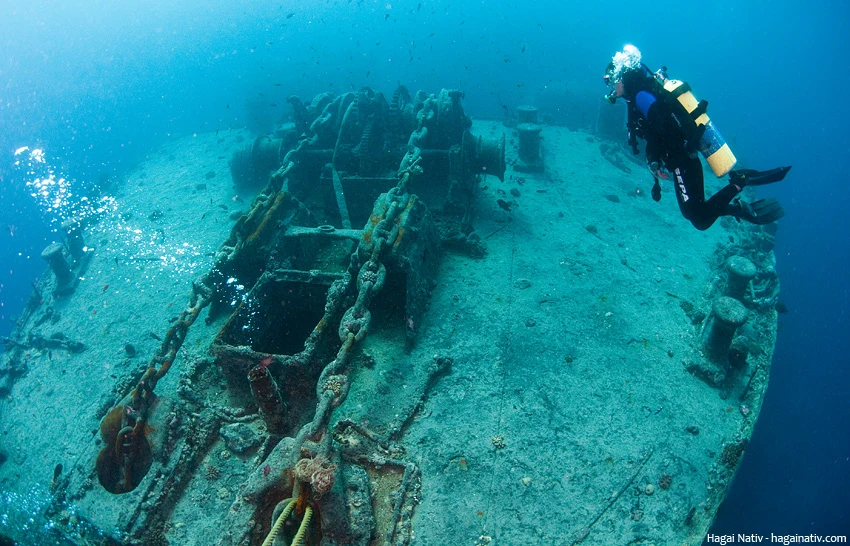
A British armed freighter sunk in 1941, renowned for its preserved cargo of Bedford trucks, Armoured cars, BSA motorcycles, and munitions.
USAT Liberty
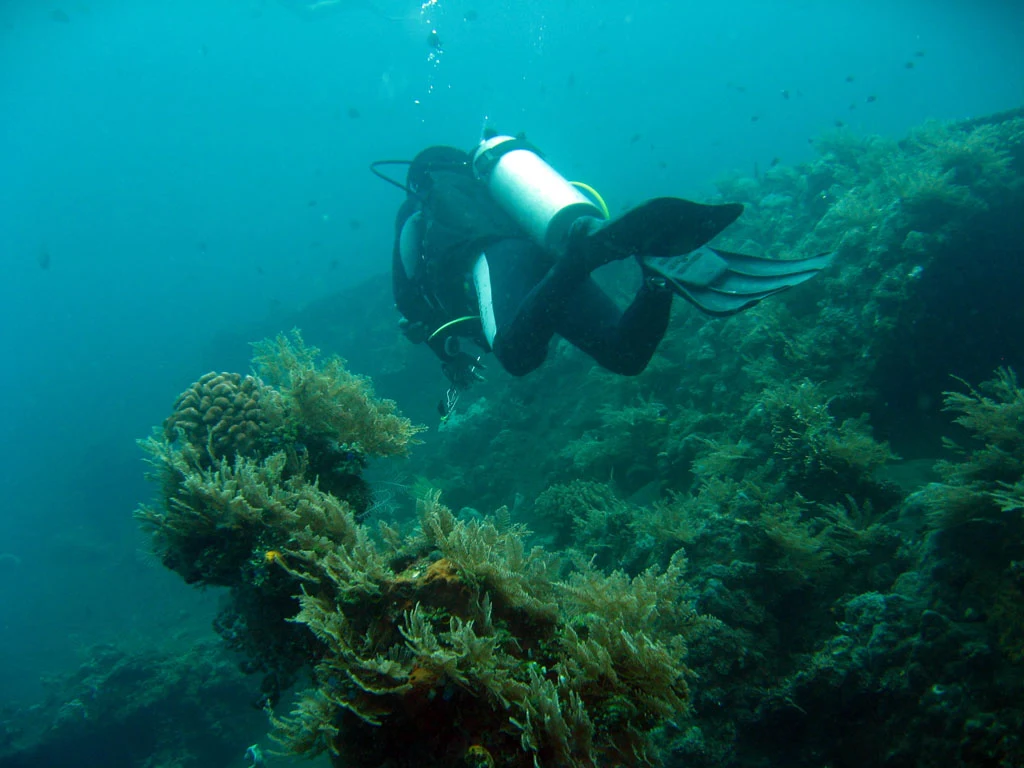
A US Army transport torpedoed in 1942 and pushed off the beach by Mount Agung in 1963. Now a marine life haven lying in 5 to 30 metres of water.
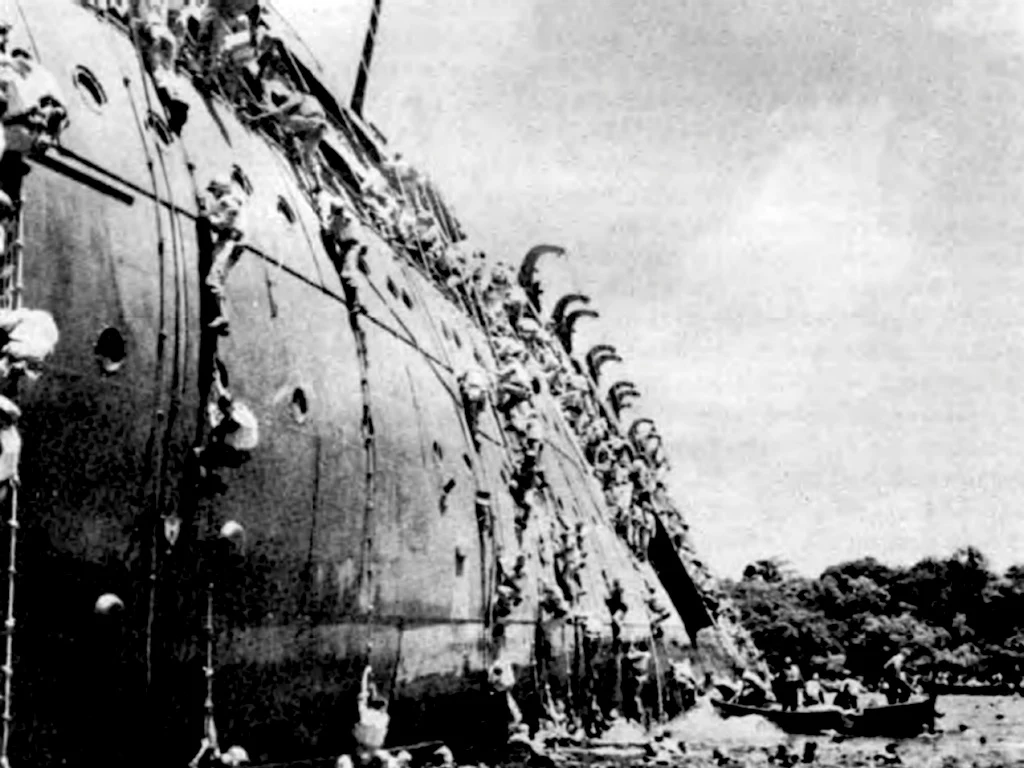
SS President Coolidge
A 200-metre luxury ocean liner converted to a troopship, struck friendly mines in 1942. Divers explore trucks, artillery, and "The Lady" statue.
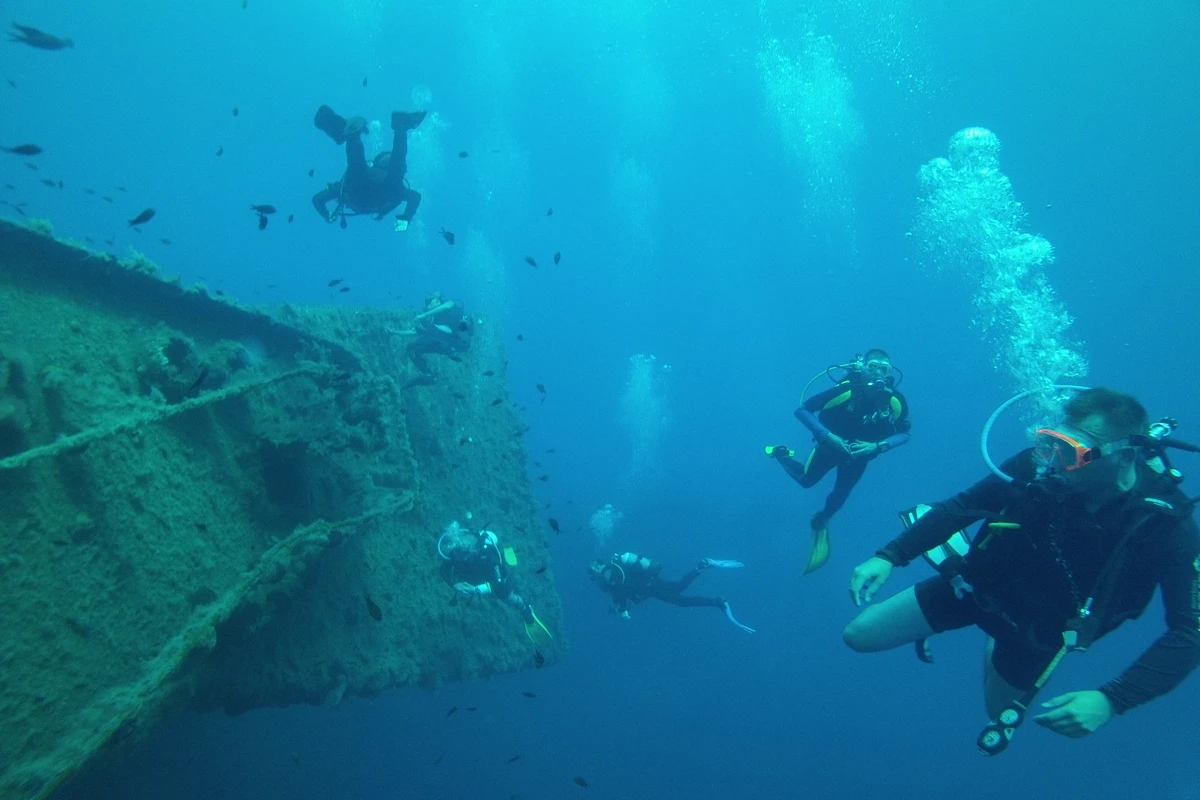
MS Zenobia
A 172-metre Swedish RO-RO ferry that capsized in 1980 on her maiden voyage with 104 articulated lorries, lying between 16 and 42 metres.
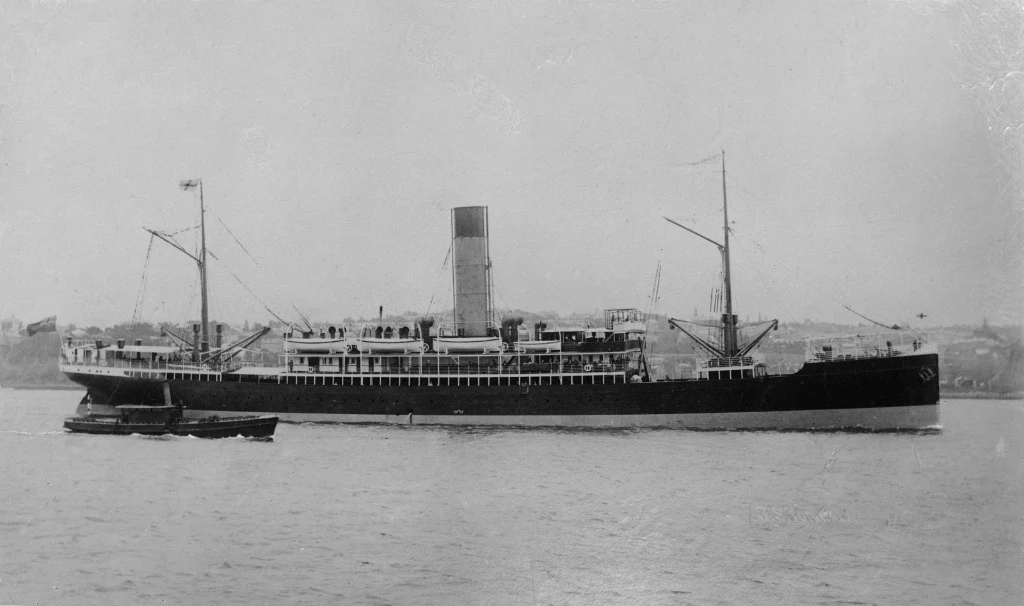
SS Yongala
A steel passenger and freight steamer lost in a 1911 cyclone. Fully protected, she hosts exceptional coral cover, sea snakes, and bull rays.
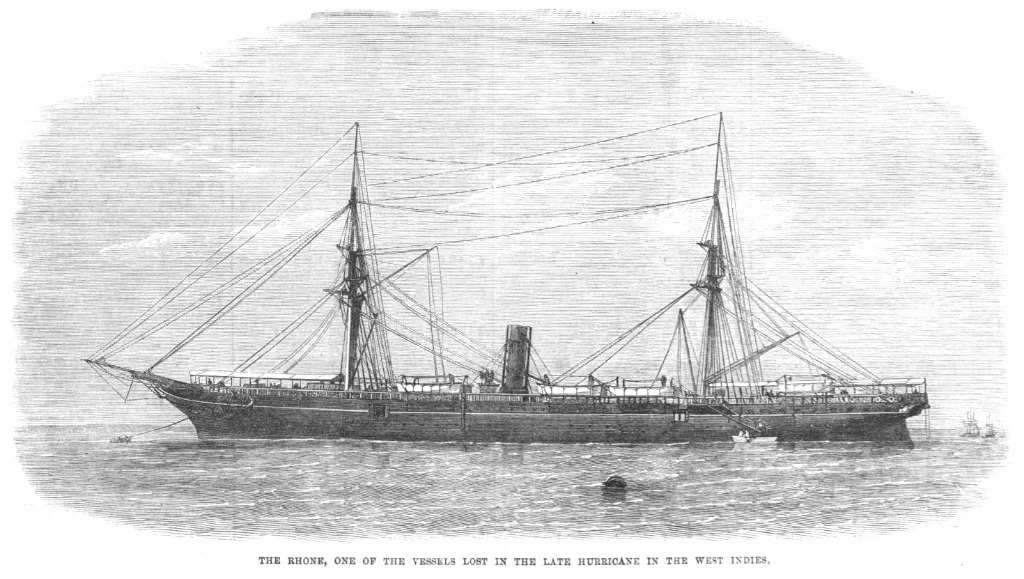
RMS Rhone
A Royal Mail Steamer wrecked in an 1867 hurricane. Features intact brass propellers, iron framework, and rich coral encrustation.
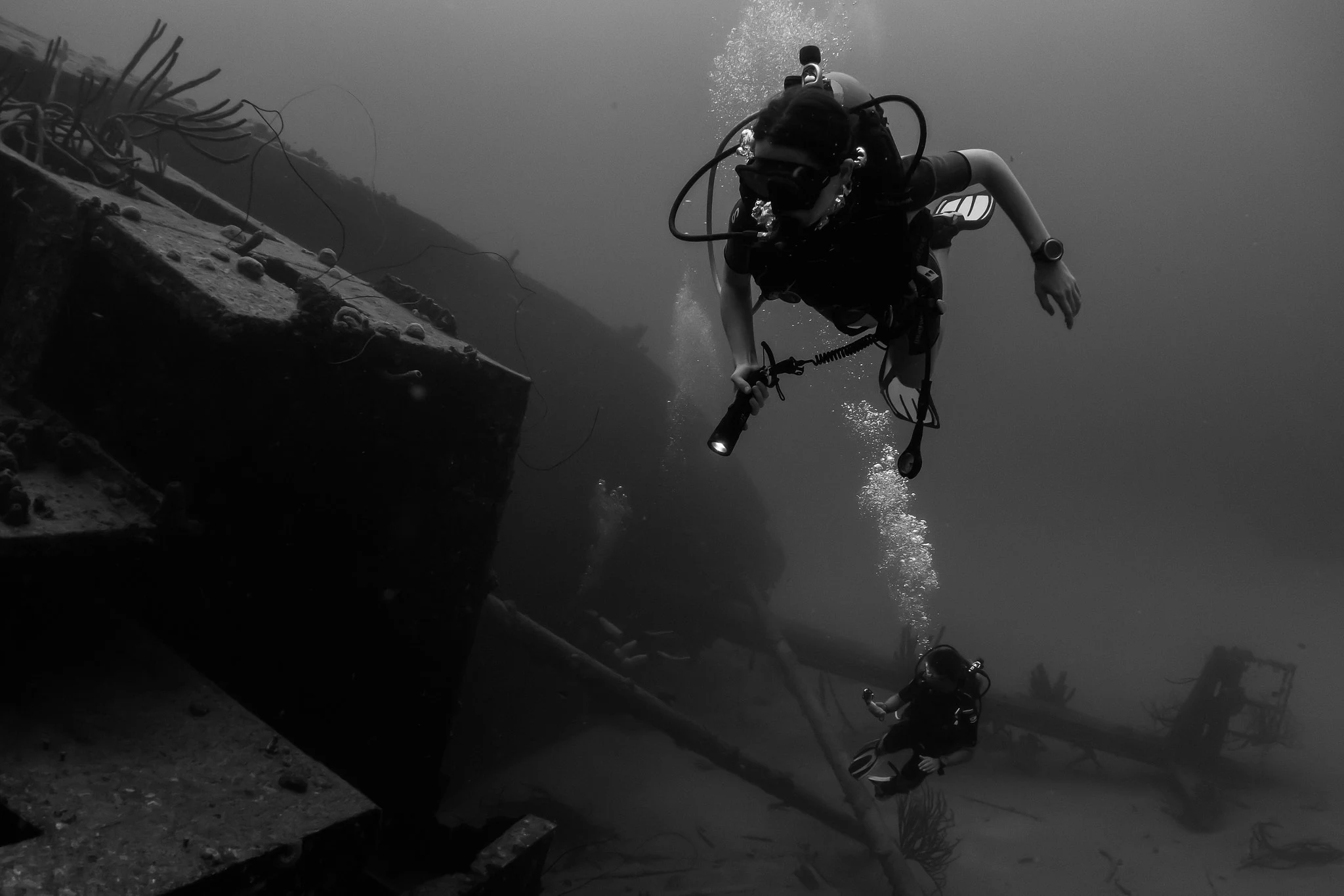
Hilma Hooker
A 70-metre Dutch freighter impounded for drug smuggling and sunk in 1984. Lies on her starboard side between two reef systems in 30 metres.
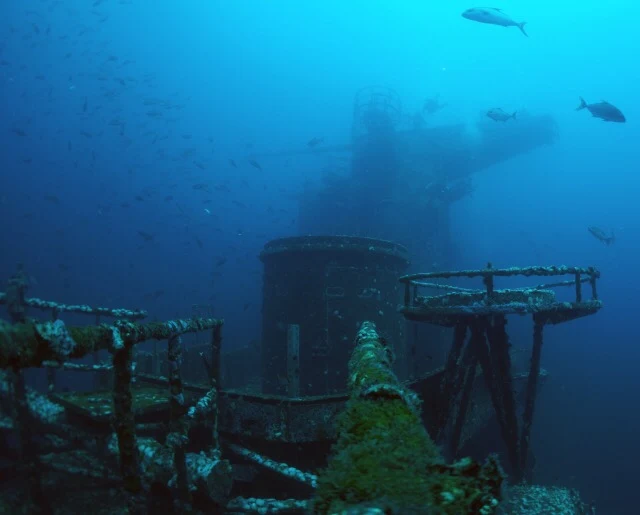
USS Oriskany
A 270-metre Essex-class aircraft carrier intentionally scuttled in 2006. The world’s largest artificial reef, known as the "Great Carrier Reef".
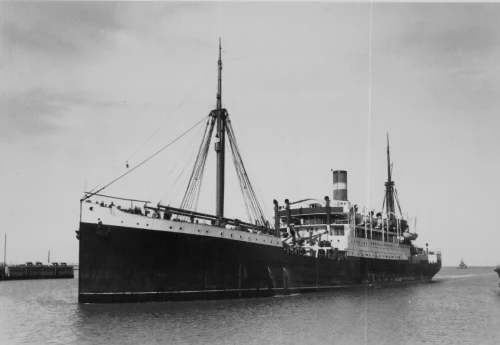
Fujikawa Maru
An armed passenger-cargo ship sunk during Operation Hailstone in 1944. Famous for intact Zero fighter fuselages in Hold 2 and gun mounts.
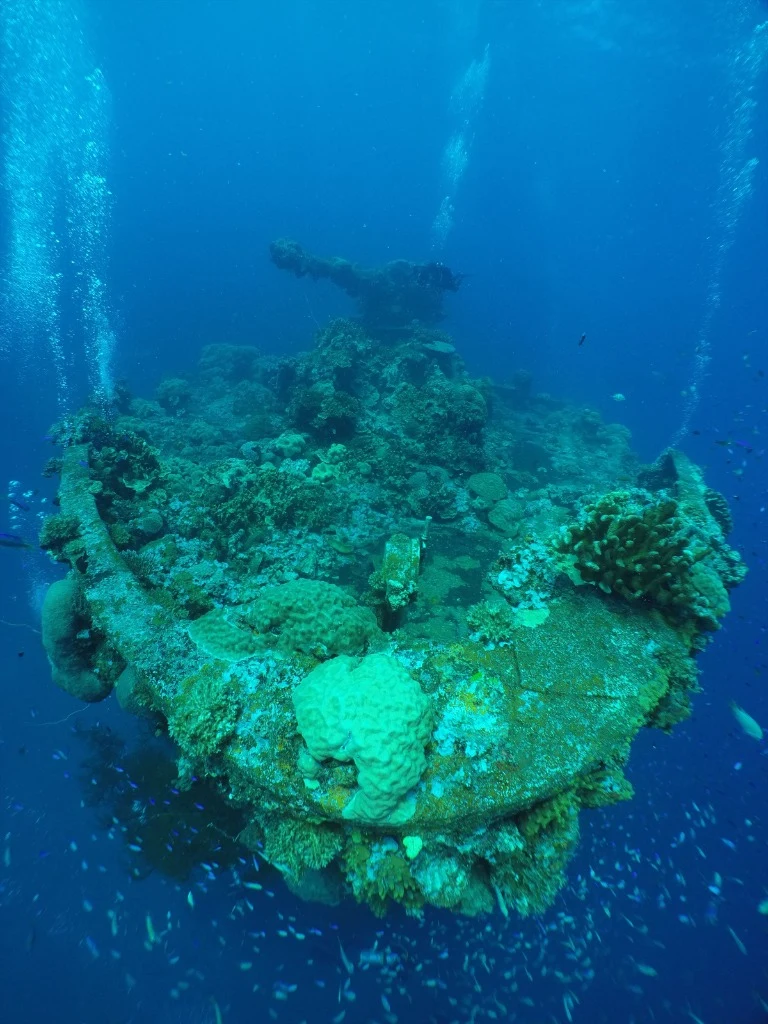
SS Umbria
A 150-metre Italian cargo ship scuttled in 1940 to prevent her 360,000 bombs from falling into British hands. Almost completely intact.
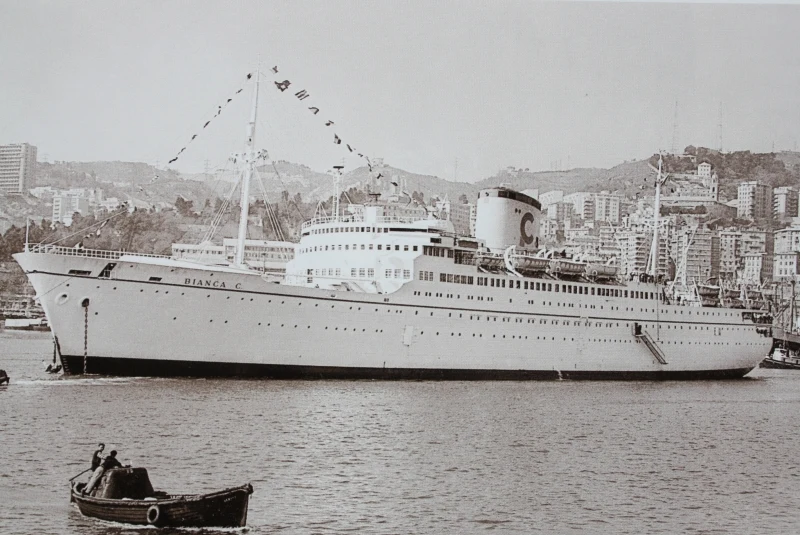
Bianca C
Known as the "Titanic of the Caribbean", this 180-metre passenger liner suffered a fatal fire in 1961 and sank in 50 metres of water.
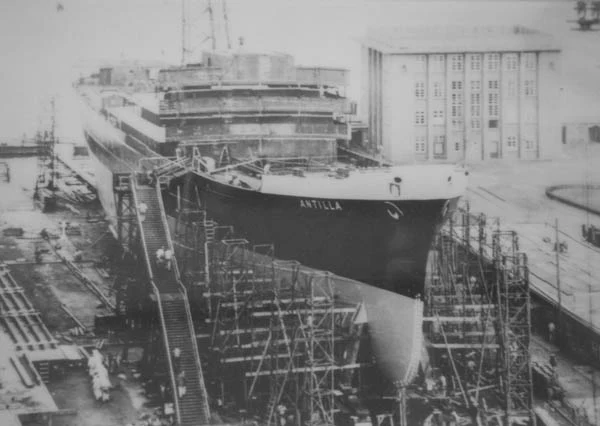
MS Antilla
A 120-metre German freighter scuttled by her crew in 1940. Resting in shallow water, her superstructure breaks the surface at low tide.
Why Divers Love Wrecks
From living maritime history to technical challenge, divers explore wrecks for varied historical, environmental, and personal reasons.
Living History
Wrecks turn maritime history into a three-dimensional place. Hulls, engines, cargo, and damage patterns reveal how a vessel worked and why it was lost.
Exploration & Discovery
No two wrecks are arranged in the same way. An exterior survey asks divers to read orientation and plan a route around a complex structure.
Complex Environments
Some wrecks suit a shallow recreational dive. Others extend into deep water, strong current, or overhead environments requiring technical training.
Underwater Photography
Machinery, open hatches, propellers, and large silhouettes create strong wide-angle subjects. Buoyancy matters more than getting close.
Skill Development & Discipline
Types of Wrecks
Sunken structures vary widely in design, materials, scale, and intended function, creating different structural features and dive profiles.
Cargo Ships
Freighters and merchant vessels often contain holds, cranes, winches, engines, and recognisable deck structures.
Warships
Destroyers, cruisers, carriers, and military vessels combine major historical significance with complex layouts and restricted areas.
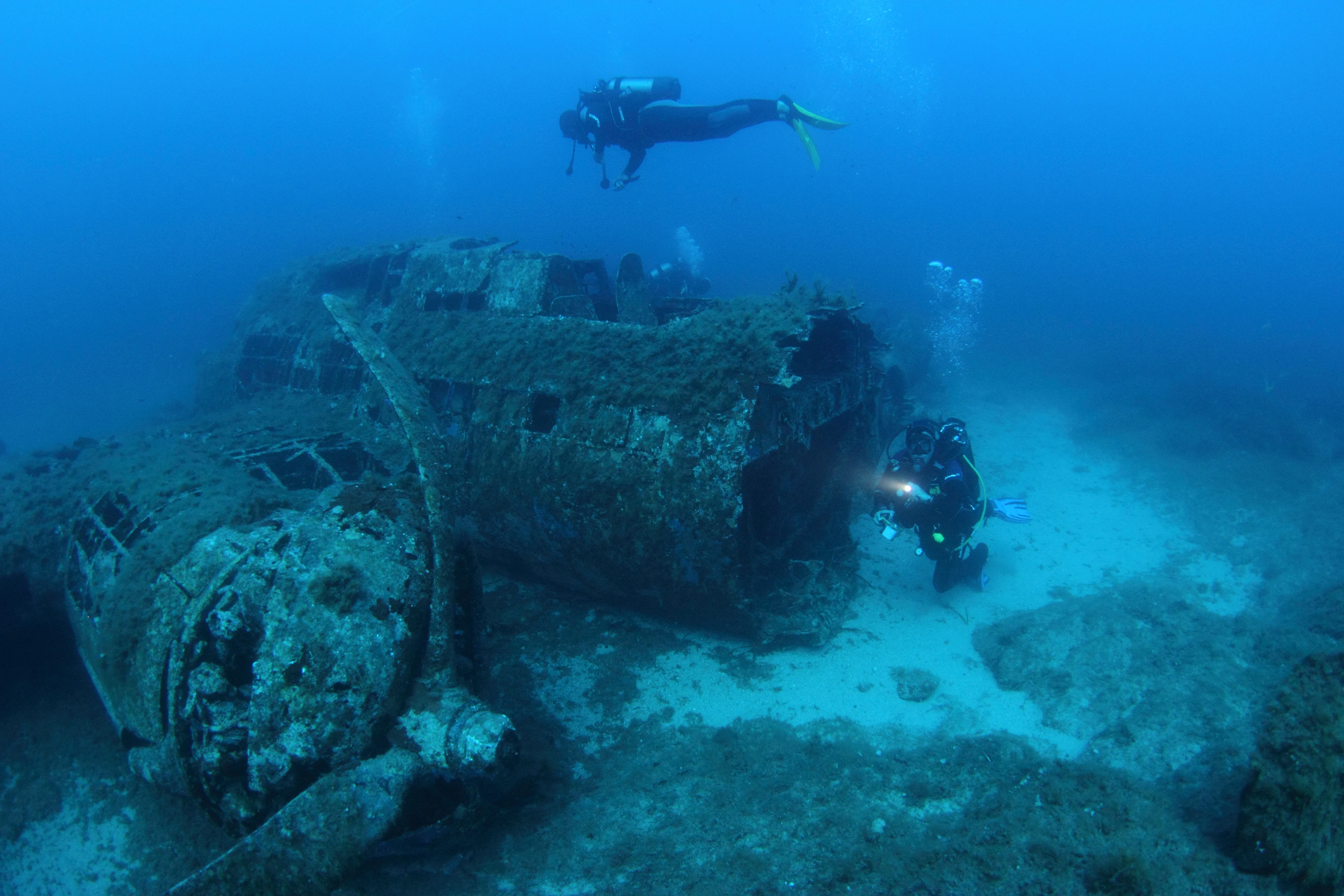
Aircraft
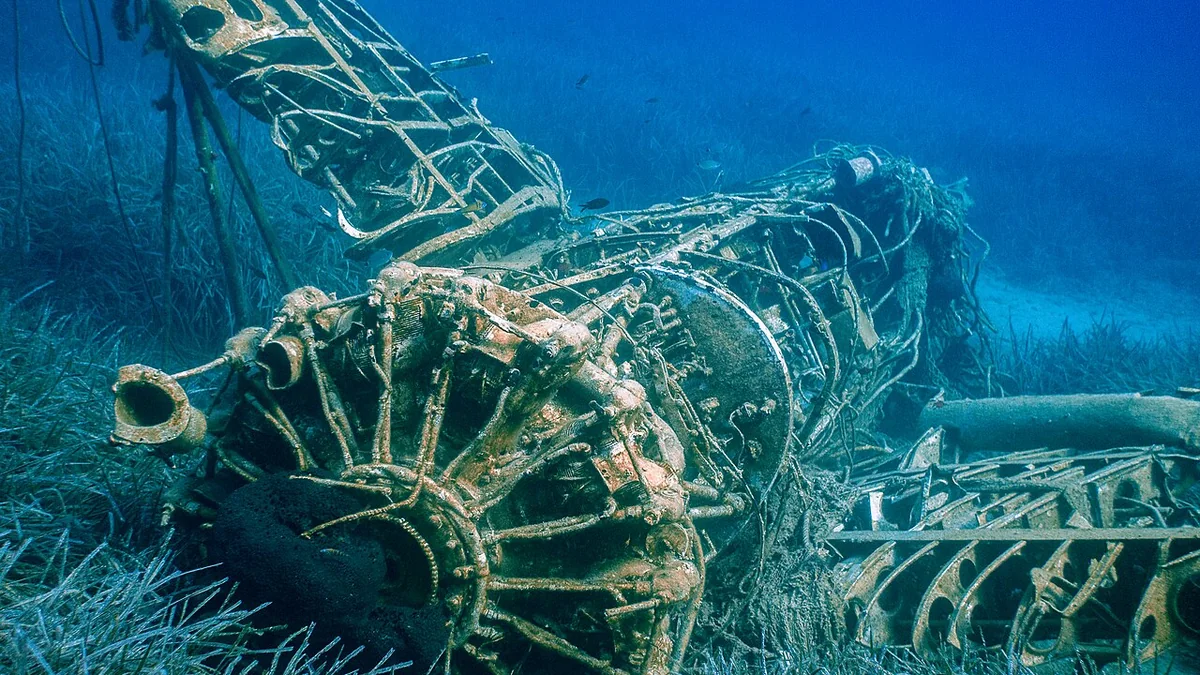
Aircraft wrecks range from compact fuselages to widely scattered debris fields and should be approached as archaeological sites.
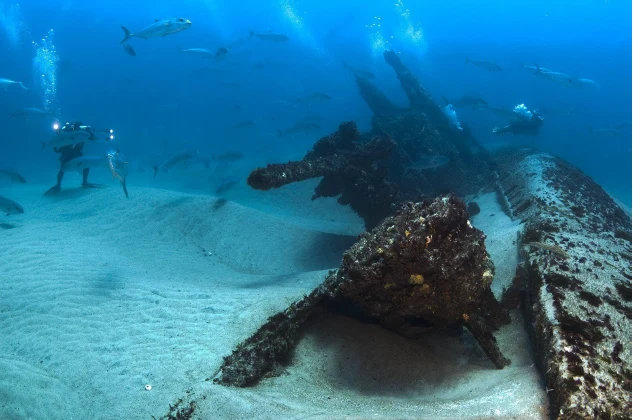
Submarines
Submarines are narrow, enclosed, and structurally complex. Exterior observation is very different from any form of internal access.
Passenger Ships
Ferries, liners, and cruise ships can be exceptionally large, with multiple decks, open vehicle bays, stairways, cabins, and machinery spaces.
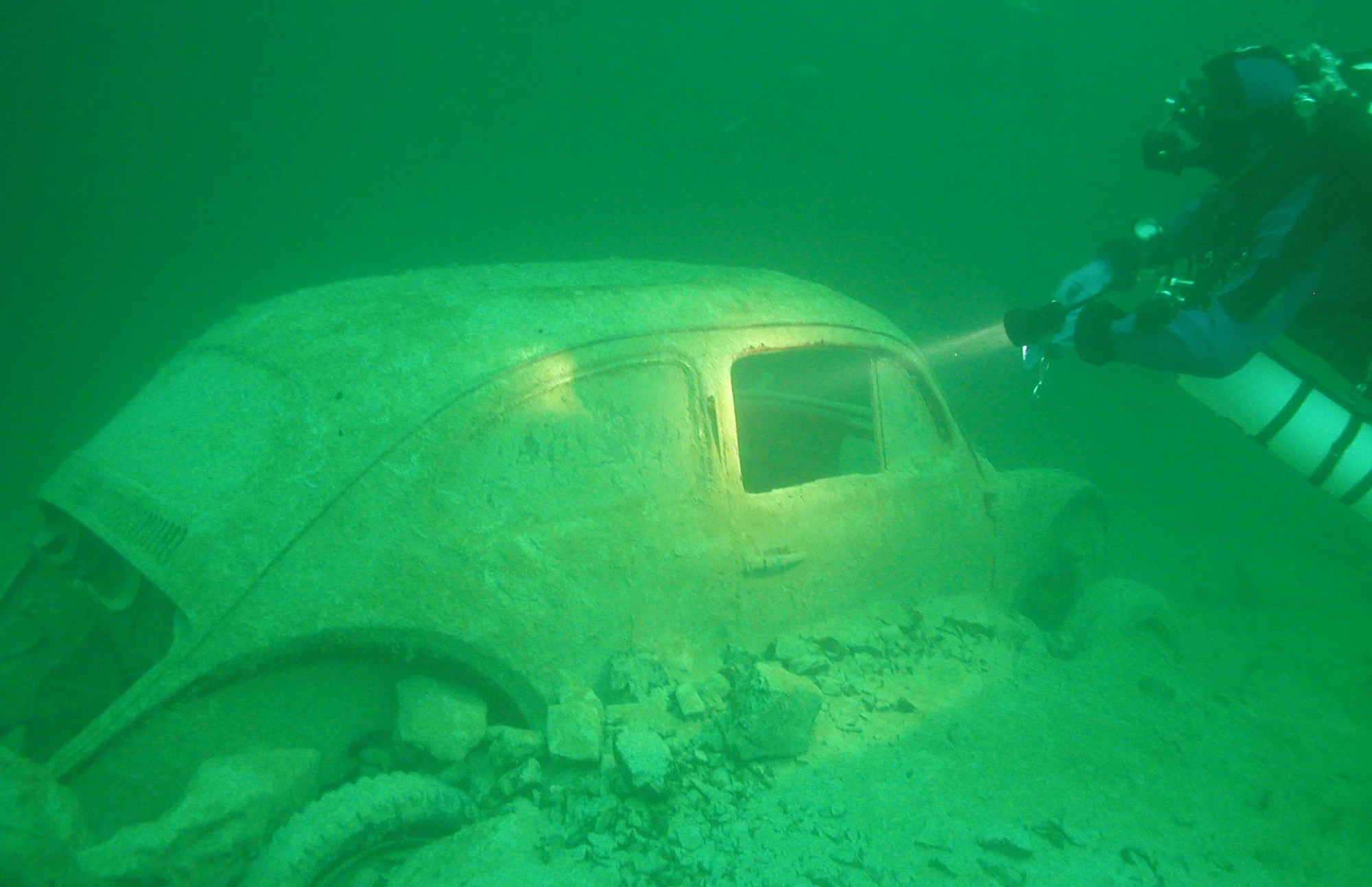
Vehicles & Other Structures
Wreck diving also includes trains, vehicles, offshore structures, and purpose-sunk objects created as artificial reefs or training sites.
Safety Considerations in Wreck Environments
Wrecks introduce specific hazards that require situational awareness, proper training, and conservative dive planning.
Buoyancy & Silt Control
Fin kicks must stay clear of fine sediment. A single disturbed layer can drop visibility to near zero inside enclosed or protected areas.
Entanglement Hazards
Old fishing gear, lines, loose wires, and jagged metal are common around wrecks. Keep gauges, backup regulators, and gear streamlined.
Structural Instability
Corrosion and decay weaken decks, bulkheads, and overhead plates. Never force doors, squeeze through narrow gaps, or rely on corroded handholds.
Gas Management & Reserves
Overhead routes require strict gas planning to ensure adequate reserves for exiting the structure in low visibility or an emergency.
Wreck Records by Region
Explore the global distribution of published wreck dive sites across 69 countries. The interactive map displays all 533 GPS coordinate-verified wreck locations catalogued in the Dive Navigator database, spanning historical naval vessels, wartime freighters, and artificial reefs.
Browse Wrecks by Country
Browse published wreck dive sites by destination. Country totals reflect all published wreck dive sites currently in the Dive Navigator database.
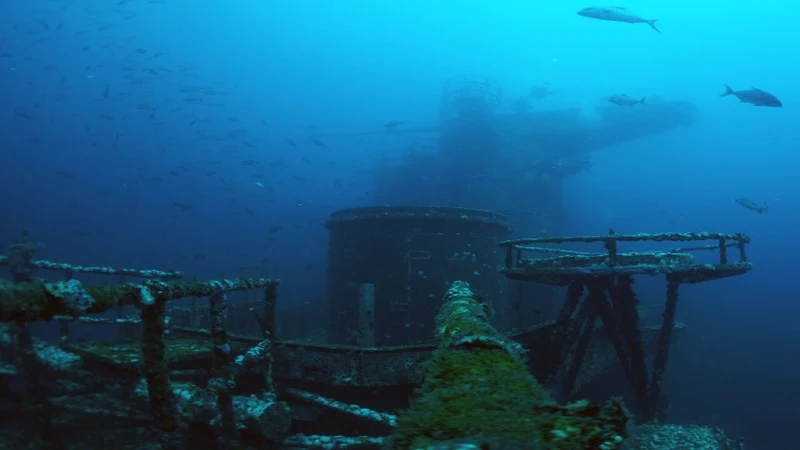

United States
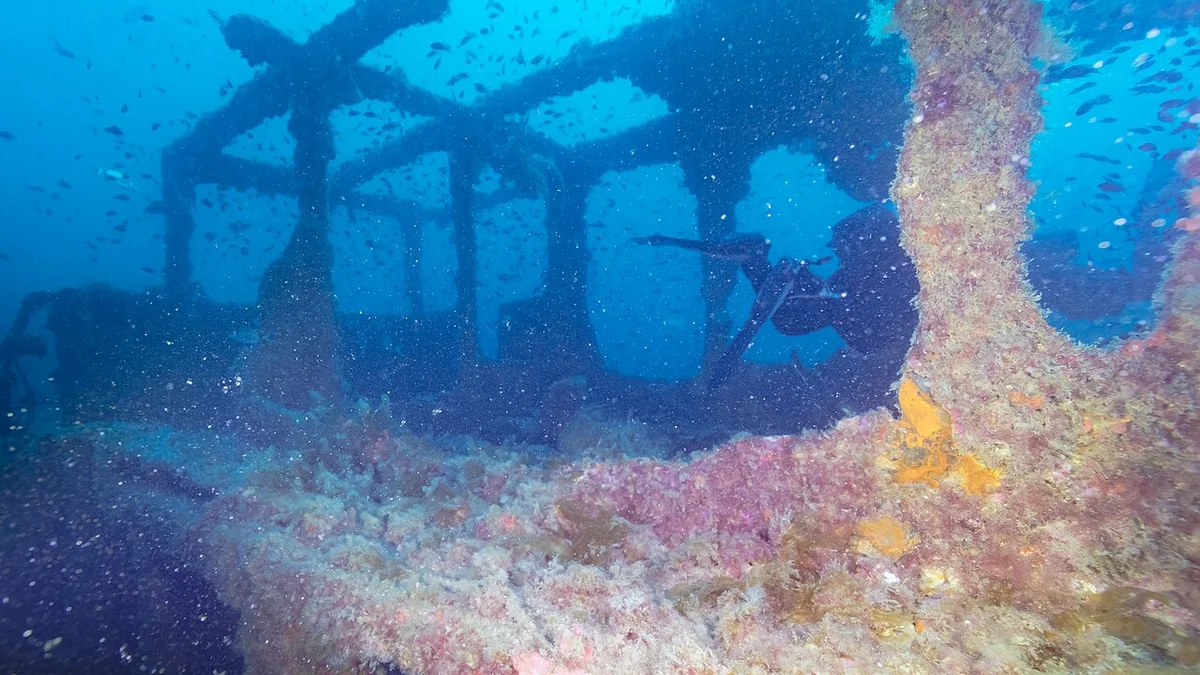

Spain



Italy

United Kingdom
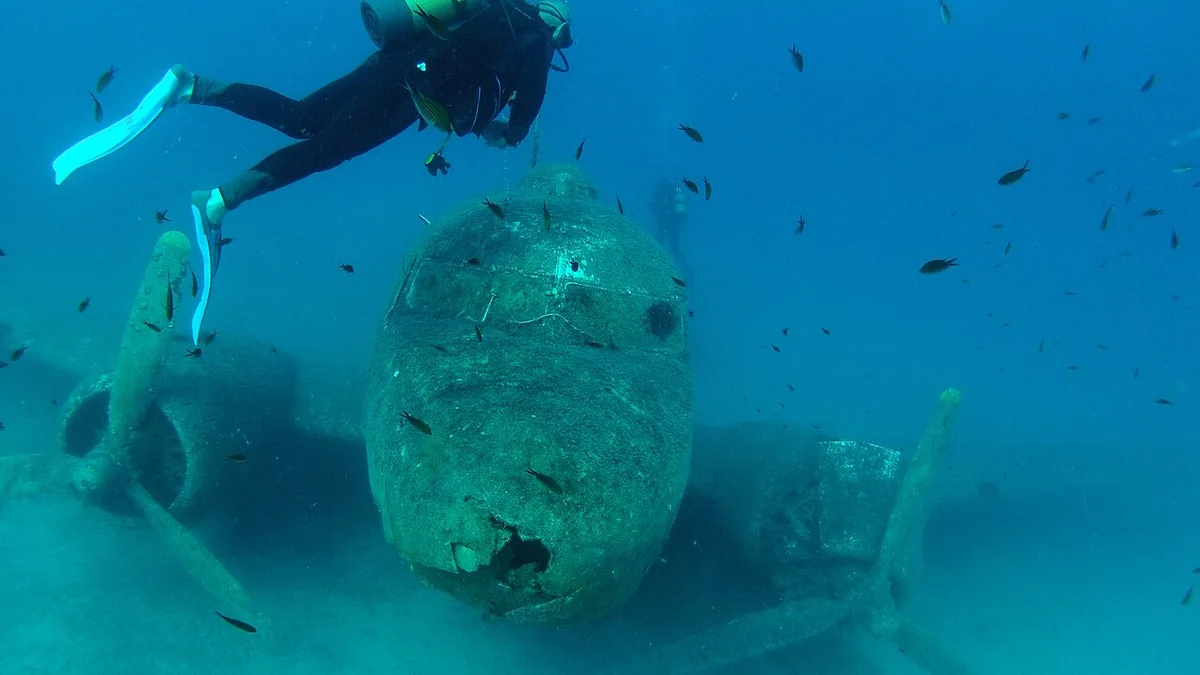

Turkey
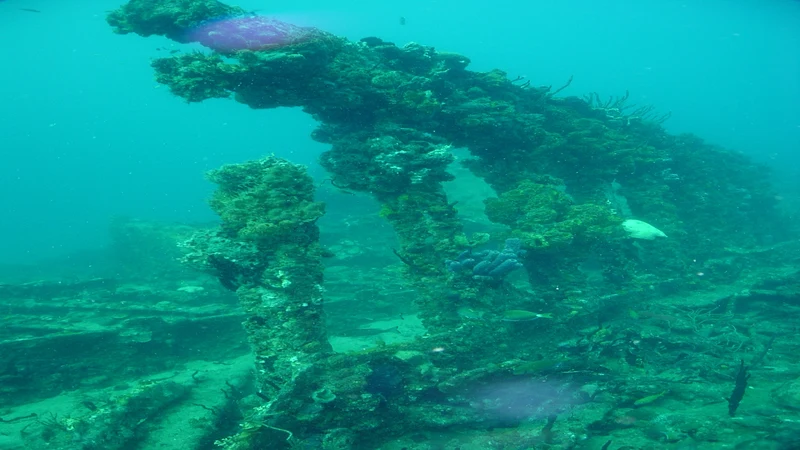

Canada
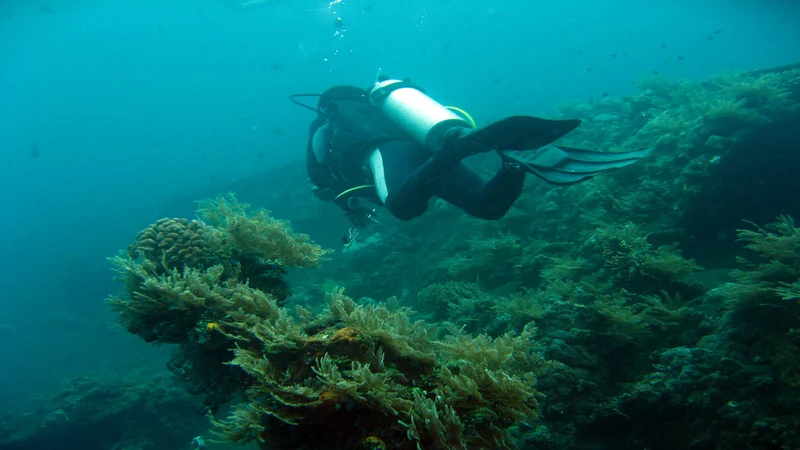

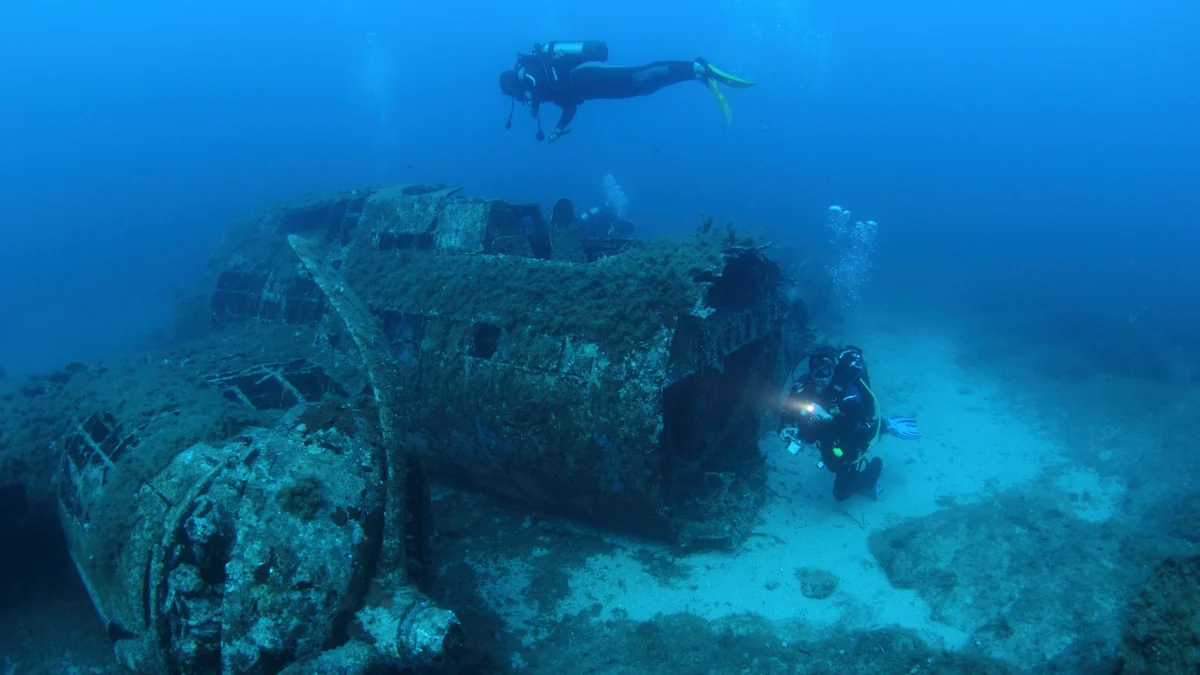

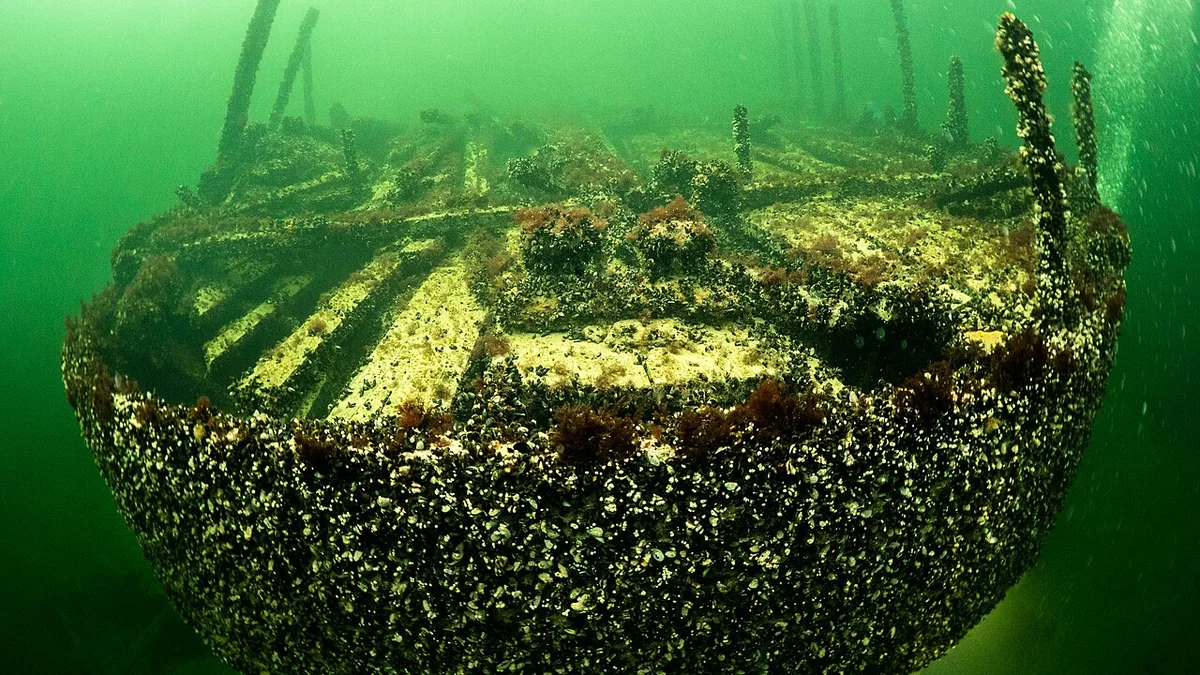

Sweden


Wreck Diving FAQ
Do I need a special certification for wreck diving?
Not every exterior wreck dive requires a dedicated wreck certification, but the dive must remain within the limits of your existing training, experience, depth qualification, and local conditions. Entering a wreck creates an overhead environment and requires specific penetration training. Course names and limits vary between certification agencies.
Do I need a special certification for wreck diving?
Not every exterior wreck dive requires a dedicated wreck certification, but the dive must remain within the limits of your existing training, experience, depth qualification, and local conditions. Entering a wreck creates an overhead environment and requires specific penetration training. Course names and limits vary between certification agencies.
Can beginners dive wrecks?
Some shallow wrecks can be suitable for recently certified divers when conditions are calm, the route stays outside the structure, and a qualified local professional considers the site appropriate. Other wrecks are deep, current-exposed, unstable, or complex. Suitability must be assessed site by site.
What is wreck penetration diving?
Penetration diving means entering a wreck far enough that a direct ascent to the surface is no longer possible. That changes the risk profile because darkness, silt, entanglement, structural hazards, and loss of orientation can all affect the exit. It should only be undertaken within formal training limits and with suitable equipment.
Is wreck diving dangerous?
Wreck diving can involve hazards that are uncommon on an open reef, including sharp metal, unstable structure, entanglement, restricted exits, low visibility, depth, and current. Risk varies widely between an exterior swim around a shallow wreck and a deep penetration dive. Careful site selection, training, planning, and local knowledge are essential.
What equipment is used for wreck diving?
Normal scuba equipment may be sufficient for a simple exterior dive, depending on the site. Lights, cutting tools, reels or guidelines, redundant gas, and specialised configurations may be required for more complex dives or penetration. Equipment should follow the diver’s training, the operator’s procedures, and the actual wreck conditions.
Can divers enter every wreck?
No. Some wrecks are unstable, legally protected, environmentally sensitive, too deep, or closed by local authorities or operators. Even when entry is permitted, the route may exceed a diver’s training or the conditions may make penetration inappropriate that day.
Can I take artifacts from a wreck?
Do not remove anything from a wreck unless a competent authority has explicitly authorised it. Artifacts may be protected by heritage law, ownership rights, war-grave rules, marine-park regulations, or local permit systems. Removing objects also destroys archaeological context and reduces the site’s value for future divers.
How do I choose a wreck dive?
Start with your certification, recent experience, depth comfort, and whether you intend to remain outside the structure. Then compare the wreck’s depth, current, visibility, access, orientation, structural condition, and emergency support. A local operator can explain how those factors change by season and day.
How can wreck divers protect historic sites?
Maintain neutral buoyancy, avoid contact, use established moorings where available, and do not force entry or move objects. Follow local rules and report damage or illegal removal to the relevant authority or operator. Good wreck etiquette protects both the structure and the historical record.
Image credits and licensing
Images sourced via Wikimedia Commons in accordance with CC BY, CC BY-SA, GFDL, and Public Domain licensing.